David Frazier argues that venture capital economics reward extreme differentiation, not incremental progress. Playing it safe may feel prudent, but for VC-backed startups, asymmetry and monopolistic advantage are often the only viable path.
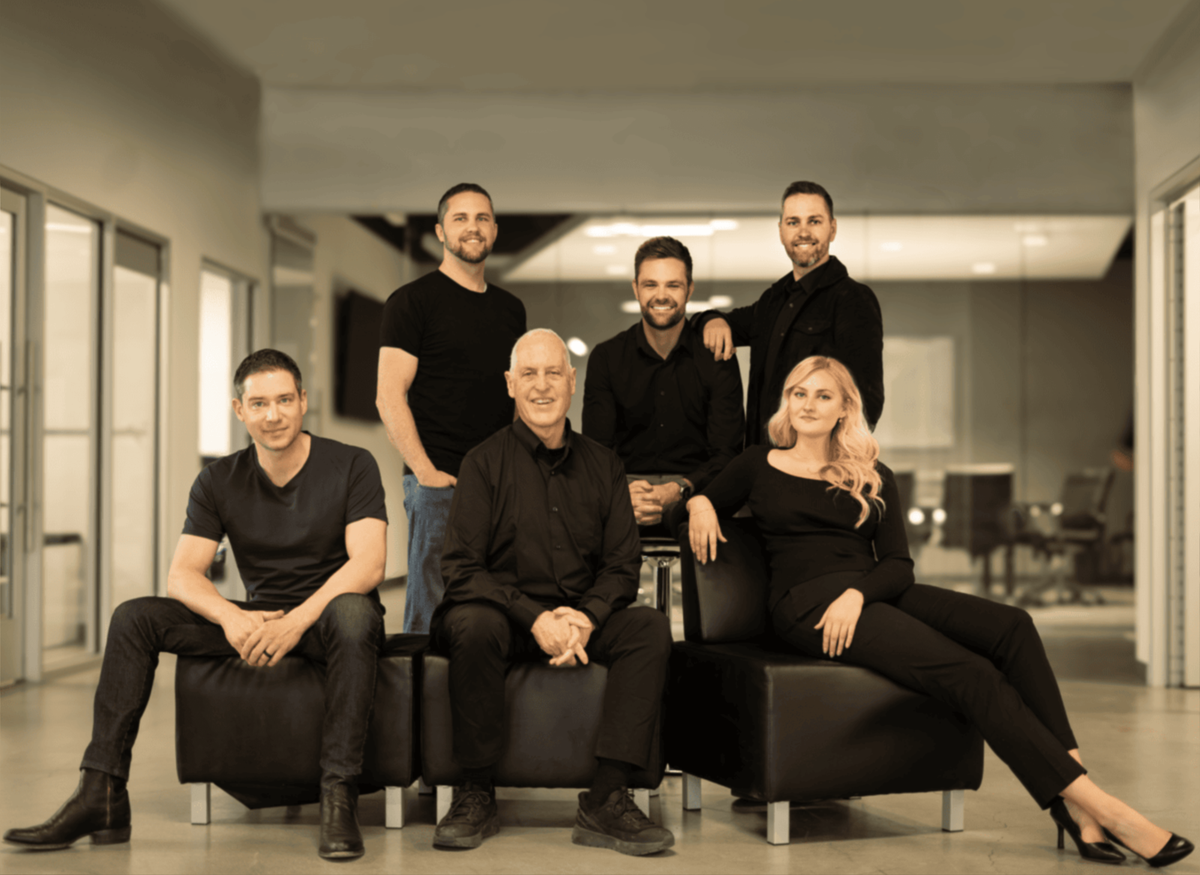
The Frazier VC team at its Lehi, Utah headquarters
The Frazier VC team at its Lehi, Utah headquarters
My favorite Far Side comic shows two spiders who’ve built a web across the bottom of a playground slide. One spider says to the other, “If we pull this off, we’ll eat like kings.” After a few brief queries to Gemini—how strong is a spiderweb, how heavy is a child, what is the formula for momentum—I laughed at the mathematical stupidity of the plan.
Paradoxically, companies that play it safe are often destined for failure. Venture capital funds are not looking for startups that minimize risk. They’re looking for startups that—like the spiders in the comic—take extraordinary risks that challenge the economics of their industry.
Peter Thiel’s Zero to One and his Stanford lectures on monopolies are foundational reading in venture capital. To paraphrase: every startup faces legacy competitors who already own customers, offer broader feature sets, and will copy your successes. At the same time, there will always be younger, scrappier competitors trying to leapfrog you—and they will often raise more money, faster. Without real differentiation—or a path toward monopolistic advantage—you’ll end up competing fiercely on price, and profits won’t materialize.
Only a monopoly—offering something competitors cannot credibly replicate—can produce returns large enough to meet the punishing economics of venture capital.
A venture capital fund cannot survive by hitting singles and doubles. The math requires big swings for home runs. A top-quartile VC targeting a 20% net IRR, after fees, needs portfolio companies, on average, to generate high-20% annual returns. Some investments will fail entirely, forcing the rest of the portfolio to deliver 30–40%+ annual growth. That kind of performance—especially after dilution from future financings—rarely comes from risk-averse companies.
If a VC mathematically can’t reach top-quartile returns by backing low-risk, undifferentiated businesses, what does that mean for entrepreneurs?
It means you shouldn’t pitch defensively. Investors are happy to hear how you’re de-risking the business, and they’ll spend significant diligence time validating that. But low risk doesn’t motivate a lead investor to write a check. The billion-dollar, monopolistic “superpower” you’re building does.
True differentiation is incredibly rare. FrazierVC mostly invests in Seed and Series A B2B SaaS platforms because these businesses are more likely to develop enduring competitive moats. Own the data. Own the customer. Own the daily workflow.
Estate Guru (Provo, UT)) has captured the market for selling estate plans through financial advisors and divorce attorneys. But the larger opportunity lies in building a services marketplace around settlement—when families decide what to do next. Realtors, banks, executors, and insurance providers would all benefit from being present at that moment. Estate Guru’s ability to offer these services is extremely difficult for incumbents to replicate.
Commission software traditionally fails in highly complex industries like mortgage lending and door-to-door sales because the underlying data is unreliable. Sequifi (Lehi, UT) solves this by controlling the entire HR lifecycle—from onboarding and contracting to payroll and commissions. The result is they’re the only company able to deliver these especially complex commissions to customers in real time.
SalesDraft (Lindon, UT) isn’t making hiring incrementally better—they’re breaking the mold. HR-led hiring often takes thirty days. Could an AI-orchestrated process compress that into three by demoting HR from gatekeeper to functionary? A critical element of differentiation I won’t elaborate on here is speed.
Making asymmetric bets on differentiated companies is easy to say but hard to stomach. Companies creating new markets take longer to find product-market fit, must educate customers as well as sell to them, and lack established distribution channels. These are challenges good VCs understand and accept because there’s potentially a billion-dollar business on the other side.
Differentiated revenue may cost more upfront, but it lasts longer and supports higher margins.
Conclusion The maxim “Go big or go home”—popularized in sports and poker—describes venture capital economics unusually well. A small number of companies willing to skillfully navigate extreme risk produce nearly all the returns. To a VC, mediocrity is worse than the risk of failure.
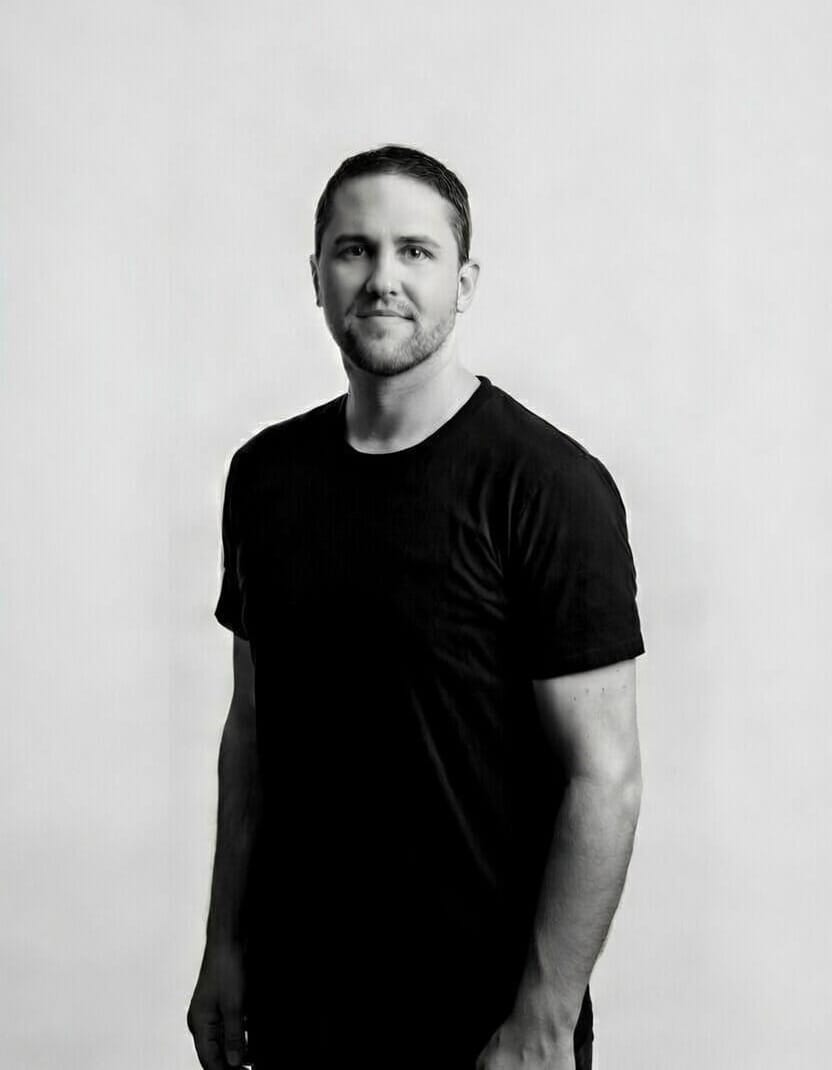
David Frazier is a managing director at Frazier VC, a Utah-based venture firm with decades of experience investing in the state’s technology ecosystem. Founded by longtime investor Scott Frazier, the firm has backed companies across multiple venture cycles. TechBuzz welcomes insights from members of Utah's venture community.
Share this article
The link has been copied!
Your link has expired. Please request a new one.
Your link has expired. Please request a new one.
Your link has expired. Please request a new one.
Great! You've successfully signed up.
Great! You've successfully signed up.
Welcome back! You've successfully signed in.
Success! You now have access to additional content.