Where Curiosity Meets Impact: SheTech Interns Interview Brittney Vierra
Brittney Vierra, Co-founder and CTO of Amphora (Salt Lake City), shares her journey from physics to data science with SheTech media interns, Samhita Chavakula and Jaswitha Jadapalli. She shares how curiosity, not frustration, can challenge bias, drive innovation, and reshape AI’s role in healthcare.
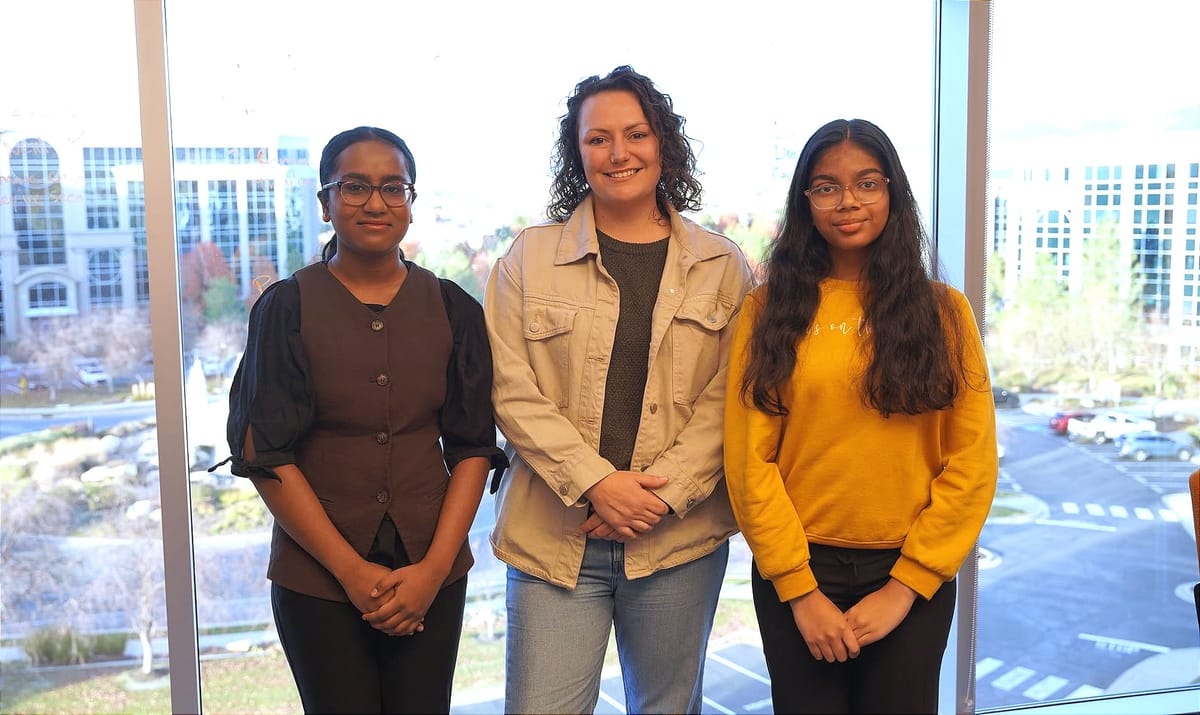
Samhita Chavakula and Jaswitha Jadapalli interview Brittney Vierra, exploring how curiosity—not frustration—can challenge bias and redefine leadership for women in tech
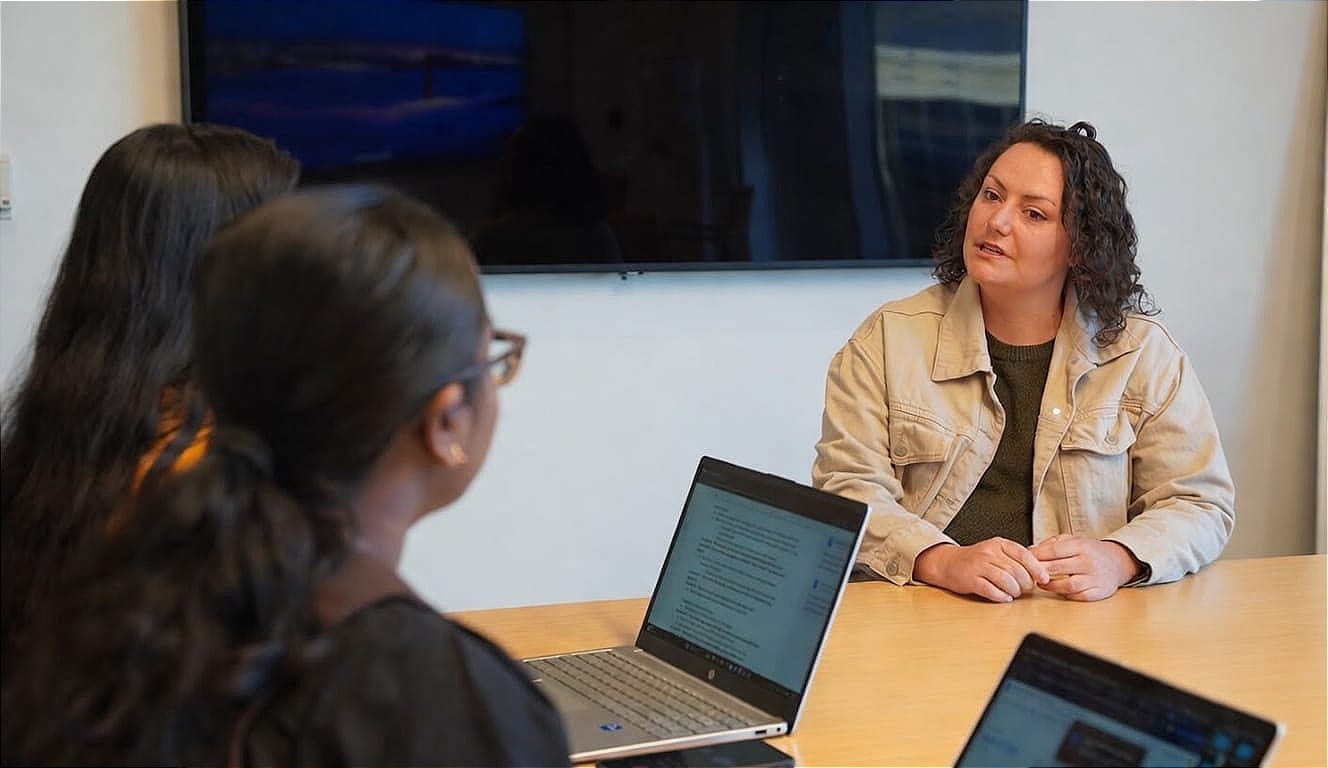
Samhita Chavakula and Jaswitha Jadapalli interview Brittney Vierra, exploring how curiosity—not frustration—can challenge bias and redefine leadership for women in tech
Salt Lake City, Utah — March 30, 2026
“Stay curious, not furious.”
For Brittney Vierra, this isn’t just advice—it’s how she built a career in male-dominated technical spaces, turning moments of bias into opportunities for influence and change.
Throughout her journey, Brittney has faced recurring questions that challenged her credibility, being asked whether she was “actually coding” or simply supporting someone else’s work. While often framed casually, these moments carried deeper assumptions about who belongs in tech.
Instead of reacting with frustration, she chose a different approach. She asked questions. She redirected conversations. She created space for dialogue rather than defensiveness.
“Get curious, not furious. That’s the best chance you have to change someone’s perspective,” she explains.
By leaning into curiosity, Brittney didn’t just navigate bias, she challenged it. Over time, her work spoke louder than assumptions, allowing her to advocate for herself and shift perceptions in the environments around her.
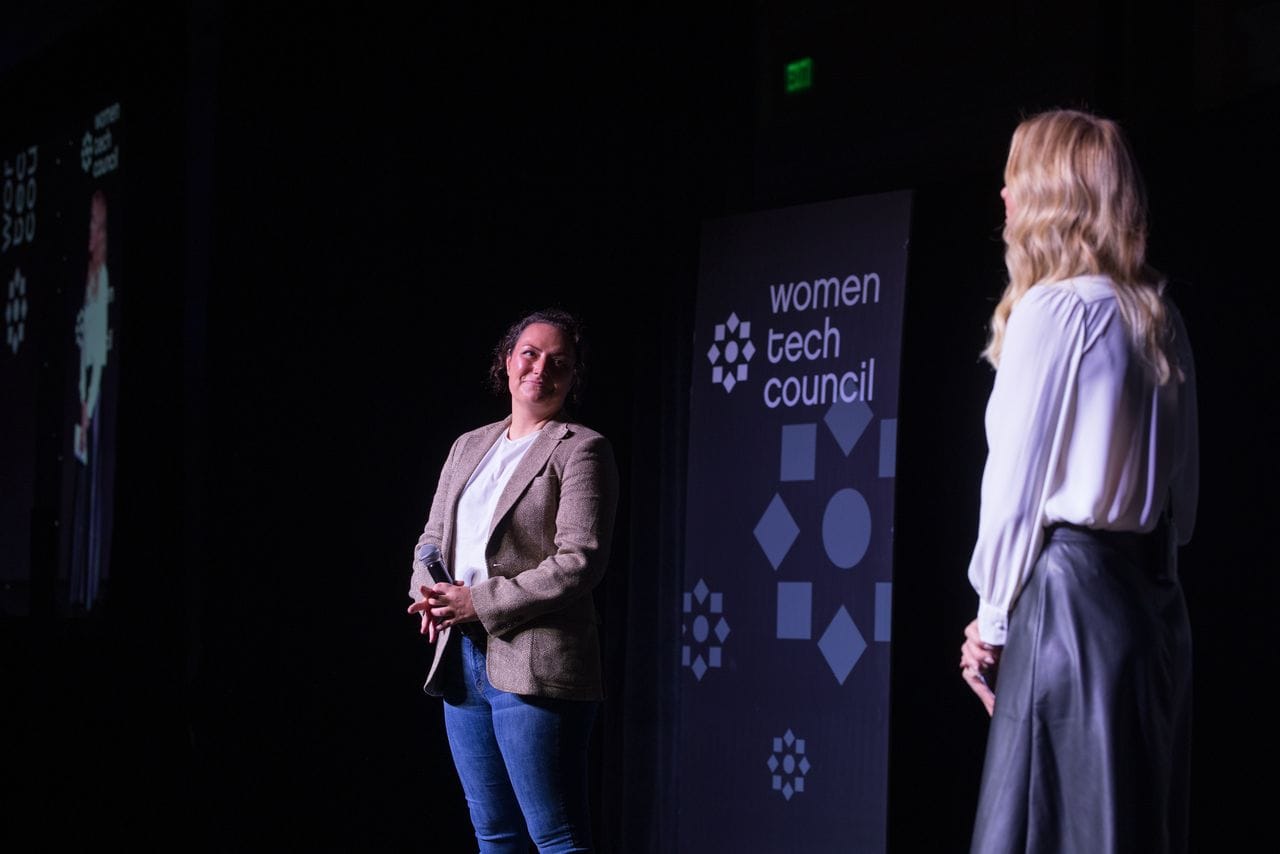
Samhita Chavakula and Jaswitha Jadapalli sit down with Brittney Vierra at the TechBuzz offices to discuss her path from physics to data science and how her work is advancing AI-driven healthcare innovation.
The Path to Data Science
Curiosity didn’t just shape how Brittney handled challenges. It shaped her entire career.
She began studying physics, drawn to problem-solving rather than programming. But while working in labs, her focus shifted. She became fascinated not just by experiments, but by the massive datasets behind them, especially in biological systems.
“I taught myself how to code to automate my lab manager duties,” she recalls. “Then I realized I wanted to be in the lab with the micro-organ brains and work on that data.”
What started as a practical solution quickly turned into a passion. Brittney became deeply interested in analyzing complex datasets, exploring questions like how neural activity evolves over time and how those patterns could inform drug discovery.
Her curiosity pushed her beyond her original path, leading her into data science and opening doors to more complex, high-impact research.
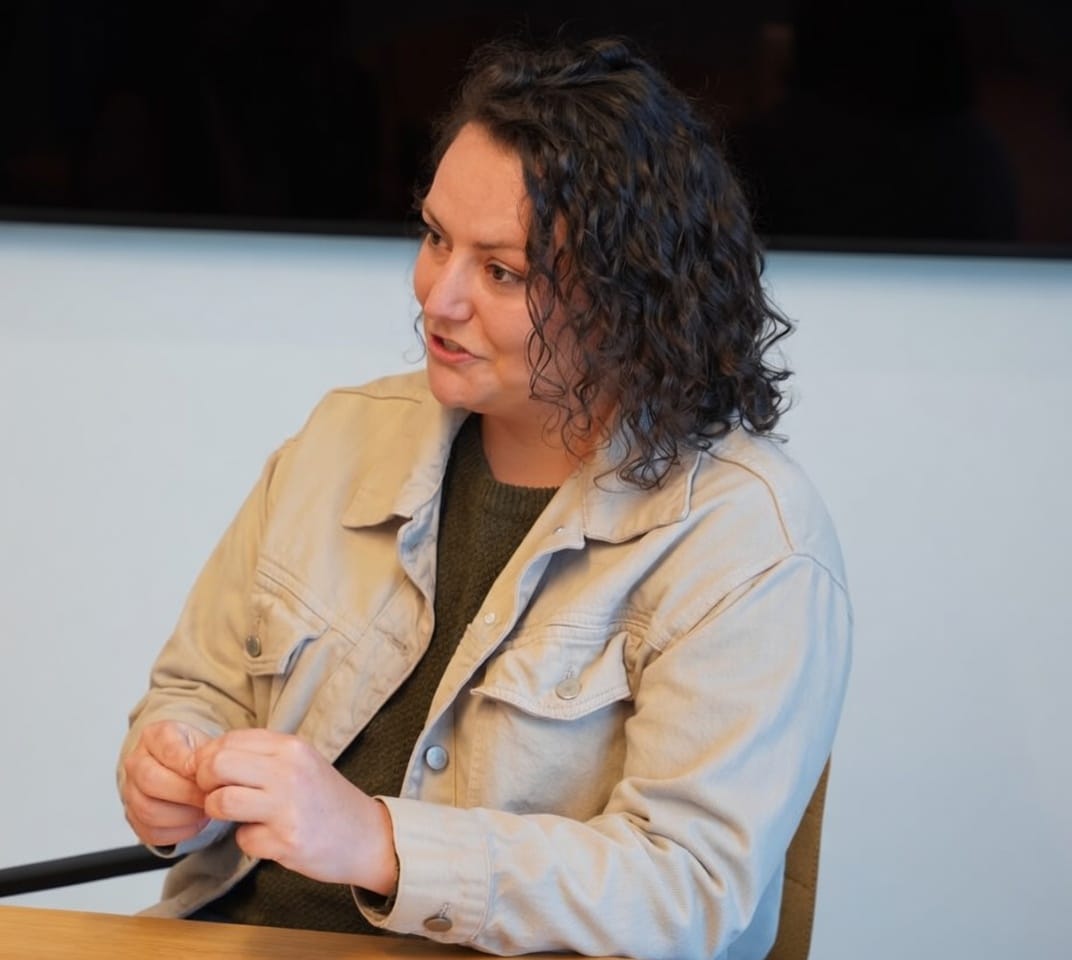
Brittney Vierra, Co-Founder and CTO, Amphora Labs
Automating Neural Analysis for Breakthroughs
One of Brittney’s most impactful projects involved working with stem-cell-derived brain organoids. In this space, researchers traditionally relied on manual curation and subjective interpretation of neural activity, methods that limited both scale and consistency.
Brittney developed an analytics platform that automated this process, enabling faster, more scalable analysis. The result: researchers could process significantly larger datasets with greater precision, accelerating insights in drug discovery.
Her unconventional background played a key role.
“What’s obvious to you is not obvious to anyone else,” she explains. “I wasn’t an expert in biology or computer science, but that outsider perspective helped me see inefficiencies others overlooked.”
That perspective—bridging disciplines rather than staying confined to one—allowed her to identify gaps and rethink how problems could be solved.
Embracing AI & the Future of Women’s Healthcare
Brittney’s mindset also extends to a critical issue in data science: bias.
“Our data should be as complex as our populations are diverse,” she emphasizes.
Data reflects who is included. And for decades, women often weren’t. Medical research historically defaulted to male subjects, partly because male hormone cycles were seen as simpler to study. Women’s biological complexity was treated as a complication rather than a priority.
The consequences are real. Conditions like endometriosis remain underdiagnosed, and many women report that their pain is dismissed or misunderstood. These gaps aren’t just medical, they’re data-driven.
“When data is incomplete, the outcomes are too,” Brittney explains.
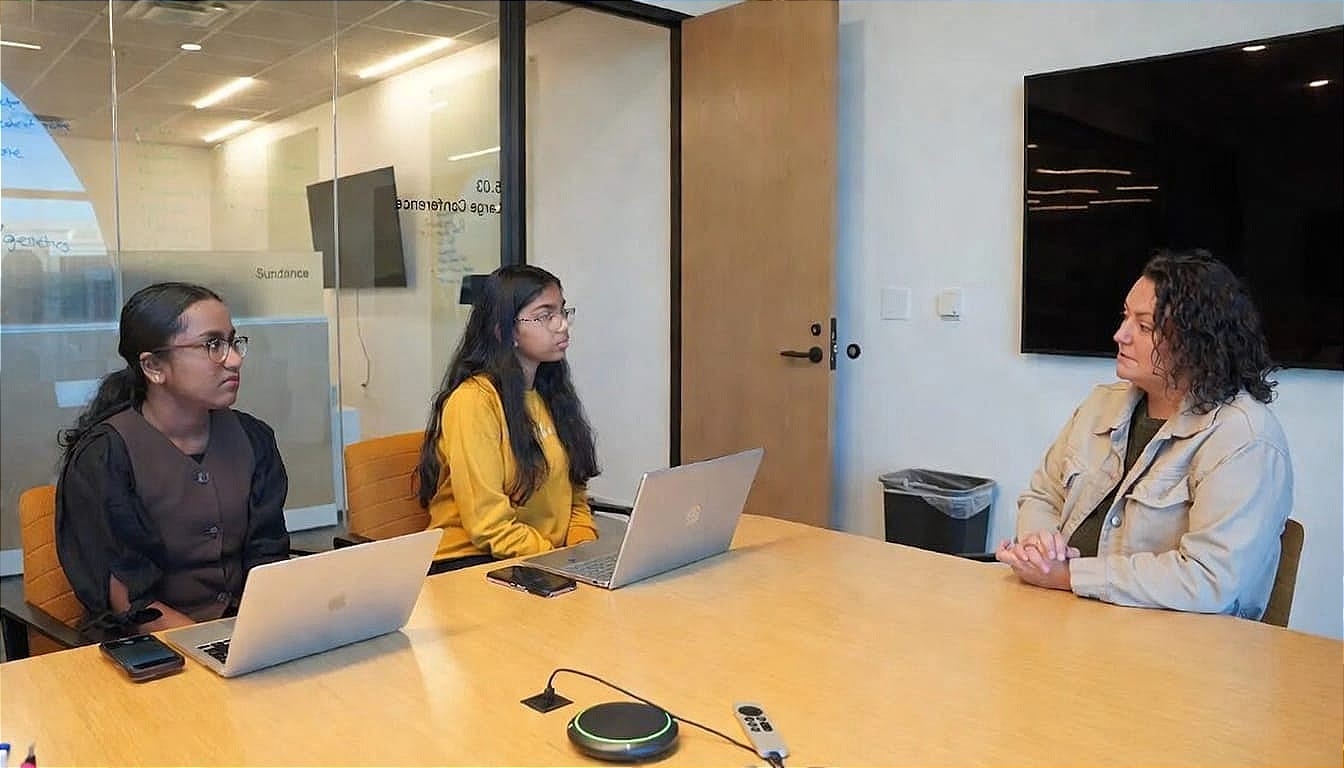
During their interview with Brittney Vierra, Samhita Chavakula and Jaswitha Jadapalli highlight the importance of inclusive data and how AI can help close critical gaps in women’s healthcare.
Harnessing AI to Close the Gap
Brittney sees artificial intelligence as a powerful tool to address these disparities, but only if it’s used responsibly.
AI’s strength lies in its ability to detect patterns across massive, complex datasets, especially in biological systems where human analysis falls short. In drug discovery, for example, AI can test thousands of hypotheses simultaneously, dramatically reducing both time and cost.
But there’s a catch.
AI is only as good as the data it’s trained on. If that data is biased, the outcomes will be too—just faster and at a larger scale.
“Responsible use of AI requires inclusive datasets, transparency, and continual evaluation,” she says.
When built thoughtfully, AI has the potential to expand research into underrepresented areas, helping close long-standing gaps in knowledge and treatment.
Beyond her technical achievements, Brittney’s journey highlights the importance of adaptability.
She didn’t follow a linear path. She pivoted from physics to data science, from manual lab work to automation, learning new skills as she went. That willingness to evolve became one of her greatest strengths.
Her story offers a different model of leadership: one rooted not in certainty, but in curiosity and growth.
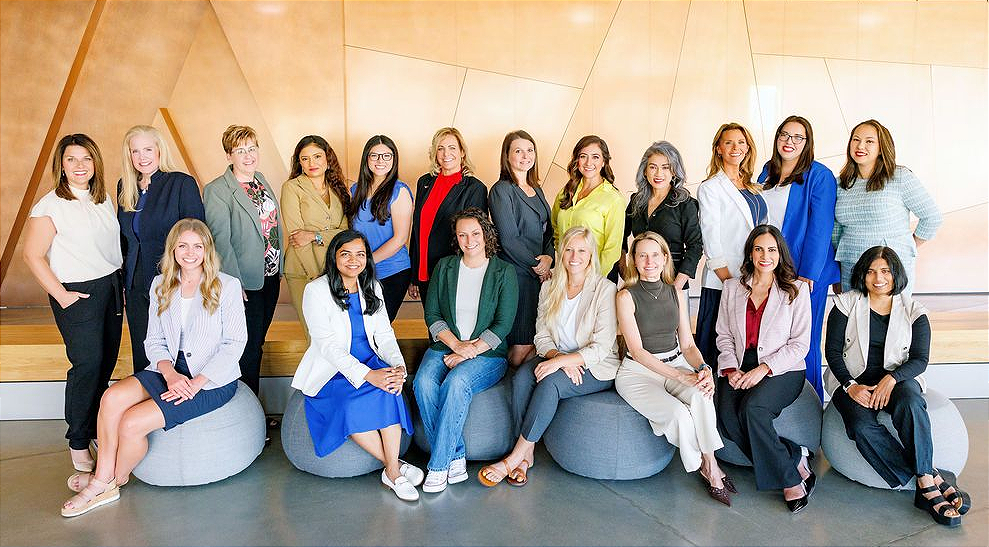
Brittney Vierra (center, in green jacket) alongside the 2025 Women Tech Awards finalists—an extraordinary group of innovators and leaders whose collective impact spans AI, healthcare, aerospace, and beyond. (Credit: Laura Kinser)
Brittney’s Message to Young Women
“To the young women in tech, you know who you are.
You already feel it, that spark, that connection to problem-solving. Society may try to make you doubt it. Navigate that noise with grace and confidence. Your perspective isn’t just ‘nice to have,’ it’s critical.
I’m optimistic about the future of AI, not because of the technology itself, but because of who will build it. I see the problems it can solve for women, in healthcare, in our daily lives, because I’ve lived them.
That optimism is a responsibility. I feel a profound obligation to use my skills to make a difference.
The future will be better for women because I will make it so. I want every young woman in this field to feel that same power. Trust that feeling. Own that responsibility. Go build the future we deserve.”
Brittney’s message is clear: perspective isn’t optional; it’s essential. By treating rejection as neutral and curiosity as a tool, she reframes what leadership in tech can look like.
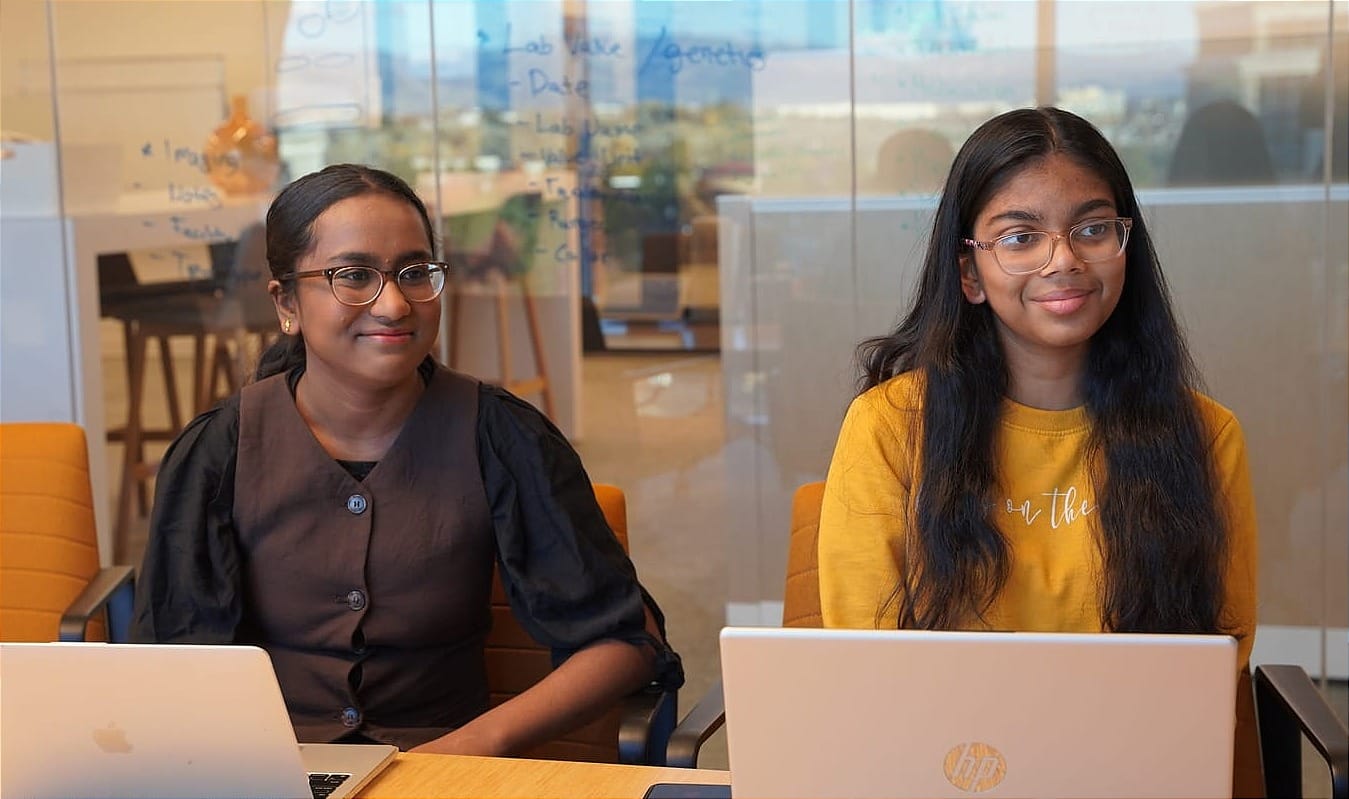
Samhita Chavakula and Jaswitha Jadapalli, 2025-26 SheTech Media Interns with Women Tech Council and TechBuzz News, interviewing Brittney Vierra at the TechBuzz offices in South Jordan, Utah
Samhita Chavakula is a senior at Hillcrest High School in Midvale, UT. She is passionate about biochemistry and public health and is working toward becoming a physician-scientist in the future.
Jaswitha Jadapalli is a junior at Hillcrest High School who loves computer science and AI. She is excited to meet inspiring women in STEM and learn from their experiences.
Share this article
The link has been copied!
Your link has expired. Please request a new one.
Your link has expired. Please request a new one.
Your link has expired. Please request a new one.
Great! You've successfully signed up.
Great! You've successfully signed up.
Welcome back! You've successfully signed in.
Success! You now have access to additional content.