Lynne Yocom blends engineering, creativity, and cultural diplomacy to expand Utah’s fiber network, mentor young women in tech, collaborate across agencies, and build trust with tribal communities while strengthening statewide digital connectivity.
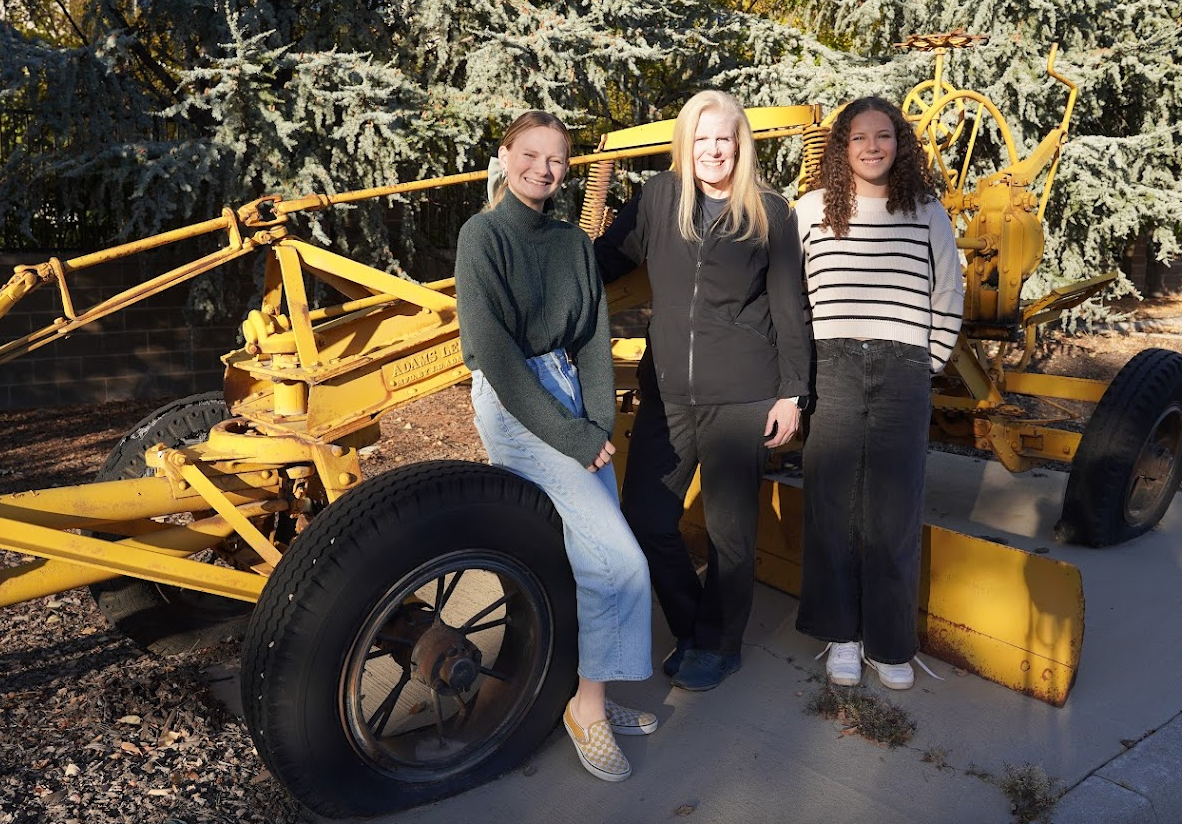
Brielle Schwendiman, Lynne Yocom, and Inga Wilkowske, appreciating a vintage road grader at UDOT Region Three (Orem Utah)
Brielle Schwendiman, Lynne Yocom, and Inga Wilkowske, appreciating a vintage road grader at UDOT Region Three (Orem Utah)
Orem, Utah — December 10, 2025
Former art student and computer science teacher, Lynne Yocom is building Utah’s digital future through fiber optics, mentorship, and community-focused innovation.
Some artists connect people through watercolor or pastels, creating beautiful pieces of art. Lynne Yocom, Director of Fiber Optics at the Utah Department of Transportation connects people in a different medium: fiber optic cables. She recalls, “I was a sterling scholar in art for my high school; it’s what I loved and wanted to do… I’m still doing art now, but in a different way. Fiber optics is my art now.” Through her love of creativity and connecting people, Yocom has built a career she loves, earning recognition as a 2025 Public Sector Innovator Award recipient at the Women Tech Awards.
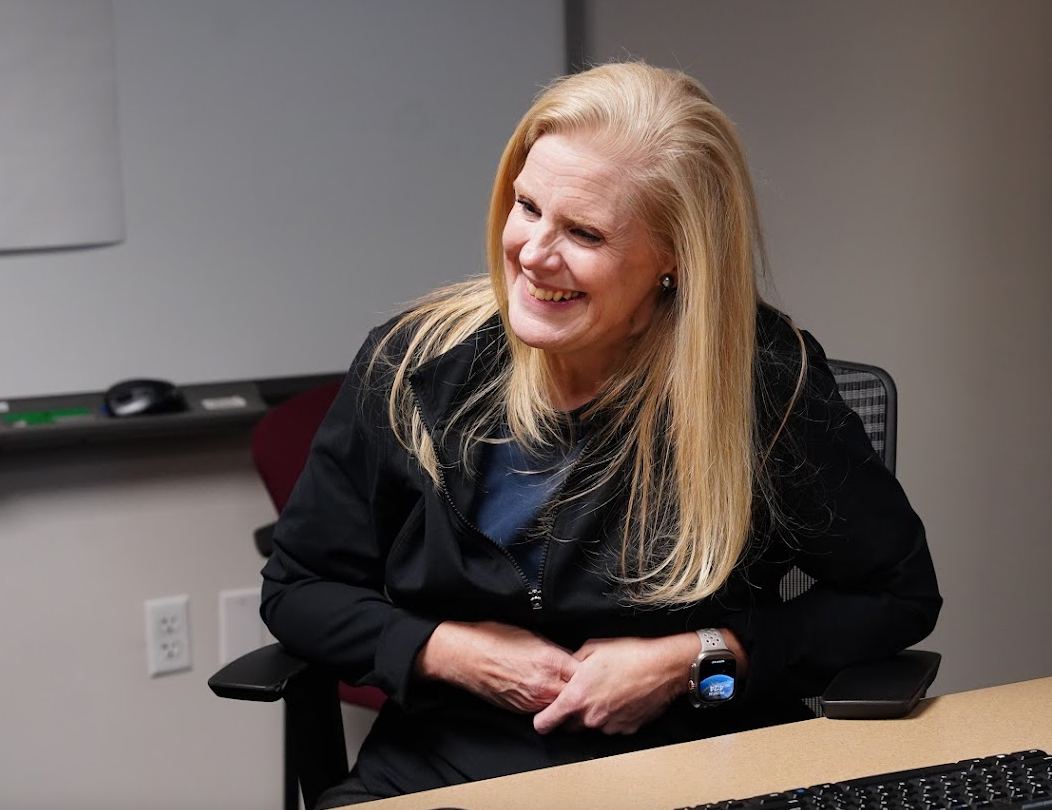
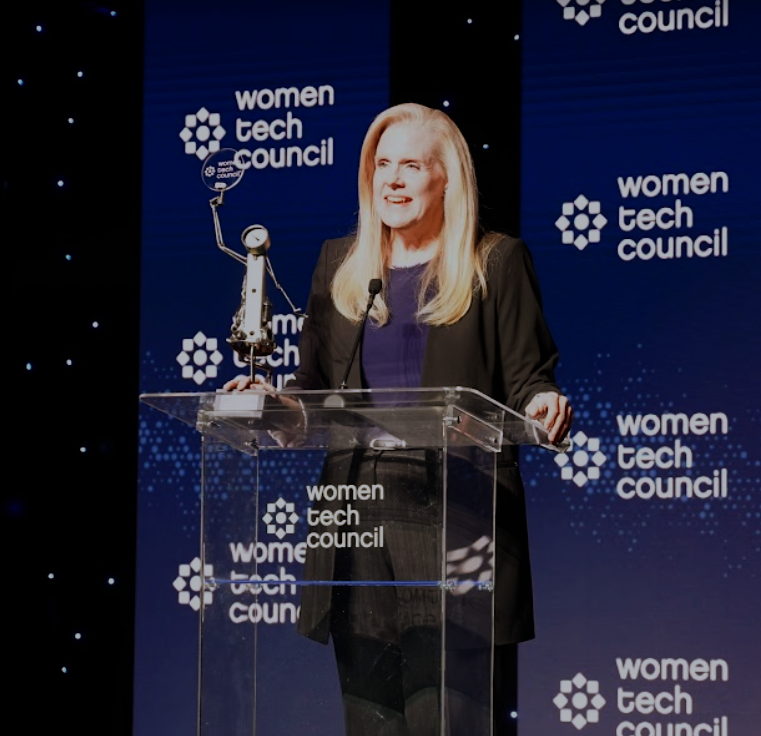
Lynne Yocom, UDOT Fiber Optics Director and 2025 Public Sector Innovator Women Tech Awardee
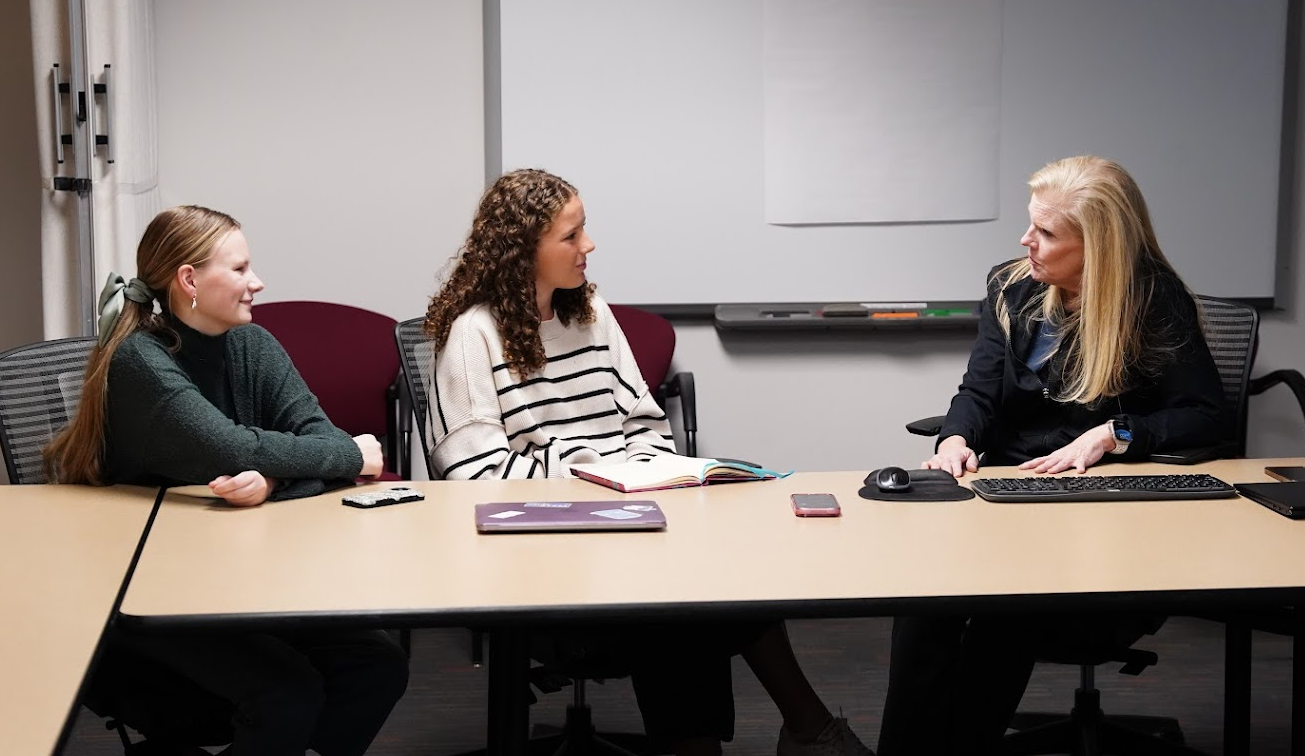
We sat down with Yocom at the UDOT Region Three Office in Orem, Utah and learned about the logistical balancing act that she manages for the state's fiber optic backbone. Yocom explained that different agencies rely on the network for completely different purposes—schools, hospitals, emergency responders, and transportation systems. They all need high-speed, ultra-reliable connections. Yocom and her team make it happen. They assign specific fiber strands or conduit to each partner and coordinate where their equipment can be installed. Instead of mixing traffic control data with government communications or telehealth services, UDOT uses physical segmentation to keep each system isolated. It’s a quiet, behind-the-scenes structure that makes Utah’s digital infrastructure more resilient.
Brielle Schwendiman, Inga Wilkowske, and Lynne Yocom at UDOT Region Three Office, Orem, Utah
Yocom walked us through how a single fiber strand can be broken into multiple wavelengths of light, each transmitting data as a separate channel. This process, called wavelength-division multiplexing, allows providers to run dozens of networks through one physical fiber. “Any color of the spectrum can be its own network,” she said. Although UDOT can use multiplexing, the state’s infrastructure is robust enough that they usually assign entirely separate fibers to their partners. This approach strengthens reliability and makes network physical segmentation far easier to manage across traffic systems, public safety, and educational services.
From Classroom to Community: Yocom’s Early Career as a Teacher
We asked Yocom about her background. Before joining UDOT, she was a computer science teacher. She continued to teach part time while she worked full time for UDOT. She taught for 23 years. She led student groups, encouraged girls to explore technology, and helped students discover their passion for cybersecurity, networks, and programming.
“I’ve helped out with many student-led groups as a teacher and now as a volunteer,” she said. “I love helping people find their passion for communication networks and computer science. It’s something I’ve always loved—helping my community.”
One student in particular entered Yocom’s classroom full of doubt. By connecting computer science to the student’s love of art, Yocom helped her discover a new appreciation for digital design and coding. This mentorship left a lasting impression, showing how encouragement and creative thinking can inspire confidence and a love of technology.
Generations of Mentorship
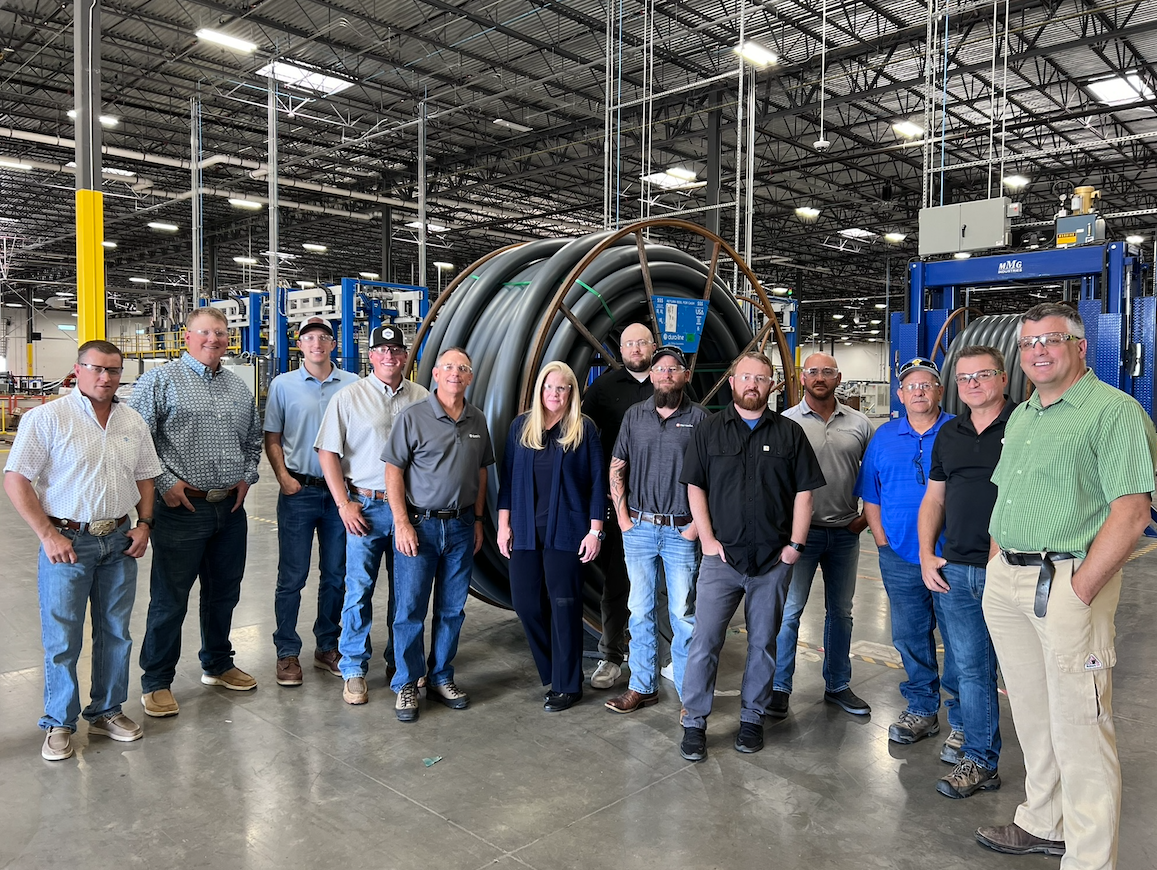
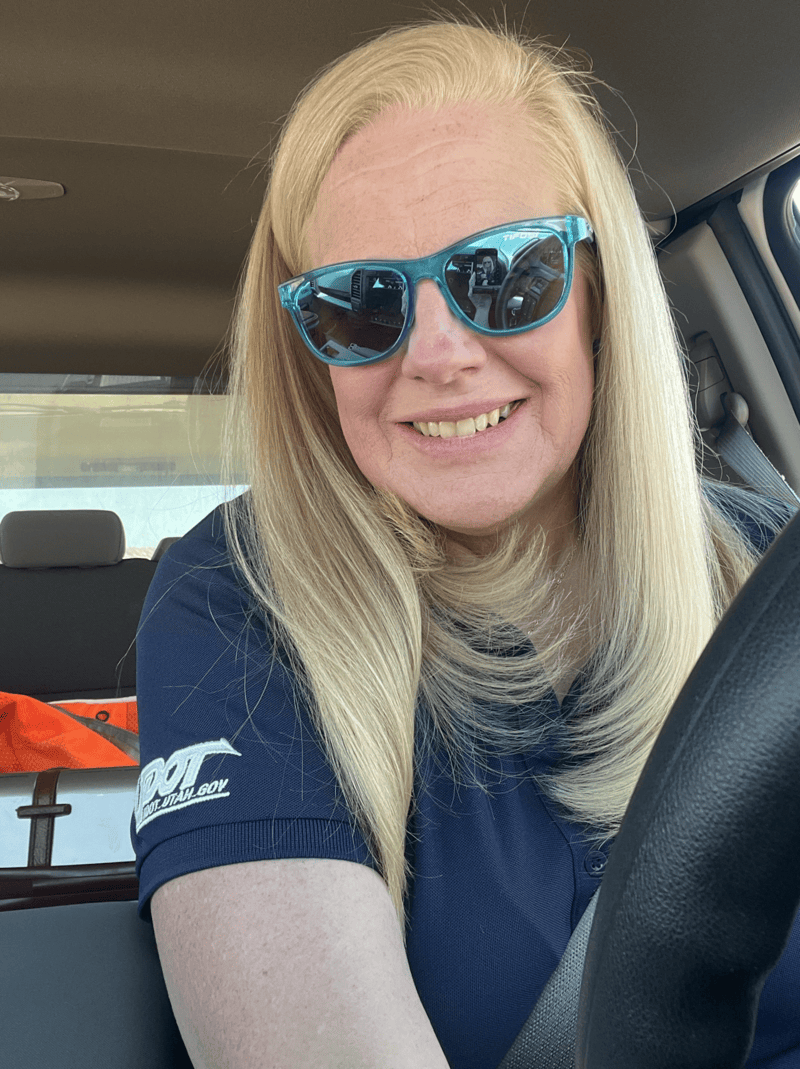
Lynne Yocom with members of her team at UDOT
Yocom traces her own mentorship back to her mother, a strong woman committed to community service who served as a state PTA president. “Girls really need good mentors,” Yocom said, her voice filled with emotion. “My mom was the best mentor for me. She taught me how to help my community, be confident and well-spoken, and find something that you love without being afraid. She showed me all the possibilities for women.”
Today, Yocom strives to be that same guiding force for her students and for young women in tech across the state.
Building Utah’s Fiber Optic Network
As Director of Fiber Optics at UDOT, Yocom oversees the expansion of UDOT's fiber optic network, helping connect communities across the state. Her work brings high-speed internet to areas ranging from the Silicon Slopes to rural towns and Native American reservations, enabling education, innovation, and economic growth.
One of Yocom’s key skills is negotiation. “Tech, you think it’s black and white, binary… I’ve been able to do this because I like communicating with people, creating partnerships, talking about what we can do to help each other, … Let’s look at the possibilities that include all the colors instead of the impossibilities of black and white,” she explained.
Lynne Yocom, UDOT Fiber Optics Director
These skills have helped her navigate complex projects, overcome legal and cultural hurdles, and to be a part of helping bring access to technology for all Utahns.
Yocom’s projects have reached very rural communities including Utah’s Native American reservations. She described how connecting tribal lands wasn’t simply a technical challenge—it was a cultural education. Each tribe she worked with had different priorities, histories, and expectations, and none of them matched how the state normally conducts business. She learned that negotiations could pause for ceremonial events, national holidays she wasn’t familiar with, or internal decision-making processes that take time. She also had to navigate Bureau of Indian Affairs rules, which are designed to protect tribal lands and sovereignty. “You have to do your homework,” she said. “You have to understand the land you’re on, what the right-of-way means, and what their needs are.” The most important lesson: trust is earned slowly, but it lasts.
“The tribes in Utah have a strong connection to their land so you have to problem-solve and negotiate differently,” she said. By understanding the culture and the community’s needs, Yocom has helped expand fiber optic coverage to places like Moab, Aneth, Monument Valley, and other rural areas, creating real opportunities for students and local residents.
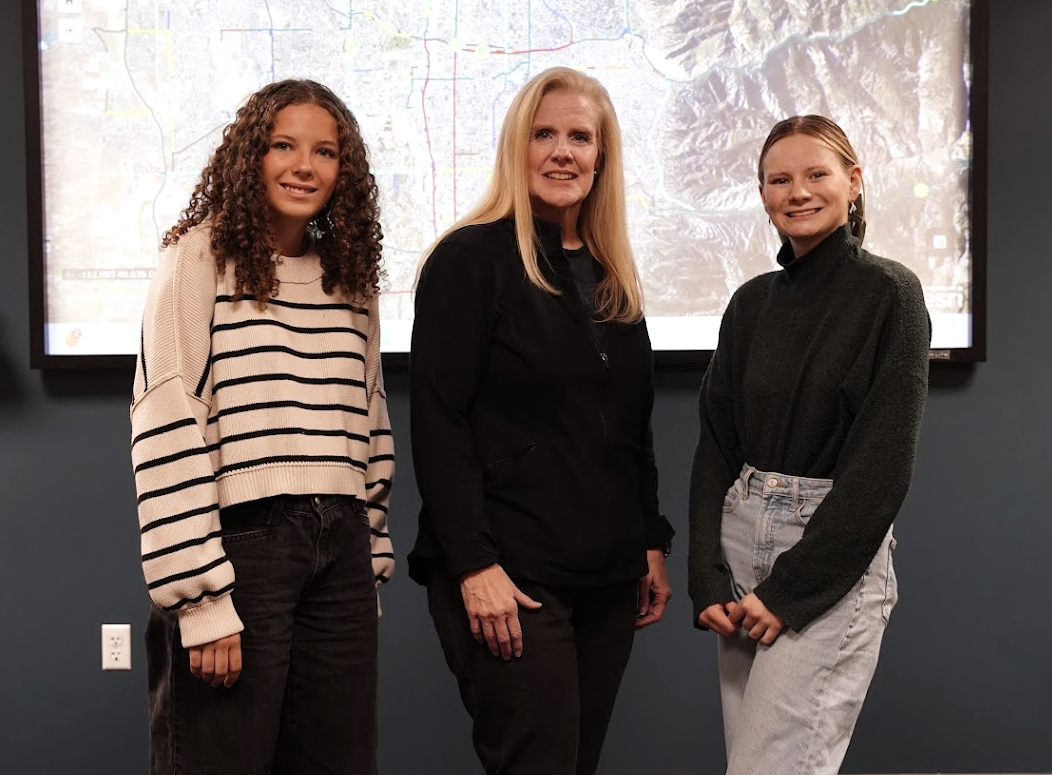
Inga Wilkowske, Lynne Yocom, and Brielle Schwendiman with one of the UDOT traffic maps at the Utah Department of Transportation Region Three office in Orem, Utah
Recognition and Lasting Impact
Yocom’s work has earned statewide recognition, including the 2025 Public Sector Innovator Award. Her efforts provide powerful internet access for medical, engineering, and software development industries in urban areas, and essential educational resources in rural communities and on reservations.
By combining technical skill, negotiation, and a deep commitment to mentorship, Yocom has created her own form of art—one that benefits the entire state.
From her early love of art to her groundbreaking work in fiber optics, Yocom shows that passion and dedication can transform communities. “The only way to do great work is to do what you love,” she said. Through mentorship, technology, and creative problem-solving, Yocomƒ has built a legacy that will inspire Utahns for generations.
Lynne Yocom was recognized as a 2025 Public Sector Innovator at the Women Tech Awards for her leadership in connecting Utahns through technology and mentorship, Grand America, October 2025
Yocom’s Advice for the Next Generation
Don’t be afraid to explore your path—and don’t be afraid to change it. “I switched careers very abruptly from a career I loved,” Yocom said. She believes it’s important to be brave with your life and open to unexpected opportunities.
Know your worth. Yocom once went directly to her city to request funding for a project she believed would benefit her community. Understanding her own value gave her the confidence to lead, build, and contribute in meaningful ways.
Don’t underestimate people—or yourself. “One of the greatest lessons I learned as a teacher was to never underestimate a student,” she said. Over the years she saw that every person has a strength or talent that can be developed and put to use.
Understand where people are coming from. Empathy and perspective matter, whether you’re solving a technical problem or working with a new community.
Any amount of education is significant. “It took me 12 years to get my degree, but with every class I took, I gained more skills and knowledge.” Yocom originally took college courses to improve in her job, eventually earning a degree from Utah Valley University. She emphasized that even a single class can help you grow in your career and life.
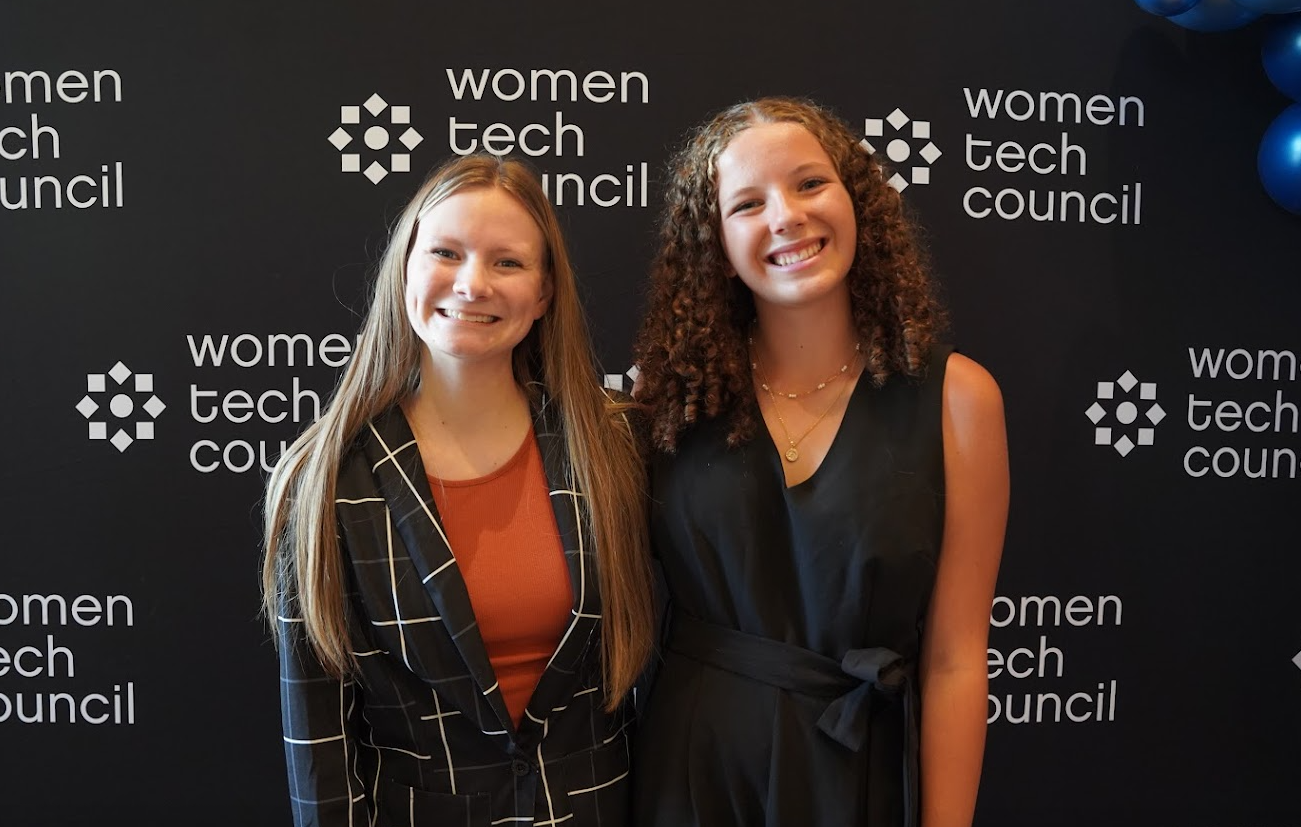
Brielle Schwendiman and Inga Wilkowske, 2025 SheTech Media Interns
Inga Wilkowske is a sophomore at Grand County high school, a SheTech student board member, and a SheTech-TechBuzz media intern. Born and raised in the red rock landscape of Moab, Utah, Inga enjoys spending time outside and participating in extracurriculars like DECA, NHS, Science Olympiad, and girls tennis.
SheTech-TechBuzz Media intern, Brielle Schwendiman is an aspiring author and artist, interested in going into the Tech Field as a Video Game Designer. She’s currently enjoying her senior year at Alpine District’s American Fork High School.
Through the SheTech Media Internship with TechBuzz News, Inga and Brielle sit down with, interview and write about Women Tech Awardees. Their reporting is published on TechBuzz News, Silicon Slopes, and other media outlets.
Share this article
The link has been copied!
Your link has expired. Please request a new one.
Your link has expired. Please request a new one.
Your link has expired. Please request a new one.
Great! You've successfully signed up.
Great! You've successfully signed up.
Welcome back! You've successfully signed in.
Success! You now have access to additional content.