Noorda College of Osteopathic Medicine Partners With Matic to Embed AI Clinical Workflows Into Curriculum
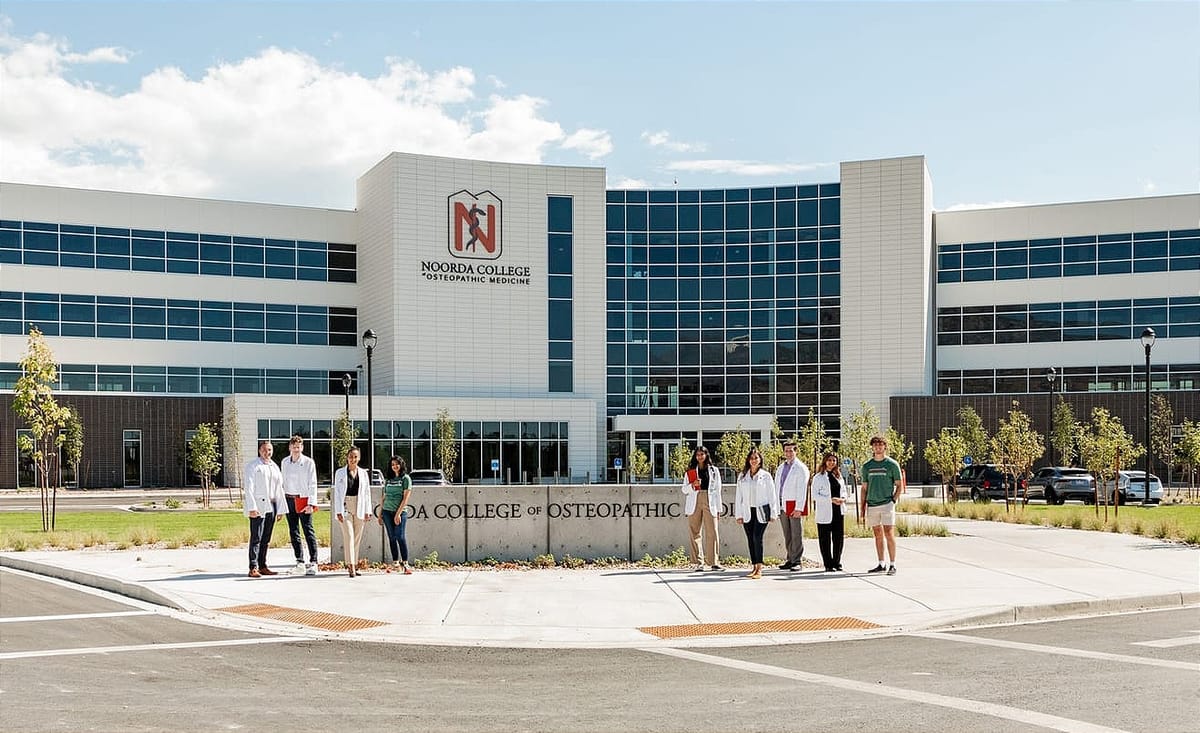
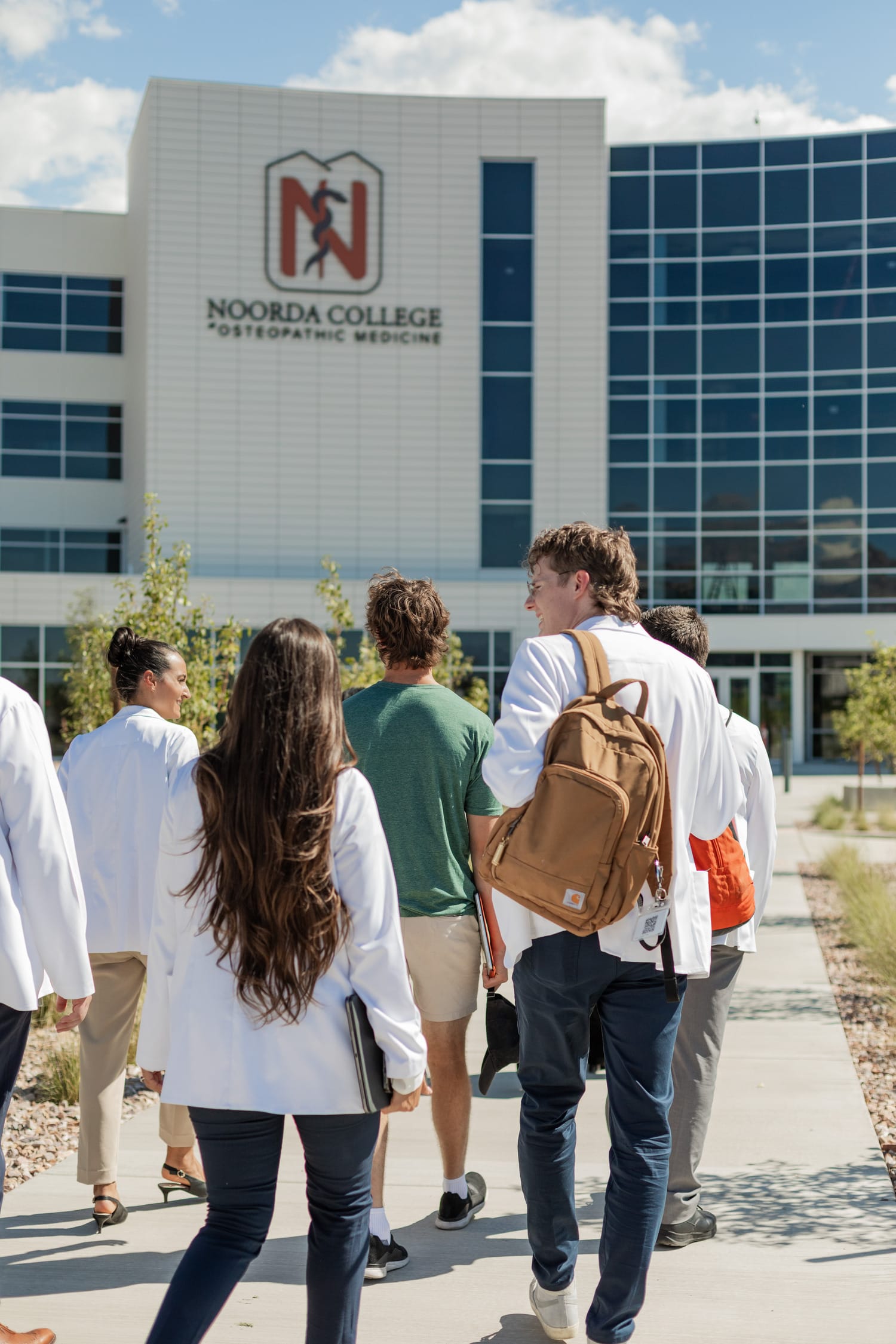
Noorda College of Osteopathic Medicine (Provo, UT) has partnered with Matic (Dallas, TX) to embed AI-driven documentation and care-to-collection workflows into medical training, giving students hands-on experience inside real-world EHR environments before residency.
Noorda College of Osteopathic Medicine, headquartered in Provo, Utah, is integrating AI-driven clinical documentation and workflow tools into its medical curriculum through a new partnership with Dallas-based Matic.
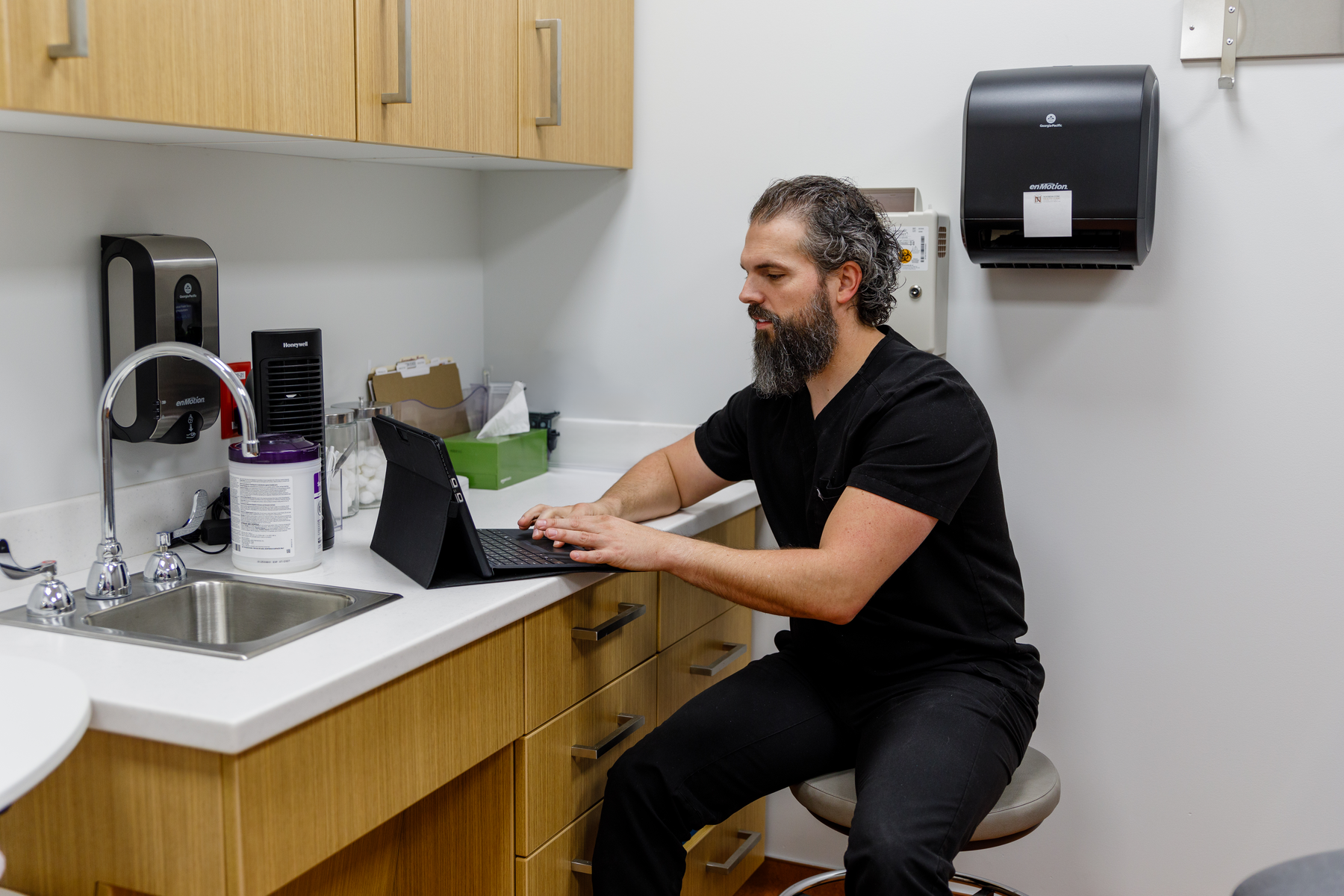
Students will train on Scribematic, Matic’s AI-native documentation platform, embedded directly inside real-world electronic health record (EHR) workflows used across the school’s clinical network, including Athena-based practices. The goal is practical exposure: learning how AI-assisted documentation, coding, and downstream workflows function in live clinical environments.
Moving Beyond Ambient Scribes
Unlike standalone transcription tools, Matic positions its platform as “care-to-collection” infrastructure — connecting encounter documentation to summaries, coding, and operational workflows. Students will be able to compare their own documentation against AI-supported notes and identify gaps in clinical reasoning, compliance, and narrative clarity.
Noorda-COM evaluated multiple AI documentation tools before selecting Matic. According to the school, key criteria included:
Native integration inside existing EHR workflows
Support across specialties and languages
Reinforcement of clinical reasoning, not just note completion
Long-term usability from rotations through residency
Demonstrated real-world performance
Matic was recently recognized by KLAS Research as an Emerging Company in AI-driven clinical documentation, based on verified clinician feedback. Noorda cited that validation as part of its decision-making process.
Built Inside the School
The partnership carries internal significance. Matic was founded by Dr. Alex Sheppert, who began developing Scribematic during his clinical rotations as a Noorda-COM medical student. The company’s broader platform now includes additional workflow modules for clinical summaries, coding alignment, care coordination, and inbox management.
Preceptors Get Access
Community physicians who serve as clinical preceptors for Noorda students will also receive access to Scribematic. That ensures students and supervising physicians are using the same documentation framework during rotations.
The Bigger Picture
AI documentation tools are rapidly entering clinical practice. Noorda’s approach is to introduce those systems during training rather than leaving first exposure to residency or early practice.
Instead of teaching students how to use a standalone AI scribe, the school is embedding AI directly into clinical workflows, while maintaining that diagnostic reasoning and medical judgment remain physician-led.