Lessons from the Front Lines: Leaders Share Hard-Won Insights at the 2026 Wilson Sonsini Entrepreneur & Investor Life Sciences Summit
Industry leaders at the 2026 Wilson Sonsini Entrepreneur & Investor Life Sciences Summit shared insights on building biotech companies, emphasizing disciplined decision-making, execution, team building, humility, and a mission-driven focus on improving human health.
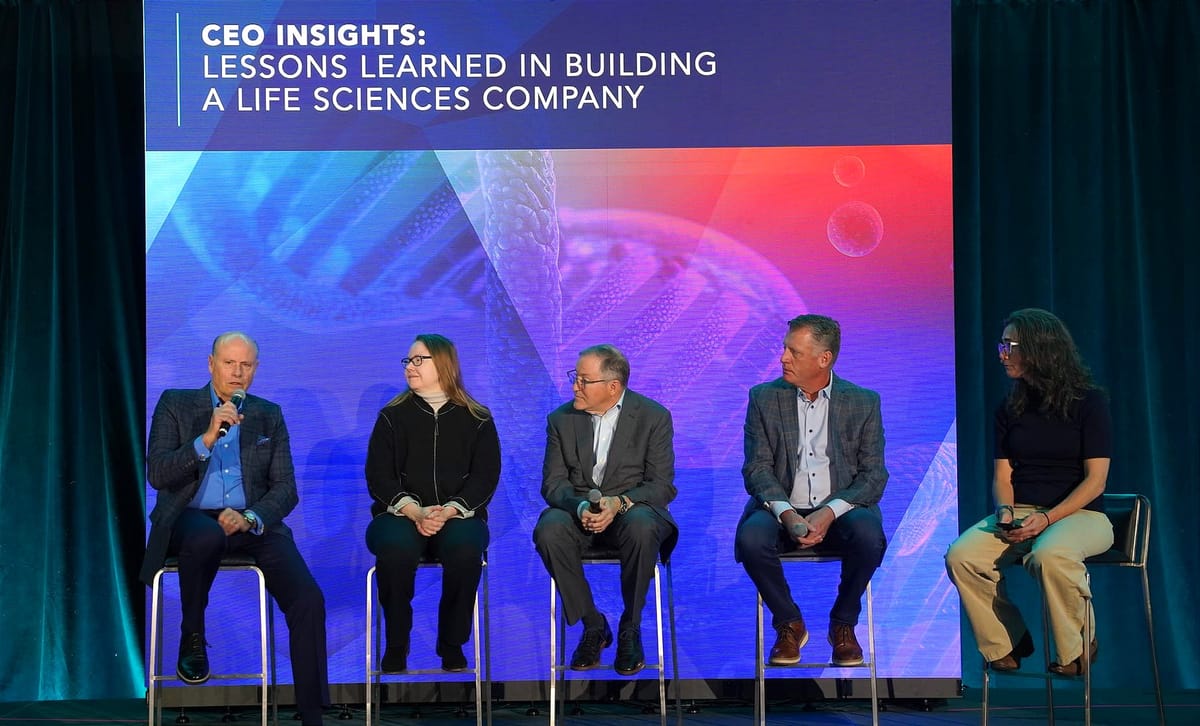
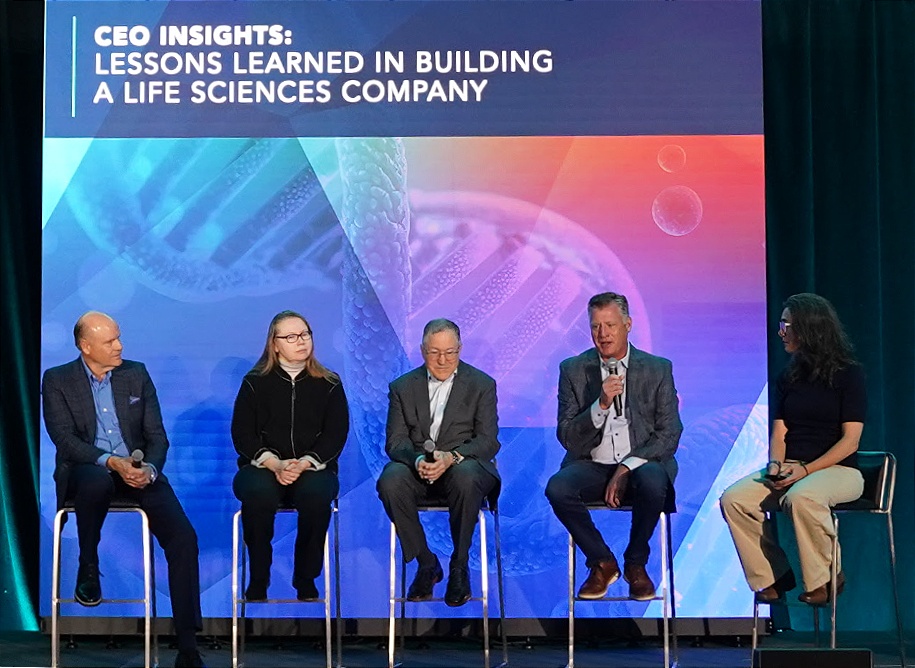
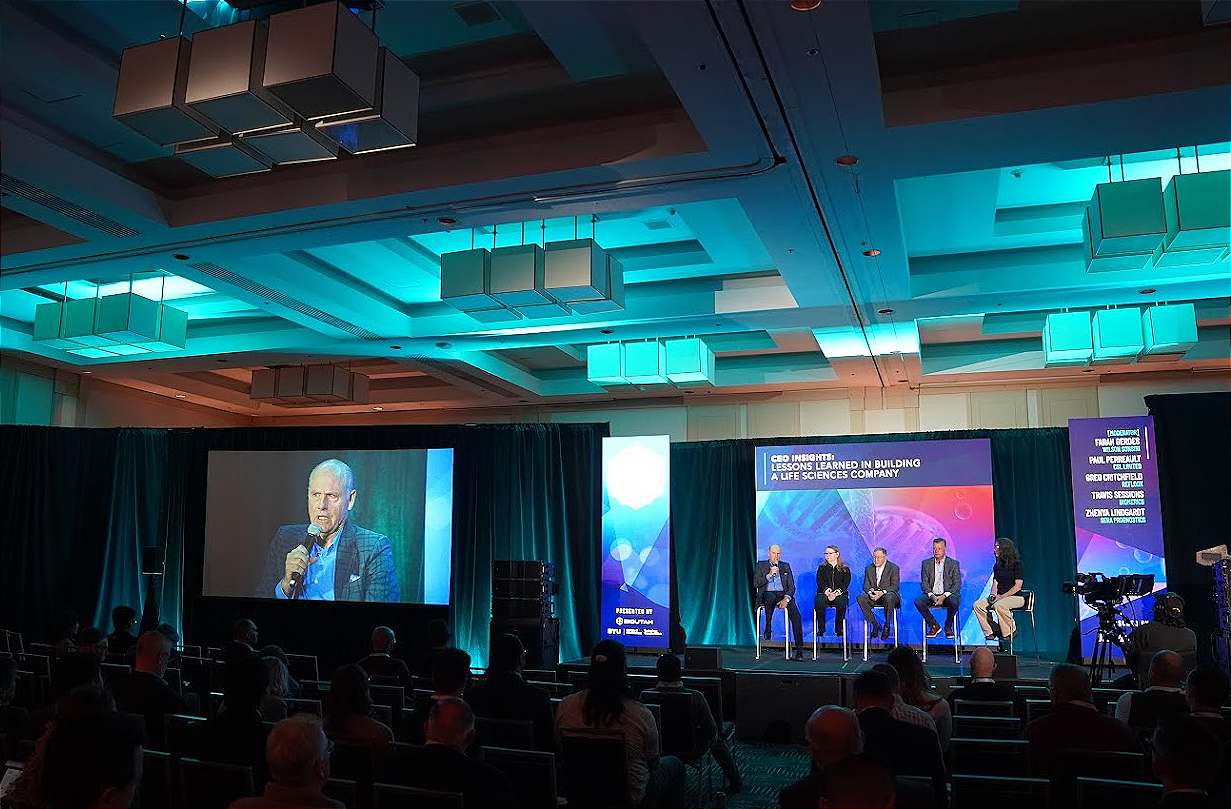
Paul Perreault, Zhenya Lindgardt, Greg Critchfield, Travis Sessions, and panel moderator Farah Gerdes at the opening session of the 2026 Wilson Sonsini Entrepreneur & Investor Life Sciences Summit, Salt Lake City Hilton, March 12, 2026
Paul Perreault, Zhenya Lindgardt, Greg Critchfield, Travis Sessions, and panel moderator Farah Gerdes at the opening session of the 2026 Wilson Sonsini Entrepreneur & Investor Life Sciences Summit, Salt Lake City Hilton, March 12, 2026
Salt Lake City, Utah — March 12, 2026
The 2026 Wilson Sonsini Entrepreneur & Investor Life Sciences Summit opened in Salt Lake City with a panel that set a pragmatic and candid tone for the conference: what it really takes to build and lead a successful life sciences company.
Hosted at the Salt Lake City Hilton on March 12–13, the Summit has become Utah’s premier event for connecting life sciences companies with investors, featuring panels, presentations, and a Shark Tank–style pitch competition where startups present their innovations to a panel of judges and potential backers. An optional ski day and luncheon at Snowbird took place on second day of the summit.
Sponsored by BioUtah and the BYU College of Life Sciences, the Summit gathered entrepreneurs, investors, and industry leaders to explore the pathways that transform life sciences innovations from early ideas into commercially viable solutions. Across the wide-ranging discussion, panelists returned repeatedly to several core themes: disciplined decision-making, humility in leadership, building strong teams, and maintaining focus on the industry’s larger mission of improving human health.
The opening session, titled “Lessons Learned in Building a Life Sciences Company,” brought together experienced leaders from across the biotechnology sector. Panelists included Greg Critchfield, chair and CEO of RefloDx, Inc.; Zhenya Lindgardt, CEO of Sera Prognostics; Paul Perreault, retired and seasoned CEO and strategic advisor to multiple life science companies, including CSL Limited; and Travis Sessions, CEO of Biomerics.
The discussion was ably moderated by Farah Gerdes, a partner at Wilson Sonsini.
Hard decisions define leadership
For many biotech leaders, one of the most difficult parts of the job is deciding when to abandon a project. Lindgardt described leadership as akin to managing an investment portfolio. CEOs must continually evaluate which programs deserve continued investment and which should be terminated.
“Companies fall in love with ideas and opportunities,” she said. “But knowing when to call it and cut the cord is one of the hardest decisions.”
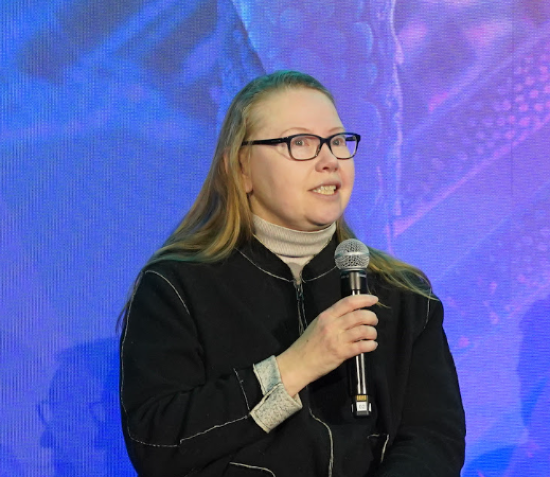
Zhenya Lindgardt, CEO, Sera Prognostics
In research-driven companies, projects often carry emotional weight for teams that may have invested years in their development. Yet failing to terminate unsuccessful programs early can drain both capital and organizational focus.
“One lesson I’ve learned is that as soon as you know you need to call it, just cut the investment,” Lindgardt said. “You have to think about capital allocation as a portfolio and constantly monitor what will succeed and what won’t.”
Survival in the early stages
If difficult decisions are universal for leaders, early-stage companies face a more fundamental challenge: survival. Critchfield noted that the greatest risk for young biotech firms is simply running out of funding before they reach meaningful milestones.
“In the early stages, the biggest challenge is not running out of money,” he said. “You have to convince people that what you have will work.”
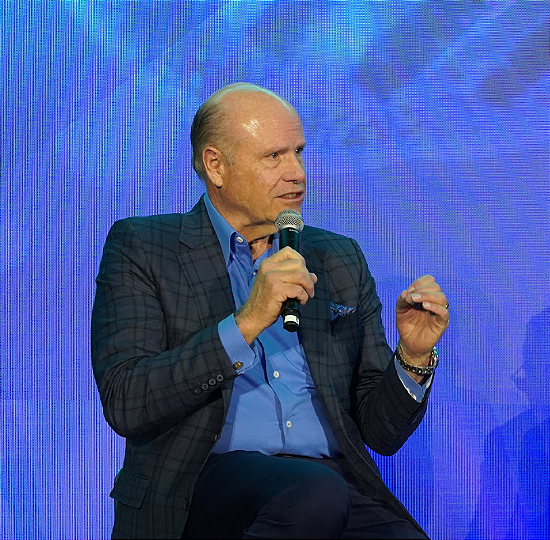
Greg Critchfield, Chair and CEO, RefloDx
Raising capital requires persistence. Promising technologies often encounter skepticism from investors who must evaluate numerous opportunities while managing risk.
“You can’t be discouraged,” Critchfield said. “You have to push forward through questions and opposition.”
Clear communication is critical. CEOs must ensure that investors, employees, and collaborators understand both the scientific vision and the strategy behind it.
“Everybody has to be on the same page,” he said.
Leadership requires both inspiration and management
Perreault, who spent nearly five decades in the pharmaceutical and biotechnology industries, reflected on what distinguishes strong leadership from simply holding the CEO title.
“Everybody wants to be an inspirational leader,” he said. “But a lot of people don’t want to manage anything.”
Effective leaders must combine inspiration with disciplined management. Strategy and vision matter, but organizations also require accountability and operational focus.
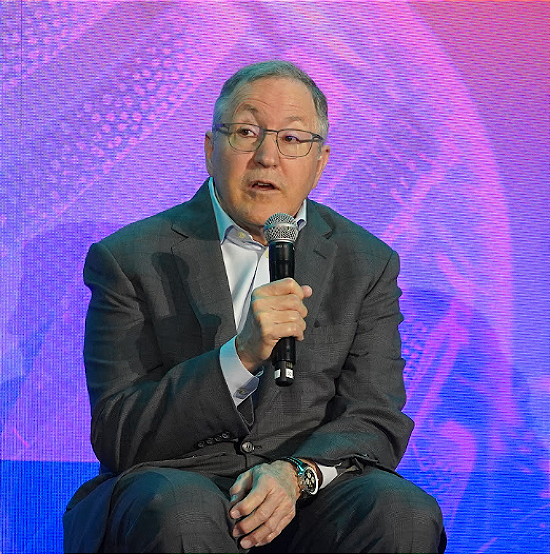
Paul Perreault, former CEO of CSL; Co-Founder of Park City Bio; and strategic advisor to multiple medtech, biotech and phamaceutical companies
“If you manage the right way, people will go through the wall for you,” Perreault added.
Humility also plays an important role. Leaders who assume their authority makes them infallible risk undermining both culture and decision-making.
“When you’re CEO, suddenly everybody thinks you’re the funniest guy in the room,” he joked. “My wife tells me that’s not true.”
Leadership, Perreault emphasized, is a role rather than a personal identity.
“Being CEO is your job,” he said. “It’s not who you are.”
Execution matters more than ideas
Sessions reinforced the importance of execution over inspiration alone.
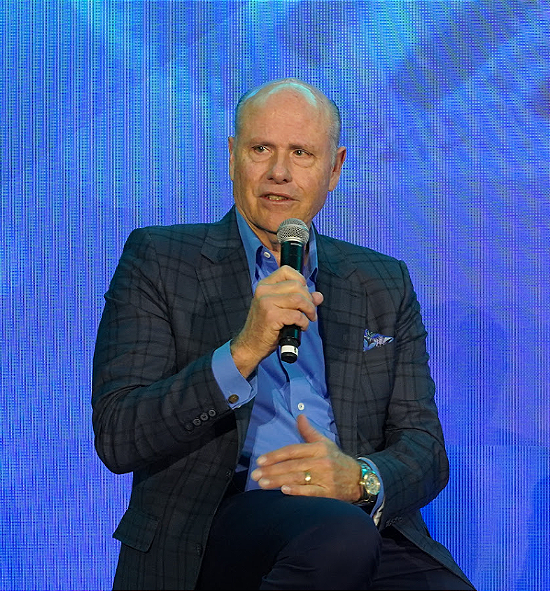
“I always tell people ideas are cheap,” he said. “Maybe they’re worth two percent of a company.”
Paul Perreault, Zhenya Lindgardt, Greg Critchfield, Travis Sessions (speaking), and panel moderator Farah Gerdes, 2026 Wilson Sonsini Entrepreneur & Investor Life Sciences Summit Opening Session, Salt Lake City Hilton, March 12, 2026
What creates real value is translating ideas into strategy and operational results.
“A real CEO can take an idea, set the vision, build consensus around that vision, turn it into strategy, and then execute,” Sessions explained.
Management, he added, accounts for the majority of a company’s success.
“Sixty percent of success is management,” he noted.
That responsibility requires constant awareness of changing markets, technologies, and opportunities.
“You have to keep your head on a swivel,” Sessions declared. It was advice other panelists echoed throughout the session.
Building the right team
Panelists repeatedly emphasized that the people a company hires may be the most important decisions a CEO makes.
Critchfield stressed that the early team can shape a company’s long-term trajectory.
“The first 25 people you hire will determine the future of your company,” he said.
Successful companies depend on individuals whose expertise complements the leader’s capabilities and expands the organization’s knowledge base.
“You want the smartest people possible,” Critchfield added. “People who can complement what you have.”
External relationships are equally important. Collaborations with clinicians, regulators, and industry partners often play a crucial role in advancing medical innovations.
“One piece of advice I received early in my career still resonates,” he stated. “A company wants to accumulate friends, because enemies accumulate on their own.”
The panelists nodded in agreement.
Lindgardt added that many valuable insights come from employees deeper within organizations rather than only from senior leadership.
“It’s critical to talk to people several layers down,” she said. “A lot of expertise and perspective lives there.”
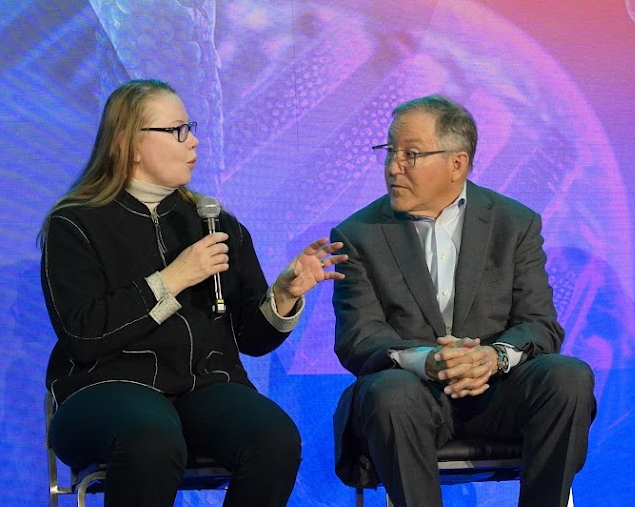
Zhenya Lindgardt and Greg Critchfield
Motivation rooted in mission
Despite the financial pressures and operational complexity of biotechnology companies, panelists emphasized that the industry’s broader mission remains a powerful motivator.
Critchfield described the opportunity to improve human health as a compelling reason to continue working in the field.
“If you see a problem, know the solution, and know how to do it, then you have a responsibility to pursue it,” he said.
Sessions framed leadership in similar terms.
“As CEO, who is going to care more about your people than you?” he asked. “The bank won’t. Investors won’t.”
Building a strong culture where employees feel connected to the mission can sustain organizations through difficult periods.
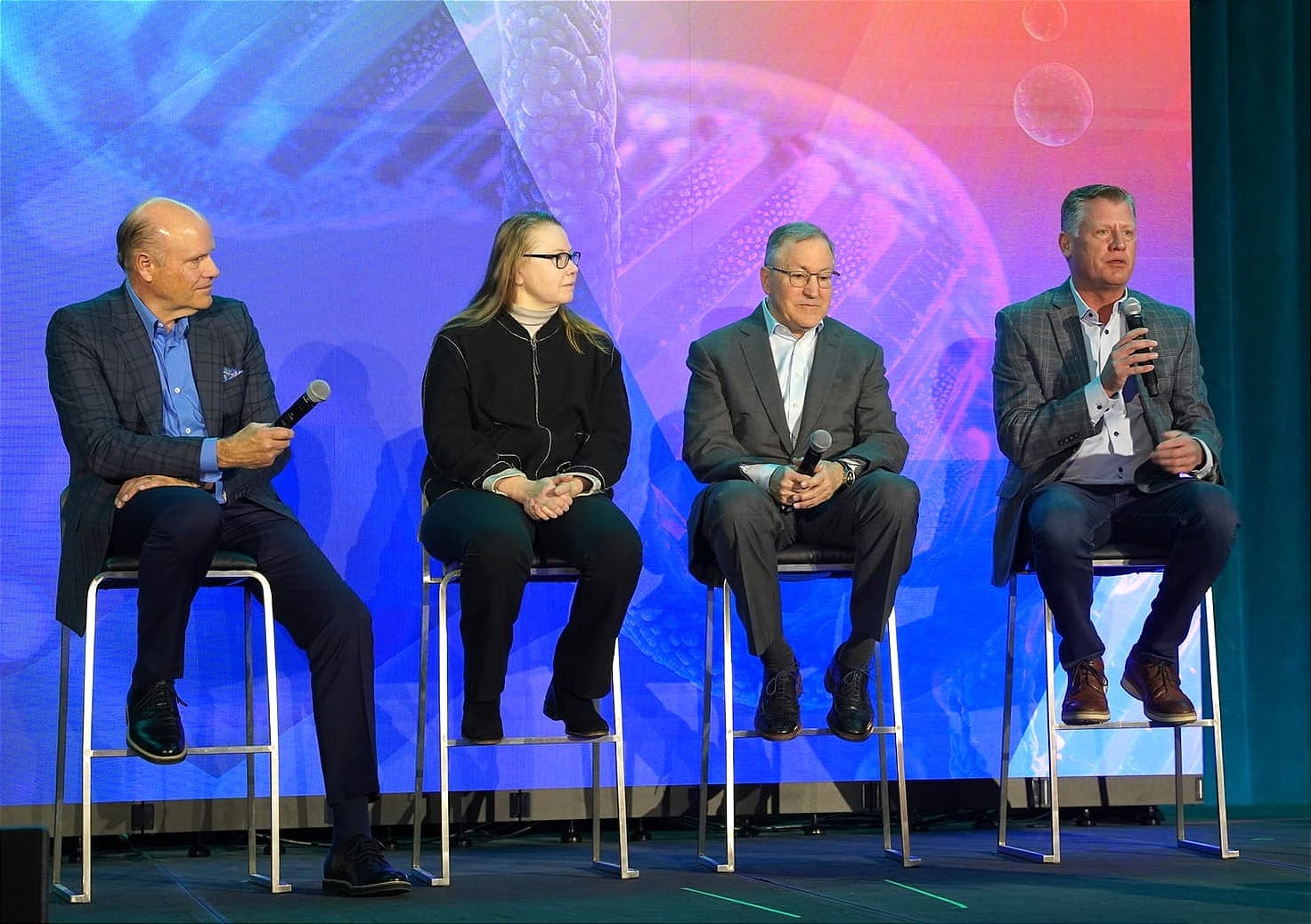
Paul Perreault, Zhenya Lindgardt, Greg Critchfield, and Travis Sessions
Managing the pressures of leadership
While much of the discussion focused on strategy, panelists also acknowledged the personal pressures of leadership roles.
Running a biotechnology company can be isolating, particularly for CEOs who must make difficult decisions affecting employees, investors, and patients.
“It’s lonely at the top,” Sessions lamented. “There’s not an internal shoulder to cry on.”
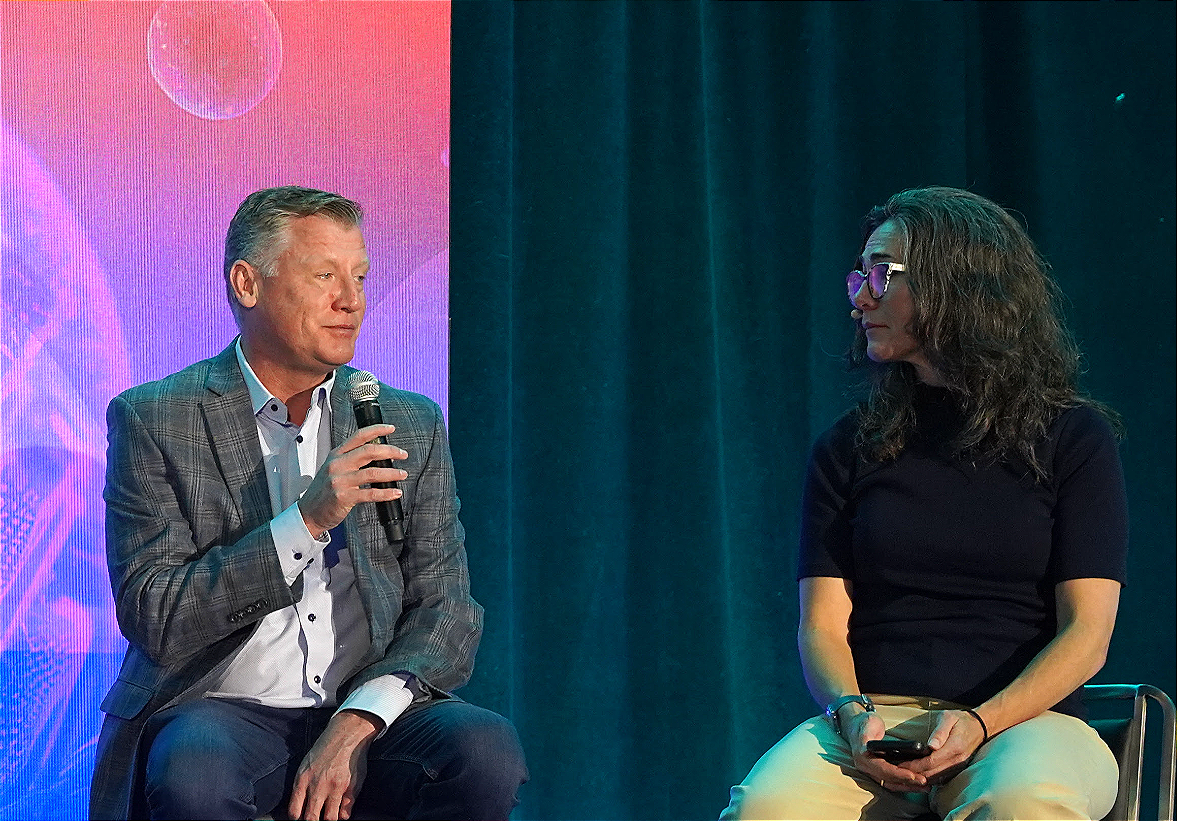
Travis Sessions and panel moderator Farah Gerdes
Perreault advised leaders to build trusted networks outside their companies where they can speak openly.
“Sometimes you just need somebody to listen,” he said.
Reflecting on his own experience, Perreault said one of the most surprising aspects of becoming CEO was realizing how closely others watch a leader’s words and actions.
“When you walk into a room and you’re the CEO, people are listening,” he explained. “They take everything you say as a call to action.”
That influence requires careful communication and self-awareness.
Utah’s expanding life sciences ecosystem
Looking toward the future, the panelists expressed optimism about the growth of the life sciences sector in Utah.
Sessions described the state as uniquely positioned for continued expansion.
“I don’t think we’ve ever been in a better position from a business standpoint, a talent standpoint, and an environment standpoint to be in this industry,” he said.
Critchfield agreed, noting the increasing maturity of the region’s ecosystem and the growing number of companies and skilled employees.
“It’s exciting to see the maturity that’s being built in life sciences in Utah,” he added.
Perreault, who moved to the state in 2017, said he was struck by the breadth of innovation occurring in the region.
“When I started talking to people here, it was amazing to me all the things that were happening,” he said.
The next step, he suggested, is ensuring that the broader industry recognizes Utah’s growing role in biotechnology.
“We need to get the word out,” Perreault advised the audience.
Innovation with purpose
In his closing remarks, Perreault returned to what he described as the fundamental purpose of the life sciences industry.
“Work every day like somebody’s life depends on it,” he said. “Because it does.”
Financial performance and company valuations may attract the most attention, but they ultimately serve as indicators of whether organizations are fulfilling their mission.
Paul Perreault
“If you do the right things for the right reasons, the scoreboard will take care of itself,” he said.
For the entrepreneurs and investors attending the Summit, the panel’s message was clear: building successful life sciences companies requires disciplined leadership, strong teams, and a relentless commitment to improving human health.
And along the way, Perreault added, leaders should not forget one final piece of advice.
“Have fun,” he said. “Life’s hard enough already.”
Opening Panel: Paul Perreault, Zhenya Lindgardt, Greg Critchfield, and Travis Sessions, with moderator Farah Gerdes at the opening session of the 2026 Wilson Sonsini Entrepreneur & Investor Life Sciences Summit in Salt Lake City, March 12, 2026
Share this article
The link has been copied!
Your link has expired. Please request a new one.
Your link has expired. Please request a new one.
Your link has expired. Please request a new one.
Great! You've successfully signed up.
Great! You've successfully signed up.
Welcome back! You've successfully signed in.
Success! You now have access to additional content.