Making Health Monitoring Simple: SheTech Interns Interview Mou Nandi
Monere (Lehi, UT) CEO Mou Nandi transforms anemia screening with a smartphone app, blending AI and accessibility. Her story highlights innovation, resilience, and inspiring guidance for young women pursuing STEM and health technology.
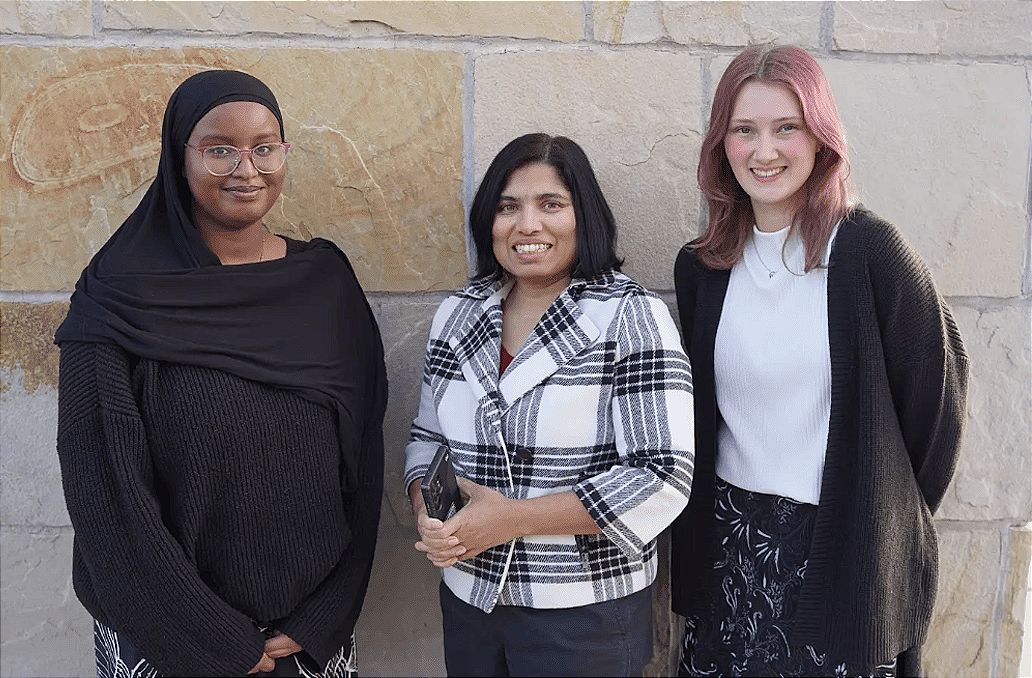
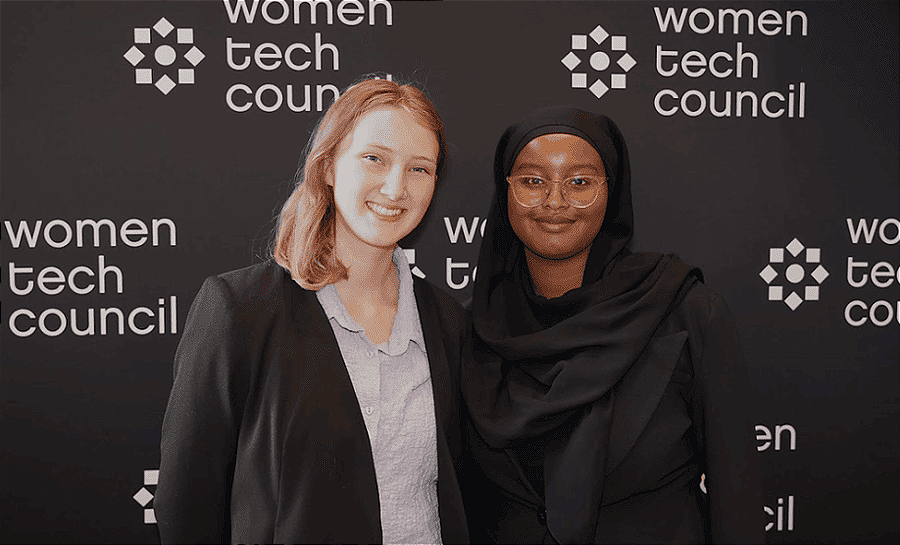
SheTech - TechBuzz media interns Najma Ahmed and Agatha Hunnicutt with Mou Nandi
SheTech - TechBuzz media interns Najma Ahmed and Agatha Hunnicutt with Mou Nandi
Lehi, Utah — March 17, 2026
“You get one life, and you have to enjoy it.” That’s how Mou Nandi, explains what drives her. For Nandi, it’s not about titles or prestige, it’s about solving real problems. One of the biggest, most overlooked issues in global health is anemia. Monere, her Lehi-based health tech company, uses AI and smartphones to make anemia screening simple and accessible.
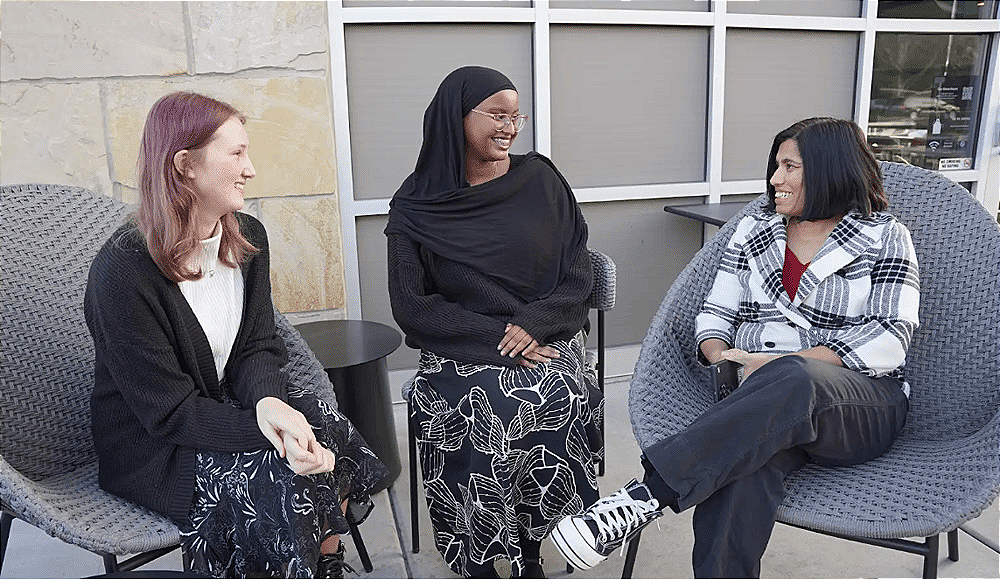
SheTech - TechBuzz media interns Agatha Hunnicutt and Najma Ahmed sit down to interview Mou Nandi.
Nandi’s background is in computer engineering, but she’s applied her skills across healthcare, education, and legal tech. She started in the mid-2000s building mental health apps, then moved to HP and later NetDocuments, where she helped create systems that could understand huge amounts of text. “Search is the gateway,” she explained, referring to how these early projects laid the foundation for her later work in AI and machine learning.
Her mission became personal when two close friends were affected by anemia. One even needed a blood transfusion after dismissing warning signs like fatigue and dizziness. “You shouldn’t have to wait until you collapse,” Nandi said. That’s why she created Monere.
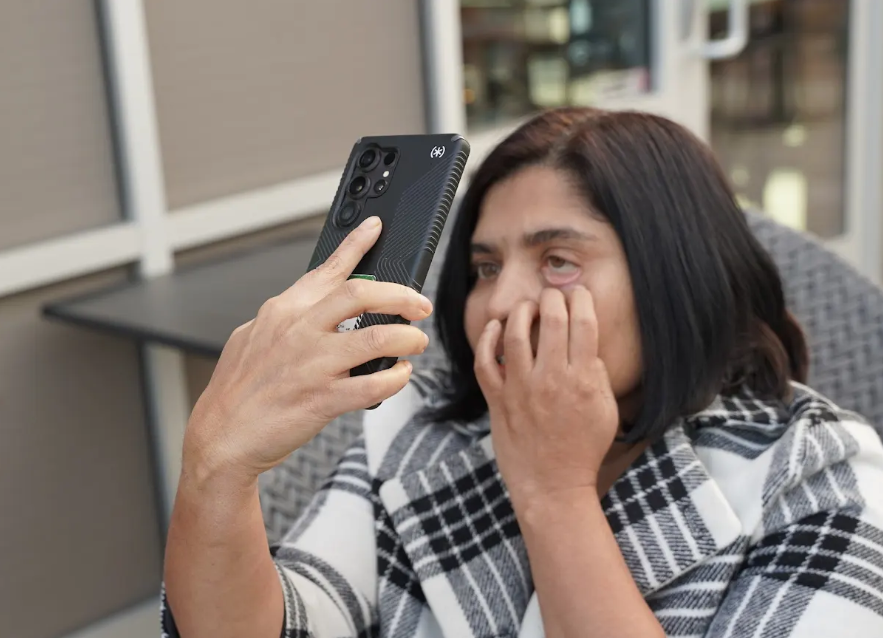
Mou Nandi uses her phone to take a photo of her undereye, demonstrating taking an iron assessment through the Monere app.
The app is simple to use: it analyzes a photo of the inside of a user’s eyelid to track hemoglobin trends over time. No special equipment is needed. It doesn’t replace doctors; it makes screening easier and earlier, giving people a chance to catch anemia before it becomes dangerous.
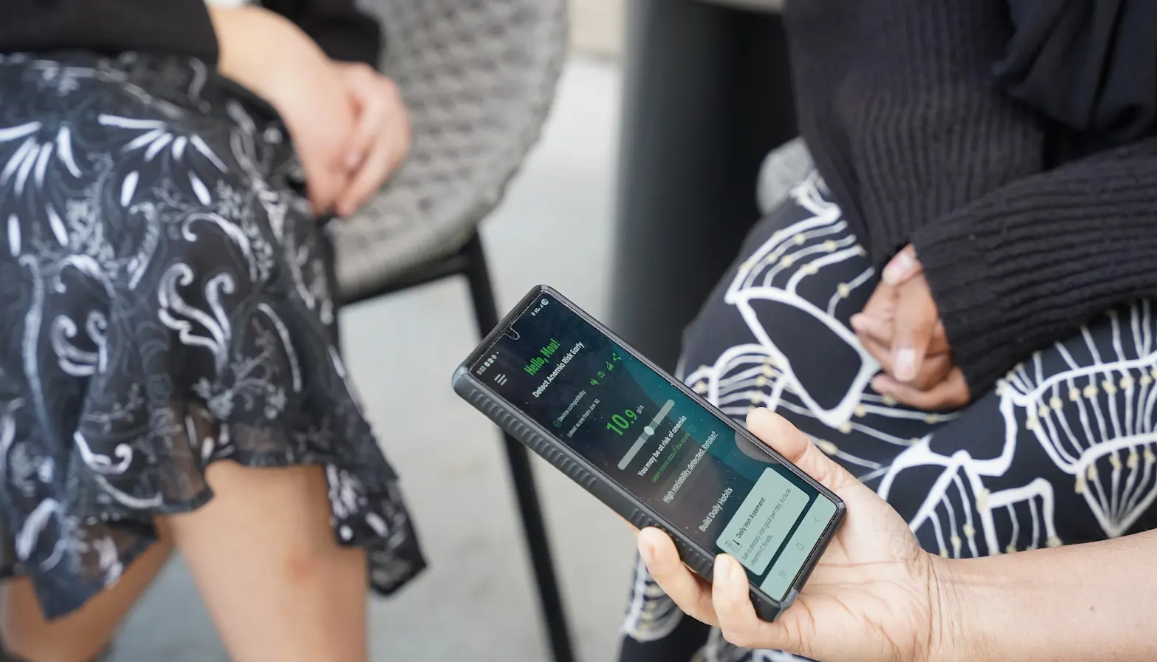
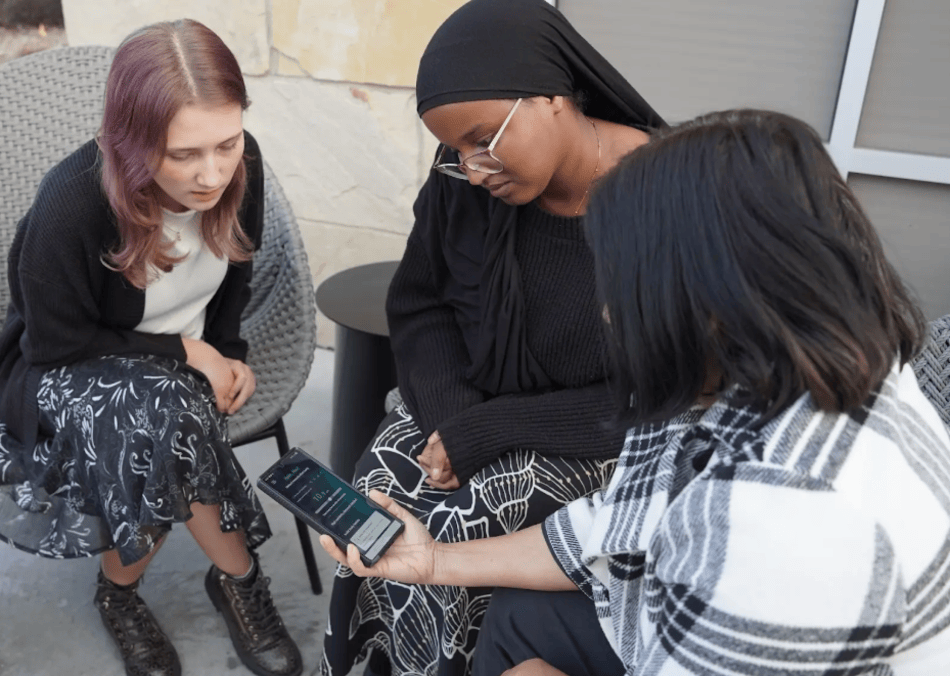
Mou Nandi showing her iron assessment app, Monere, to SheTech TechBuzz media interns Agatha Hunnicutt and Najma Ahmed.
Anemia affects over two billion people worldwide, especially women and children. In the United States, heavy menstrual cycles are a leading cause, and female athletes are particularly at risk because their bodies require more oxygen. Hemoglobin carries oxygen through the bloodstream, and low levels can lead to long-term health problems. Anemia is also connected to maternal mortality and child development.
Mou Nandi shows SheTech interns how the Monere app works on her phone, demonstrating how a simple photo can help monitor hemoglobin levels and make anemia screening more accessible.
Monere first focused on global health organizations, completing over 82,000 screenings worldwide. The company has sold more than one million tests and is running studies in the U.S., Canada, Brazil, Nepal, and India. When global health funding declined in 2025, Nandi’s team pivoted, creating an app anyone could download. “You have to understand how people use your product,” she said.
Nandi grew up in India, earned her engineering degree there, and later completed a master’s in the United States. She spent nearly 12 years at NetDocuments under leadership that trusted her. Now she leads Monere in the same way. She also runs the Knowledge Democracy Collective, a nonprofit inspired by educator Paulo Freire, which builds tools like Juxtapose.life which is described on its website as “a collective space for women and minorities navigating everyday bias and inequity” and where people can share and explore local trends around experiences of unfair treatment or positivity.
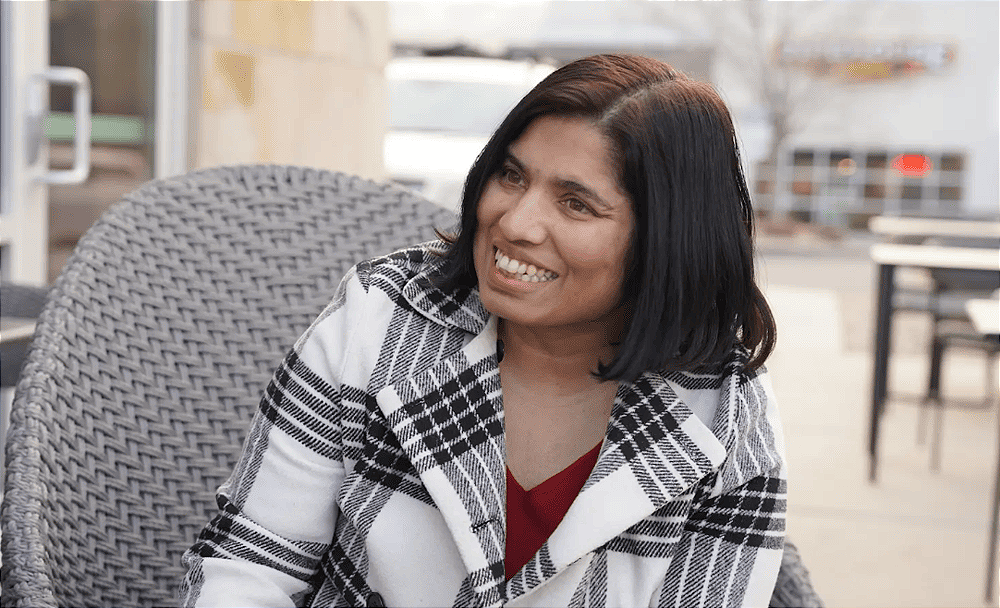
Mou Nandi, Founder and CEO, Monere
When asked what success looks like, Nandi described it as women using the app at home to monitor their health before a crisis. With most women worldwide having a smartphone, she sees that goal as achievable. Her advice to young women interested in tech and health is clear: keep learning, choose work you genuinely care about, and be willing to hustle. Startups can be financially challenging and unpredictable, but Nandi calls founding “fun” because she gets to build something that matters.
STEM can feel intimidating, but Nandi’s perspective is different. You don’t need to know everything. You just need to be willing and persistent. For high school girls interested in STEM, her story shows that dedication, curiosity, and resilience can carve a place for anyone in the industry.
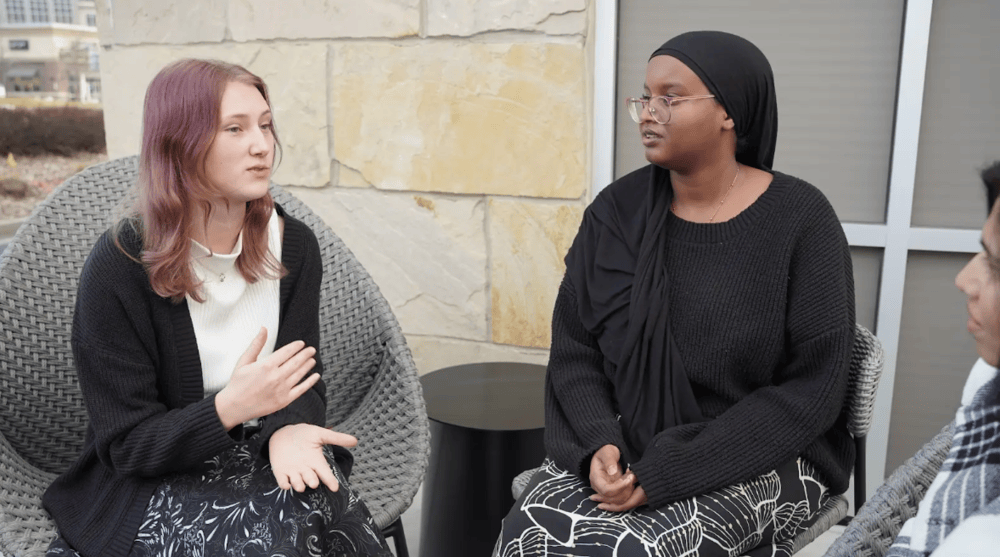
Agatha Hunnicutt and Najma Ahmed interviewing Mou Nandi in Lehi, Utah
Agatha Hunnicutt and Najma Ahmed are 2025-26 SheTech Media Interns with the Women Tech Council and TechBuzz News. Both attend West High School in the Salt Lake City School District.
Agatha Hunnicutt is a junior at West High. She is passionate about SheTech, mathematics, writing, film, and crochet.
Najma Ahmed has worked at the Natural History Museum of Utah as a Teen Explainer and Programs Assistant. She's involved in Global Diplomacy Club, High School Democrats of America, and SheTech.
Share this article
The link has been copied!
Your link has expired. Please request a new one.
Your link has expired. Please request a new one.
Your link has expired. Please request a new one.
Great! You've successfully signed up.
Great! You've successfully signed up.
Welcome back! You've successfully signed in.
Success! You now have access to additional content.