Where Aerospace Meets the Orchestra: Utah Symphony and 47G Take Innovation to the Stage
Utah Symphony’s partnership with 47G blends orchestral performance with aerospace innovation, using Carmina Burana (April 10 and 11) to connect culture, technology, and community while opening a window into Utah’s rapidly growing deep tech ecosystem.
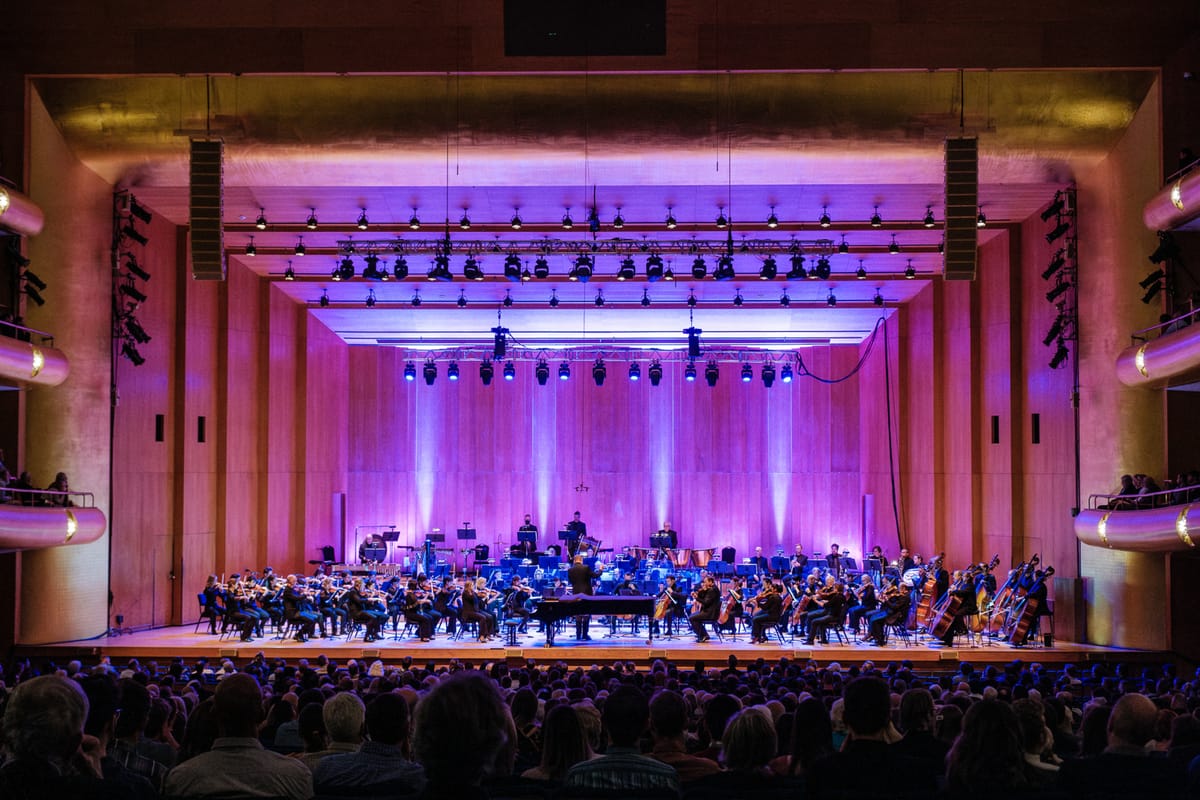
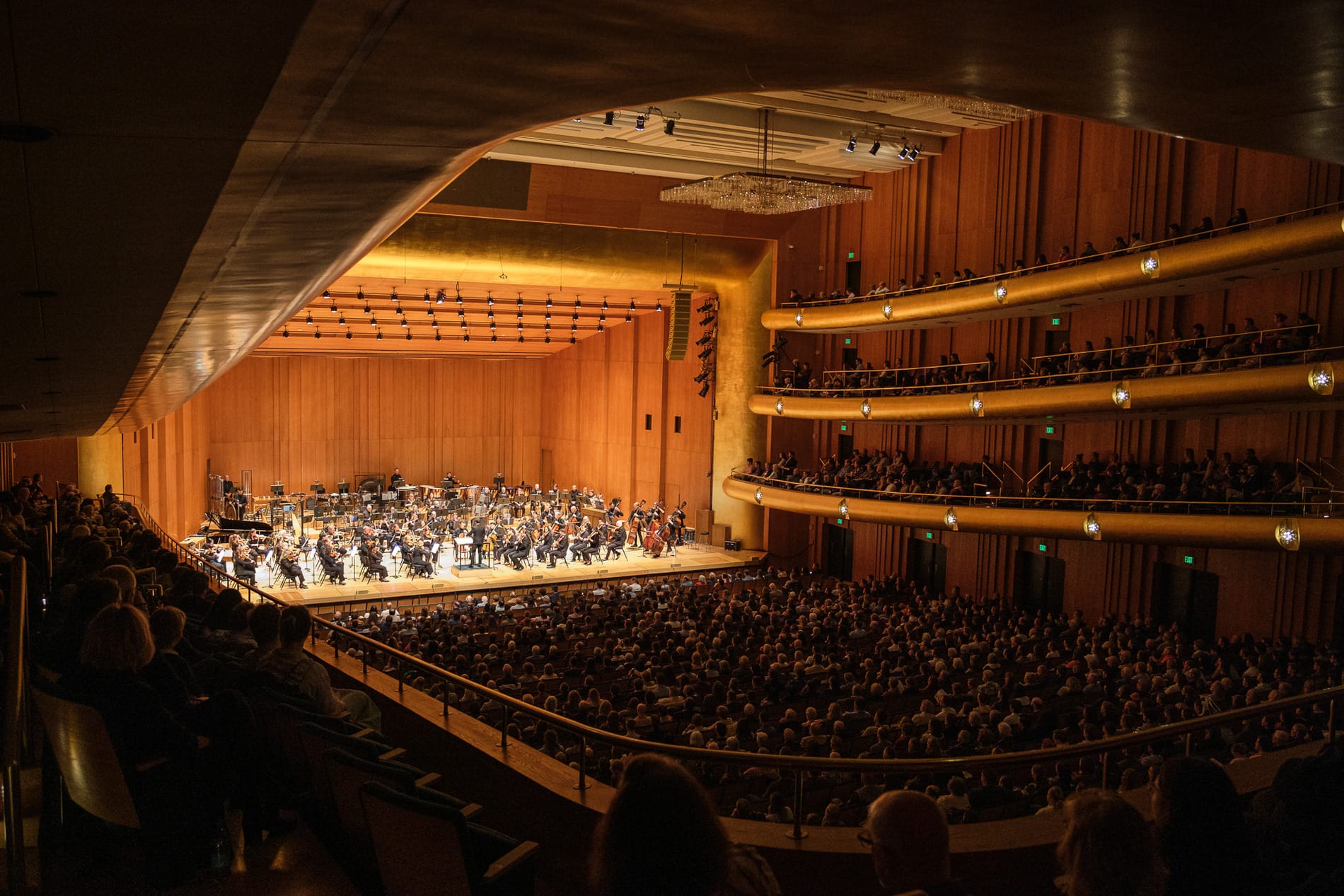
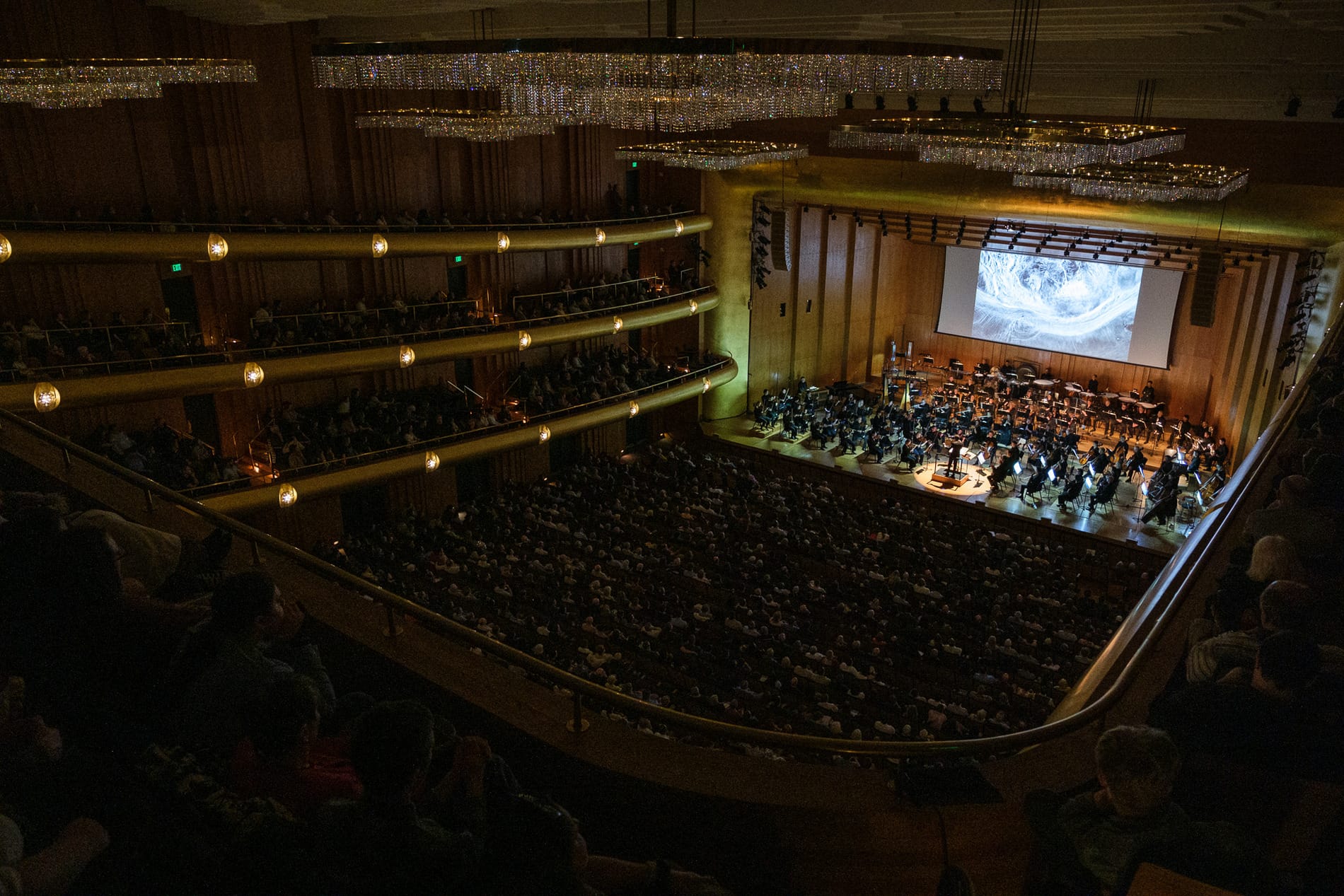
On most nights, the audience at Utah Symphony gathers for sublime, elevating music. On April 10 and 11, they’ll also get a front-row seat to one of Utah’s most important industries.
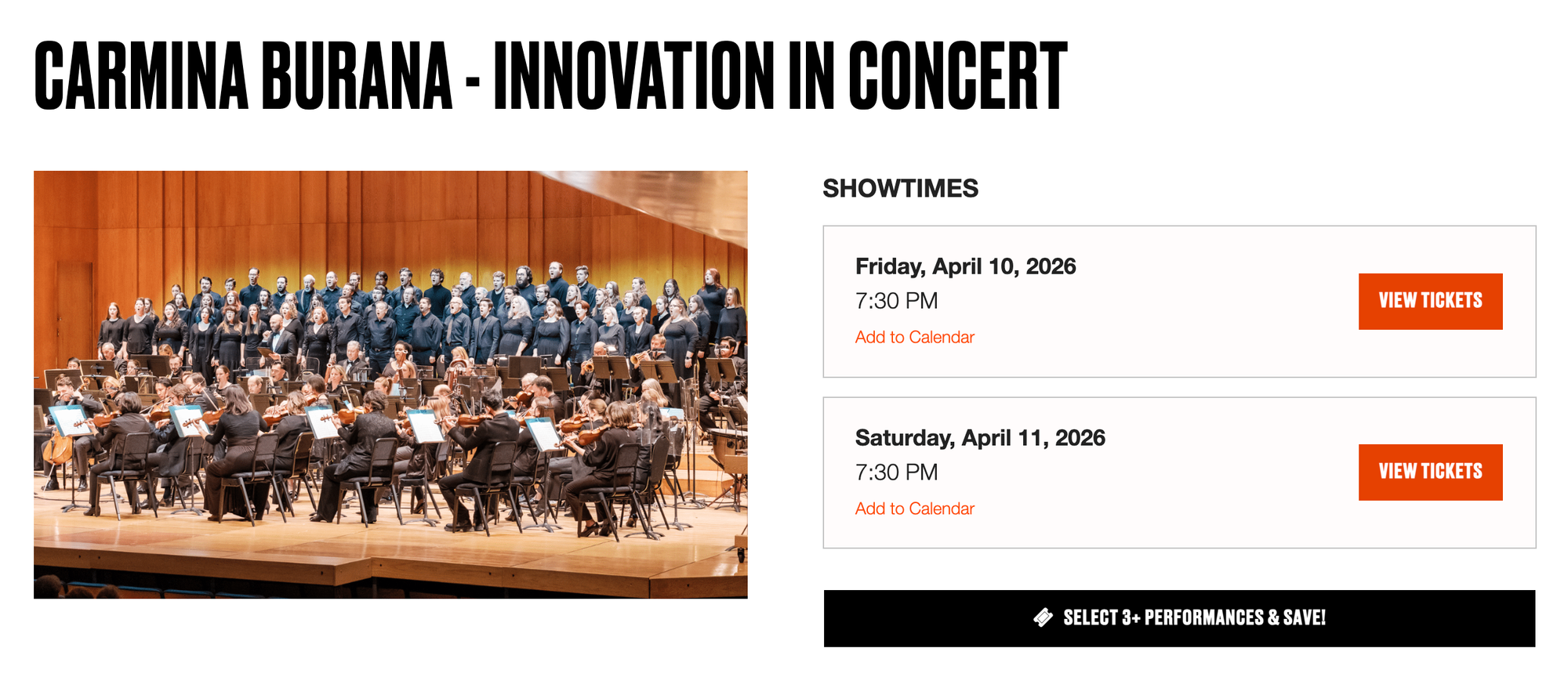
The symphony is teaming up with 47G—the state’s premiere aerospace and defense industry organization—to present "Innovation in Concert,” a themed performance built around Carl Orloff's iconic Carmina Burana, one of the most recognizable and powerful works in the classical repertoire.
Strategic partnership
For Calli Forsythe, who oversees corporate sponsorships and strategic partnerships at the Utah Symphony, the collaboration reflects a broader shift in how arts organizations engage with industry.
Her role sits at the intersection of fundraising, marketing, and community building, less about transactional sponsorships and more about long-term alignment.
“All roads lead to fundraising,” she shared with TechBuzz, “but my role is really to get us out in the community, build awareness, and align with corporations in meaningful ways.”
That alignment has found fertile ground in aerospace.
Forsythe previously worked with 47G leadership and saw an opportunity early. What followed is now a three-year partnership that continues to evolve, with each season featuring a flagship event designed to highlight the aerospace industry.
This year’s choice—Carmina Burana—is intentional.
“It’s big, it’s bold, it’s dramatic,” Forsythe said. “It just fits with 47G.”
Overlap between STEM and the arts
At first glance, aerospace engineering and orchestral performance occupy opposite ends of the cultural spectrum. But in practice, the overlap is real—and growing.
“A lot of people in STEM started in music,” Forsythe noted. “There’s a natural connection there.”
That connection is reinforced by something else: a shared reliance on precision, collaboration, and complex systems working in harmony. It’s a theme 47G has leaned into directly.
In its framing of the event, the organization draws a parallel between a symphony orchestra and the aerospace ecosystem. Both are dependent on coordination across many specialized contributors to produce something larger than any one part.
Opening up a largely invisible industry
Unlike consumer-facing tech sectors, aerospace and defense operate mostly out of public view. Much of the work is government-contracted, highly specialized, and often confidential.
That creates a visibility gap. And one this partnership is designed to address.
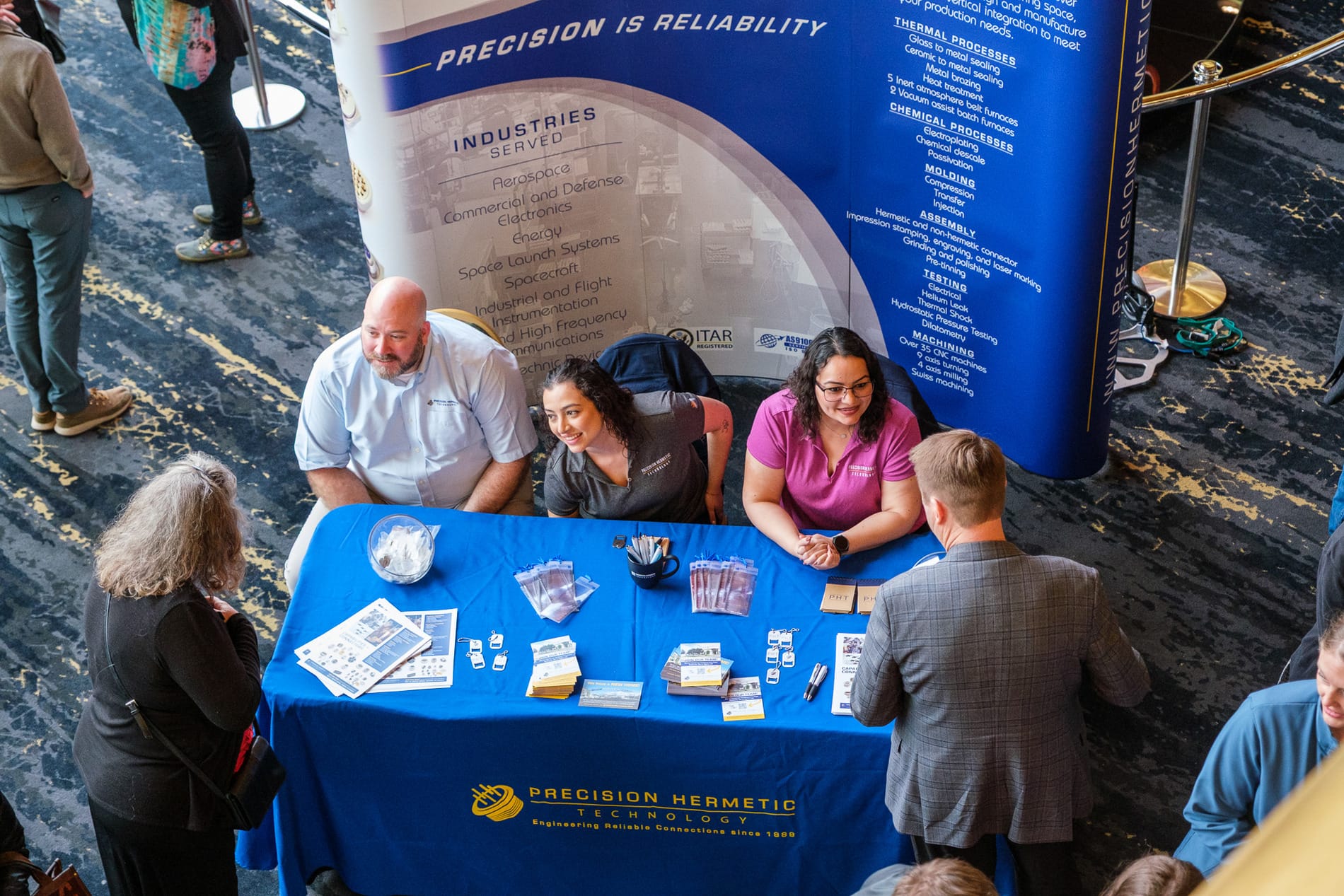
Before the concert, attendees will be able to engage directly with several Utah-based aerospace companies exhibiting in the lobby. Among them is OxEon Energy, a cleantech innovator based in North Salt Lake that operates at the forefront of sustainable fuel production and advanced energy systems with applications that extend from naval vessels to Mars exploration.
For many attendees, it will be their first exposure to what these companies actually do.
“People don’t always get to hear these stories,” Forsythe said.
The goal of the series is straightforward: lower the barrier to understanding.
By embedding industry presence into a cultural setting, Utah Symphony creates a context that is both accessible and engaging, far removed from a trade show or technical conference.
A stage for both culture and industry
The scale of the event amplifies that exposure.
With an expected audience of roughly 2,800 people and a likely sellout, “Innovation in Concert” offers aerospace companies something they rarely get: broad, diverse public attention.
It also gives the symphony a platform to demonstrate relevance in the community beyond traditional arts audiences. It’s part of a broader strategy to position the symphony as an active participant in Utah’s economic and cultural ecosystem.
Forsythe and her team are already thinking ahead.
Future partnerships could expand into healthcare, medical devices, and eventually the state's tech sector. But aerospace has proven to be the right starting point.
“The industry has been incredibly receptive,” she said. “There’s a real commitment to supporting the arts and the community.”
Why Carmina Burana works
If the partnership provides the framework, the selected music provides the emotional impact.
Carmina Burana, composed by Carl Orff, and first performed in Frankfurt's opera house in 1937, is one of the most recognizable and powerful works in the classical repertoire. Its opening movement, “O Fortuna,” is instantly familiar, even to those who don’t regularly attend symphony performances.
Based on medieval poems discovered in a Bavarian monastery, Carmina Burana channels themes of fate, desire, and fortune into one of the most explosive works in the orchestral canon.
The piece is built for spectacle: massive orchestral forces, a full choir, and dramatic shifts that evoke the unpredictability of fate.
Its thunderous choral style helped shape the musical language of modern film, echoing in the kind of epic scoring later popularized by composers like John Williams. Some say Carmina Burana compares stylistically to the forceful choral writing of Duel of the Fates, accompaning the dramatic lightsaber duel between Qui-Gon Jinn, Obi-Wan Kenobi, and Darth Maul in Star Wars: Episode I – The Phantom Menace.
The piece is widely cited as one of the most striking examples of Williams’s use of chorus to heighten tension in epic film scoring.
Its sense of drama, scale and intensity aligns well with the themes 47G is promoting: ambition, risk, and the forces that shape technological progress.
The program will also include Claude Debussy’s shimmering tone poem Prélude à l’après-midi d’un faune, offering a contrasting dreamlike landscape of color and atmosphere, considered by some as the starting point of musical Impressionism.
The program also features Iman Habibi’s Zhian, serving as a modern tribute to resilience and identity amid upheaval.
Together, the selections create a narrative arc that moves from introspection to intensity, and mirroring, in some ways, the trajectory of innovation itself.
Beyond the concert: building a long-term bridge
What makes the partnership notable is not just the event, but the long-term intent behind it.
Forsythe describes it as a “long-term relationship” that will continue to evolve creatively. Each year brings new ideas about how to better integrate industry storytelling into the symphony experience.
That experimentation extends beyond performances.
The Utah Symphony is already planning future initiatives tied to aerospace, including educational programming that will introduce thousands of students to space-related themes and technologies.
It’s part of a broader effort to rethink how an arts institution engages with both community and industry.
A model for cross-sector collaboration
Utah’s rapid economic growth has created an environment where industries intersect more frequently, and more intentionally, than in many other states.
The collaboration between the Utah Symphony and 47G is a case study in what that can look like when done well.
It’s a structured attempt to create shared value: giving the arts new relevance and reach, while giving industry a human, relatable, and cultural dimension that’s often missing.
For audiences, it adds another layer to the experience, one that connects the emotional power of music with the real-world systems shaping the state’s future.
And for Utah, it reinforces a broader narrative: that innovation doesn’t happen in isolation.
It happens, quite literally, in concert.
Join Techbuzz in celebrating "Innovation in Concert" by booking tickets to Carmina Burana on April 10 or 11 here.
Share this article
The link has been copied!
Your link has expired. Please request a new one.
Your link has expired. Please request a new one.
Your link has expired. Please request a new one.
Great! You've successfully signed up.
Great! You've successfully signed up.
Welcome back! You've successfully signed in.
Success! You now have access to additional content.