UMPA (Spanish Fork, UT) has awarded Mainspring (Menlo Park, CA) a contract to build a 48 megawatt linear generator project in Nephi, using modular, low-emission, and rapidly deployable power generation technology. It is scheduled to be launched in 2028.
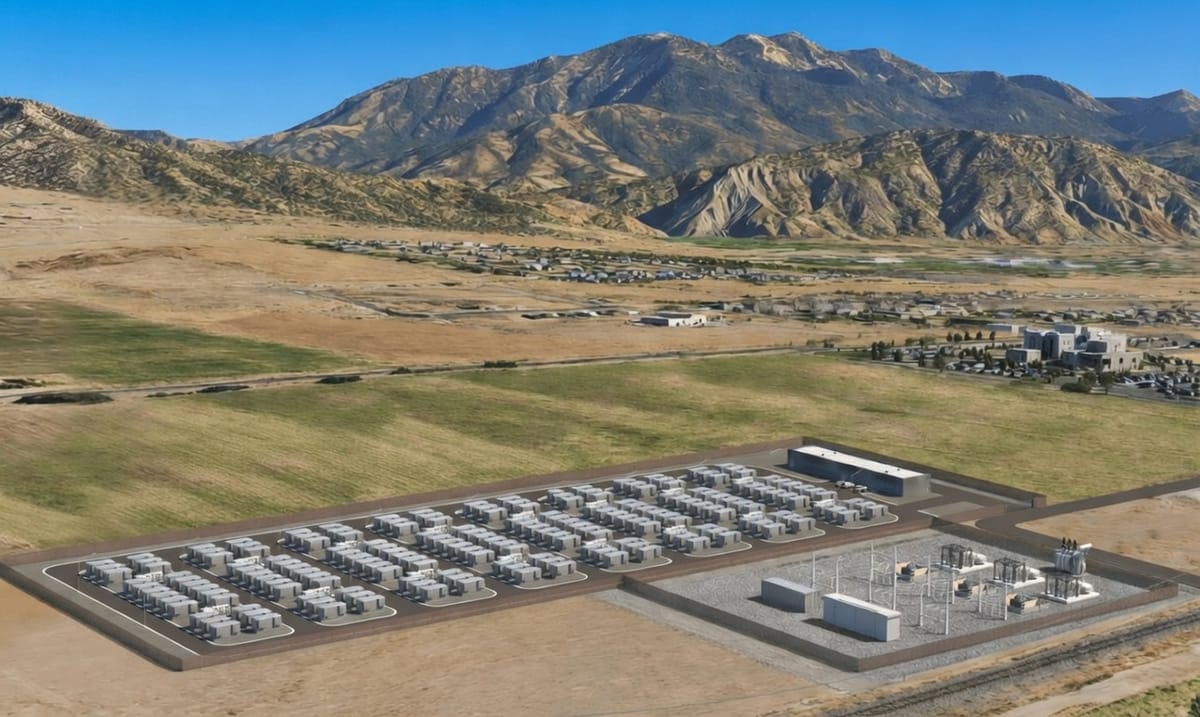
Rendering of UMPA’s Nephi, Utah, project, where 192 modular Mainspring Linear Generators will provide 48 MW of low-emissions, dispatchable power to meet growing local energy demand
Rendering of UMPA’s Nephi, Utah, project, where 192 modular Mainspring Linear Generators will provide 48 MW of low-emissions, dispatchable power to meet growing local energy demand
Nephi, Utah — February 13, 2026
Nephi, Utah, is not where you’d expect the state’s next major energy debate to unfold.
But according to Travis Ball, vice president of generation at the Utah Municipal Power Agency (UMPA), based in Spanish Fork, that’s exactly what’s happening.
“Nephi is going to be a happening place,” Ball told TechBuzz.
The catalyst isn’t flashy. It’s 48 megawatts of dispatchable power, and delivered through 192 modular linear generators manufactured by Mainspring Energy, based in Menlo Park, California. At full output, 48 megawatts is enough to power roughly 40,000 homes at once, or about one-quarter of Provo’s peak electricity demand. For UMPA, that’s not incremental. It’s structural.
On paper, it’s a municipal generation project scheduled to begin operation in 2028, with construction starting in 2027.
In reality, it’s a case study in how Utah is confronting a hard truth: growth is outrunning the grid.
The Evening Problem No One Sees
Utah has added solar aggressively. UMPA itself brought on roughly 80 megawatts near Mona, plus additional capacity in Spanish Fork.
Energy production isn’t the primary constraint anymore.
Timing is.
Residential load peaks between roughly 5 p.m. and 9 p.m. This is when people come home, turn on lights, cook dinner, and power up devices. Solar output, meanwhile, is fading at that time.
“Energy is great,” Ball said. “But solar isn’t on the system when you need it in the evenings.”
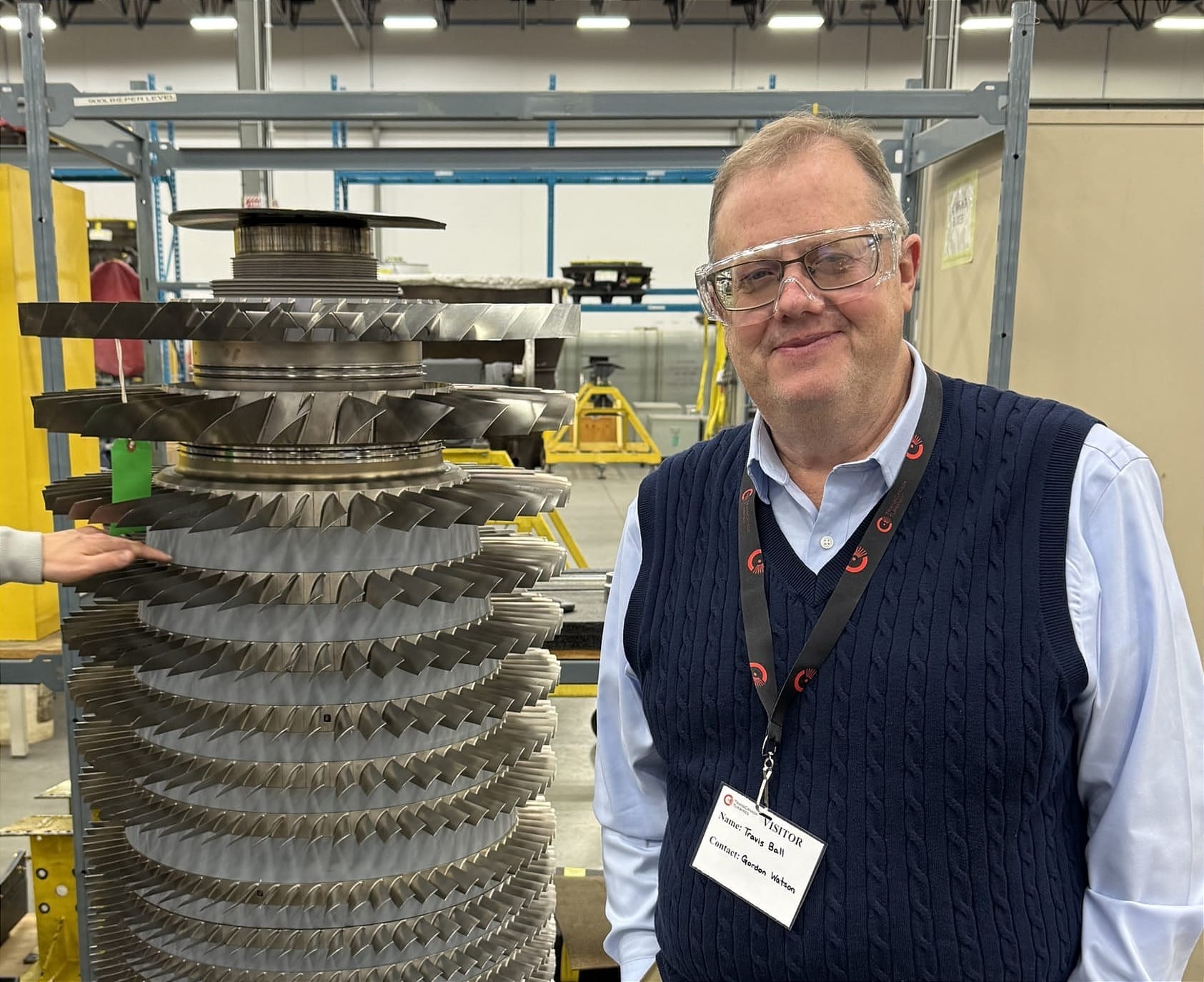
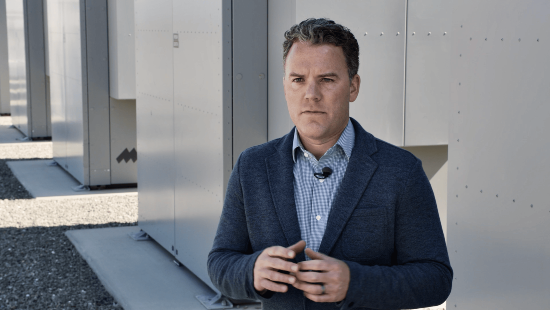
Travis Ball, Vice President of Generation, Utah Municipal Power Agency (UMPA), inspecting a rebuild of one of UMPA's generators
Batteries can shift that production, but at a cost that often rivals or exceeds firm generation for long-duration needs.
So UMPA faced a practical decision: secure dispatchable capacity or risk a structural shortfall within the decade.
The agency serves six member cities (Provo, Spanish Fork, Salem, Nephi, Manti and Levan) under an all-requirements model. When demand rises in those cities, UMPA must meet it.
Growth is steady in Spanish Fork and Salem. Nephi is expanding. Provo’s load remains significant.
The agency needed roughly 40 to 50 megawatts of firm capacity to bridge the next five to ten years.
That sounds simple.
It isn’t.
The Interconnection Wall
UMPA owns property suitable for larger generation, but connecting new capacity to the broader transmission system proved financially prohibitive. A larger plant requiring upgrades through PacifiCorp was estimated to cost hundreds of millions of dollars.
Interconnection queues across the West are increasingly congested, and new generation often triggers broader grid improvements, inflating costs and stretching timelines. Even if upgrades are affordable, equipment bottlenecks remain: a power transformer that cost roughly $400,000 fifteen years ago now approaches $2 million, with delivery windows of three to four years. Switchgear and other grid components face similar delays.
“The demand from hyperscale data centers and electrification trends has stressed manufacturing capacity,” Ball said. “You go out and try to buy a transformer right now. It’s insane. It’s not just transformers; switchgear, generators, all electrical equipment. The ripple effects of supply chain disruptions have driven costs and lead times through the roof.”
Under these conditions, building a large centralized plant becomes both capital-intensive and schedule-risky. UMPA pivoted toward something smaller, modular, and locally sited, and adjacent to an existing substation north of Nephi.
This conversation with Travis Ball explores UMPA’s Nephi energy project, highlighting Mainspring’s clean, modular technology, local community response, data center impacts on demand, and the project’s implementation timeline.
The Data Center Shadow
The backdrop to all of this is load growth, and not from homes alone, but from industrial-scale computing.
Ball says he fields regular inquiries from data center developers.
Some requests are manageable: 100 or 200 megawatts.
Others are staggering.
“For context,” he said, “all of Provo peaks around 200 megawatts.”
One data center proposal near Nephi sought roughly 1.8 gigawatts which represents nearly half of Utah’s total peak load.
UMPA’s policy is firm: data centers must bring their own generation and cover associated infrastructure costs. Existing ratepayers will not subsidize hyperscale facilities.
But even when they pay their way, they distort the market.
When data centers reserve transformer production slots or purchase massive volumes of switchgear, lead times extend and prices rise for everyone else, including municipal utilities trying to serve ordinary communities.
In that environment, speed and modularity become strategic advantages.
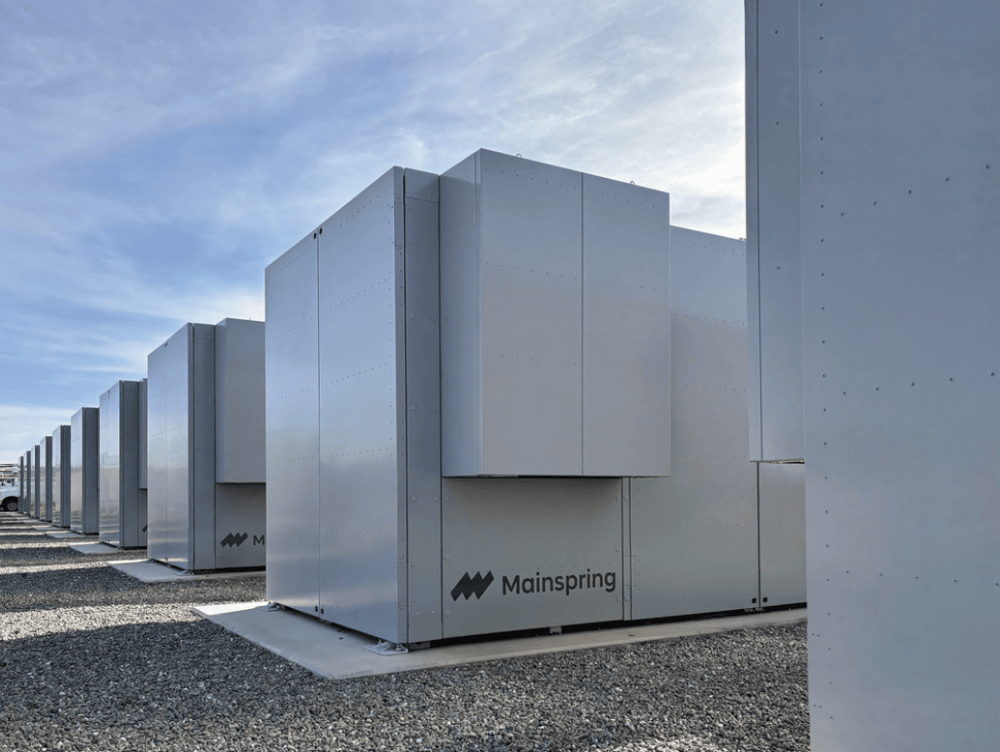
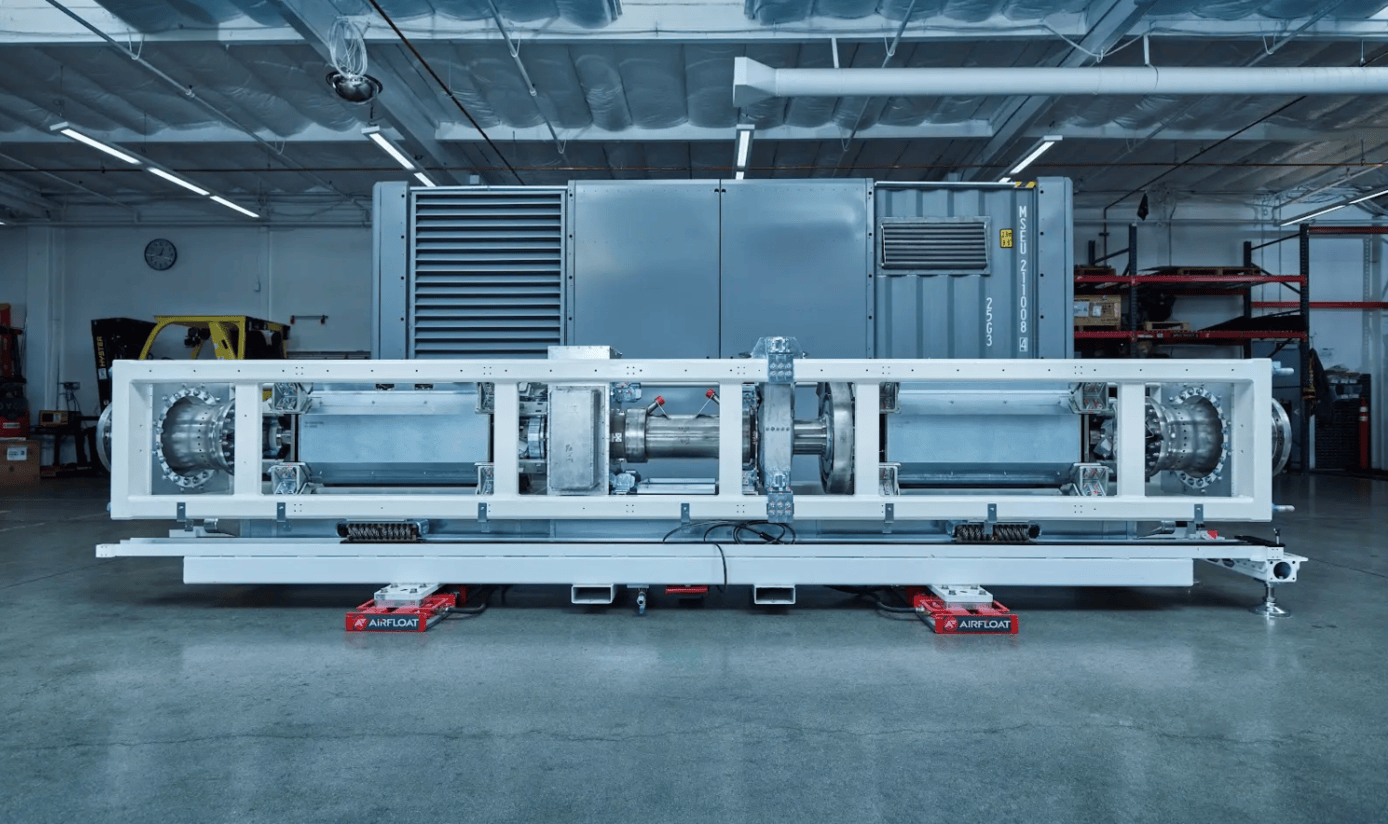
Mainspring Linear Generators, like those pictured here, use modular, low-emissions technology to provide reliable, dispatchable power. This same system will be deployed at UMPA’s Nephi project, delivering 48 MW to Utah communities within UMPA's network.
Why Linear Generators Fit the Moment
UMPA evaluated multiple options before selecting Mainspring’s linear generator platform.
The board of directors that is composed of the six member-city mayors toured the technology before approving the project. Ball wanted governance alignment before committing capital.
Several factors tipped the scale.
Extremely Low Emissions
The system produces less than 1.5 parts per million of nitrogen oxides (NOx), meeting stringent air quality standards without selective catalytic reduction systems.
For Utah County, where winter inversions amplify pollution concerns, that matters.
“It doesn’t use a flame,” Ball said. “It’s a low-temperature chemical reaction.”
Modularity and Reliability
Each unit produces 250 kilowatts. Deployed together, 192 units yield 48 megawatts.
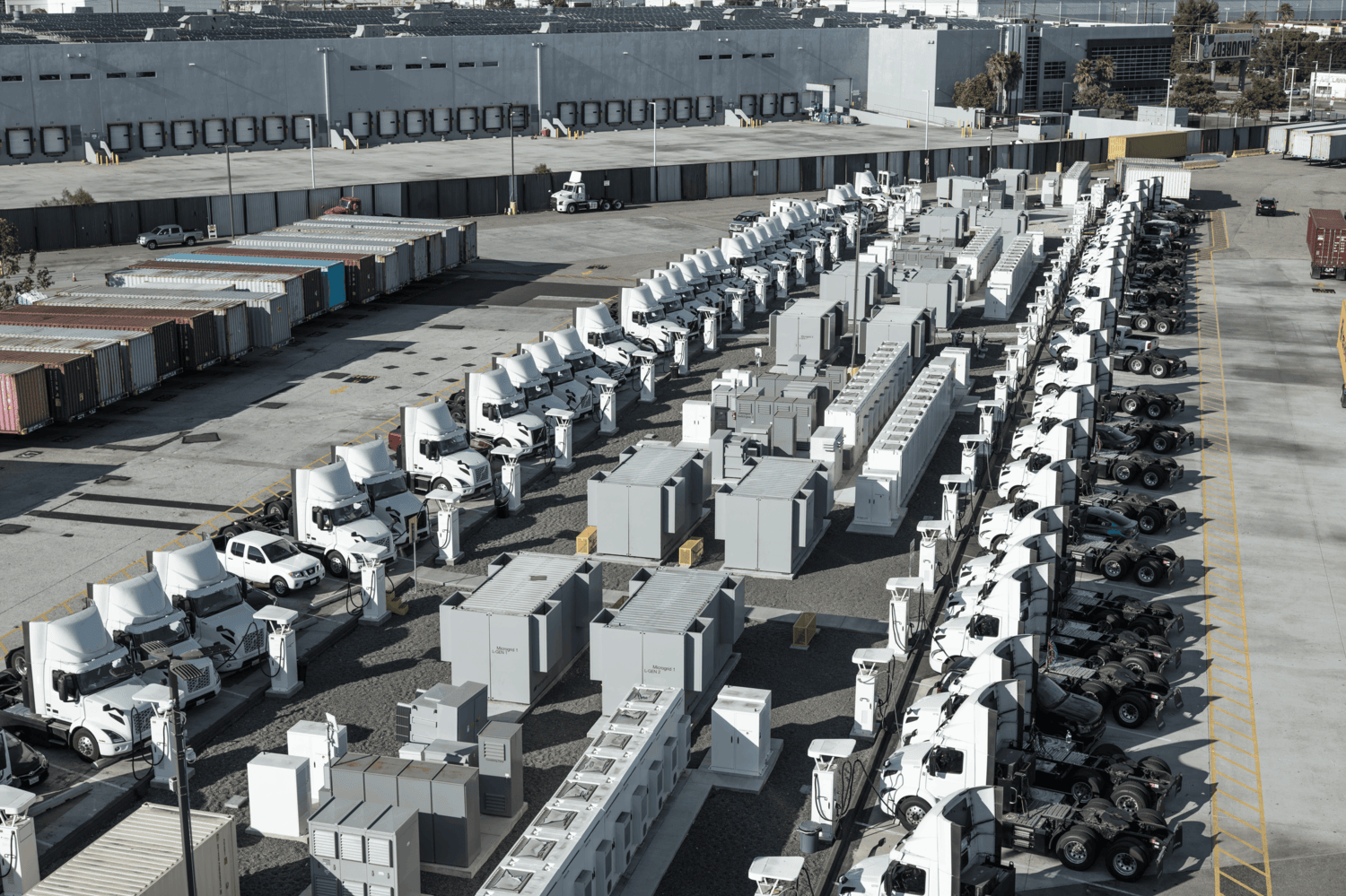
Prologis powers its Long Beach EV fleet with Mainspring Linear Generators, delivering 3 MW of clean, reliable energy paired with 6 MW/18 MWh of storage, enabling rapid electrification and cutting 6,000–13,000 tons of CO₂ annually.
Maintenance on a single module removes only a fraction of capacity.
“When you do service on a seal,” Ball said, “you’re taking down 250 kilowatts, not a big engine for weeks.”
The units eliminate oil systems and water cooling. Graphite seals are the primary wear component.
That design reduces downtime and avoids the extended outages typical of large reciprocating engines or turbines.
A Mainspring linear generator module on the factory floor, without cladding, showcasing its modular, horizontally oriented architecture. The back-and-forth piston system — housed within the central reaction chamber and flanked by magnet and coil assemblies — converts low-temperature chemical reactions into dispatchable electricity with minimal moving parts and ultra-low emissions.
Mainspring’s Linear Generators: A New Approach
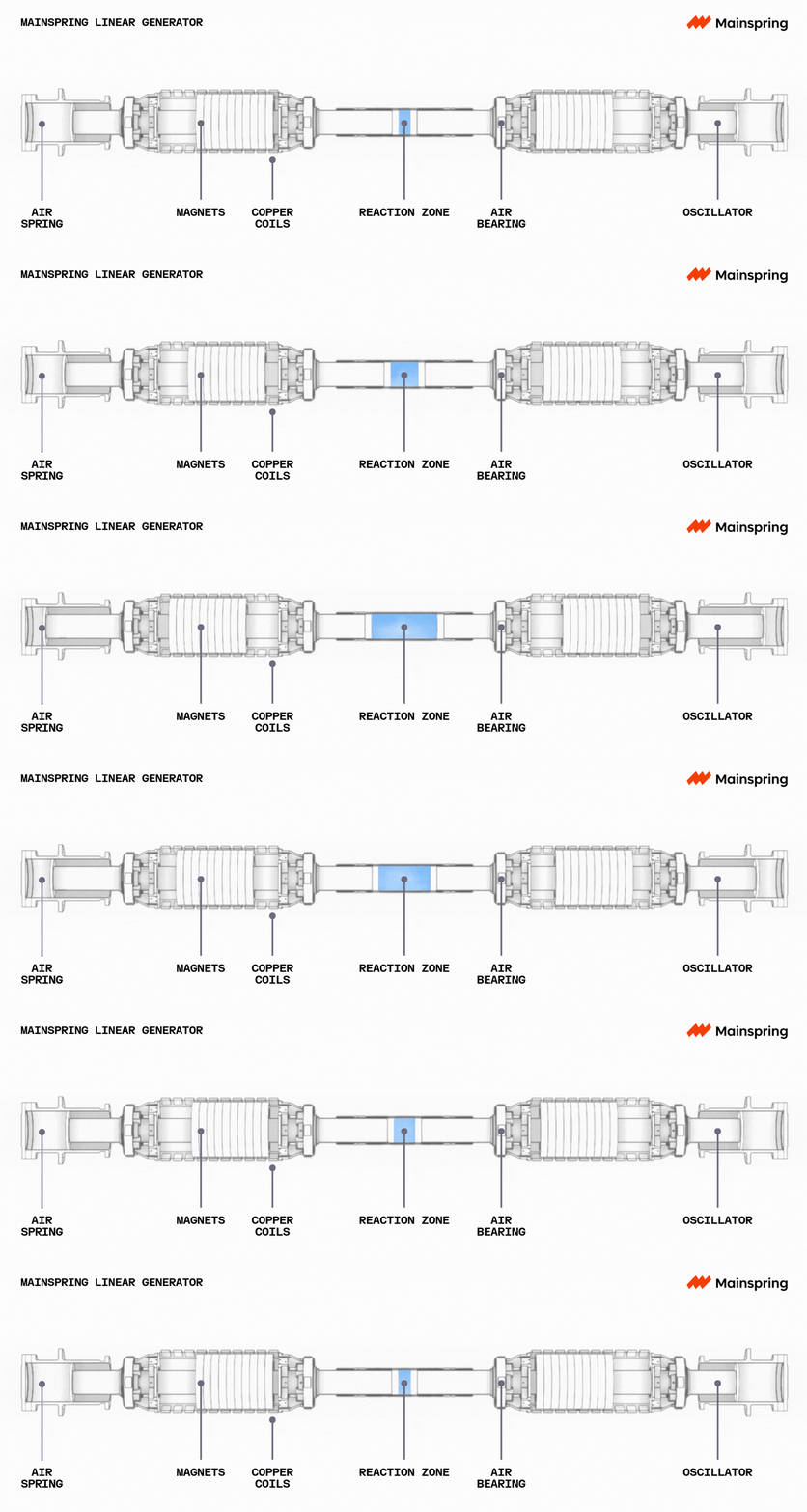
Unlike conventional engines or turbines, Mainspring’s linear generators operate without flames or rotating crankshafts. Power is generated through a linear, back-and-forth motion of pistons, creating electricity via a magnet and coil system. The result: extremely low emissions, minimal friction, and dramatically reduced maintenance.
Each module produces 250 kilowatts, and the system’s modular design allows UMPA to combine 192 units to reach the 48-megawatt target. If one module is taken offline for maintenance, only a tiny fraction of total capacity is affected.
Adam Simpson, Co-Founder and Chief Commercial Officer, Mainspring
“The real beauty of this technology is its flexibility,” said Adam Simpson, Mainspring Co-Founder and Chief Commercial Officer. “Switching between natural gas, propane, or even hydrogen is largely a software adjustment. You don’t need mechanical overhauls. It’s controlled digitally, which keeps downtime low and operations consistent.”
Simpson emphasized that the units eliminate traditional oil and water cooling systems, and the graphite seals are the only significant wear components. “It behaves almost like a giant fuel cell combined with an inverter-based system,” he said. “You get dispatchable, utility-scale power without the emissions or mechanical complexity of legacy generation.”
This software-driven adaptability also future-proofs the investment. As Ball noted, the units are fuel-agnostic, which means UMPA can respond to shifts in fuel availability or regulations without rebuilding the plant.
Speed to Deploy
Deliveries are expected to begin in summer 2027, with long-lead transformers arriving later that year. Full operation is targeted for early 2028.
In today’s environment, that qualifies as fast.
Large centralized plants can take years longer, especially when transmission upgrades are required.
Direct-Pay Federal Incentives
The project qualifies for a 30% investment tax credit under federal clean energy provisions that allow direct payment to tax-exempt entities.
For a municipal utility, that significantly reduces effective capital cost. The Nephi facility is Mainspring's first municipal utility installation.
There are compliance requirements, such as prevailing wage standards and documentation protocols, but the financial offset remains meaningful.
Fuel Flexibility as Political Insurance
The Nephi facility will run on natural gas initially. It is the most economical and available fuel in central Utah. However, the real architectural advantage of Mainspring’s linear generator is its ability to shift fuels with software and control adjustments, not hardware retooling.
That’s a big deal. Traditional turbines or engines usually require physical component changes (new injectors, altered orifices, different combustion hardware) to handle a different fuel mix. With linear generators, Simpson said, the software handles the transition.
As Simpson described it to TechBuzz:
“Different fuels like to be compressed and expanded different amounts… our software and controls automatically adapts on the fly given the fuel that you’re putting in. It doesn’t even need to know what fuel you’re putting in. It just will control itself based upon the reaction.”
Animated diagram of Mainspring’s linear generator architecture, including air spring, magnets, copper coils, reaction zone, air bearing, and oscillator
That means the system can transition from natural gas to propane or, in future low‑carbon scenarios, hydrogen, without swapping out hardware.
From Ball’s perspective, that adaptability is political and economic insurance:
“Say another administration comes in and says it doesn't want this type of fuel, you can use something else,” said Ball.
In other words, fuel flexibility in Nephi isn’t just a technical feature. It’s a hedge against regulatory and market uncertainty.
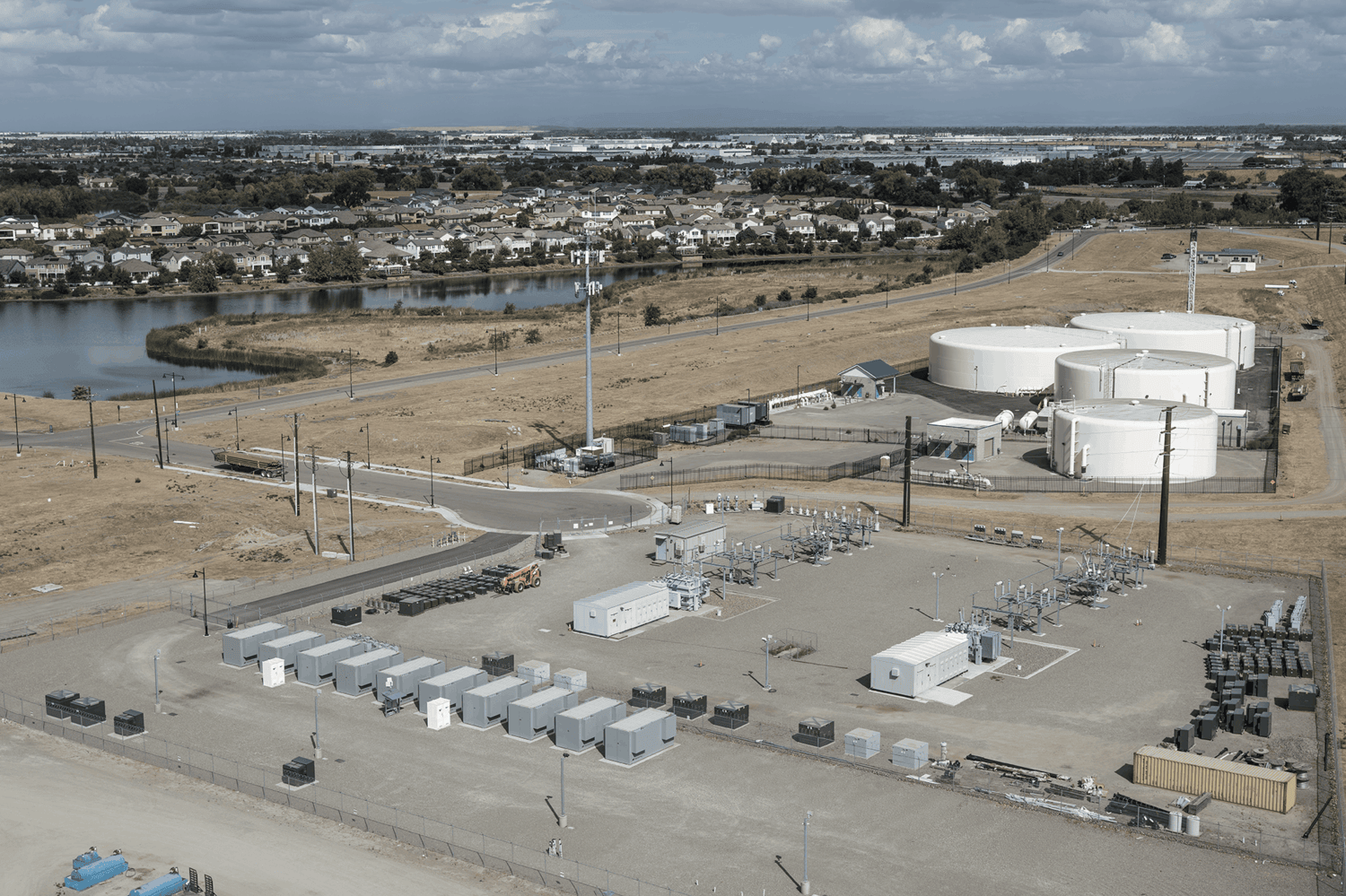
Lathrop Irrigation District’s River Islands microgrid, powered by 2.3 MW of Mainspring Linear Generators paired with community solar. The system meets 95% of peak demand while supporting scalable growth and clean energy goals, at River Islands, California, between Stockton and Tracy
Local Politics and Community Impact
The site north of Nephi sits near an existing substation on city-owned land. Installation will likely rely on drilled piers rather than extensive concrete foundations, minimizing surface disruption.
Noise levels (roughly 70 decibels at 10 feet) were a consideration, particularly with a nearby residence.
Public reaction so far has been measured.
“Anytime you have energy, there’s always somebody that doesn’t like it,” Ball said. “It doesn’t matter what you do.”
Compared to conventional plants, however, the footprint is modest.
The facility will not dominate the skyline. It will not require large cooling towers. It will not introduce visible stacks.
It will simply sit — quiet, modular, dispatchable — waiting for evening peaks.
Operation Gigawatt and the Bigger Context
Utah’s political leadership has made no secret of its desire to expand generation capacity. Gov. Spencer Cox’s Operation Gigawatt initiative aims to add substantial new power to meet economic growth.
Utah’s Operation Gigawatt is the state’s decade‑long strategy to expand transmission, increase generation, and secure reliable, affordable capacity to meet rapidly growing demand.
But ambition meets friction in transmission bottlenecks, equipment shortages, and permitting realities.
Municipal utilities like UMPA operate closer to the ground. They cannot wait for multi-year megaprojects to solve short-term capacity gaps.
But it may signal a model: localized, modular, dispatchable generation deployed incrementally rather than in billion-dollar leaps.
If the project performs on schedule, on budget, and through summer and winter peaks, other public power agencies across the West will notice.
If it stumbles, they will notice that too.
Why Nephi Matters
Nephi sits along Interstate 15, historically somewhat more pass-through than destination.
Now it is at the convergence of solar development near Mona, transmission infrastructure, fiber corridors attractive to data centers, and available land.
Growth is coming, whether incremental residential expansion or industrial-scale computing.
The question isn’t whether Utah needs more power.
It’s whether it can deploy it quickly, affordably, and reliably without overburdening ratepayers.
In that sense, the containers north of Nephi represent more than 48 megawatts.
They represent a tactical adaptation to a new energy reality:
Solar alone doesn’t solve evening peaks.
Transmission upgrades can be prohibitively expensive.
Equipment scarcity is real.
Data centers are reshaping demand curves.
Federal incentives can offset capital costs (if utilities navigate compliance correctly).
Flexibility is no longer optional.
Nephi may not look like an energy battleground.
But in a state racing to power growth, its quiet modular plant could become one of Utah’s most consequential infrastructure decisions of the decade.