Actionable Search Tactics at BYU's 2026 SMB | ETA Conference: Lessons from Active Searchers
At BYU’s 2026 SMB | ETA Conference, a panel moderated by Abe Bedard explored actionable search tactics, covering deal sourcing, broker relationships, risk management, and strategies for successful small business acquisitions.
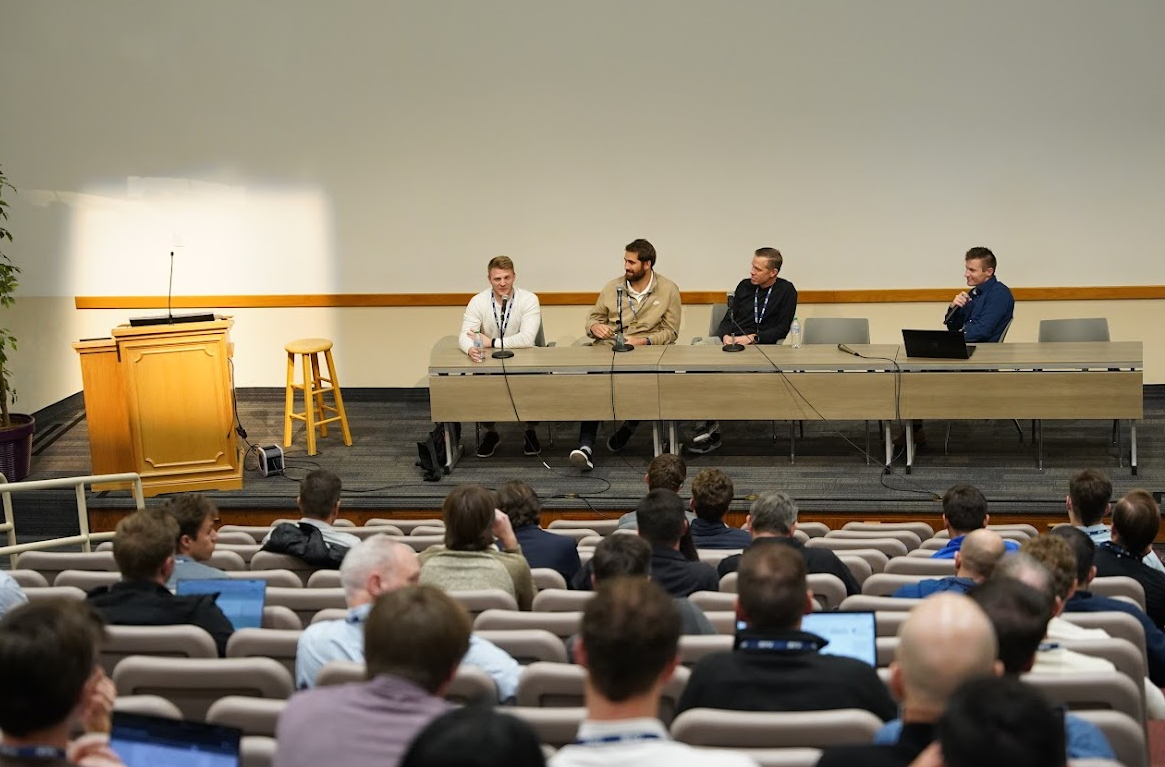
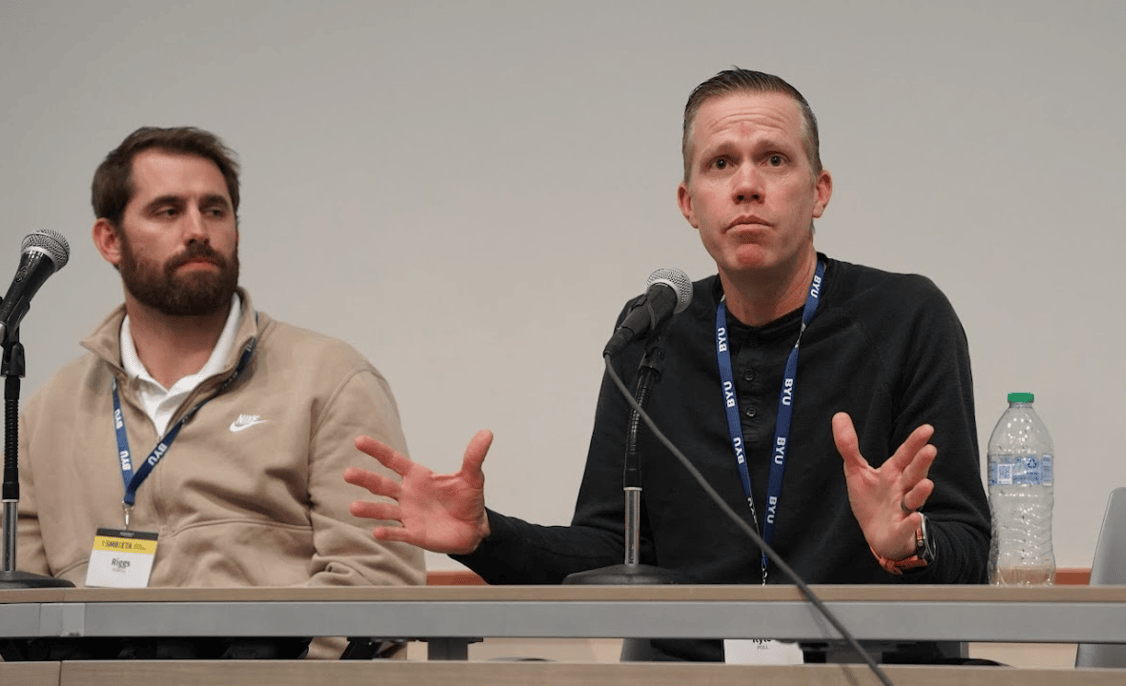
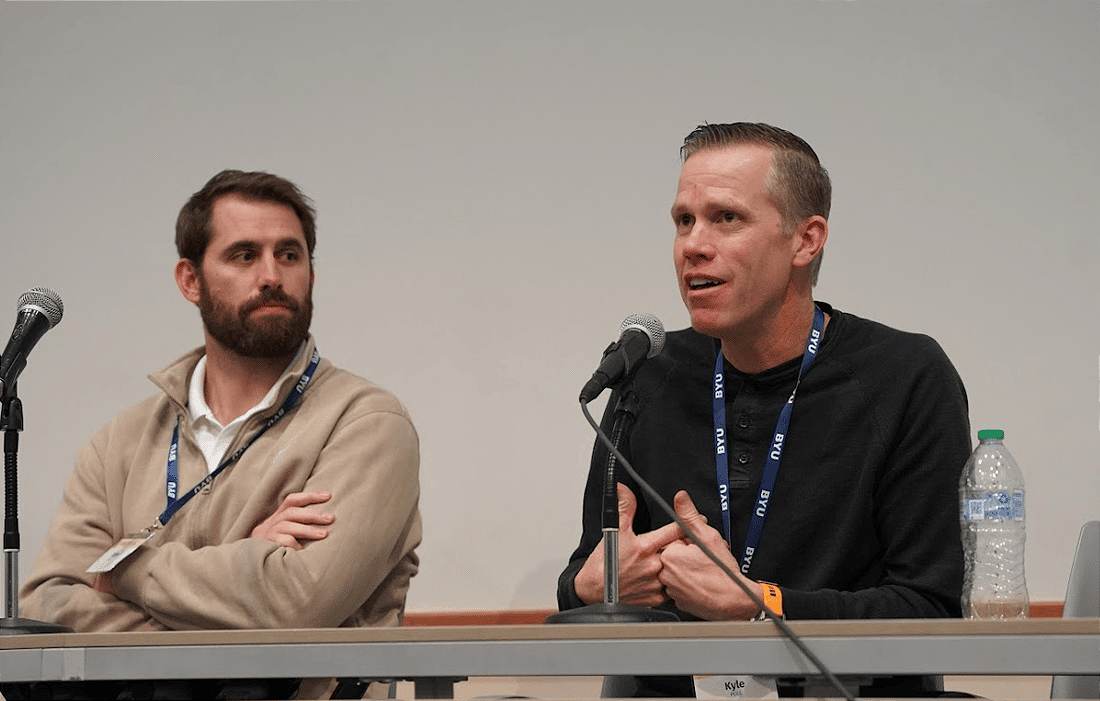
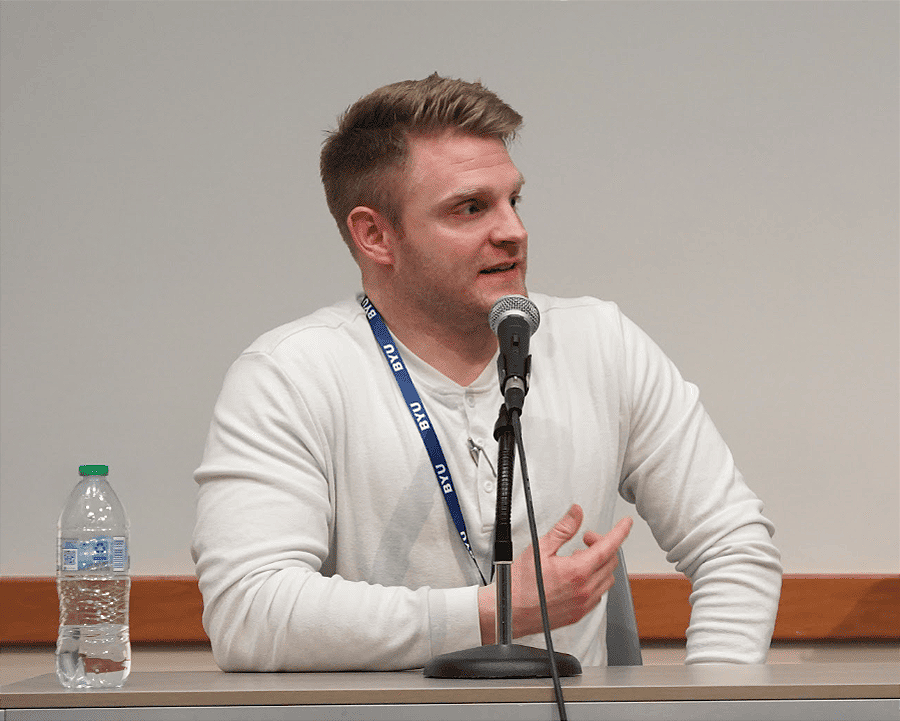
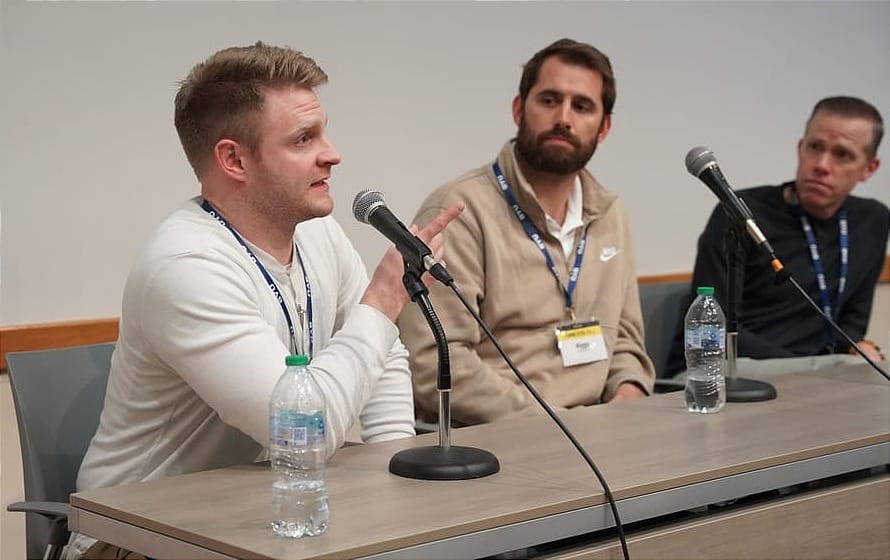
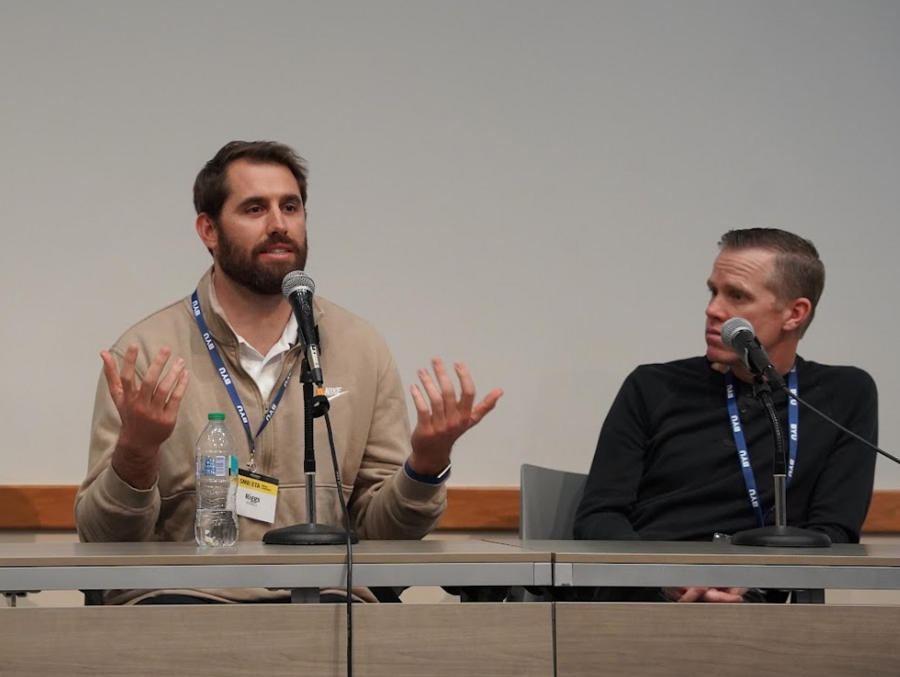
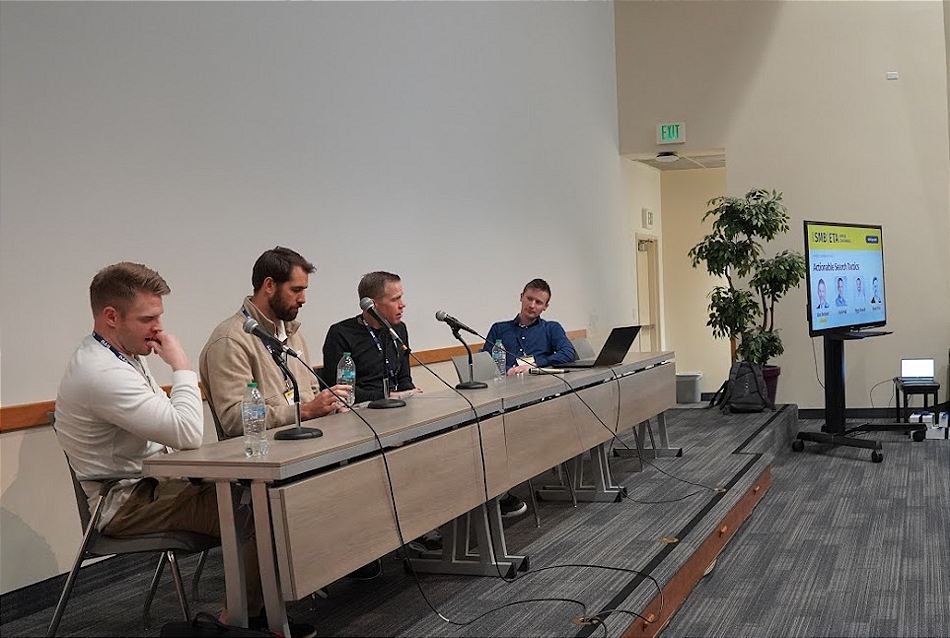
Ryan Price, Riggs Powell, Kyle Poll, and moderator, Abe Bedard, share insights on actionable search tactics during the 2026 SMB | ETA Conference at BYU’s Conference Center
Ryan Price, Riggs Powell, Kyle Poll, and moderator, Abe Bedard, share insights on actionable search tactics during the 2026 SMB | ETA Conference at BYU’s Conference Center
Provo, Utah — March 6, 2026
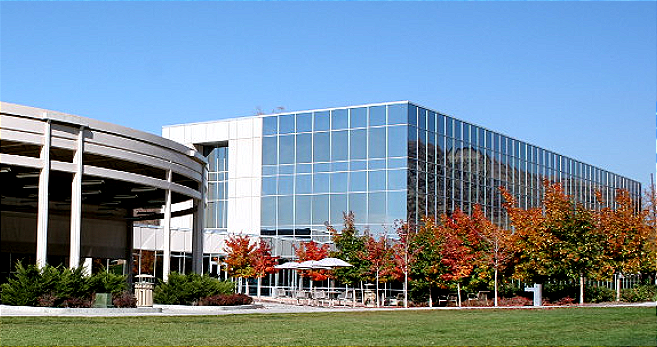
BYU Harmon Conference Center
At the 2026 SMB | ETA Conference hosted at BYU’s Harmon Conference Center, approximately 400 small and medium-sized business operators, searchers, sellers, and investors gathered for a deep dive into acquisition strategies. This one-day conference—part of a broader Rollins Center entrepreneurial ecosystem and event schedule that included optional half-day workshops on buying and selling businesses—offered participants unparalleled insights and networking opportunities. The conference specifically targets active business operators and searchers, rather than students, making it a fertile ground for practical, hands-on advice. Many of the attendees come in from out of state to attend the annual event.
One of the standout sessions, “Actionable Search Tactics,” moderated by Abe Bedard, CEO at Yatta Golf, explored the nuts and bolts of preparation, deal flow management, and risk mitigation for aspiring acquirers. The panel featured three speakers: Kyle Poll, Ryan Price, and Riggs Powell, each sharing their distinct experiences acquiring small businesses.
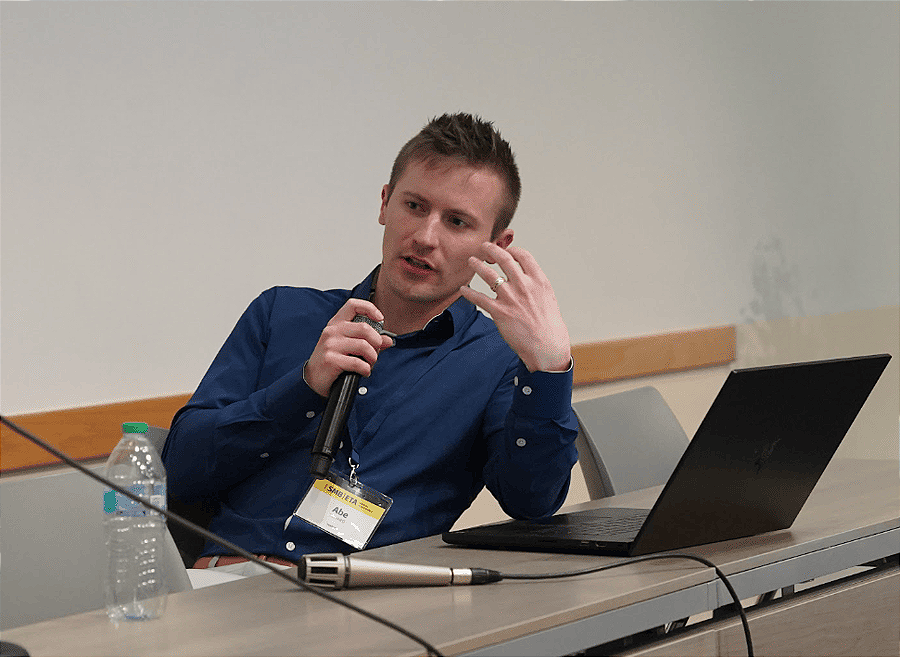
Abe Bedard, CEO, Yatta Golf
Preparation and Early Search Strategies
Kyle Poll, CEO of GetOut, kicked off the session, recounting his experience acquiring GetOutPass and PogoPass. GetOut is a nationwide family entertainment membership platform born from the merger of GetOutPass and Pogo Pass. The company offers a single annual pass that gives members access to hundreds of attractions (amusement parks and museums to zoos and local activity venues) across dozens of U.S. markets. The idea is to simplify and make affordable year‑round family fun by letting pass holders visit dozens of participating attractions for a set annual price, often saving hundreds compared with individual admission fees.Poll emphasized the often-overlooked value of broker relationships.
Poll explained, “if a broker posts a good business, they probably have 200–300 people emailing them. You have to build relationships so they see you as a legitimate buyer, not just someone kicking tires.”
He also stressed the importance of education before even reaching out to brokers or owners. Reading industry books, following podcasts like Acquiring Minds, and attending conferences gave him the confidence to approach sellers credibly.
“Come educated. Come ready. By the time you reach out, brokers should know you’re serious, because if you’re not, they won’t engage,” Poll said.
He reflected on the decision to go full-time searching:
“I had to quit my job. With five kids and zero experience in construction equipment, I couldn’t risk half-measures on due diligence. Full-time search was the only way.”
Legendary Pediatric Therapy is a pediatric therapy clinic based in Draper, Utah that provides specialized therapeutic services to children and families. The clinic’s mission is to support children’s development and help families navigate challenges with compassion, evidence‑based care, and engaging, child‑friendly approaches in three core pediatric therapy areas:
Occupational Therapy (OT): Helps children build skills necessary for everyday activities, such as fine motor coordination, sensory integration, and independence.
Speech Therapy (ST): Targets communication challenges, including articulation, language skills, and expressive/receptive development.
Feeding Therapy: Addresses selective eating, texture sensitivities, and mealtime behaviors through hands‑on strategies in a supportive environment.
Legendary's therapists create personalized treatment plans tailored to each child’s strengths and needs, incorporating family involvement to reinforce progress at home. Legendary emphasizes a play‑based, child‑centered approach, where therapy is designed to be enjoyable and motivating while still rooted in best practices. Families are treated as partners in the process, and the clinic provides coaching and education so parents can support their child’s growth outside of sessions.
Price emphasized his approach of relying heavily on proprietary research and cold outreach. He described a targeted approach for reaching sellers:
“I would look for anything I could relate to—same city, similar experience. It’s all hustling, making yourself relatable so people actually pick up the phone.”
Price underscored the importance of qualifying leads early, asking direct questions about cash flow, employees, and expectations, and not being afraid to move on if a business didn’t fit. He also emphasized practical considerations like part-time versus full-time search:
“Part-time can work for research and outreach, but full-time search is essential when a deal is live. Otherwise, you’ll miss opportunities.”
Risk Management and Industry Agnosticism
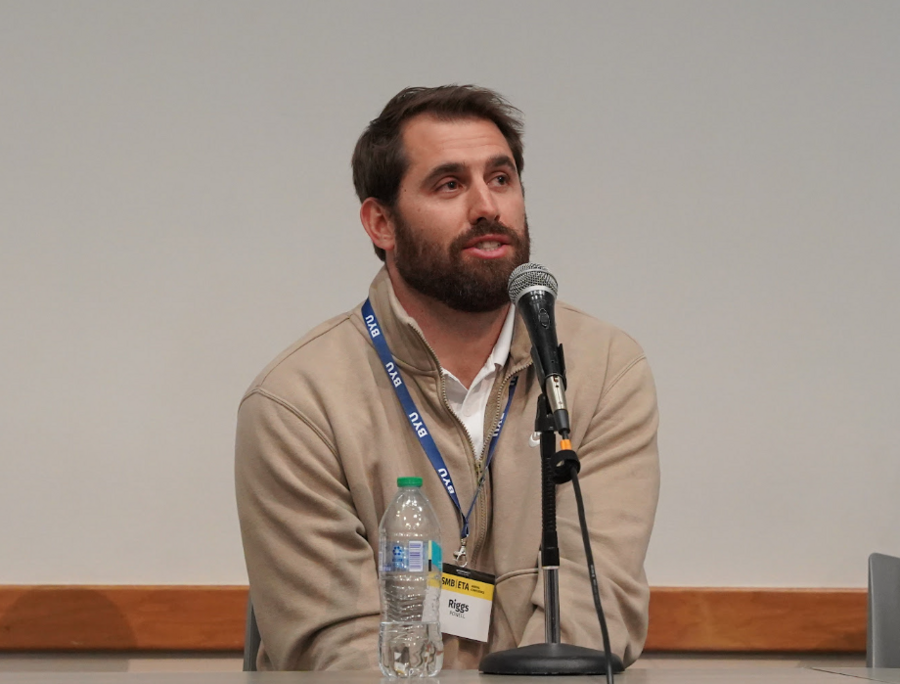
Riggs Powell, Salt Lake City-based Managing Director of Spreckles Capital, wrapped up the panel's remarks by discussing industry-agnostic searching and risk management. He advised searchers not to narrow their criteria too early, citing the “big three” filters—industry, size, geography—as a common pitfall:
Riggs Powell, Managing Director, Spreckles Capital
“You’re never going to get all three perfectly. Narrowing too much kills deal flow. Being industry-agnostic keeps the pipeline full and teaches you new business models along the way.”
Powell also shared practical tools for managing prospects:
“I used a CRM to track every conversation and touchpoint. It keeps you organized when your inbox and calls start stacking up.”
On financing, both Price and Powell highlighted SBA loans and personal guarantees, offering tactical advice on preparing lender packages and leveraging add-on acquisition provisions.
Spreckels Capital positions itself as a patient, founder‑friendly partner private investment firm focused on lower‑middle‑market companies and emphasizes durable growth rather than short‑term exits, following a transparent, collaborative transaction process that benefit both sellers and the ongoing business. The firm seeks to invest in founder‑led businesses with predictable revenue, strong brands, and healthy customer retention, and they often acquire majority stakes so the company’s legacy and operations continue with stability and purpose.
Their investment criteria typically include profitable U.S. businesses with annual profits in the roughly $750K‑$5M range across sectors such as business services, education, entertainment, and technology/software.
Key Takeaways
Across the panel, several themes emerged:
Education first: Understanding the mechanics of search, deal structuring, and industry dynamics is critical.
Build relationships: Brokers, investors, and owners all respond better when you’re perceived as a credible, organized buyer.
Flexibility pays: No deal is perfect. Narrow criteria or rigid plans will slow progress.
Use technology: CRMs, spreadsheets, and AI tools can streamline deal tracking and outreach.
Manage risk: Personal guarantees, SBA loans, and investor partnerships all have trade-offs. Knowing your risk tolerance is essential.
Low burn rate: Financial discipline allows searchers to operate longer without pressure, increasing the likelihood of closing a deal.
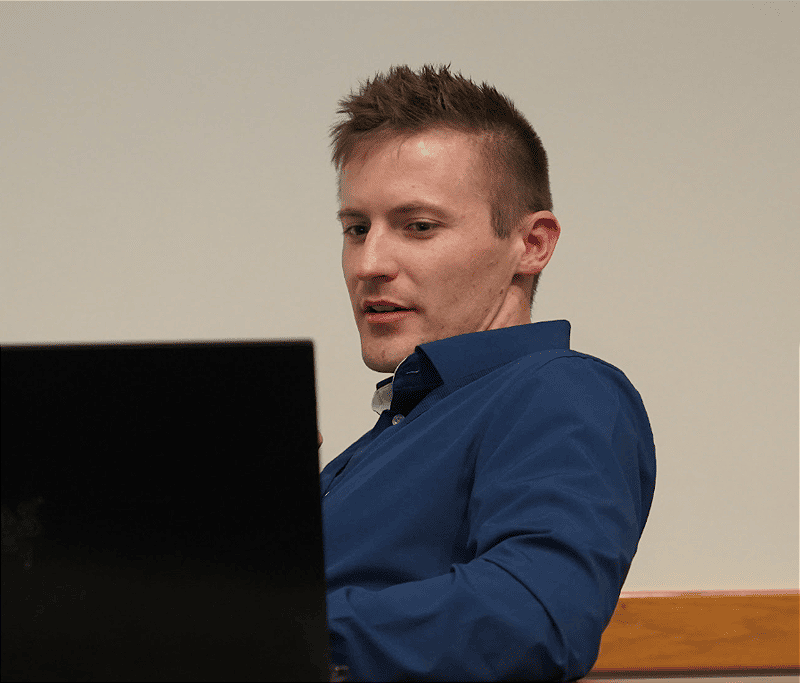
Abe Bedard, CEO, Yatta Golf, the session moderator
The panel concluded with actionable advice for attendees ready to start their searches:
Poll: “Educate yourself, and then go all in. Opportunities wait for no one.” Price: “Talk to everyone doing what you want to do. Don’t be afraid to fail. Just start.” Powell: “Keep your aperture wide. No deal is perfect. Every deal has hair—adapt and learn along the way.”
For the 2026 SMB | ETA Conference participants, this session provided both a blueprint and inspiration. Whether pursuing a first acquisition or scaling an existing business, the combination of practical tactics, real-world lessons, and networking insights left attendees with a clear path forward in the dynamic world of SMB acquisitions.