Mary-Lou Smulders: Saving Lives, One Drone at a Time
Mary-Lou Smulders built a career in engineering, startups, and drone security, helping shape policy and technology while promoting mission-driven leadership, innovation, and safer airspace in an evolving global landscape.
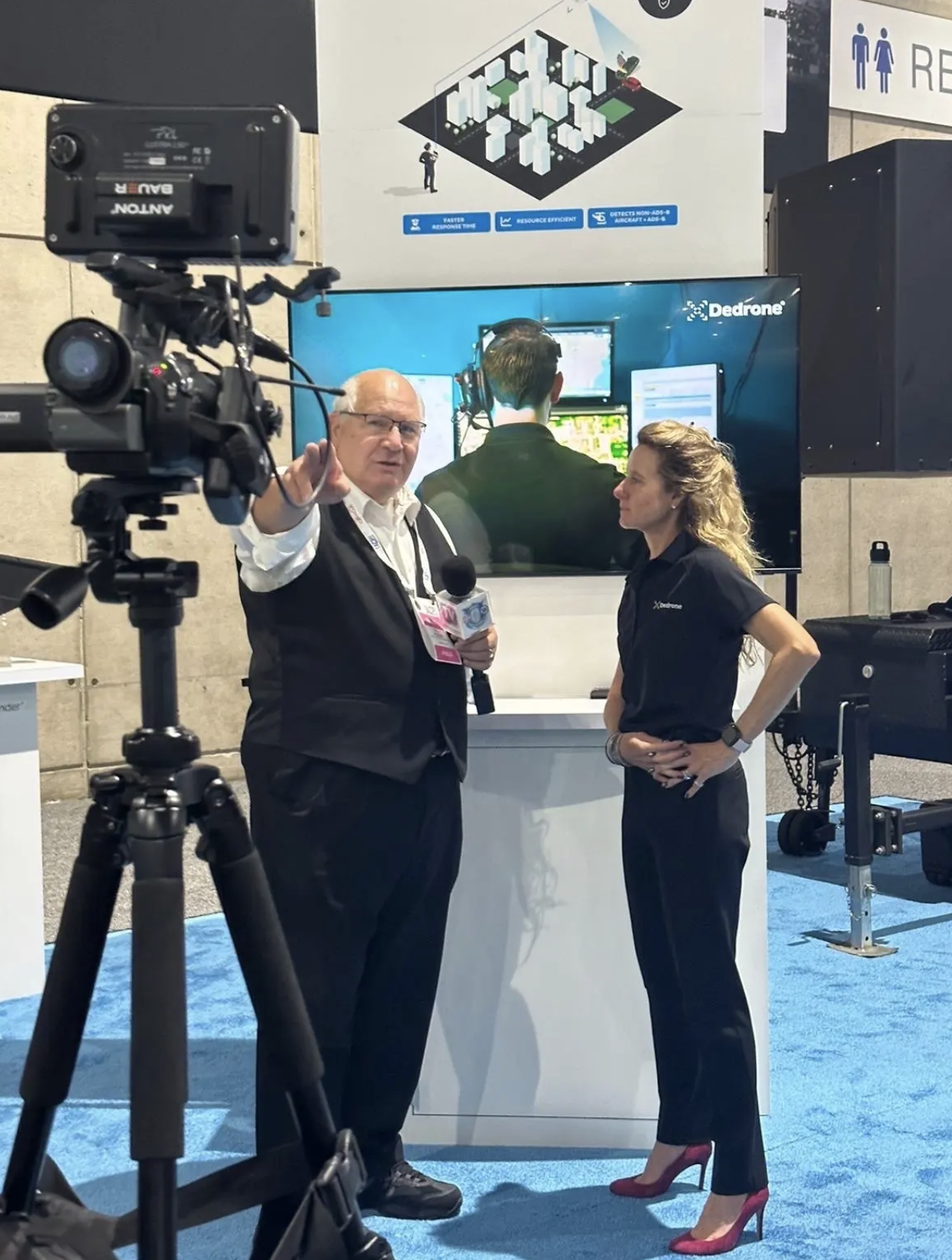
Mary-Lou Smulders was Chief Marketing Officer and Head of Government Affairs for Dedrone by Axon, a company committed to becoming the global leader in airspace security. Her work focused on using drone technology to create a safer world—helping the military, protecting stadiums from dangerous drone activity, and keeping contraband out of prisons.
Mary-Lou Smulders never expected retirement to feel so quiet.
For decades, her career and life were constantly in motion. With four daughters, demanding leadership roles, extensive travel, and the challenge of building high-tech companies from the ground up, Smulders rarely experienced “nothingness.” But suddenly, everything slowed down. Her youngest daughter left for college last August, and she left Dedrone in November.
From Engineer to Leader
Smulders’s path to becoming a major figure in the drone industry was anything but easy—or linear. She studied mechanical and aerospace engineering at a time when women in STEM were rare. In a class of 500 students, only 11 were women. Early in her career, she was often both the youngest person in the room and the only woman.
After working in the oil and gas industry, she returned to school to earn her MBA at Erasmus University’s Rotterdam School of Management. From there, her career spanned startups and major corporations in healthcare and tech.
Her last role was at Dedrone, where she helped build the company from the ground up alongside a small team, serving as CMO and Head of Government Affairs. She wore many hats, as is common in startups. While large companies like Oracle offered structure and resources, Smulders found she valued the sense of ownership that comes with startups. Currently, she advises companies and startups through her consulting firm, Gusto Consulting.
“I personally prefer a startup mentality,” she explains. “Where I could have a larger breadth of responsibility… I felt like I had more agency to affect change.”
Smulders clearly loved building companies—but why drones?
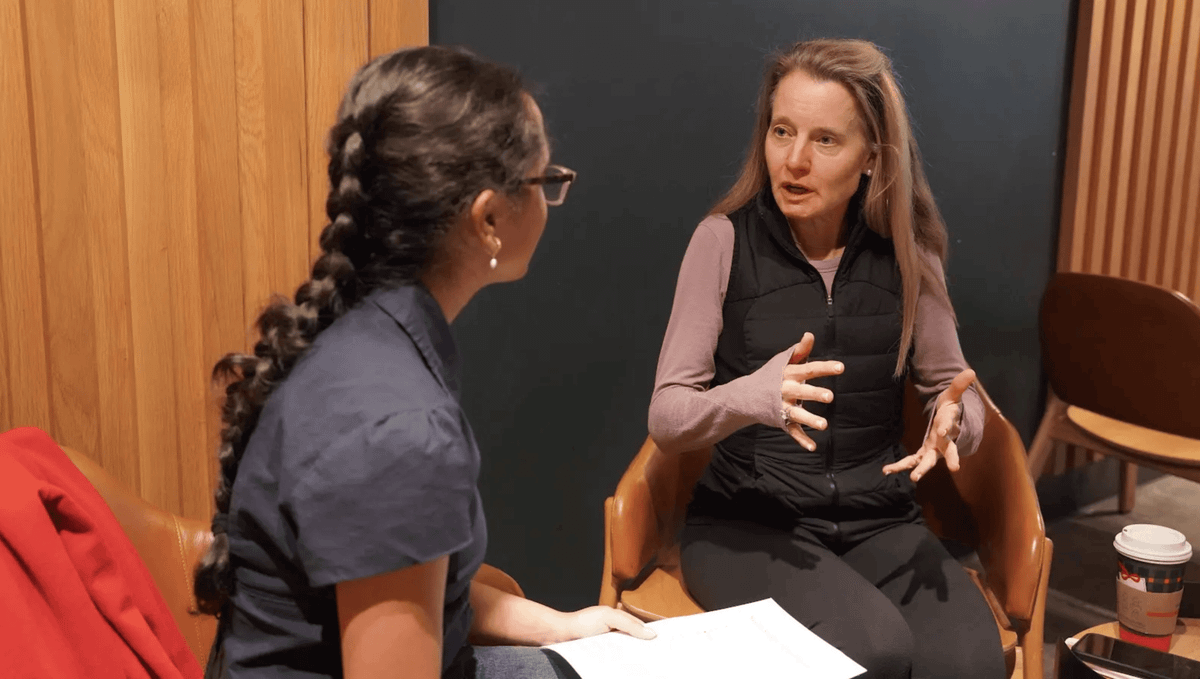
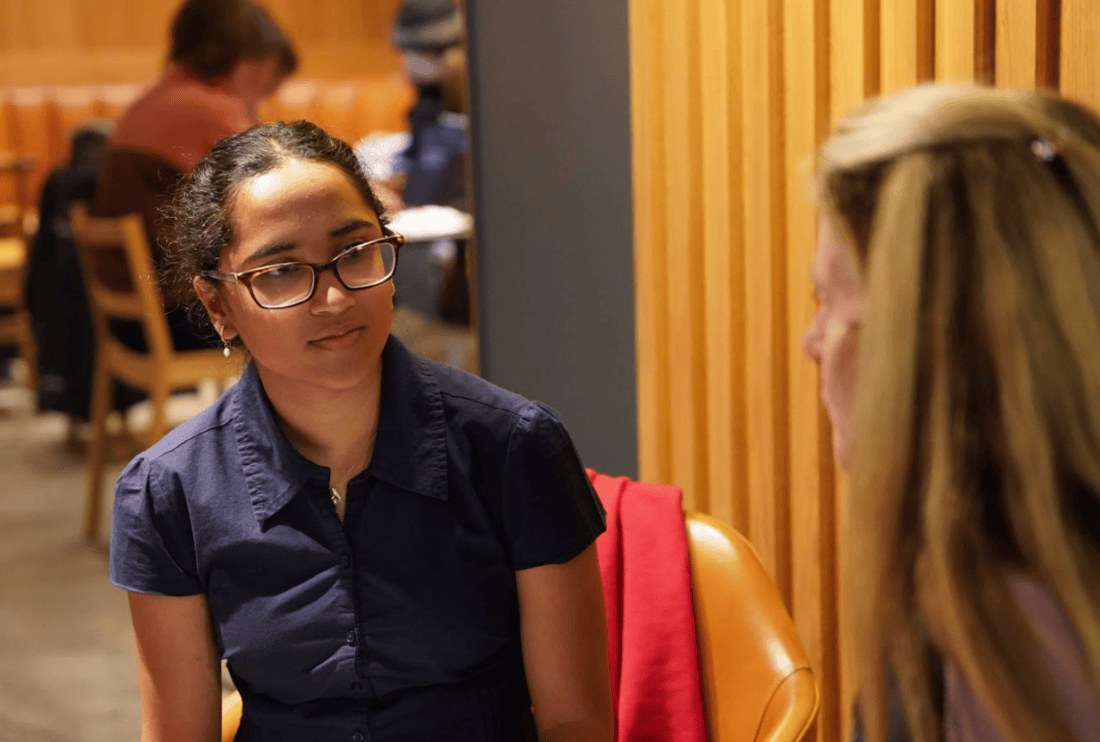
Shruthi Kamalanathan with Mary-Lou Smulders
Why Mary-Lou Smulders Chose Drones
To Smulders, drones are simply tools, and like any tool, they can be used for good or harm.
They deliver medicine to remote areas, assist firefighters, assess wildfires, and allow police to safely evaluate dangerous situations. But in the wrong hands, they can also create serious risks.
“For example, drones in stadiums,” she says. “You can imagine, you take a drone for five or six hundred bucks, fly it over a stadium, and drop talcum powder, which is totally harmless. But the freak-out that it would cause… people would get hurt.”
She described how drones are frequently used to smuggle drugs and phones into prisons—now one of the most common ways inmates gain access to contraband. They’ve been flown over packed stadiums and used by criminal organizations to guide people across borders.
In war zones like Russia and Ukraine, drones have completely redefined modern combat.
“Airspace supremacy used to be about who had the best planes and pilots,” Smulders explains. “And then, in 2021, the Ukraine conflict redefined it. It has nothing to do with your aircraft condition. That’s crazy.”
Recognizing how rapidly drones were changing both warfare and everyday life, Smulders saw a clear need: make the skies safer.
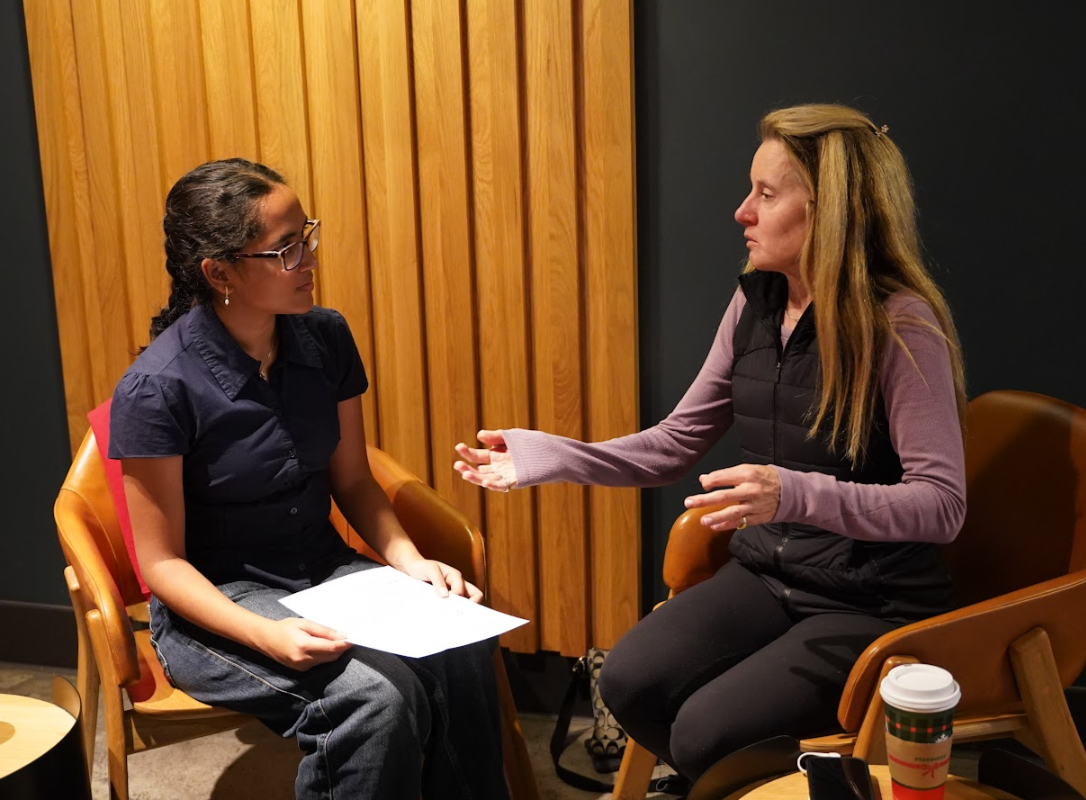
SheTech Media Intern, Shruthi Kamalanathan with Mary-Lou Smulders
Fighting Technology with Law
One of Smulders’s biggest challenges wasn’t technical. It was legal. Drone technology was advancing far faster than the laws governing it.
“How could lawmakers in 1942 imagine autonomous flying machines?” she asks.
As Head of Government Affairs, she spent years educating lawmakers about drone technology: how it works, how it can be detected, and why outdated laws needed to change.
In April 2022, the White House released a Domestic Counter-Unmanned Aircraft Systems National Action Plan, urging Congress to expand its authority to address drone threats.
Her efforts helped drive real change. New policies allowed airports, stadiums, public spaces, and prisons to better detect and respond to dangerous drones—legally and responsibly.
A Startup with a Mission
When asked if Dedrone was her favorite startup, Smulders didn’t hesitate.
“By far, my favorite,” she said. “Do you know why? I could explain it to my mom. ‘Mom, we stopped bad drones.’ She was like, ‘I got it.’”
That clarity of mission mattered. Every two weeks, employees were reminded of their goal: to become the global leader in airspace security. Smulders emphasized the importance of a shared “North Star”—a unifying purpose that keeps teams aligned, even when they disagree on smaller details.
“Do not ever assume that you are the smartest or most important person,” she advises.
In her small HR team, she reminded colleagues that everyone has to “take out the trash.” No job is beneath anyone, and stepping up—without waiting to be asked—is what separates good teams from great ones.
She also believed people do their best work when they’re proud of it. She wanted employees to feel confident saying, at a dinner party, that they had one of the most meaningful jobs in the room.
She applied that mindset to her personal life as well. When her nanny took her daughters to the playground, Smulders hoped she felt proud—like she was working with the best family there. That sense of pride, she says, makes all the difference.
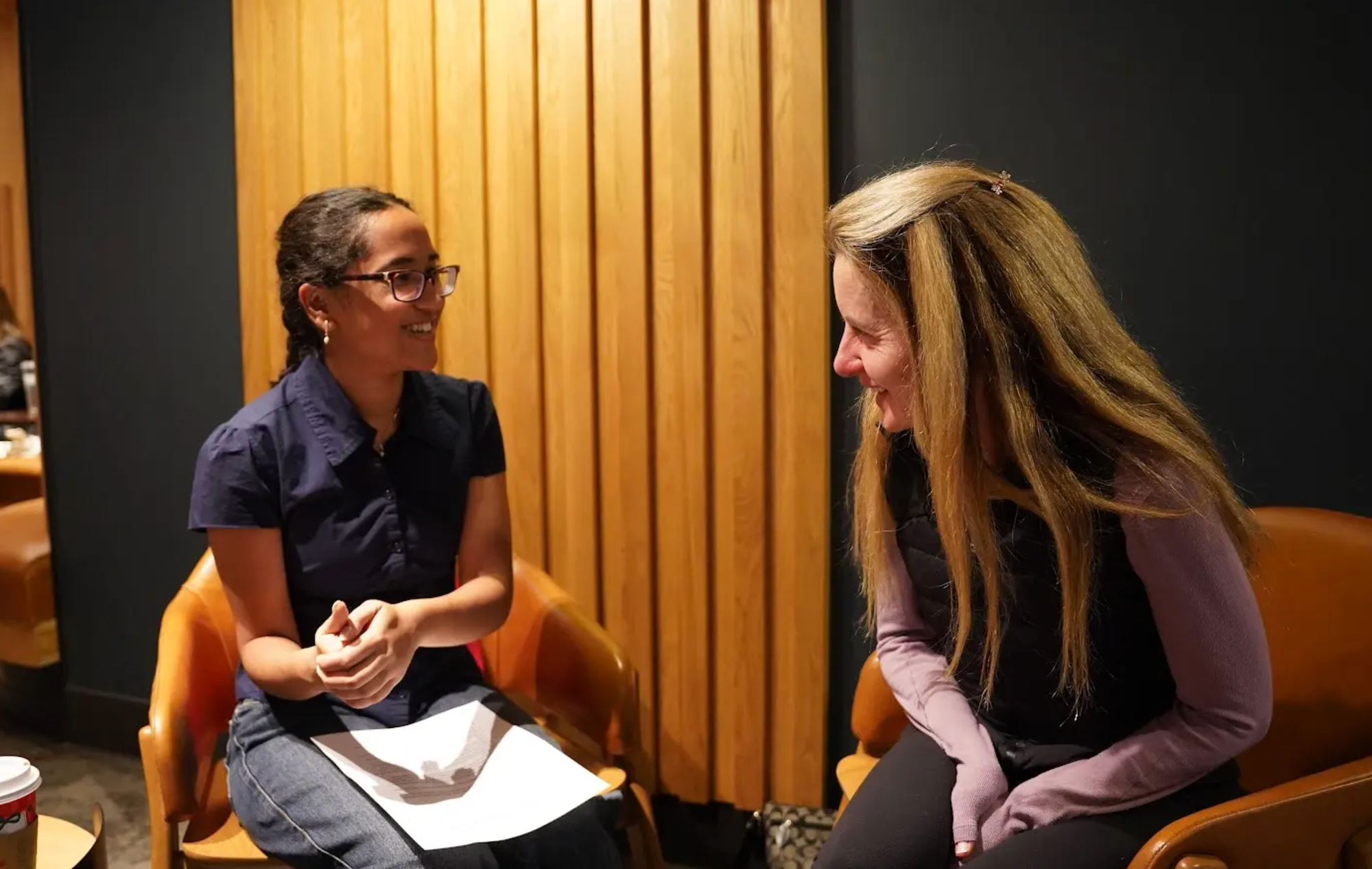
SheTech Media Intern, Shruthi Kamalanathan interviewing Mary-Lou Smulders
Leadership and Advice
For Smulders, leadership isn’t about being the loudest voice in the room. It’s about listening, aligning around a shared goal, and creating space for others to contribute.
“You don’t have to agree on every detail,” she says, “but you do have to agree on the North Star.”
Her advice to students is simple: stop comparing yourself to others. Comparison distracts from what really matters: curiosity.
“Find what genuinely interests you,” she says, “because you’ll spend a lot of time doing it.”
Looking back, she credits three things for her success: “hard work, being smart enough, and just a little bit of luck.”
Her final message is straightforward: trust yourself, and keep making the decisions that feel right for you.