BioHive Live 2026: Utah's Life Sciences Leaders Share Stories of Technology, Resilience, and Human Impact
BioHive Live 2026 brought Utah's life sciences community together at the Loveland Living Planet Aquarium, where speakers John Harris and Tracy Milgram delivered powerful stories connecting technology, genetics, and human impact.
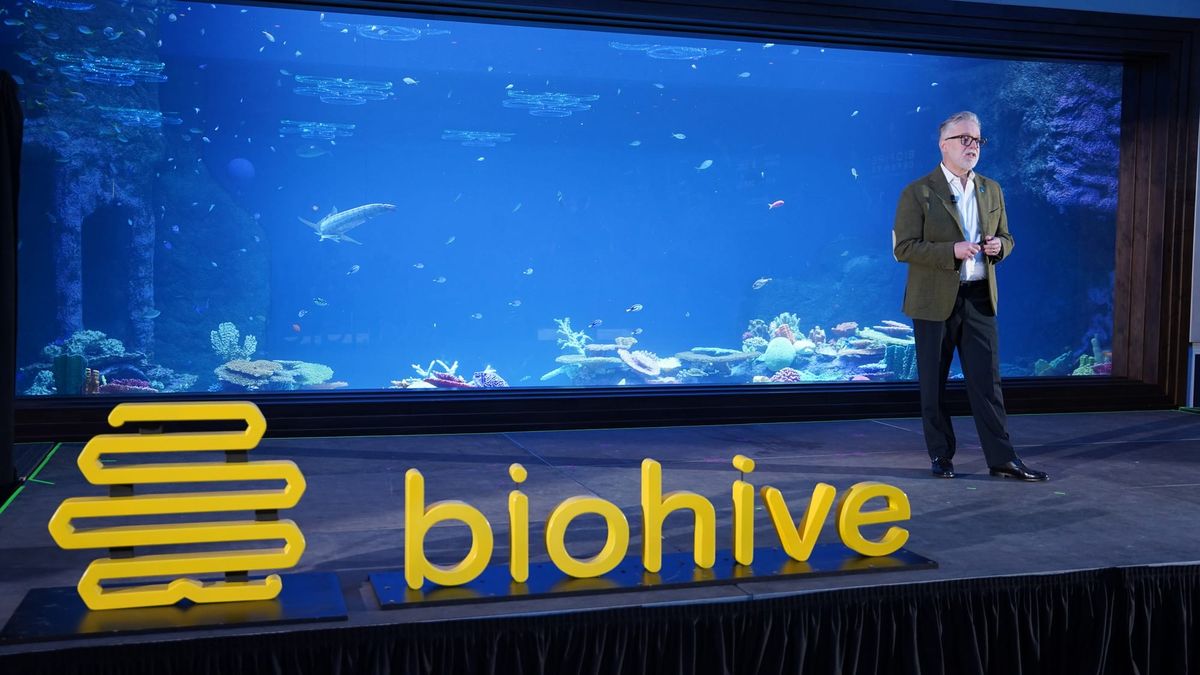
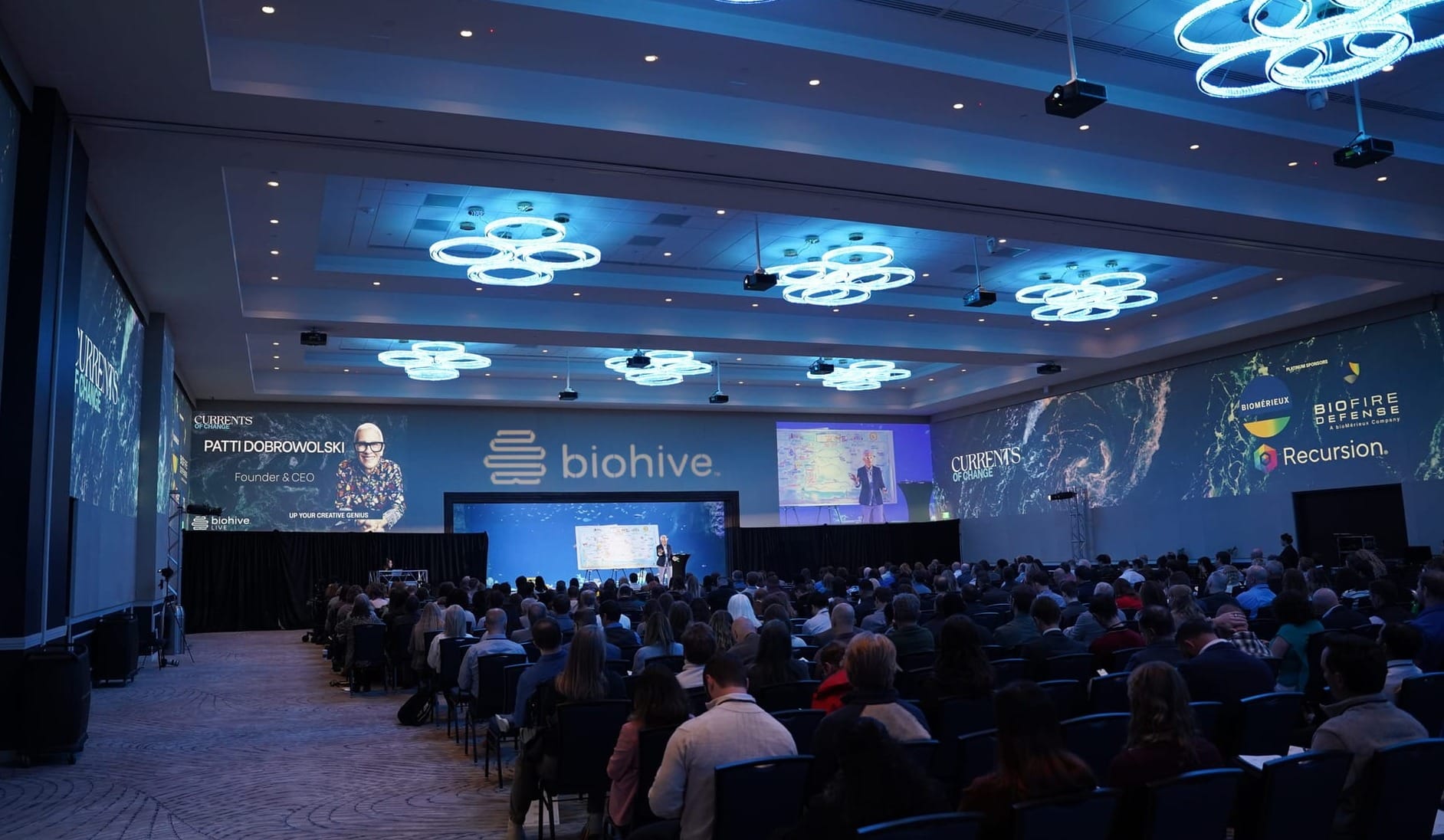
BioHive Live 2026 took place today at the Loveland Living Planet Aquarium's Mountain America Credit Union Event Center in Draper. The flagship gathering of BioHive Week — now in its most ambitious iteration yet — drew somewhere between 800 and 900 attendees spanning students, founders, C-suite leaders, investors, and clinicians from across Utah's life sciences ecosystem. The setting alone set the tone: a new stylish venue, a buzzing exhibit hall and the occasional shark gliding past the wall-to-wall tank as speakers took the stage. It was, to put it mildly, not your average meeting space.
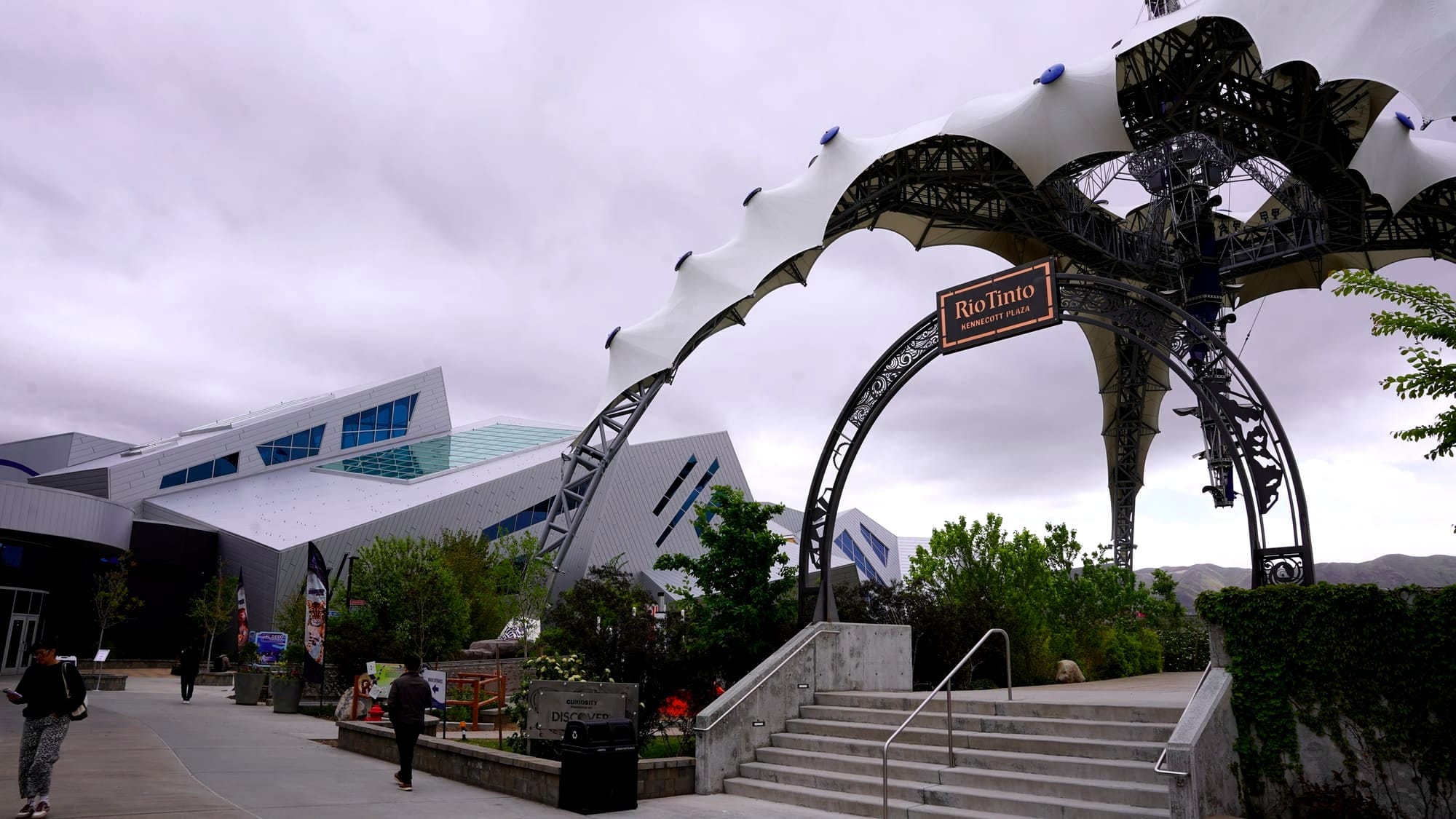
The Loveland Living Planet Aquarium in Draper, Utah — home to BioHive Live 2026 — where the Rio Tinto Kennecott Plaza welcomed hundreds of Utah life sciences leaders on April 16, 2026.
But the real energy was in the stories told from the main stage, stories that reminded a room full of scientists, researchers, academics, entrepreneurs, and healthcare professionals exactly why they do what they do.
A Utah Story with Global Reach: John Harris and BioFire Defense
If there was a single thread running through BioHive Live 2026, it was this: technology only matters when it's serving people. No one drove that point home more viscerally than John Harris, CEO of BioFire Defense and a proud Utah native.
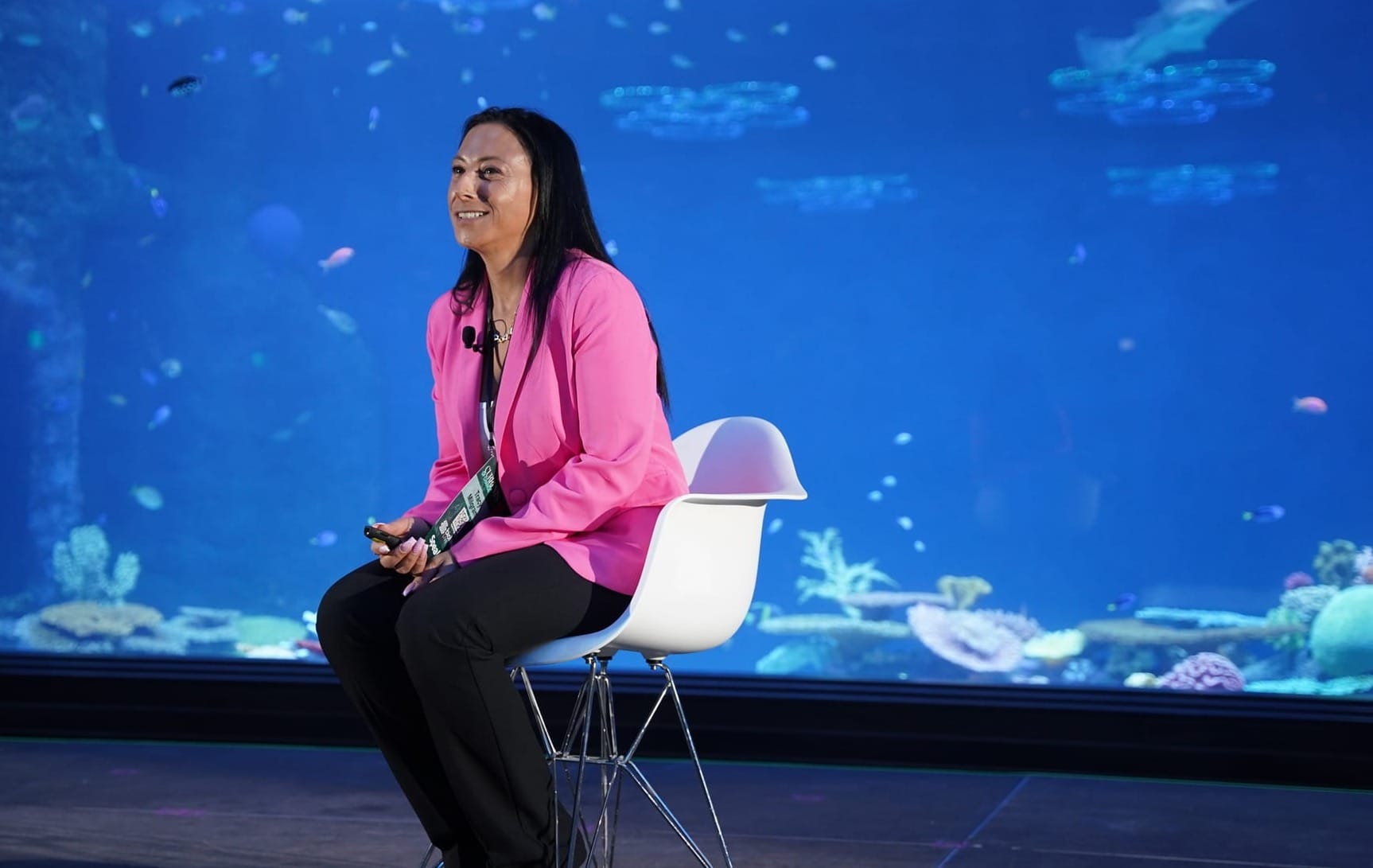
At BioHive Live, 4X TEDx keynote speaker Patti Dobrowolski challenged the packed room to think beyond AI and biotech—arguing the most powerful force for innovation is human imagination.
Harris opened not with slides or statistics, but with a memory from more than two decades ago, a trip to Walter Reed Army Medical Center that changed the trajectory of his career.
At the time, Harris was working at Sorenson Medical, a local medical device company that made an ambulatory infusion pump called the Amide. An Army anesthesiologist named Dr. Chester "Trip" Meyer had reached out with a proposal: could the pump be used to deliver targeted nerve block medication to injured soldiers on the mend from combat injuries? Meyer invited Harris to Walter Reed to see the technology in action.
What Harris witnessed there wasn't a product demonstration. It was a moment of profound human connection. A soldier who had lost his arm in Afghanistan — amputated just below the shoulder after being transported through Landstuhl, Germany for initial treatment — was experiencing severe phantom limb pain when Harris entered the room. As Dr. Meyer began threading a nerve block catheter, the soldier, built like a linebacker, reached out and grabbed Harris's hand. Hard.
"The pain I was experiencing in my hand was nothing compared to what that soldier was going through," Harris told the crowd. As the medication reached the nerve and began doing its work, the soldier's face slowly relaxed. His grip released. He looked up at Harris and said two words: Thank you.
"Those two words hit me like a thunderbolt," Harris said. "In that single moment, I understood what I was drawn to and why I continued to work in this industry."
He walked out of Walter Reed a different person, no longer thinking about dosing curves and device specs, but about soldiers, families, suffering, and hope.
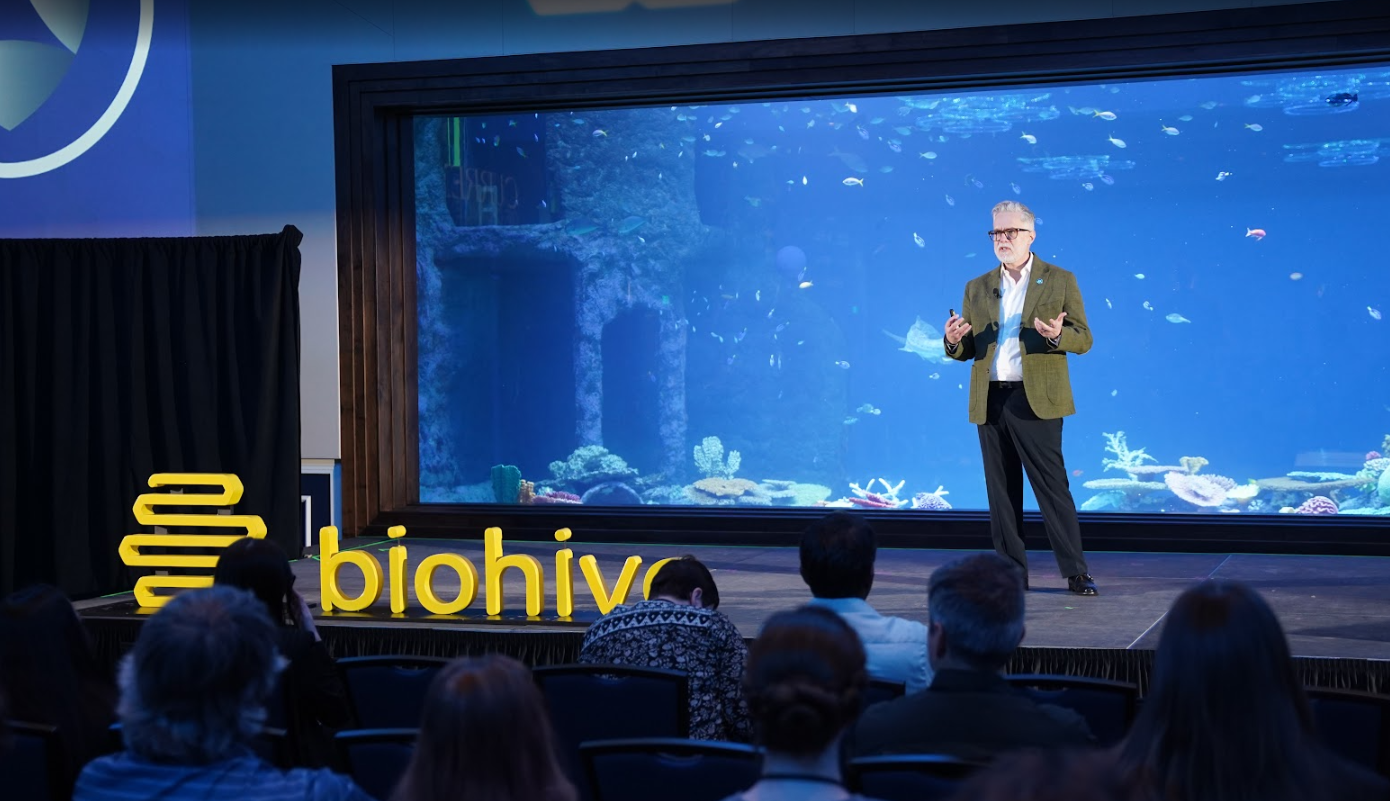
BioFire Defense CEO John Harris on stage at BioHive Live 2026, where he delivered a keynote connecting three decades of biotech innovation to its most human moments.
That story forms the emotional foundation for everything Harris leads today. BioFire Defense, a subsidiary of bioMérieux — the French family-owned diagnostics company that traces its roots to working alongside Louis Pasteur — grew directly out of technology developed at the University of Utah. Three researchers, Carl Wittwer, Kirk Ririe, and Randy Rasmussen, became world-renowned experts in PCR technology, licensed it from the university in 1991, and built a company called BioFire Diagnostics. bioMérieux acquired it in 2013, and out of that acquisition came BioFire Defense: a mission-driven organization focused on protecting military personnel, supporting public health agencies, and staying one step ahead of biological threats — both natural and man-made.
The technology at BioFire's core is genuinely remarkable. The FilmArray system can take a single patient sample and simultaneously screen for dozens of pathogens in roughly one hour. The respiratory panel covers more than 22 targets. A blood culture identification panel screens for approximately 43. A pneumonia panel covers 33. Rather than waiting 24 to 48 hours for lab results, clinicians get answers while the patient is still in front of them — enabling faster treatment decisions, fewer unnecessary antibiotics, and better outcomes.
Jenna Barbari, BioHive's Senior Communications Director, testing the clicker at BioHive Live. Credit: Austen Diamond
The newest platform, BioFire Spotfire, compresses that timeline even further, delivering respiratory results at the point of care in about 15 minutes.
For military and defense applications, BioFire Defense takes this same platform into contexts where the stakes could hardly be higher — battlefield diagnostics, pandemic response preparedness, and biosurveillance for the Department of Defense, CDC, and other federal health agencies. The company has secured major multi-million dollar government contracts across those agencies and employs more than 3,500 people in Utah, making it the second-largest life sciences employer in the state.
Harris wrapped his remarks the way he began them — with Utah. "This technology was born and raised right here in Utah, just like me," he said. "We started in a University of Utah lab. It was nurtured by Utah minds and Utah hands, and is now being delivered globally, with its heart still firmly planted in the state of Utah."
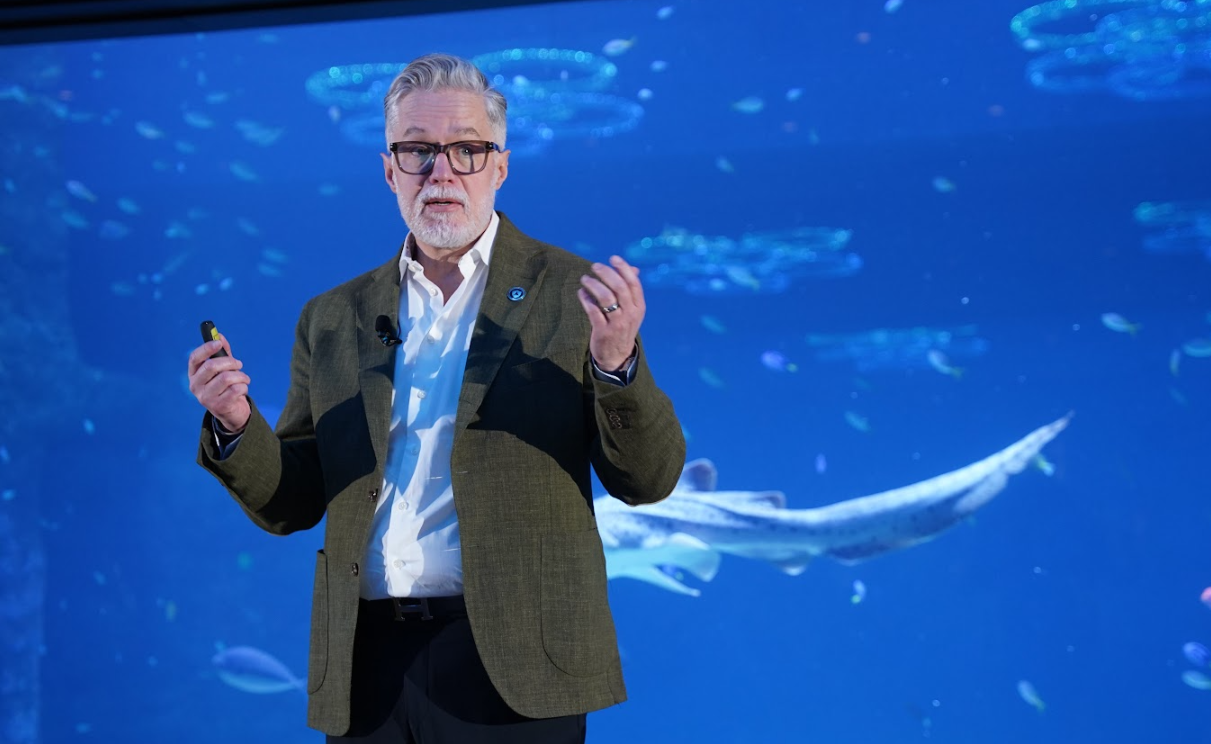
John Harris, CEO of BioFire Defense, speaks at BioHive Live 2026, sharing how Utah-born PCR technology is now protecting military personnel and communities from biological threats around the world.
Breakthrough Strong: Tracy Milgram's Story of Turning Fear Into Force
If Harris's story was about the power of technology to relieve suffering, Tracy Milgram's was about the power of community to sustain people through it.
Milgram, founder and president of BRCA Strong, took the stage to share a journey that began at age 21, when a genetic test revealed she carried the BRCA2 mutation — a hereditary variant that gave her an 87% lifetime risk of breast cancer and a 67% risk of ovarian cancer. She was barely out of college when she received news that would reshape the entire arc of her life.
For the next decade, Milgram lived with that knowledge, navigating the emotional weight of what's known as being a "previvor" — someone who faces a significant genetic risk but has not yet been diagnosed. At 32, she made the decision to act: a full hysterectomy, followed by a bilateral mastectomy.
The medical journey was grueling. But what struck Milgram almost as much as the physical experience was what was missing from it: community, preparation, and support specifically designed for women facing prophylactic surgery. Women who were making difficult, proactive choices about their own bodies in the face of a genetic sentence — and doing it largely alone.
So she built what she had needed. BRCA Strong began as a way to provide care packages for women before their mastectomies — practical items, comfort items, and perhaps most importantly, a message that someone understood what they were going through. The organization has since expanded to include post-mastectomy bras, emotional support resources, and a broader community for previvors and survivors alike.
The numbers tell part of the story: BRCA Strong has reached more than 11,000 women. Milgram has received a Presidential Lifetime Achievement Award in recognition of the organization's impact. But the more important metric, the one Milgram kept returning to in her remarks, is the one you can't easily quantify — the moment a woman opens a care package and realizes she is not alone.
Her message to the BioHive Live audience was pointed and practical: genetic awareness saves lives. The BRCA mutation, and others like it, are detectable. That knowledge is power. And the support systems that help people act on that knowledge — the organizations, the communities, the care packages sitting on a doorstep the night before surgery — are as much a part of the healthcare ecosystem as any diagnostic device or drug.
The Bigger Picture
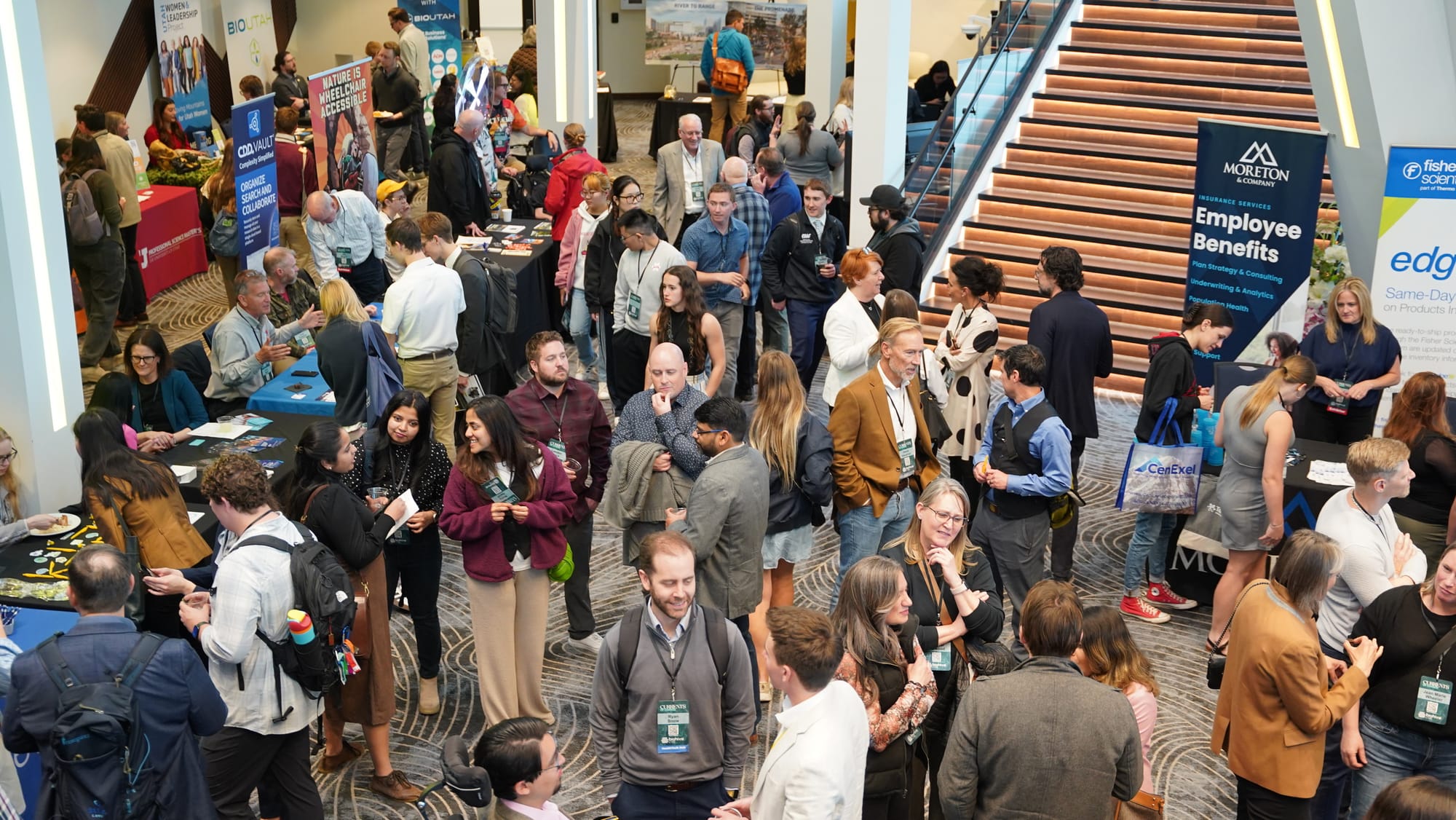
BioHive Live 2026 included a 40-table exhibit hall packed with startups, enterprise companies, and investors, as well as structured networking designed to foster real collaboration.
The conference sits at the center of BioHive Week, a broader slate of events running April 13–17 that includes Altitude Lab's Demo Day, the University of Utah's Bench to Bedside Awards, startup-focused programming, and the Best of BioHive Awards Gala — an evening celebration recognizing Utah's top companies and individuals driving patient impact across the life sciences sector.