QNTUM Bets High-Tech Sales Can Reinvent Roofing After Solar’s Volatile Ride
QNTUM (Lehi, UT), founded by Gary Gietz, Ryan Roche, and Greg Butterfield, applies high-tech sales systems and AI to roofing, pivoting from solar volatility to build a scalable home-services platform.
When Utah-based QNTUM spun out of Energy Service Partners (ESP), the move wasn’t about chasing the next shiny thing. It was about survival—and opportunity.
For nearly a decade, ESP built a strong business in residential solar, riding a wave of subsidies, aggressive door-to-door sales, and consumer appetite for clean energy. But by the early 2020s, the cracks were obvious. Policy shifts, financing changes, and state-by-state regulatory friction made solar harder to sell and harder to scale.
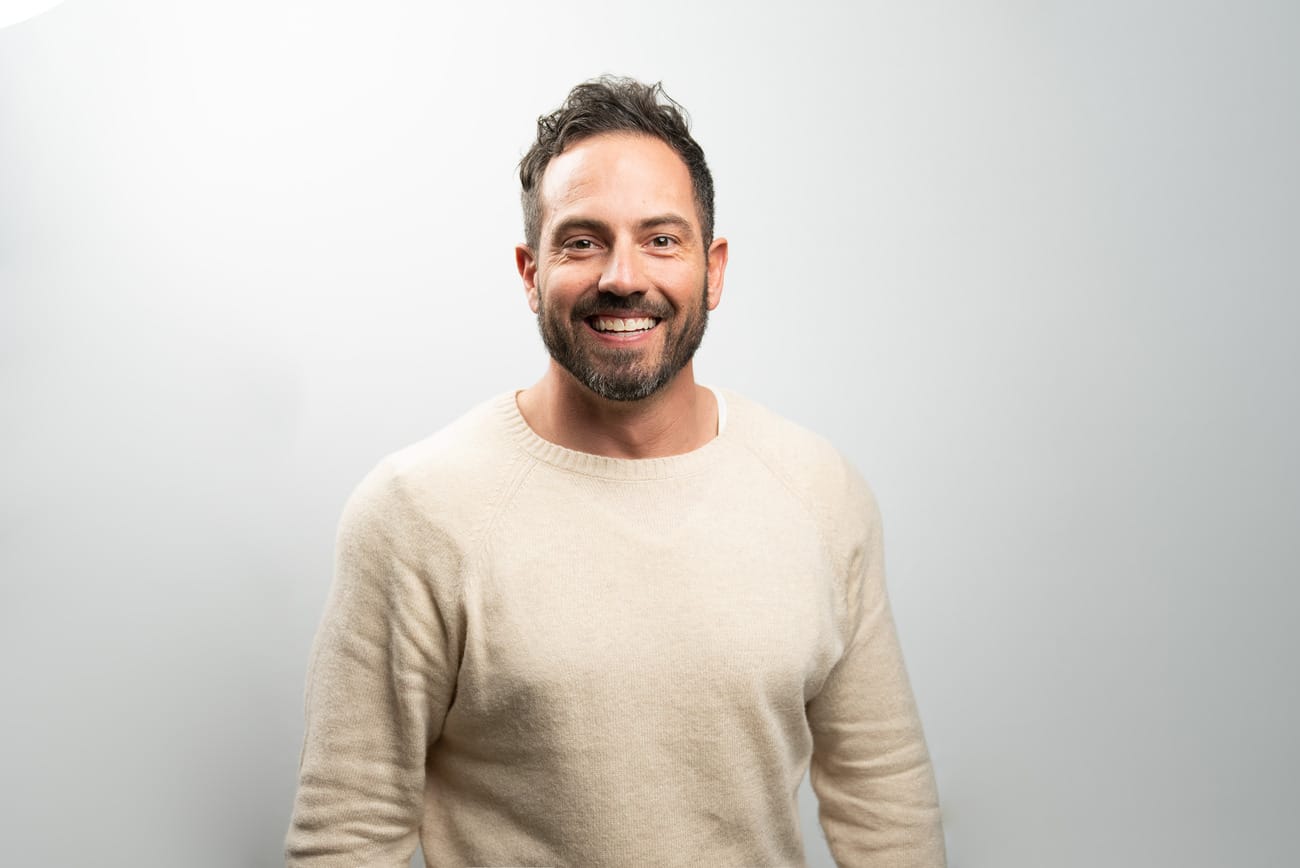
Ryan Roche, Co-founder and CEO, QNTUM
“Solar just isn’t what it used to be,” said Ryan Roche, QNTUM co-founder and operating CEO of its home services business. “In a lot of states, it’s just not very viable anymore.”
Instead of doubling down, ESP’s leadership looked sideways. Inside the solar business sat a roofing division that had quietly grown into a $10–15 million-a-year operation. Roofing, they realized, offered something solar increasingly did not: predictability.
“There wasn’t a ton of excitement in expanding solar,” Roche shared with TechBuzz. “But roofing is straightforward. People will always need it.”
From Optional to Unavoidable
The contrast between solar and roofing is central to QNTUM’s bet.
Solar, Roche said, is fundamentally optional. Consumers can live without it, delay it, or walk away when the economics change. Roofing is different. When a roof fails, the decision isn’t ideological or financial—it’s mandatory.
“When you need a new roof, you just need a new roof,” Roche said. “It’s like arguing with your tire guy. He’s like, ‘Sir, they’re bald, the wire is showing.’”
Roofing has existed for centuries, and demand is relentless. An estimated ~5 million residential roofs are replaced annually in the U.S., according to industry data from the National Roofing Contractors Association. Unlike solar, the value proposition doesn’t depend on tax credits or future utility rates.
That inevitability is what made roofing attractive not just as a business, but as a platform.
High-Tech Meets a Paper Industry
Roofing may be essential, but it is also deeply fragmented and technologically backward. Many contractors still rely on paper contracts, manual inspections, and family-run operations passed down through generations.
QNTUM’s premise is that this gap—not roofing materials or labor—is where the real opportunity lies.
“A lot of these companies are still using paper contracts,” Roche said. “Introducing AI to this space would blow your mind.”
QNTUM applies the same playbook that helped Utah-based companies disrupt home security and residential solar: elite sales culture paired with technology and process. Its systems include AI-assisted sales tools, drone-based roof inspections, storm-damage data overlays, and canvassing software that allows reps to arrive at a home with images and evidence before knocking on the door.
“I can show a homeowner images of their roof before I ever climb up there,” Roche said. “That changes the conversation completely.”
The goal is not just efficiency, but credibility. When homeowners feel a salesperson understands their roof better than they do, resistance drops quickly.
Door-to-Door, Upgraded
Despite its tech ambitions, QNTUM isn’t abandoning door-to-door sales. It’s refining it.
Storm data identifies neighborhoods likely to have roof damage. Drones capture aerial imagery. Reps offer free professional inspections—often confirming damage, sometimes reassuring homeowners they still have years left. One inspection frequently leads to several more as neighbors compare notes.
“It’s just the nature of the product,” Roche said. “You have to see the damage to understand the problem.”
What’s changed is how much information the salesperson brings to the door. Roofing sales, once based on persuasion alone, now lean heavily on data and visuals.
Sales Infrastructure as the Real Product
QNTUM’s most distinctive feature isn’t roofing at all—it’s how it treats salespeople.
Roche, a 21-year veteran of direct sales and former CRO of Blue Raven Solar, has built his career around scaling large, high-performance sales organizations. His critique of traditional direct sales is blunt: too much is left to the individual.
“Historically, it’s been: here’s the product, go sell it, recruit your own team, generate your own leads,” he said. “Most people can’t do all of that well.”
QNTUM centralizes much of that burden. The company automates recruiting, supplies inbound and digital leads, uses setter-closer models, and provides operational support that extends careers beyond the burnout-prone door-knocking years.
“We want to create a better lifestyle for people in direct sales,” Roche said. “That’s a job you could do to the day you die.”
This approach also explains QNTUM’s timing. As solar slows, experienced sales talent is looking for somewhere else to deploy its skills. Roofing offers a safer landing zone.
Leadership With Utah DNA
QNTUM is led by a trio of executives with deep roots in Utah’s sales, construction, and technology ecosystems.
Co-founder and Operating CEO Ryan Roche brings more than 20 years of experience building and scaling high-performance direct sales organizations. He previously served as Chief Revenue Officer at Blue Raven Solar, where he helped expand national sales operations during the residential solar boom. Roche’s career has centered on systemizing sales, recruiting, and operations—expertise he is now applying to modernize roofing and home services through technology-enabled processes.
Gary Gietz, CEO of Energy Service Partners, provides the construction and operational backbone behind QNTUM. A veteran executive with more than four decades in residential construction and energy services, Gietz spent nearly 30 years leading luxury home projects as CEO of Gietz Master Builders before pivoting into renewable energy and contracting businesses. His experience scaling construction-driven organizations helped turn ESP’s roofing division into the foundation for QNTUM’s spinout.
Gary Gietz, CEO, Energy Service Partners and Co-Founder, QNTUM
Serving as co-founder and chairman, Greg Butterfield brings decades of technology leadership and company-building experience. Best known for leading Altiris from early growth through a successful IPO and acquisition by Symantec, Butterfield has also served as CEO of Vivint Solar and held senior roles at Symantec, Novell, and WordPerfect. As founder of SageCreek Partners, he has advised and invested in dozens of technology companies, earning a reputation in Utah’s tech community as a disciplined operator and mentor focused on long-term value creation.
Greg Butterfield, Co-Founder and Chairman, QNTUM
“People always want to know what Greg Butterfield is working on,” Roche said.
Roche himself sits between them, running day-to-day operations. “I’ve got Gary on one shoulder and Greg on the other,” he said. “That's a powerful combination.” He posted similar sentiments on LinkedIn: "Everyday I get to go to battle with two incredible mentors—Gary Gietz and Greg Butterfield."
QNTUM is headquartered in Lehi, Utah, and currently employs about 50 full-time staff, with roughly 100 salespeople already active. Leadership expects rapid scaling as the brand gains visibility.
Why QNTUM Isn’t “Quantum Roofing”
The company’s name is deliberate. QNTUM avoided branding itself narrowly as a roofing company because roofing is only the first step.
“We want to be such a trusted partner that homeowners come to us for all kinds of solutions,” Roche said.
The strategy is to earn trust with the most critical part of a home—the roof—then expand into adjacent home services over time. Roofing is the foundation, not the ceiling.
The name also nods to QNTUM’s technology ambitions, referencing quantum computing and automation as signals of where the company intends to go, even if today’s execution remains firmly grounded in shingles and inspections.
The Real Test Ahead
QNTUM’s vision is compelling: bring high-powered sales systems and modern tech into an industry that hasn’t changed much in decades. QNTUM is betting that predictability beats hype, that roofing’s inevitability will outlast solar’s volatility, and that process—not product—will determine the winners in home services.
As Roche put it, “Everyone needs a good roof over their head.” The question is whether QNTUM can build a platform sturdy enough to support everything it wants to place on top of it.