Eris Biotech (Provo, UT) is developing an oral small-molecule therapy that reawakens the immune system to fight cancer. Co-founders Evita Weagel and Rachel Garlick aim to deliver effective, accessible, patient-centered treatment worldwide.
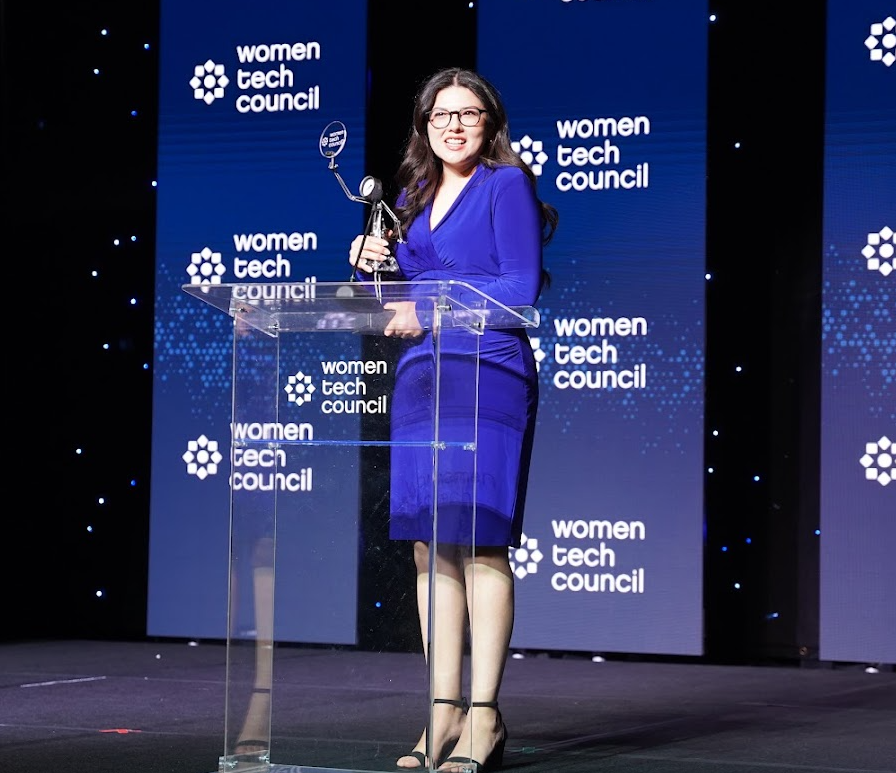
Evita Weagel, PhD, a biologist and entrepreneur, and recipient of the Biotech Disrupter Award at the 2025 Women Tech Awards, is the co-founder and CEO of Eris Biotech, along with co-founder Rachel Garlick. Their startup is developing small molecules that teach the immune system to fight cancer — and they launched it in January 2024 with a bold goal: create patient-centered cancer therapeutics that are far less toxic than what cancer patients face today.
The idea for Eris Biotech first sparked during a casual lunch at Cafe Rio in Lehi. “We honestly just had lunch one day. We’re catching up — we’ve been friends for over 12 years — and on a napkin, we were just chatting, and came up with this idea,” Weagel recalled. Both had spent years working in cancer research and had seen the same troubling problem. “A lot of the therapeutics being developed were really toxic… it’s like a constant race of what kills you first,” she said.
Rachel Garlick, a specialist in cell therapies, loved the science but understood how few patients could access those treatments because of their cost. Garlick and Weagel began to imagine an alternative — something powerful, practical, and truly patient-focused. Weagel called a chemist friend to sanity-check the idea: “Is this even possible?” He didn’t hesitate. “Yes.” That was enough. We quit our jobs and built the company. Within a few months, we landed a Utah Technology Innovation Grant and a spot in Y Combinator’s Winter 2024 batch."
As they refined the idea, both founders leaned into their strengths. “Rachel’s an immunologist, and I’m a drug developer — but my PhD was in cancer immunology,” Weagel explained. “I studied the tumor microenvironment, and I was really passionate about understanding the processes happening there.” One of the biggest problems in cancer treatment, she said, is how tumors communicate with their surroundings in ways that shut down the immune system. “Our best weapon to fight cancer is our immune system,” she stated. “But chemotherapy kills it. So you’re exposed to everything, and you’re losing your body’s natural ability to fight disease.”
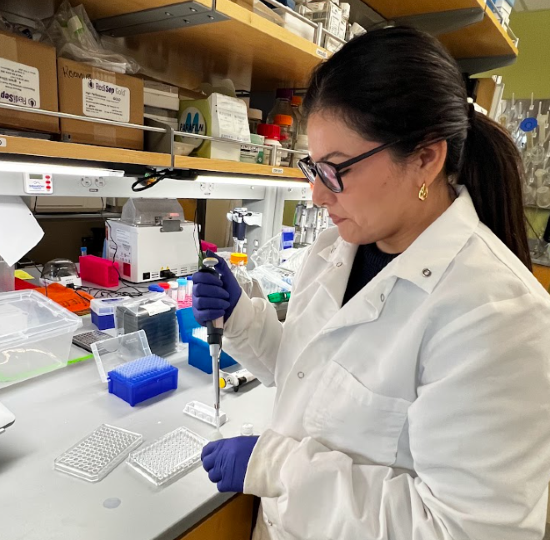
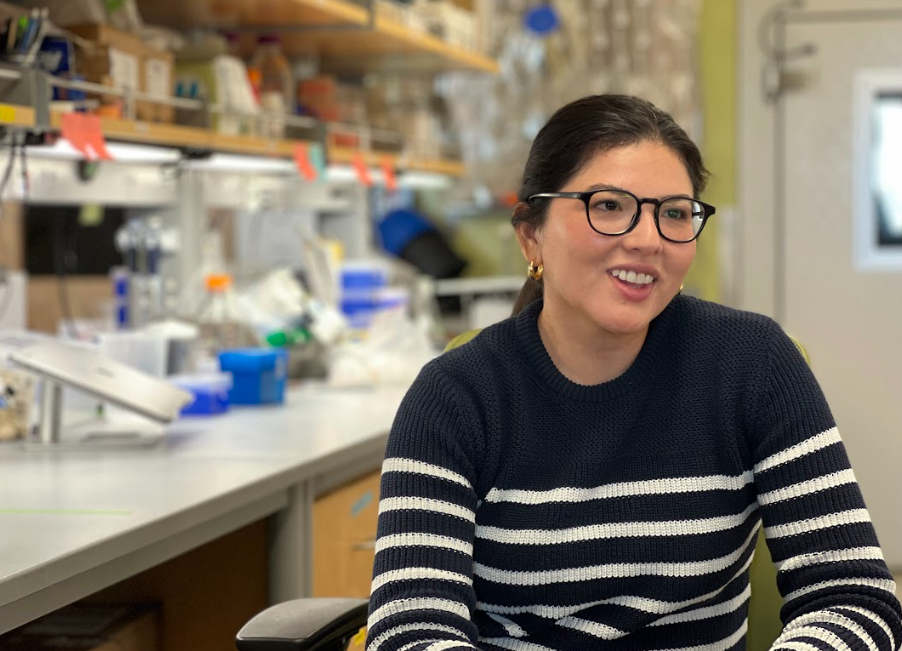
Evita Weagel, Co-founder and CEO, Eris Biotech
Weagel wanted to develop something that worked with the immune system instead of wiping it out. “I wanted to harness the power of the immune system inside the tumor microenvironment,” she said. With Garlick’s immunology background and experience in cell therapeutics, the partnership felt almost inevitable.
Their commitment to patient accessibility shaped the form of the therapy, too. “Since we wanted to do something very patient-centric, we came up with this idea of making it in a pill form,” Weagel explained. Many cancer treatments require long drives and entire days spent at infusion centers. “Imagine living in rural Utah and having to drive three or four hours for treatment,” she said. A pill would change that completely. “We wanted geography not to matter. We wanted everyone to have the same access to life-saving medications.”
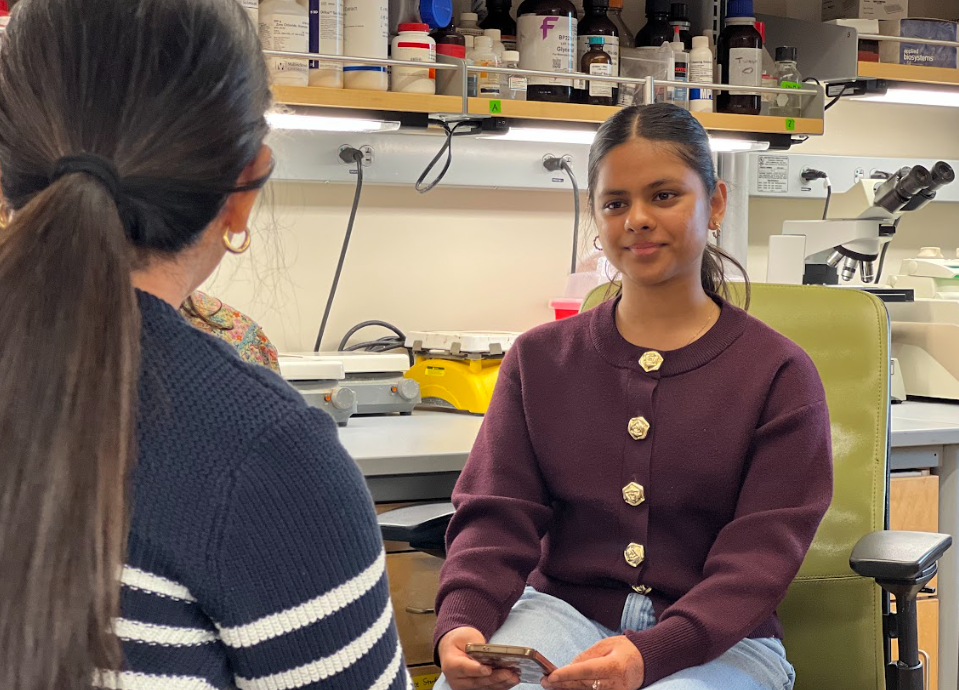
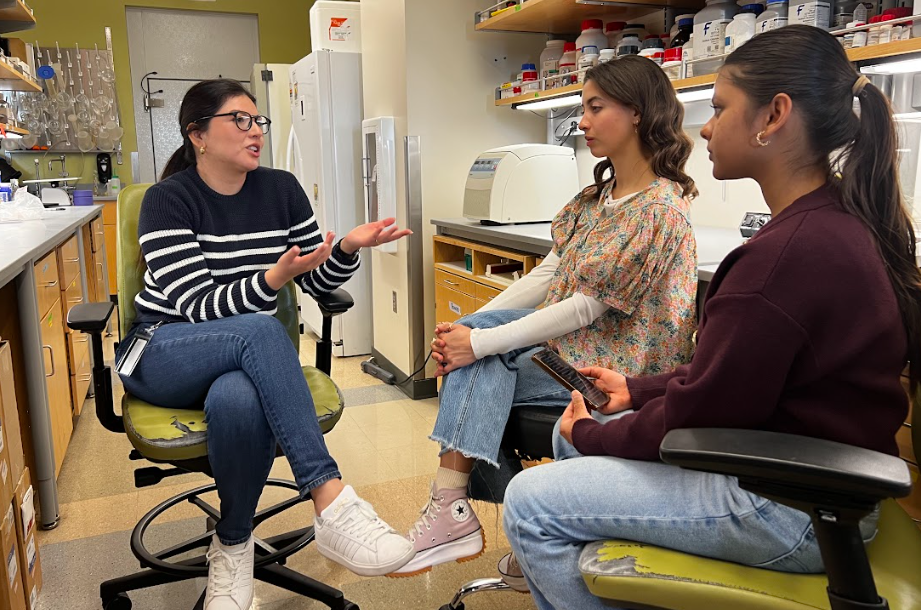
Siya Jain interviewing Evita Weagel, Co-founder and CEO, Eris Biotech
For Weagel, that motivation is deeply personal. Growing up in Peru, she saw countless people lose access to care simply because they couldn’t travel to Lima. “A lot of good healthcare is concentrated in the capital,” she explained. “People without the resources to travel are left without treatment. That was a huge motivation for me to make this into a pill.”
Now, that pill is showing powerful early results. “This pill goes into tumors and shuts off the communication between the tumor and the tumor microenvironment,” Weagel explained. Cutting off that signal allows the immune system to “wake back up” and kill the tumor on its own. In early mouse-model studies, the results have been striking. “Right now, our drug is curing 33% of the mice we treat — those mice end up with zero tumors. And the rest have tumors that are, on average, only half the size of the placebo group.” For an early-stage therapy, that’s unusually strong. “We’re still optimizing it, so the final version is going to be even better,” she said.
Their momentum hasn’t slowed. “We started in January 2024 and moved really fast,” Weagel said. She even applied for a National Science Foundation grant and received strong reviews — but didn’t get funded because a reviewer said her proposed milestones weren't possible within a year. Weagel laughed. “I did it in like four months.”
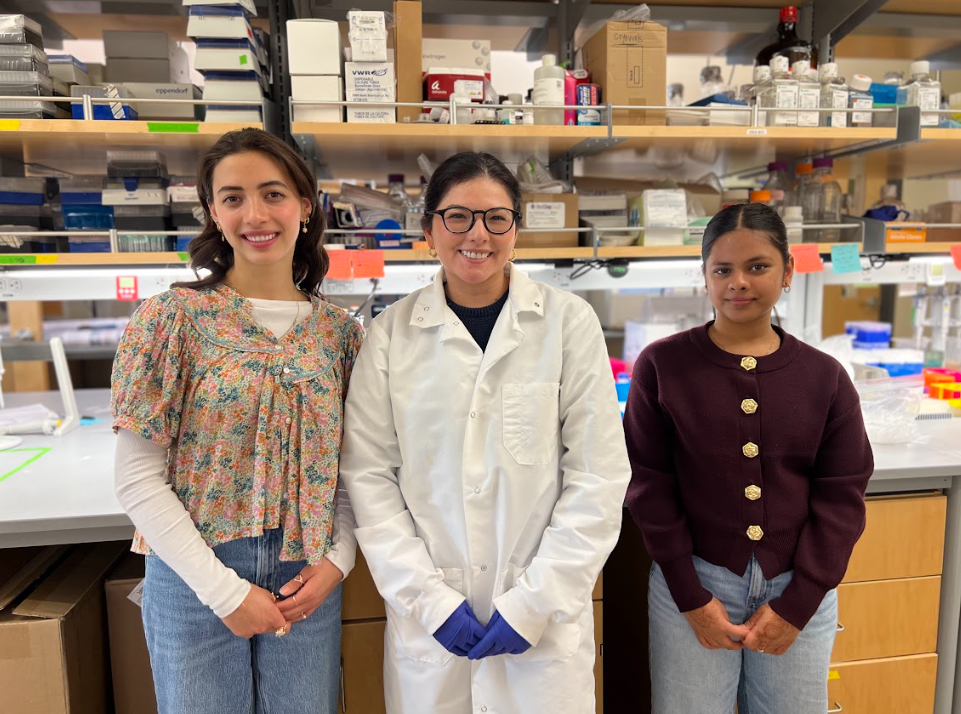
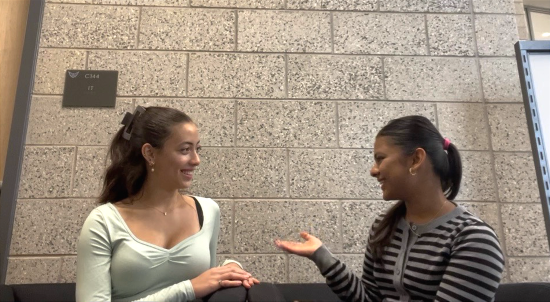
Izzie Larson and Siya Jain
Behind that speed is a lifetime of determination. Weagel’s fascination with science started in sixth grade, when a lesson on DNA pulled her in completely. “I told my dad I wanted to read as many books as I could about it,” she said. Her path from Peru to the United States was shaped by both ambition and sacrifice. Inspired by her aunt, a physician, she left high school thinking she should go into medicine but when she started doing research, she discovered her real passion. She told her parents she needed to study molecular biology in the U.S. — and they responded by selling their house to make it possible.
Mentorship also guided her path. Dr. Kim L. O’Neill, a professor of Microbiology & Molecular Biology at BYU, became a crucial mentor. “He took me under his wing after my freshman year, encouraged me to pursue a PhD when I was thinking of going back to Peru, and stayed a mentor throughout my PhD,” she said. That period sparked her deep dive into tumor–immune system communication and eventually led her into drug development.
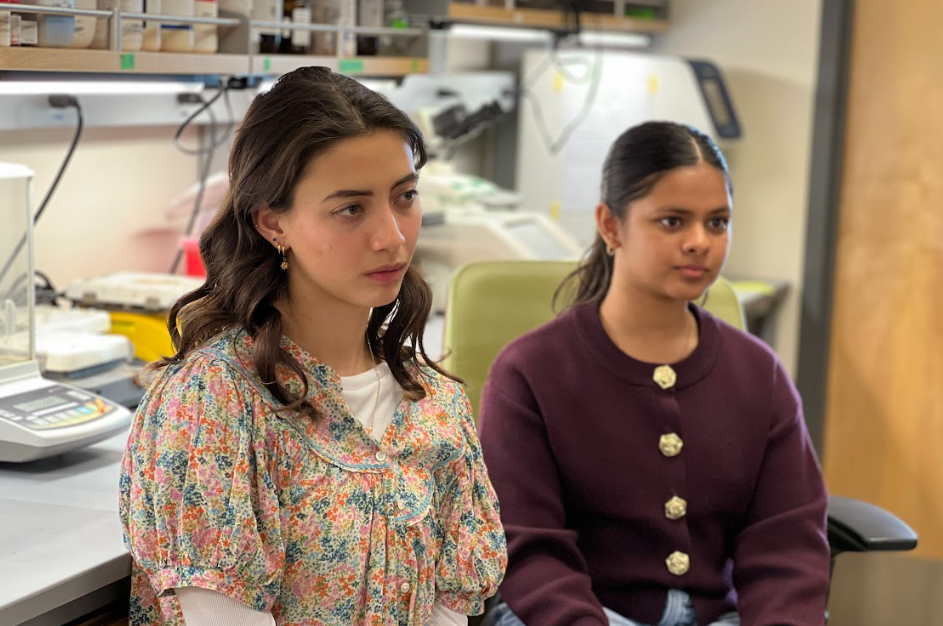
Dr. Evita Weagel, Izzie Larson and Siya Jain
Starting Eris wasn’t easy. “One big challenge was finding the right support,” Weagel said. But mentors like David Bearss, CEO of Halia Therapeutics, offered lab space and collaborated on early work, helping the young company gain traction.
Today, Weagel and Garlick are partnering with Memorial Sloan Kettering in New York — one of the world’s leading cancer research centers — to push their therapy even further. Among Weagel’s proudest achievements is her team’s ability to turn a bold hypothesis into real, measurable results. And her long-term dream is clear: bring this treatment to Peru, where access to healthcare is limited.
Evita Weagel's story is a reminder of what determination, creativity, and courage look like in real life — and how a simple napkin sketch can become a potential breakthrough for patients who need it most.
Evita Weagel PhD receiving the Biotech Disrupter Award at the 2025 Women Tech Awards, October 3, 2025, Grand America.
Siya Jain is a student at Cedar Valley High School in Eagle Mountain, Utah, and has been active in SheTech for over two years. Aspiring to become an entrepreneur, she develops her skills through coursework, leadership roles, and hands-on experiences, including networking with local founders and operators. Siya serves as SheTech president at her school and is a member of the program’s student board, helping to lead and represent her chapter.
Also from Cedar Valley High School, Izzie Larson is a senior pursuing an Associate’s Degree from UVU. She has a strong interest in linguistics, hydroponics management, and business communications, and is passionate about impromptu and public speaking.
Through the SheTech Media Internship with TechBuzz News, Siya and Izzie interview and write about Women Tech Awardees. Their reporting has been published on TechBuzz News, Silicon Slopes, and other media outlets.
Share this article
The link has been copied!
Your link has expired. Please request a new one.
Your link has expired. Please request a new one.
Your link has expired. Please request a new one.
Great! You've successfully signed up.
Great! You've successfully signed up.
Welcome back! You've successfully signed in.
Success! You now have access to additional content.