Utah Taps YouScience to Build Statewide Career Mapping System Under New First Credential Law
Utah has awarded YouScience (American Fork, UT) a statewide contract to build longitudinal career mapping infrastructure connecting middle school through postsecondary education, giving students, parents, and counselors data-driven tools to align credentials with workforce demand.
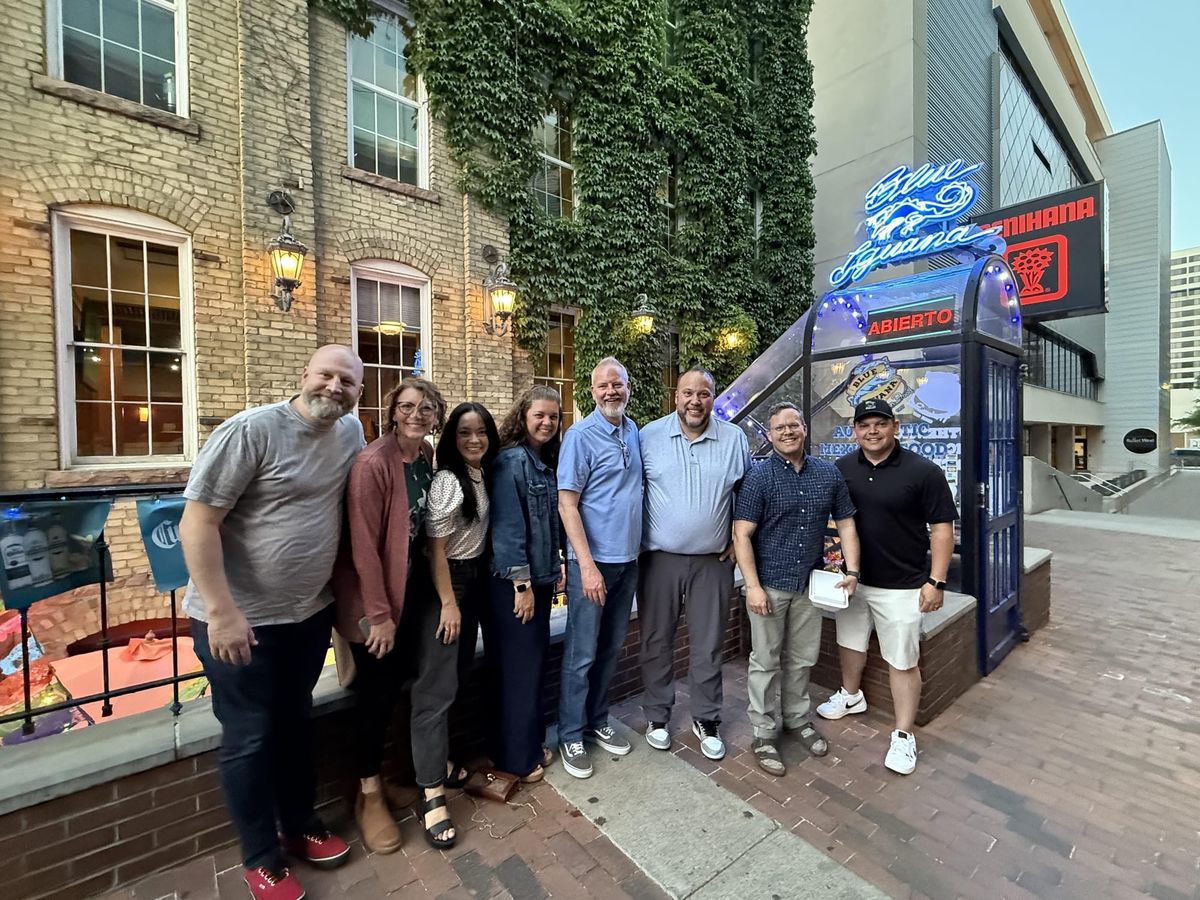
Members of the YouScience team in downtown Salt Lake City
Members of the YouScience team in downtown Salt Lake City
A statewide contract marks a turning point in how Utah connects students from middle school to meaningful careers
American Fork, Utah — April 3, 2026
When the Utah State Board of Education recently awarded YouScience a statewide contract to deliver what it's calling the First Credential Career Mapping Tool, it wasn't just a technology procurement. It was the operational expression of a decade-long policy push, a recognition that career readiness in K-12 education has been more aspiration than infrastructure. The gap between the two is costing students, institutions, and the broader economy dearly.
The contract, tied to the implementation of HB 260, sponsored by Rep. Val L. Peterson and Sen. Ann Millner, requires Utah students to graduate with a meaningful "first credential" that is stackable, connected to postsecondary credit, and aligned to workforce demand. It's a significant departure from the way career preparation has historically worked in American high schools: a combination of well-meaning but underpowered counseling, generic college-prep tracks, and a hope that students will figure things out once they arrive at a university or trade program.
YouScience CEO and co-founder Edson Barton has been working with the state on this problem since 2006. He described to TechBuzz how the new contract as "not quite the full culmination, but close" to two decades of work. "What we're really focused on as a company is impact," Barton said. "We want to see outcomes, not just facilitate a program."
Edson Barton, CEO, YouScience
The Problem This Is Designed to Solve
The labor shortage driving urgency around this initiative isn't new to economists or workforce planners. Baby boomer retirements, rising skill requirements, and a structurally smaller workforce have been converging for years. What's different now, Barton argues, is that the economy no longer has the slack to absorb mismatched graduates.
"We had plenty of people to throw at problems," he explained. "Some didn't work out. Bu that was OK, because there was always somebody else behind them. Well, that's not true anymore. We need all of those people to be very effective when they reach that problem-solving phase of their careers."
The systemic response, at least in Utah's model, is to move upstream: give students better information earlier, connect that information to class selection, credential pathways, and postsecondary options, and make the whole chain transparent to students, parents, and counselors alike.
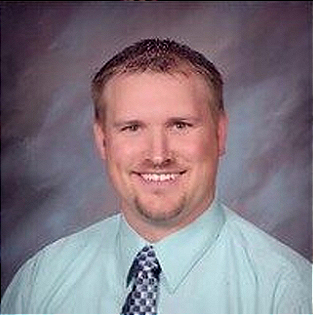
Jonathan Frey, CTE Coordinator, Utah State Board of Education
Jonathan Frey, CTE Coordinator at the Utah State Board of Education, framed it this way: "By providing a statewide mapping tool to support the requirements of HB 260, we are helping students better align their education with high-demand career opportunities and strengthening the state's workforce pipeline."
What the Platform Actually Does
YouScience's platform, Brightpath, was already deployed across Utah before this contract. Every high school student in the state currently uses it in some capacity. The new award expands that foundation considerably, turning what was a career exploration and aptitude tool into a full longitudinal planning system connecting middle school through graduation and into postsecondary enrollment.
The expanded platform will give students the ability to build a four-year high school plan tied directly to career interests and aptitude data, not guesswork. Barton described the current state of four-year planning with characteristic candor: "Today it's just guesswork. It's done largely on paper or in some spreadsheet."
Under the new system, a student who identifies an interest in engineering, for example, will see the specific high school courses aligned to that path, the postsecondary programs that connect to those courses, and the credentials that create stackable value in the labor market. It is all surfaced from a single platform, updated as the student's interests evolve.
Key capabilities being rolled out include aptitude-based college and career planning starting in middle school; automated tracking of concentrator status and stackable credential progress; integration with the Utah System of Higher Education for scholarship eligibility and Admit Utah alignment; expanded family access so parents can follow along with aptitude results and pathway progress; and state and district dashboards for real-time compliance and credential reporting.
The integration with higher education institutions is particularly notable. Rather than students arriving at a college or university and being asked, essentially from scratch, what they want to study, they'll arrive with a documented trajectory, and one that postsecondary advisors and admissions staff can engage with meaningfully.
The Counselor Problem
Perhaps the most pointed part of Barton's diagnosis concerns high school counseling. It is a profession he respects deeply but believes has been set up to fail.
"No high school counselor went into that work, earned their master's degree or PhD in counseling, to work with students for 10 to 15 minutes in their entire high school career and get no results," he said. "That's not why they went into that profession. But we haven't provided those counselors, and the students and the parents, with the tools to understand how to have that conversation properly."
The structural problem is familiar: counselors are expected to know everything, every career path, every college program, every student's psychology, with almost no actionable data about the individual sitting across from them. What tends to happen instead is that counselors grasp at whatever fragments a student offers in a brief meeting and try to build guidance from it.
With Brightpath's expanded toolset, a counselor's session changes fundamentally. Instead of beginning with "what do you want to do?", a counselor can open a student profile showing documented aptitudes, previously explored career interests, courses already taken, and auto-populated course recommendations aligned to the student's chosen direction. The conversation shifts from extraction to guidance. "Now I'm having a real dialogue," Barton said.
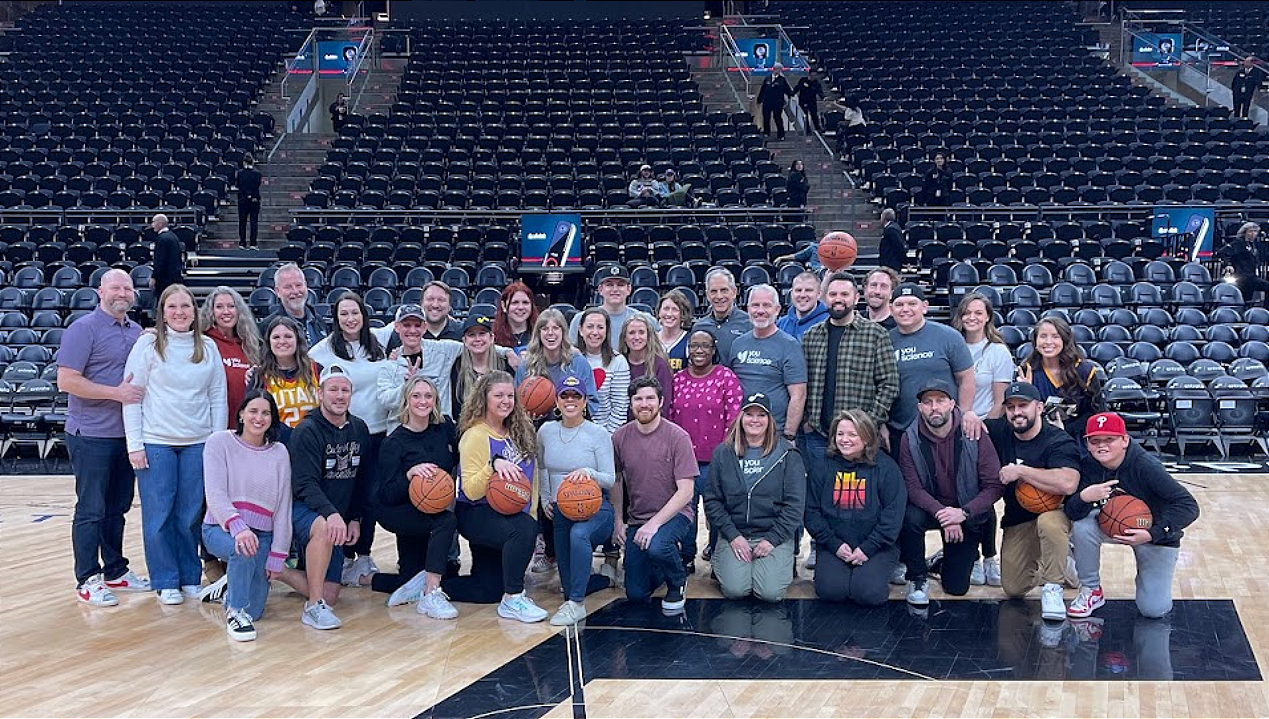
The YouScience Sales Team at a Utah Jazz Game Experience event
Managing the Inertia of Institutions
Any technology contract with education institutions eventually runs into the same challenge: the people making the purchase decision are rarely the people who have to change their daily habits. Teachers, counselors, and department heads are the ones who determine whether a new system becomes embedded practice or shelfware.
Barton is candid about this risk. And he is deliberate in his approach. "You can't change education overnight, and you can't change it by forcing it without all of the proper pieces being in place," he shared. "I always take the position of start with where they're at."
In practice, that means building on existing workflows rather than displacing them. Counselors are already using Brightpath data for career and technical education requirements. The new contract layers additional capability onto those existing touchpoints — a longitudinal plan that replaces the paper or spreadsheet version counselors were already maintaining, with richer data and live postsecondary connections. The ask isn't to do something entirely new; it's to do the same thing better, with better tools.
"As they can see it working in one area," Barton noted, "they're more ready to make the bigger change when we're ready to make that bigger change."
A Model for Other States
Utah is now among a small group of states attempting to operationalize first credential policy through a unified, statewide technology infrastructure, rather than relying on individual districts, schools, or charismatic educators to sustain programs that tend to disappear when their champions move on.
That institutional durability is arguably as important as the technology itself. Programs built around individuals collapse when those individuals leave. Programs built into statewide systems, credentialing frameworks, and legislative mandates are harder to unwind.
YouScience has run similar summits in other states and is hosting its second annual Future Forward Summit in Utah on April 8, 2026 at the Little America Hotel in downtown Salt Lake City. It the company's second annual event of its kind in Utah; the company has hosted similar events in other states. Future Forward is designed to bring together employers, industry associations, universities, and K-12 stakeholders to strengthen the education-to-career continuum in person. It's a signal that the company sees its role as connective infrastructure across those groups, not just a software vendor to any one of them.
Barton put it plainly: "Utah is demonstrating what it looks like to move from policy to practice."
Phased delivery of the First Credential Career Mapping Tool begins immediately, with full operational readiness expected during the 2026–2027 school year. Barton said he welcomes scrutiny of the results. "In six months or a year, I want TechBuzz to come back and ask what impact have we had on the state." That kind of accountability framing — outcome-first, not process-first — may be the clearest indication of how seriously YouScience is treating this moment.