Mark is Co-founder/Editor of TechBuzz News. From Ogden, UT, Mark attended WSU, BYU, and Tufts. He has been involved in tech, media, publishing since the 80s.
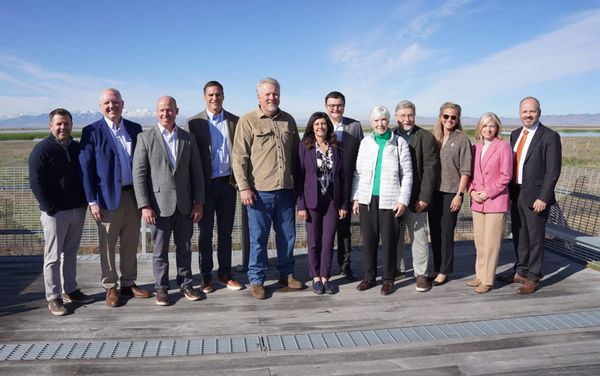
Utah business leaders and major foundations announced $30 million in philanthropic commitments Monday to save the Great Salt Lake, warning that without urgent water conservation and strategic water rights acquisition, the lake faces collapse within five years.
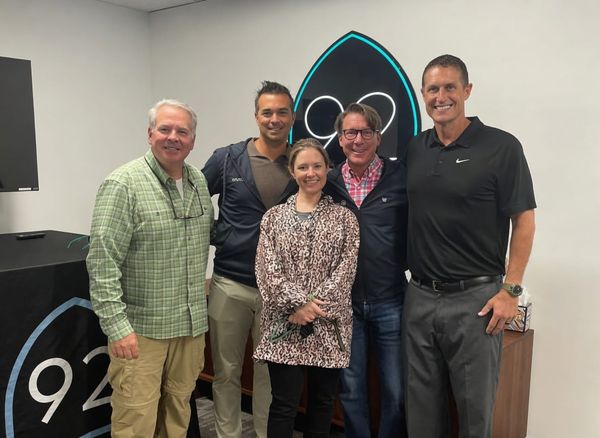
Route 92 Medical (West Jordan, UT) announced $50 million in growth financing to expand its integrated stroke treatment platform, aiming to accelerate commercialization, improve clot removal speed, and drive better patient outcomes globally.
Route 92 Medical (West Jordan, UT) announced $50 million in growth financing to expand its integrated stroke treatment platform, aiming to accelerate commercialization, improve clot removal speed, and drive better patient outcomes globally.
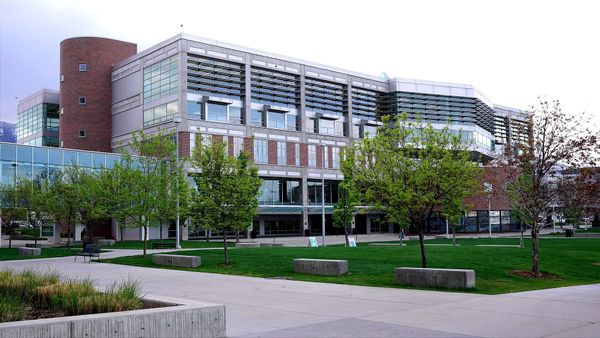
BYU classicist, Roger Macfarlane, who has spent more than three decades hunting for lost Latin literature in carbonized scrolls came to UVU with an honest assessment: most of the discovered Herculaneum papyri is barely readable. But what we might still find could change everything.
BYU classicist, Roger Macfarlane, who has spent more than three decades hunting for lost Latin literature in carbonized scrolls came to UVU with an honest assessment: most of the discovered Herculaneum papyri is barely readable. But what we might still find could change everything.
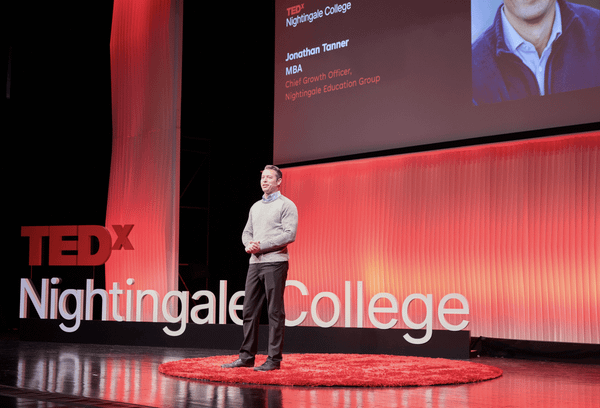
Nightingale College (Salt Lake City, UT) hosted a TEDxNightingale event that rallied national leaders to demand radical redesign of nursing education and workforce systems, as America faces a projected 350,000-nurse shortage within the decade.
Nightingale College (Salt Lake City, UT) hosted a TEDxNightingale event that rallied national leaders to demand radical redesign of nursing education and workforce systems, as America faces a projected 350,000-nurse shortage within the decade.
A Kentucky computer scientist, Brent Seales, spent 25 years cracking open carbonized scrolls buried by Vesuvius in 79 AD. Now, AI and X-ray imaging are reading them for the first time — and an entire ancient library may follow.