Filevine CEO Ryan Anderson discusses leading an AI architecture overhaul, rebuilding company culture through radical transparency, and his philosophy on paranoia, direct leadership, and Utah's competitive future in technology.
Ryan Anderson doesn't call himself a doubter. He calls himself paranoid.
"I don't doubt myself very much at all," the Filevine CEO told Tyler Jennings on stage at a recent Reference Group event. "But that is different from not being paranoid. I'm extremely paranoid."
For Anderson, that paranoia is the engine — the thing that keeps him asking hard questions and making uncomfortable calls. It's also what drove Filevine, now an 800-person legal and professional services software company, to its biggest quarter in company history.
The rebuild that got them there
Getting there meant tearing a lot down first.
Over the past year, Anderson led a defining overhaul of Filevine's AI architecture. He'd noticed competitors pulling ahead, and his own engineers couldn't explain why. That set off alarms. "The smart ones can always explain it," he said. "When I hear gobbledygook explanations, even from a technician, I get very nervous."
He brought in AI-native engineers and had to tell his existing team that the old approach wasn't working. It was a hard conversation. Anderson compared the situation to The Bridge on the River Kwai — the film in which an officer grows so proud of the bridge he's building that he forgets he's building it for the wrong side. Some of his engineers had the same problem: they'd built something real, something they were proud of, and now they were being asked to let it go.
Anderson didn't dismiss the difficulty of that. But he believed the company couldn't continue on its current path. He and his CTO had intense conversations about the future. Ultimately, the rebuild moved forward.
The results were immediate. Customers who see the new AI layer are signing contracts on the spot — including one recent $4 million deal from a buyer who walked in skeptical of Filevine's AI direction.
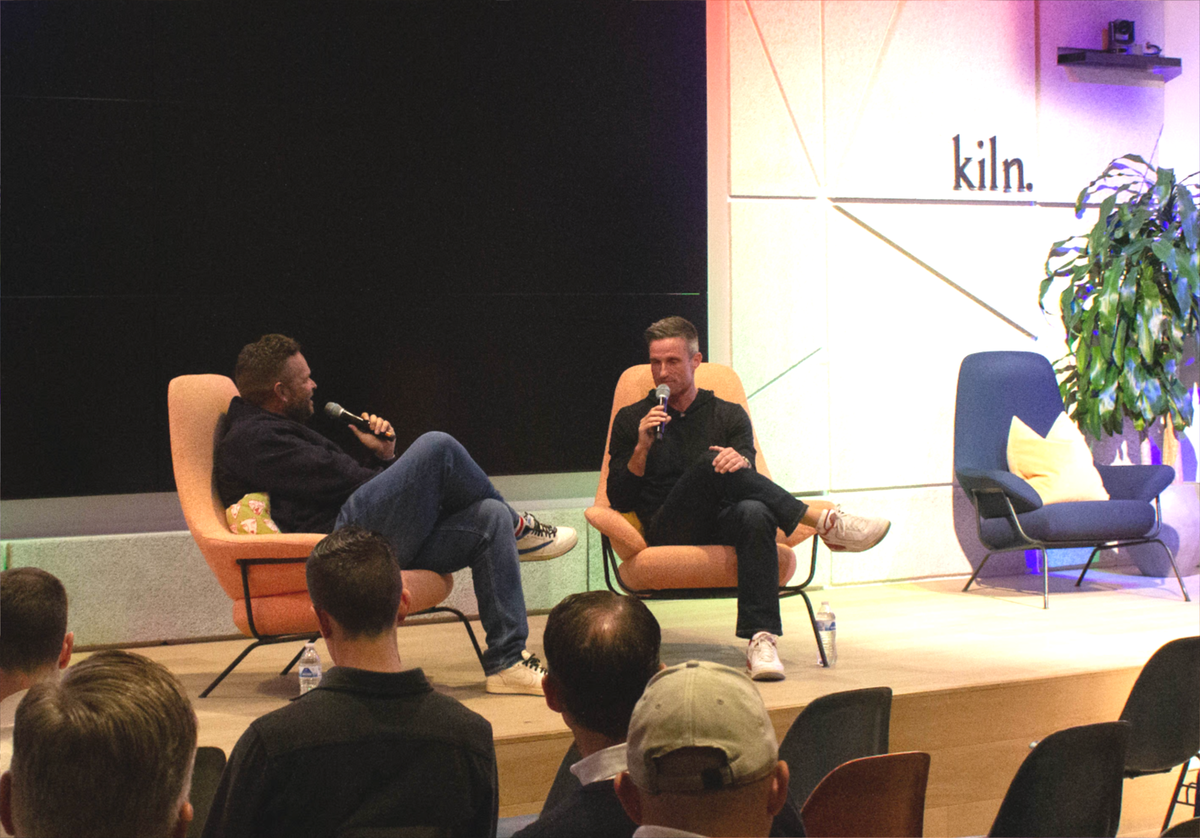
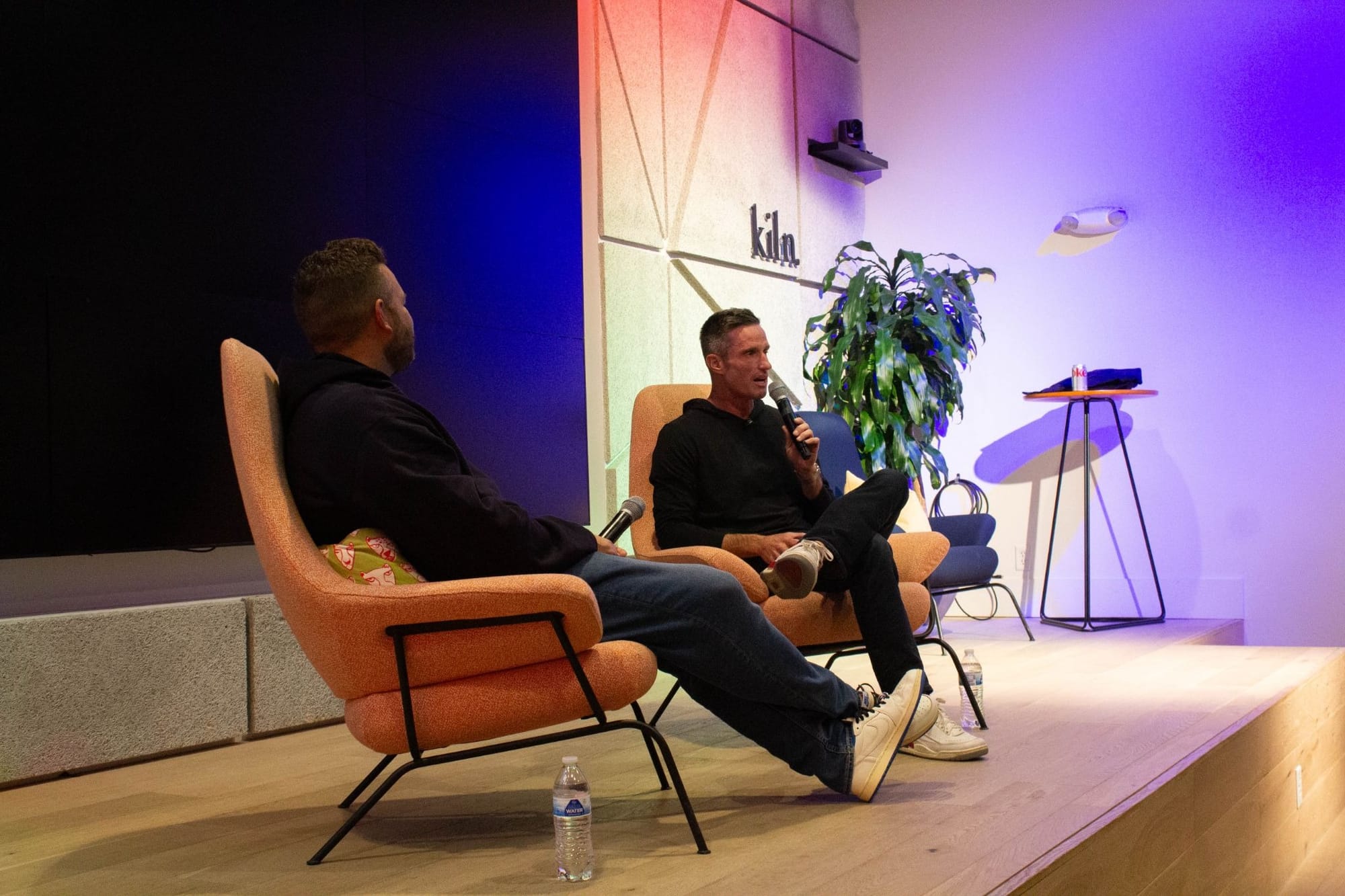
Ryan Anderson and Tyler Jennings on stage at Reference Group's latest event, hosted at the Kiln in Salt Lake City, Utah
Anderson and his CTO would find themselves in intense conversations regarding the future. Ultimately, the rebuild moved forward and Anderson says customers who see the new AI layer are closing on the spot. That includes a recent $4 million deal from a buyer who had walked in skeptical of Filevine's AI direction.
Hiring for the Hard Road
That same willingness to have uncomfortable conversations shaped how Anderson thinks about building a team.
He used to pay close attention to Glassdoor, but he doesn't chase five-star reviews anymore. A few years ago, one especially tough review prompted him to rethink his entire approach to hiring. He realized he hadn't been clear enough, up front, about what working at Filevine actually demanded.
His solution was a letter — a direct disclosure of the Filevine culture — that now goes out in every new hire packet. The first sentence tells candidates they're opting into his way of doing things. When he first introduced it, Anderson read the letter aloud at an all-hands meeting and asked the team to sign it. Some people opted out.
That, Anderson said, is the point.
"You got to find your crazies," he said. "You got to find your tribe."
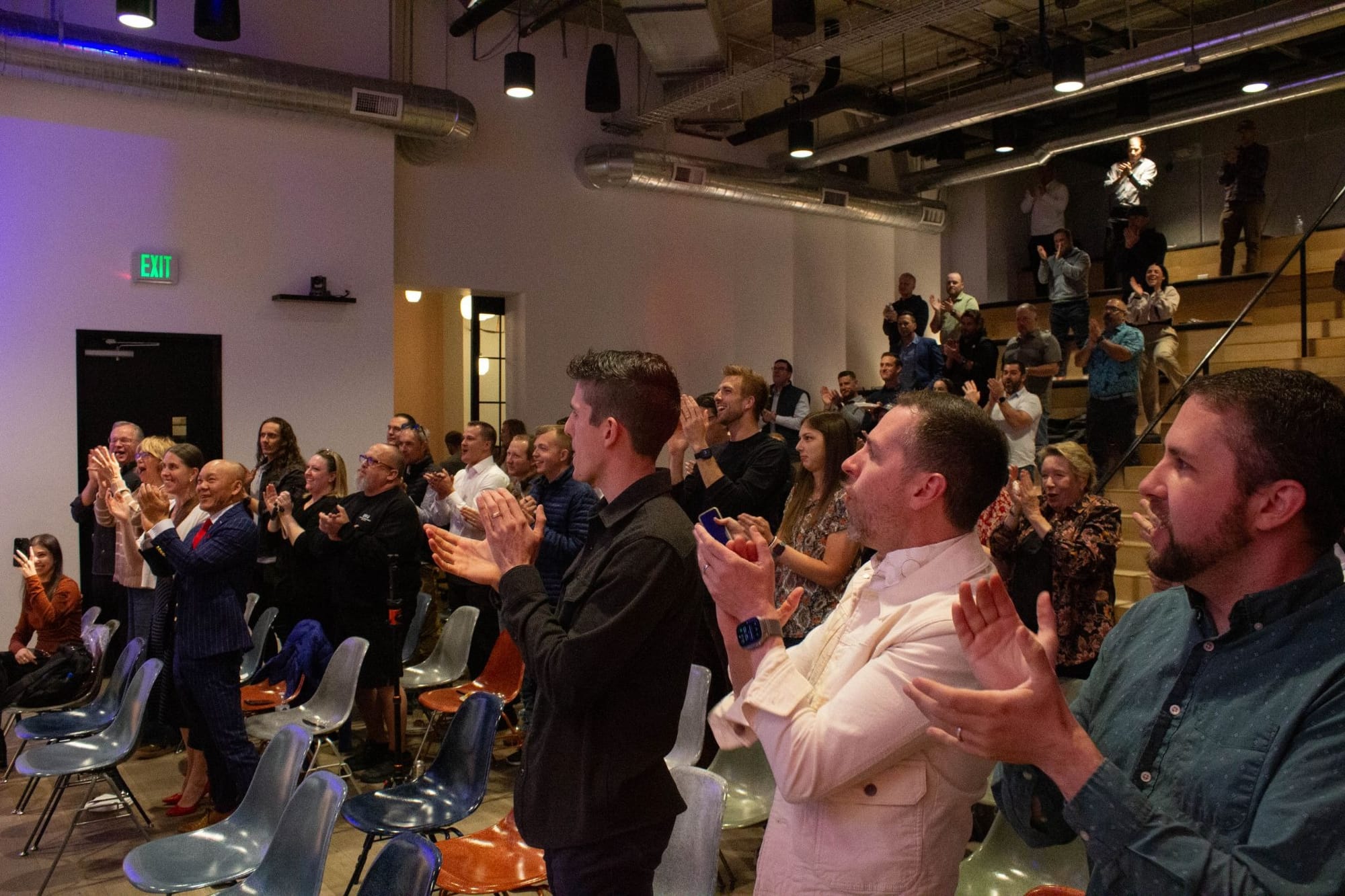
Reference Group attendees welcoming Ryan Anderson to the stage. This event was hosted at the Kiln in Salt Lake City, Utah
Advice for Founders
Anderson distilled his philosophy into two ideas for the founders in the room.
First: feel the problem as intensely as your customers do. You don't have to have worked in the industry, he said, but you probably should spend six months inside a law firm, an accounting firm, or whatever kind of business you're building for. Without that, it's nearly impossible to push back when an engineer ships something that's almost right but not quite. And in his experience, the correct way is almost never the easy path.
Second: get comfortable being direct. Anderson admitted he used to be too nice at work. He cited Snowflake CEO Frank Slootman on the idea that building a startup is a daily act of confrontation. The trick, he said, is making your intention visible. When people understand why you're pushing hard and what's actually at stake, they tend to come along. "You'd be shocked at how people respond to that," he said.
He takes the same logic to customers. He'd rather have one who's furious with him than one who's gone quiet. A customer who's angry is at least still engaged. A silent one, he said, has already left. "Customers that aren't talking to you are not using your software."
A word for Utah
Anderson grew up in Salt Lake City and said flat out that he thinks it's the best place in the world to live. Members of his leadership team have relocated to Utah from Seattle, New York, and Houston — which he takes as proof the state can attract serious talent.
But he's worried it won't stay that way without deliberate effort. Anderson thinks Utah will fall behind on AI unless its tech community gets serious about consistently pulling top talent in from outside the state. Utah founders, he said, need to be honest with themselves about the scale of commitment required to build something generational.
He's made that commitment himself, and he's not done.
Asked why he keeps pushing when he could comfortably step back, Anderson's answer was simple: "My biggest fear is regret. If I lay my head down on my pillow when I'm 80 years old and I haven't lived up to my potential, that sounds absolutely terrifying."
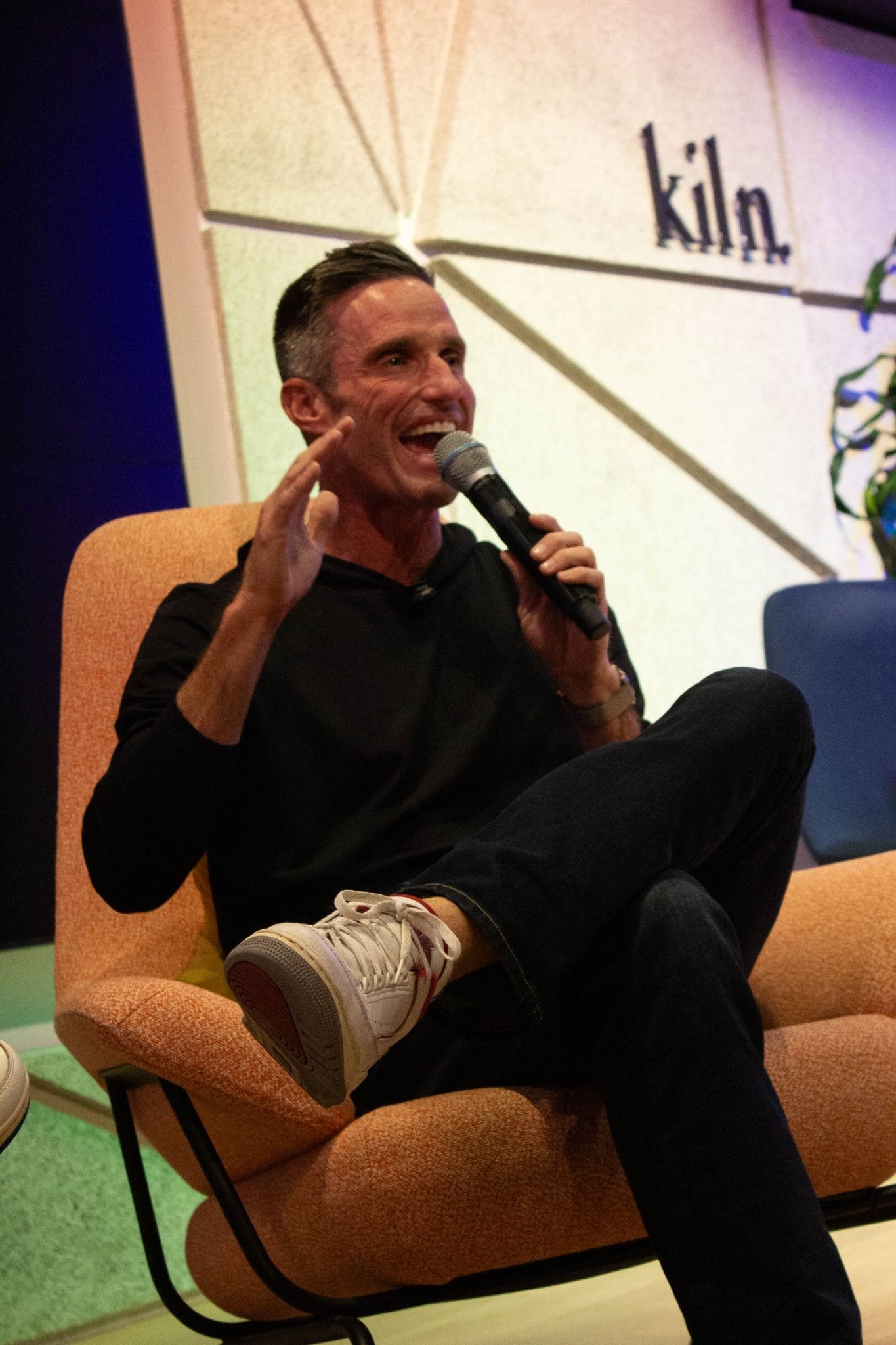
Ryan Anderson sharing his insights at a Reference Group event hosted in Salt Lake City, Utah
Share this article
The link has been copied!
Your link has expired. Please request a new one.
Your link has expired. Please request a new one.
Your link has expired. Please request a new one.
Great! You've successfully signed up.
Great! You've successfully signed up.
Welcome back! You've successfully signed in.
Success! You now have access to additional content.