Utah Quantum Initiative: Connecting Utah’s Quantum Ecosystem to the World
Utah’s statewide Quantum Initiative Roundtables, led by the Governor's Office of Economic Opportunity, are designed to reach alignment on quantum priorities and connect government, universities, industry, and ecosystem partners.
Today marks World Quantum Day, a global observance held each year on April 14 to raise awareness of quantum science and its rapidly growing real-world impact. The date—4/14—references the first digits of the Planck constant, a foundational number in quantum physics.
Launched by an international coalition of scientists and now supported across more than 65 countries, April 14 highlights how quantum technologies—from computing and sensing to cryptography—are moving from theory into strategic infrastructure.
For Utah, the timing is notable. As this statewide quantum initiative evolves from coordination to execution in a series of roundtables, the conversation is no longer abstract. It is about workforce, capital, national security, and whether regions like Utah can translate early alignment into lasting advantage.
Lehi, Utah — April 14, 2026
Utah’s quantum ecosystem is no longer quietly emerging—it’s actively connecting, aligning, and building momentum. At the helm of this statewide effort is Jefferson Moss, the visionary leader driving the Utah Quantum Initiative and Executive Director of the Utah Governor's Office of Economic Opportunity and the Executive Director of the Nucleus Institute where he leads and drives key initiatives.
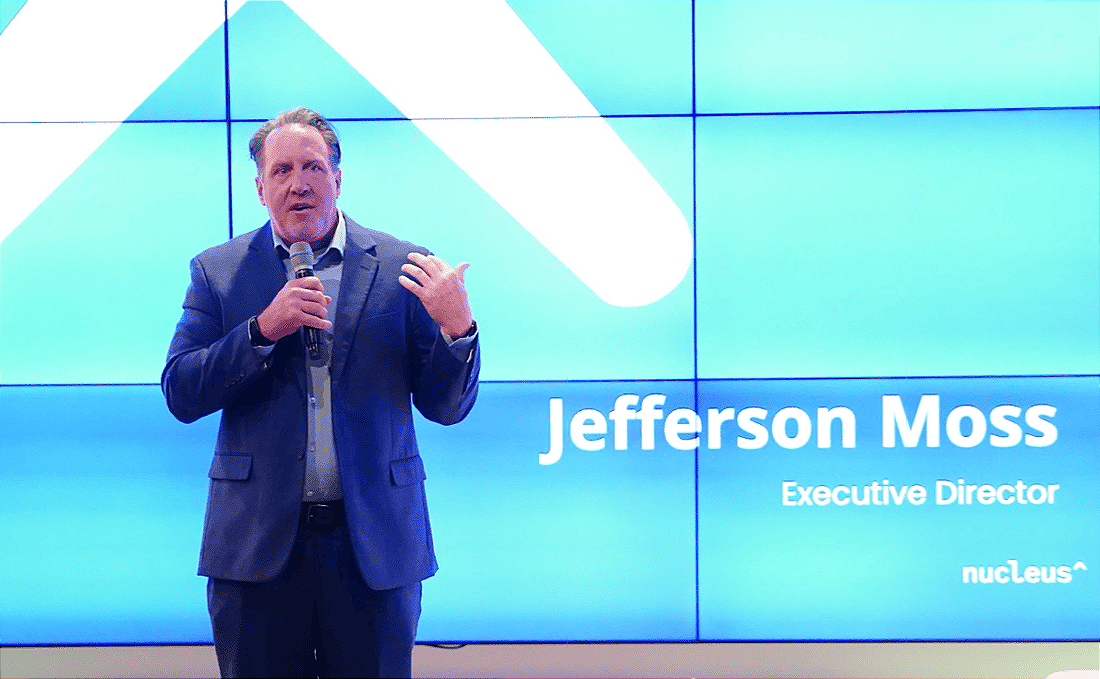
Jefferson Moss, Executive Director, Governor's Office of Economic Opportunity and Executive Director, Nucleus Institute
Utah Quantum Initiative is a statewide effort to assess Utah’s quantum technology landscape, identify critical gaps, and develop a coordinated roadmap for establishing Utah as a national leader in quantum science and quantum-enabled industry.
As its first act, the Nucleus Institute has convened a cross-sector working group drawing from Utah’s research universities, business, defense partners, and state and federal government stakeholders. The group’s charge is direct: examine where Utah stands, where it falls short, and what measurable steps in investment, policy, and legislative action is required to close the gap.
This working group held a roundtable on March 19, 2026, a continuation of its first gathering on December 17, 2025. Whereas the first roundtable focused on laying the groundwork, the second meeting, framed as “Connecting Utah’s Quantum Ecosystem,” emphasized collaboration, ecosystem readiness, and global integration, and practical next steps. With the state’s assets identified and relationships established, the next challenge is to turn strategy into measurable outcomes.
The aim of these roundtable meetings is to produce a formal quantum strategy, including specific policy recommendations and potential legislative funding priorities to be presented to the Governor and the Utah Legislature. Areas of focus are expected to include university research capacity, workforce development pipeline, commercialization infrastructure, and Utah’s positioning within federal quantum programs and defense procurement.
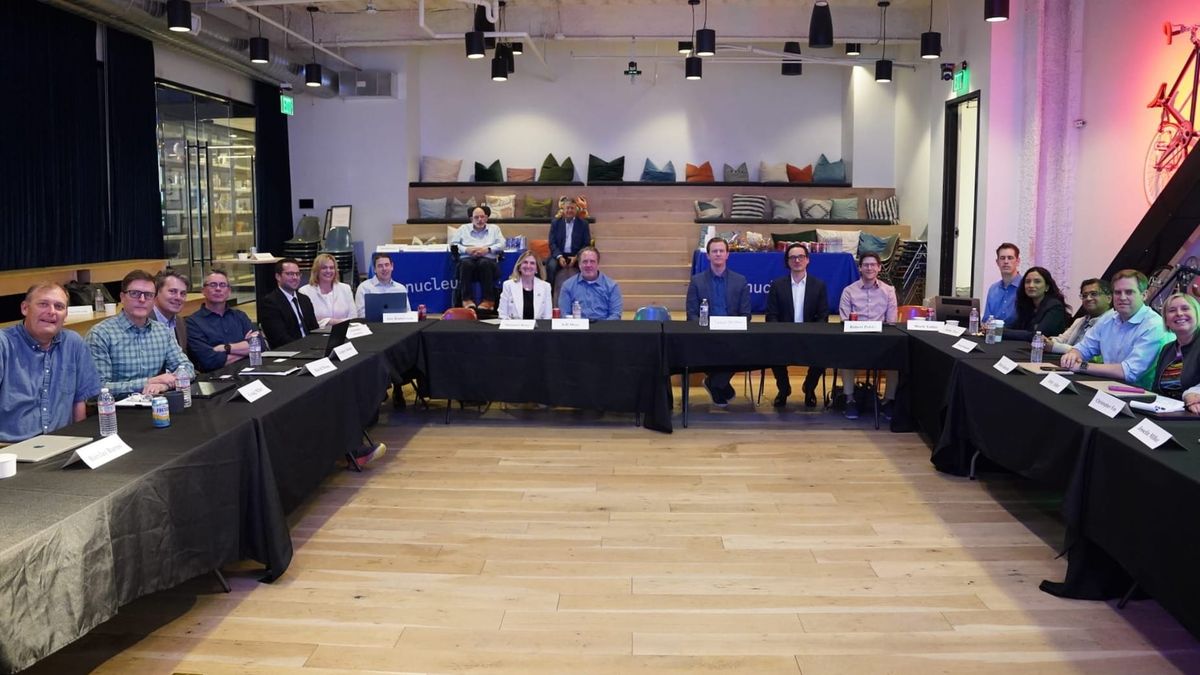
Attendees of Utah’s First Quantum Roundtable (not all attendees are pictured)
A Cross-Sector Convergence
This working convening included:
Government: Utah Governor's Office of Economic Opportunity, Utah Department of Commerce, State of Utah
Universities: University of Utah, Utah Valley University, Brigham Young University, and Utah State University
Utah’s First Quantum Roundtable, December 17, 2025, Kiln Lehi
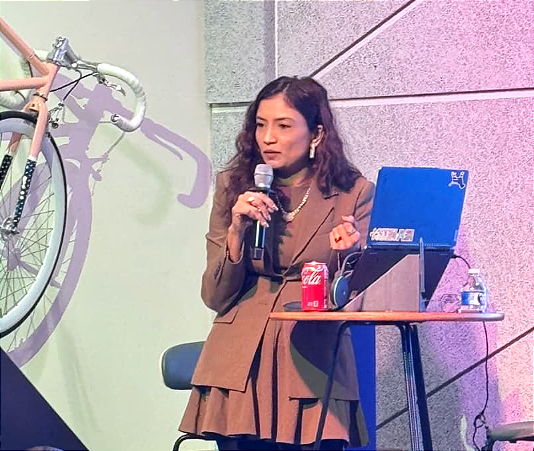
Opening the roundtable, Dolly Chitta PhD, who is leading this initiative, emphasized Utah’s strengths in communications, sensing, and high-performance computing, highlighting universities, research labs, and industry partners as foundational pillars. The discussion made clear that the goal is not just to pursue hardware development, but to create an integrated ecosystem capable of supporting software, applications, workforce development, and commercialization.
A recurring theme emerged: collaboration is everything. As one participant noted, “Utah might have more strengths in sensing or communications, while another state might excel in other areas—but the real opportunity is in leveraging what we already have and building partnerships across sectors.” The state’s existing quantum ecosystem, though fragmented, is poised for rapid scaling if guided strategically.
Dolly Chitta, PhD., Lead, Utah Quantum Initiative, Nucleus Institute
The timing is critical. Federal initiatives like DARPA’s quantum programs and the recently launched Genesis Mission signal a growing demand for collaboration between government, industry, and academia. The Genesis Mission is a U.S. Department of Energy–led initiative to unify AI, supercomputing, and quantum systems into a national discovery platform designed to dramatically accelerate scientific research and innovation.
Meanwhile, states such as New Mexico, Illinois, and Massachusetts have already established models for fostering regional quantum ecosystems. Utah, participants agreed, has unique assets that could allow it to leapfrog competitors, but only if its stakeholders coordinate effectively and act decisively.
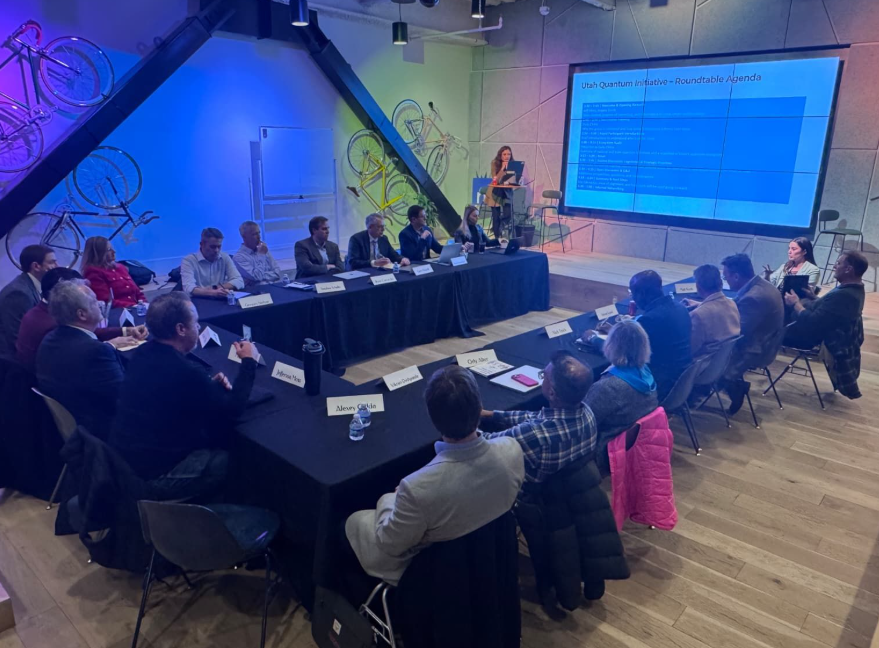
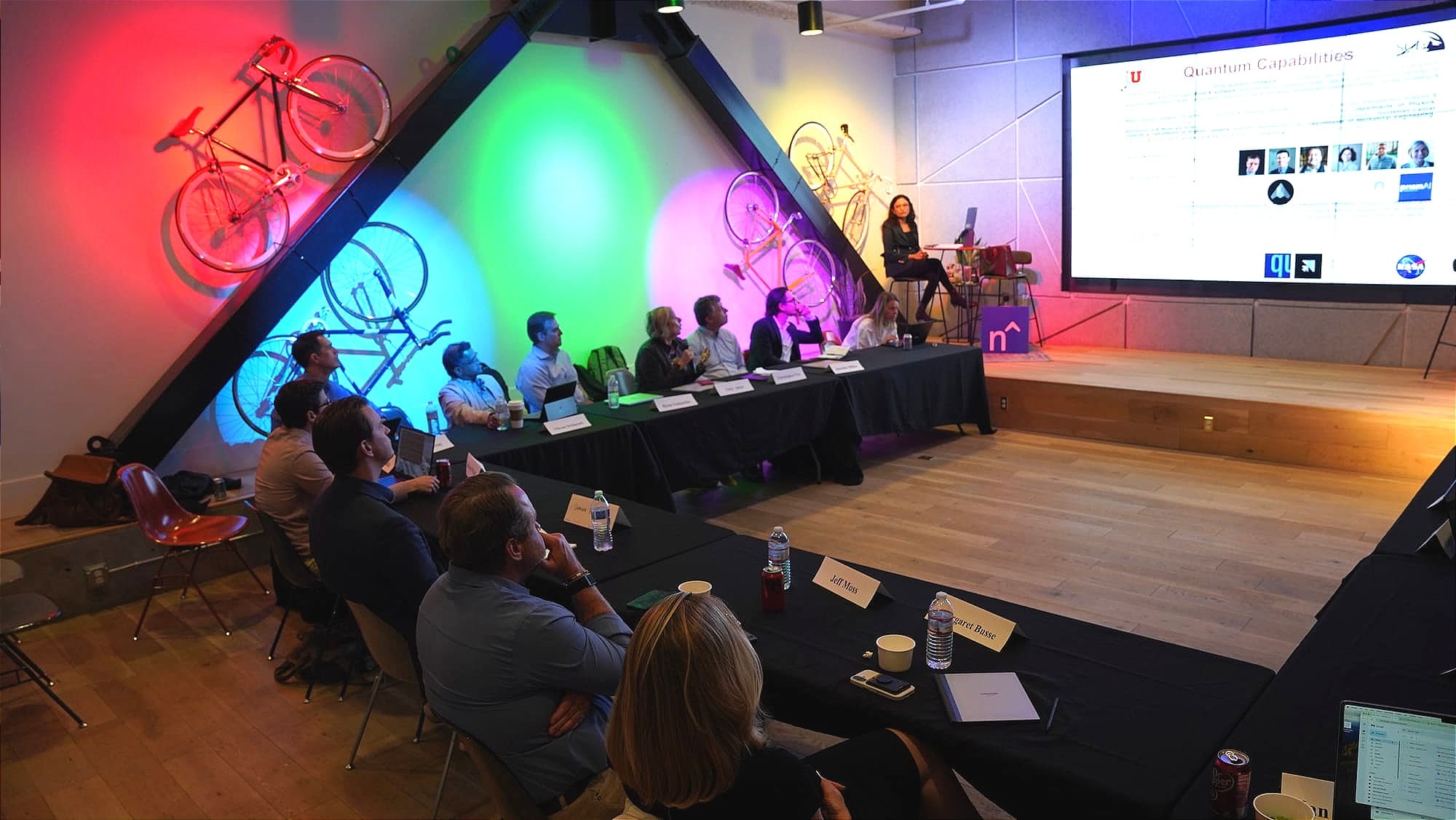
Presenters and participants of the Second Nucleus Quantum Roundtable, March 19, 2026, Kiln Lehi
Opening the roundtable, Dr. Chitta emphasized Utah’s strengths in communications, sensing, and high-performance computing, highlighting universities, research labs, and industry partners as foundational pillars. The discussion made clear that the goal is not just to pursue hardware development, but to create an integrated ecosystem capable of supporting software, applications, workforce development, and commercialization.
Dr. Chitta observed, “This level of cross-sector alignment is rare—and it matters." That alignment was evident in the room. Representatives from global companies, national labs, and Utah’s major universities gathered not just to present breakthroughs, which they did, but to identify gaps—funding, workforce, infrastructure—and to begin shaping a unified response.
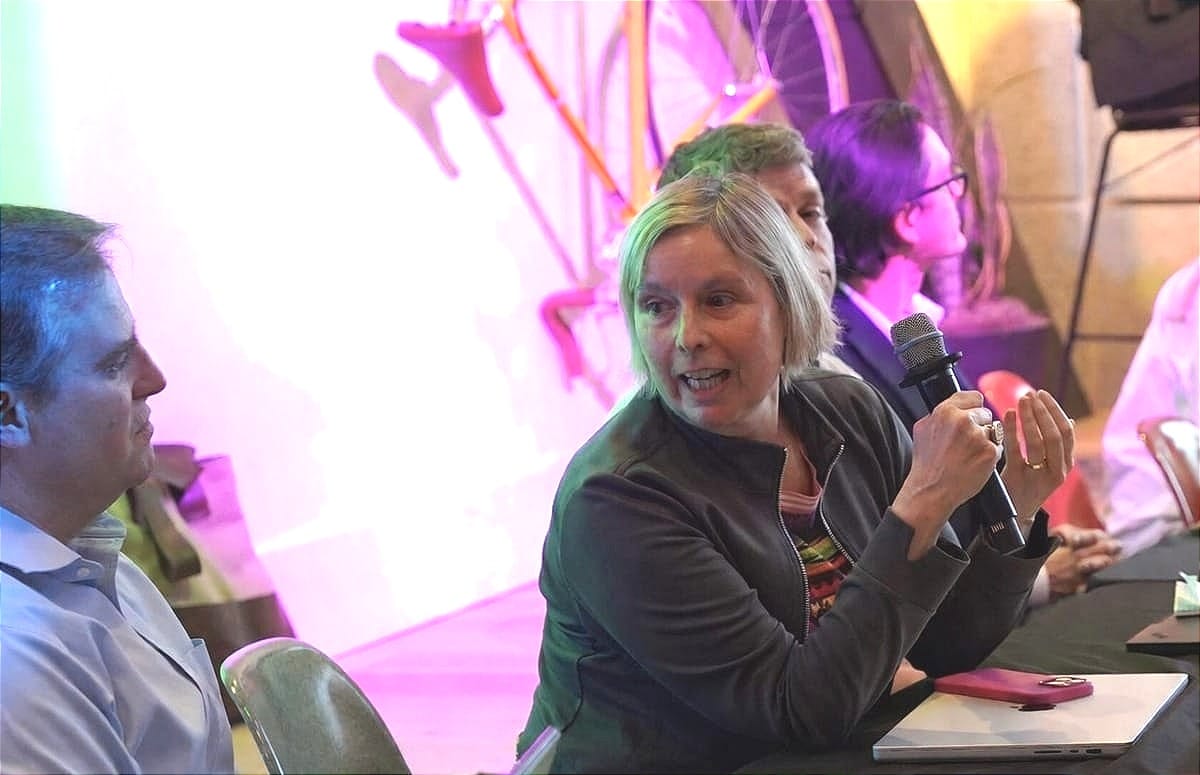
Orly Alter, Director of Quantum Computing Research at the University of Utah, at the Second Roundtable, emphasized the critical need for coordinated hardware, software, and workforce development, noting that “Quantum adoption depends on aligning all three elements simultaneously.”
Key Themes from Presenters
Funding, IP, and Industry Readiness
Craig Miller, IonQ: Highlighted how Utah’s combination of quantum talent and startup ecosystem positions the state to attract private investment and public grants.
Michelle Lampa, Pasqal: Noted that IP protection and strategic collaboration are critical to transforming research into deployable quantum applications.
Alexey Galda, Moderna: Emphasized that cross-industry collaboration can accelerate quantum-based R&D pipelines, particularly in life sciences.
Workforce, Universities, and Talent Development
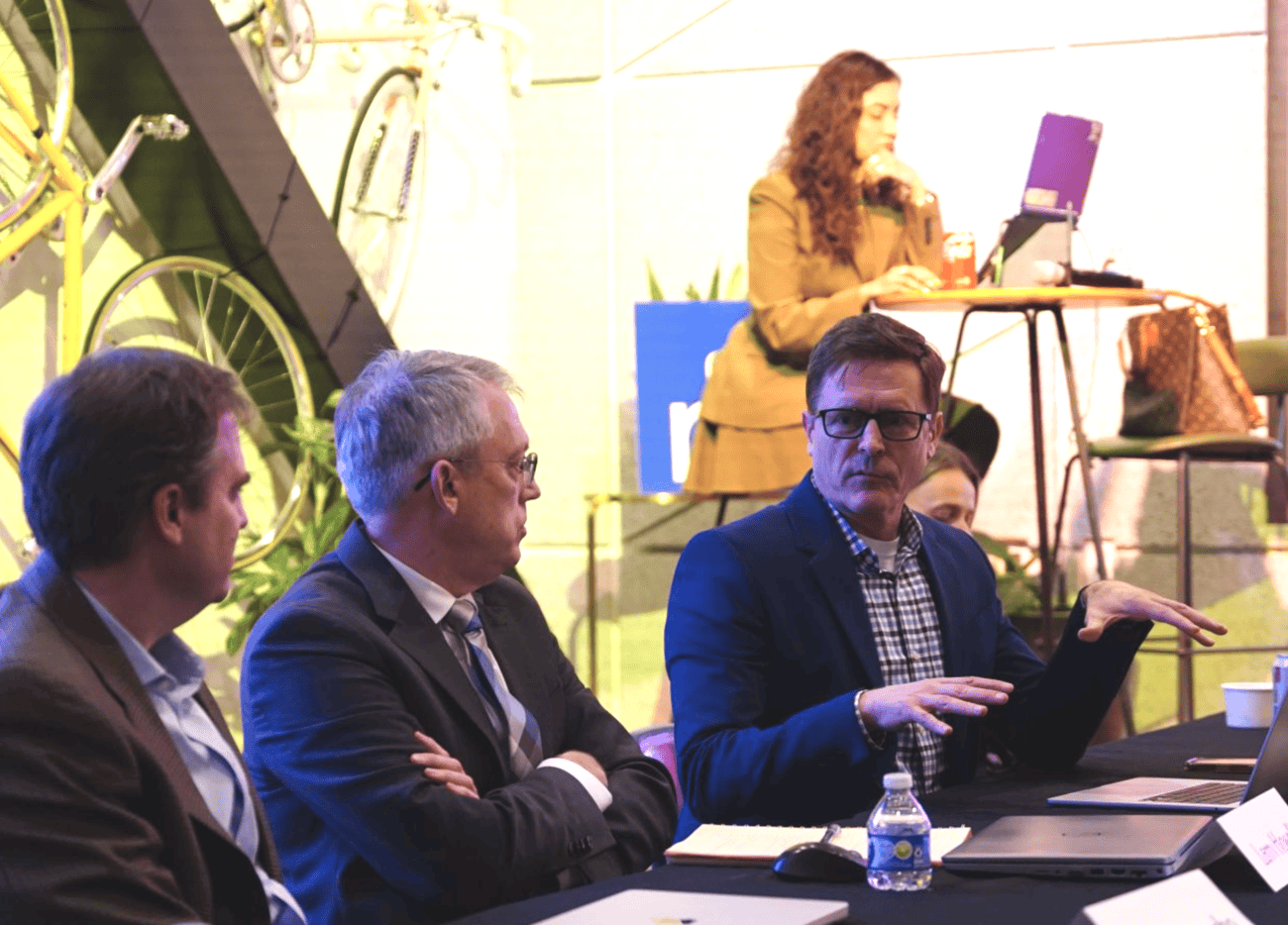
Christopher Fox, Professor of Physics at Utah State University, presenting on USU's quantum research and applications at the Second Roundtable: “The future of quantum in Utah depends on connecting university innovation with industry needs—turning breakthroughs in the lab into real-world solutions.”
Orly Alter, U of U: “Our goal is to create not just researchers, but innovators who understand quantum’s real-world applications.”
George Rudolph, UVU, Professor and Chair of Computer Science: “Quantum is not just about physics; it’s about creating a skilled ecosystem where academia meets industry in meaningful ways.”
Ryan Camacho, BYU, Associate Professor of Physics: “We are training the next generation to understand both the science and its societal impact—preparing students for jobs that don’t exist yet.”
Christopher Fox, USU, Associate Professor of Physics: “Our students need exposure to real-world quantum applications and industry collaborations to become future leaders in the field.”
Barclay Burns, UVU, Assistant Dean - CET, Special Projects: “As quantum and AI technologies advance, digital identity and data governance must evolve alongside them—ensuring security, privacy, and trust are designed into the system from the start. Utah has an opportunity to lead by building frameworks that are not only technically robust, but also forward-looking in how they manage identity, protect data, and prepare for the next generation of cryptographic challenges.”
Barclay Burns – Utah Valley University, Assistant Dean - Computer Engineering and Technology discusses UVU activities with state officials and within the USHE system of state universitites at the First Quantum Roundtable. “Digital identity and data governance aren’t just policy issues—they’re foundational to how we secure and scale emerging technologies like AI and quantum. If we don’t build trust into these systems now, we’ll be trying to fix it later under much higher stakes.”
Dr. Burns also noted that UVU has been collaborating with Chris Bramwell, Chief Privacy Officer of Utah, on state-level digital identity initiatives and governance frameworks. Bramwell attended both Utah Quantum Initiative Roundables. The work with UVU and digital identity includes summits and policy-focused research, aiming to define how digital identities are structured, secured, and managed across state systems. Burns emphasized that these efforts are not just AI-focused—they will also intersect with quantum technologies, particularly as digital identity and cryptography evolve. The overarching goal is to ensure that Utah’s approach to digital identity and data governance is both secure and forward-looking, balancing policy, technical infrastructure, and emerging technologies.
Global Integration and Strategic Collaboration
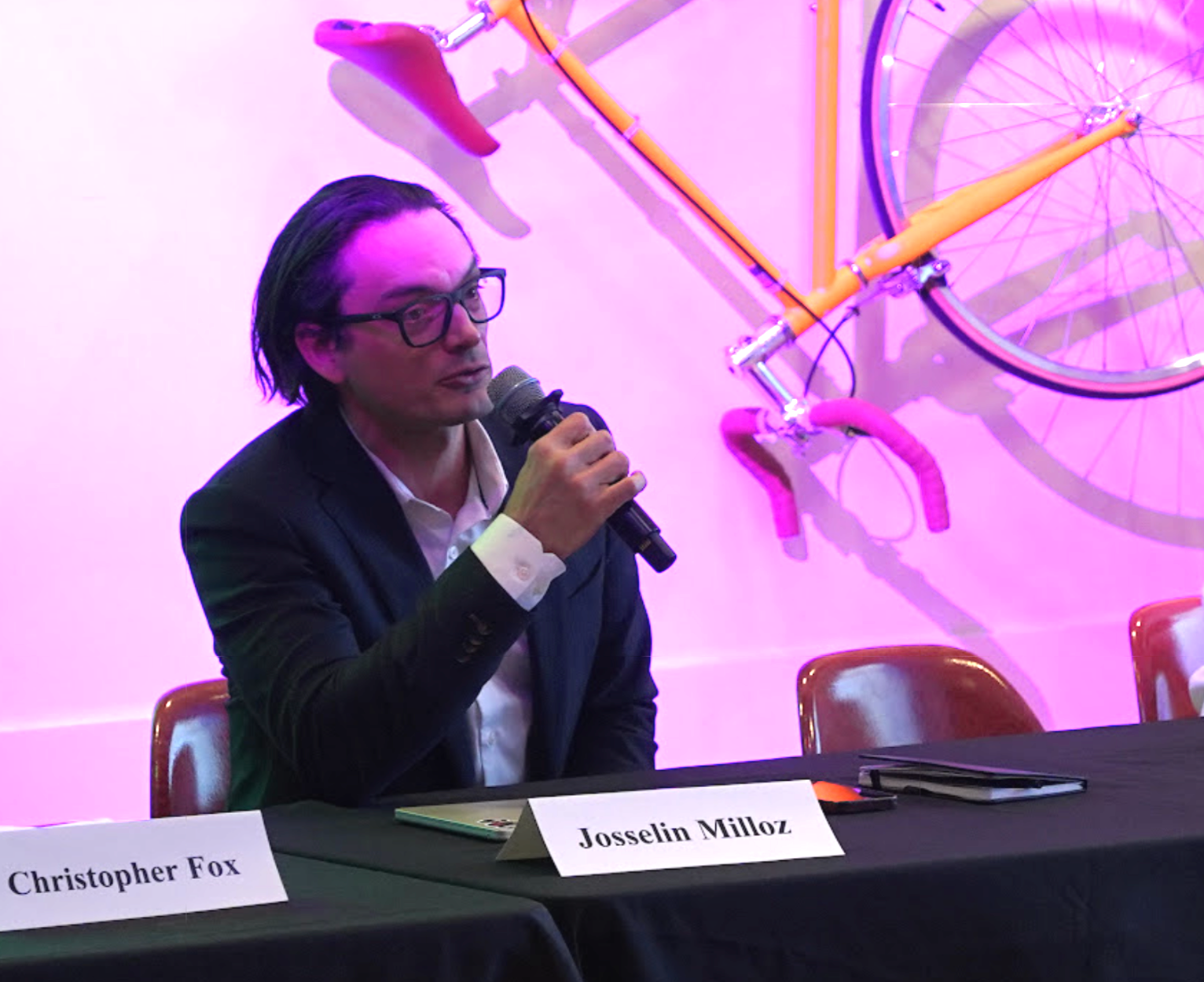
Josselin Milloz, Global Program Director at IBM, based in Salt Lake City, highlights at the Second Roundtable, IBM's strategic approach to quantum infrastructure: “Establishing testbeds and selecting the right suppliers globally is critical to accelerate adoption. By combining detailed roadmaps with a diversified, resilient ecosystem, we can scale quantum computing efficiently while ensuring reliability and fostering collaboration across universities, industry, and national labs.”
Josselin Milloz, IBM, Quantum Solutions Lead: “The world is watching Utah. By aligning its local assets with global quantum initiatives, the state can become a hub for innovation and deployment.”
Vikram Deshpande, Quantum Strategy Consultant: “This initiative demonstrates that strategic leadership can convert technical potential into tangible economic impact.”
Troy Keller, Dorsey & Whitney, Partner: “Quantum security and IP are not theoretical—they are practical imperatives. Protecting intellectual property while fostering collaboration is the challenge we must solve now.”
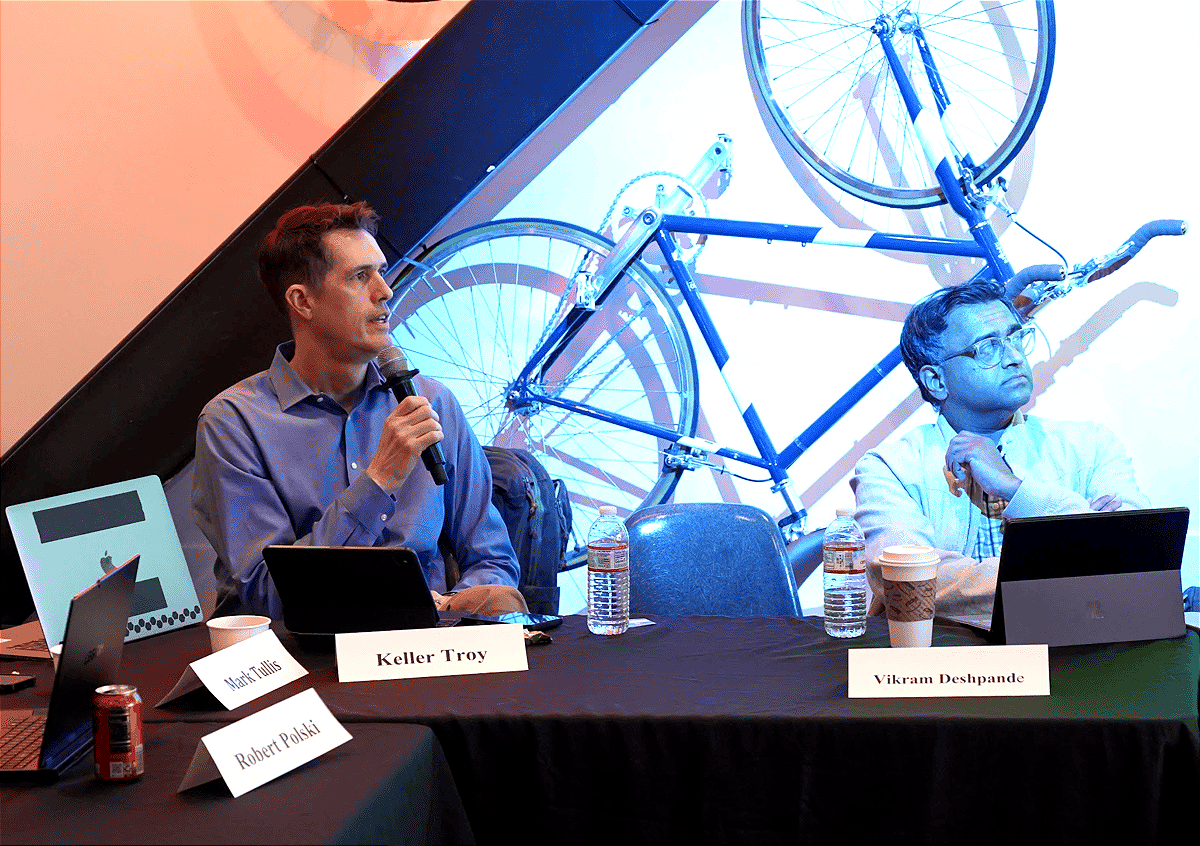
Troy Keller, Partner at Dorsey & Whitney, highlighted at the Second Roundtable the urgent need for strategic public-private collaboration, noting, “The state’s quantum potential can only be realized by connecting universities, industry, and government in a coordinated effort." On the right is Vikram V. Deshpande, PhD, Associate Professor of Physics & Astronomy, University of Utah, who added, “In exploring quantum materials, when surfaces start ‘talking,’ entirely new physics emerges — and that’s where the future of quantum computing could be found."
Roundtable Takeaways
Alignment Matters: Utah has strong university programs, pioneering industry partners, and supportive government policy.
Collaboration is Critical: Participants emphasized integrating global companies with Utah’s local assets to accelerate commercialization.
Next Steps Are Clear: Activating collaborations, surfacing real use cases, and aligning around shared problems will drive momentum for Utah’s quantum future.
George Rudolph, Professor and Chair of Computer Science, Utah Valley University, presenting on workforce development in quantum technologies noted in the Second Roundtable that “building a self-sustaining ecosystem in Utah means training technicians and researchers today so they can lead the quantum economy tomorrow.”
Shawn Patterson, Executive Director of the Strider Intelligence Center, emphasized the geopolitical stakes and the necessity of safeguarding innovations against foreign exploitation, particularly citing risks from China’s talent programs and covert tech transfer. His core point was that, while quantum research advances humanity, it must also be actively protected to maintain the strategic advantage of the “free world” across generations.
“We’re already losing the battle if we don’t protect the ideals and innovations of the free world — quantum technology is too strategically critical to leave unguarded.”
Dr. Chitta summarized the roundtable succinctly: “Utah means business. Quantum means business. We are building toward a future where quantum is Utah.”
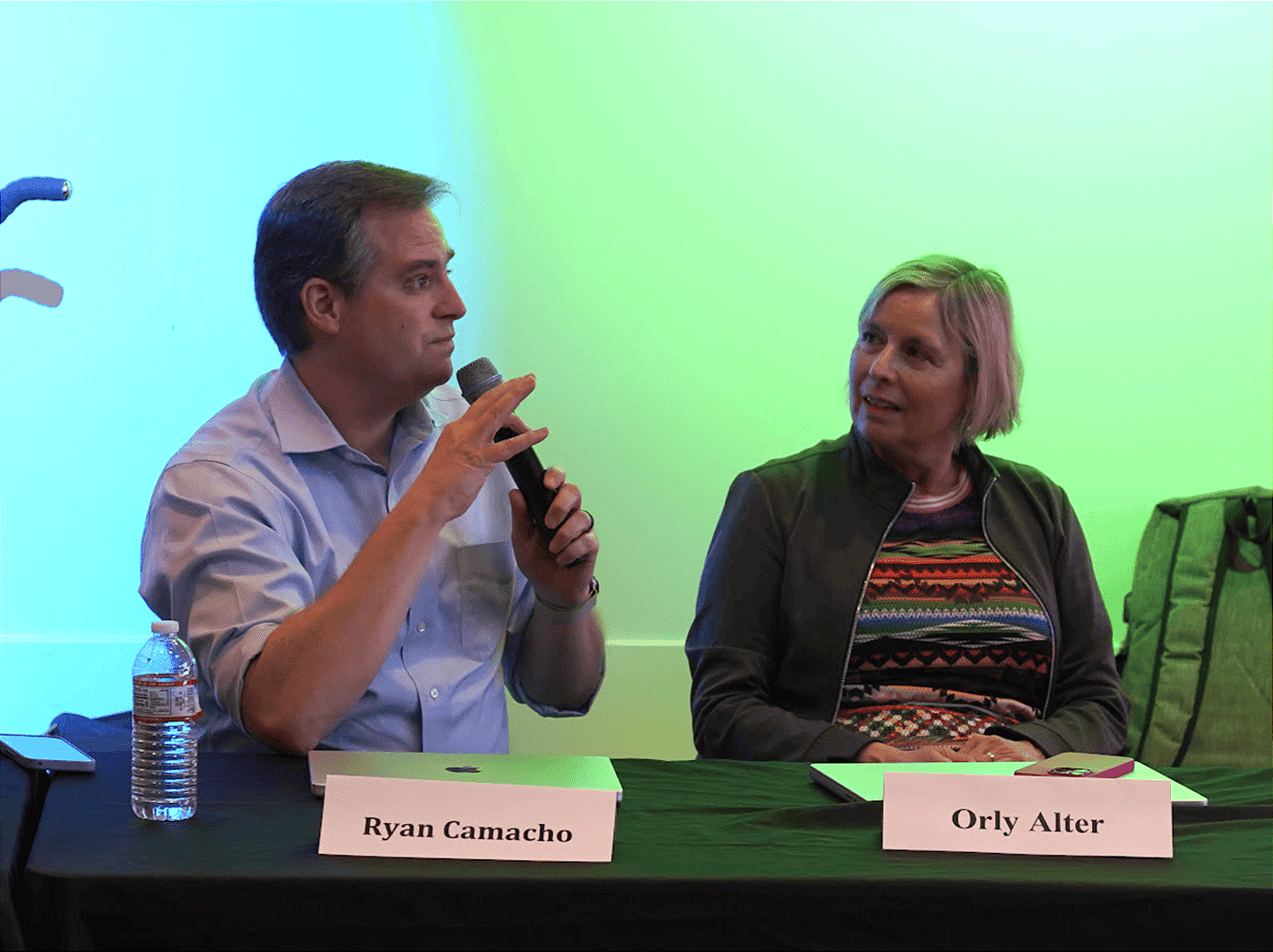
Ryan Camacho, Professor of Electrical and Computer Engineering at Brigham Young University, discussing SBIR/STTR pilots and industry collaboration in the Second Roundtable: “The SBIR program is more than just funding—it’s a bridge connecting university research to real-world applications. It allows startups to leverage academic expertise, develop integrated solutions, and turn promising quantum ideas into tangible, impactful technologies that can scale across industry.” On the right is Orly Alter, Director of Quantum Computing Research, U of U.
Moving Forward
The Second Roundtable concluded with a consensus that Utah is poised to become a regional quantum hub, but momentum must translate into action. Recommendations for immediate next steps included:
Establishing a bi-monthly roundtable to maintain coordination across public and private stakeholders.
Prioritizing pilot programs and funding mechanisms for early adopters in biotech, sensing, and networking applications.
Developing dual-degree and project-based workforce programs to retain talent locally.
Securing component supply chains and domestic fabrication to ensure scalability.
Implementing a communications strategy to educate the broader public on the societal benefits of quantum technology.
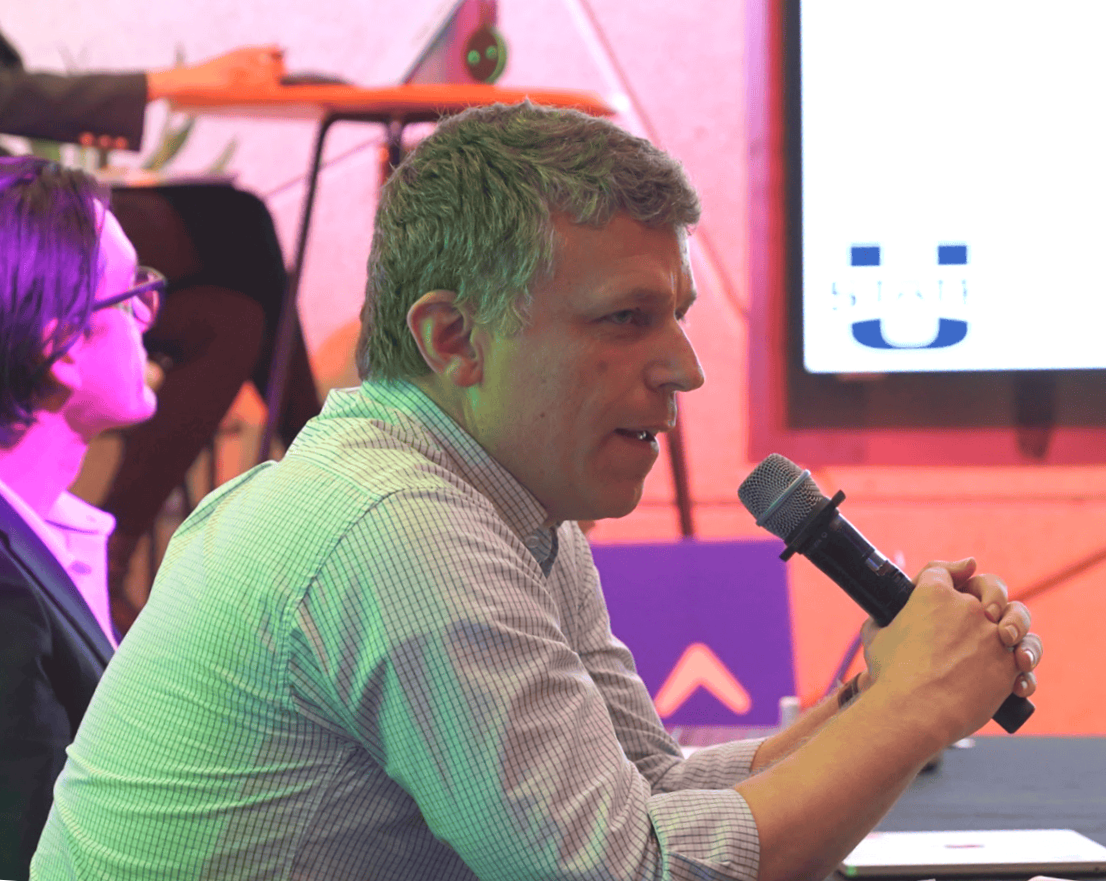
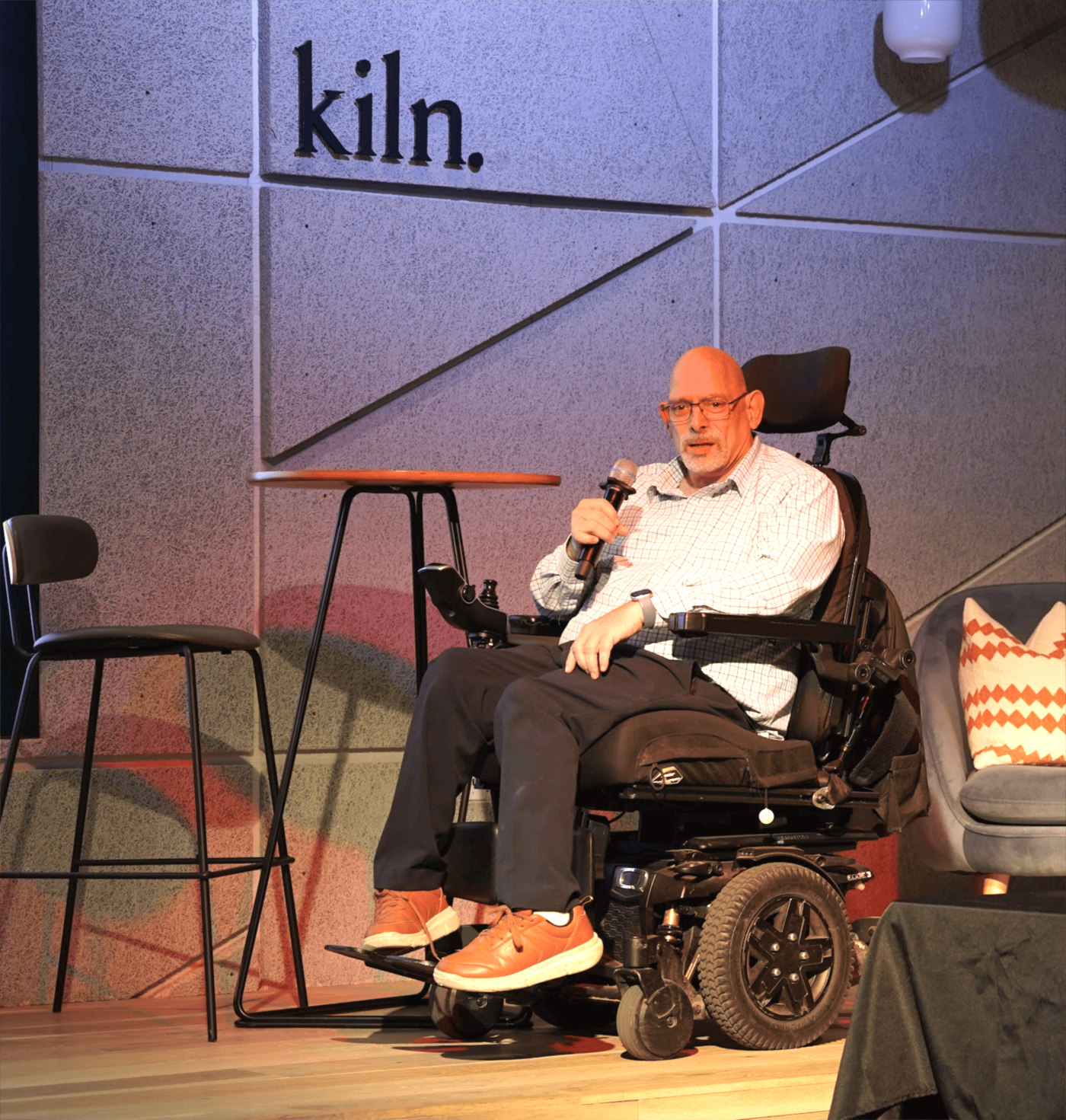
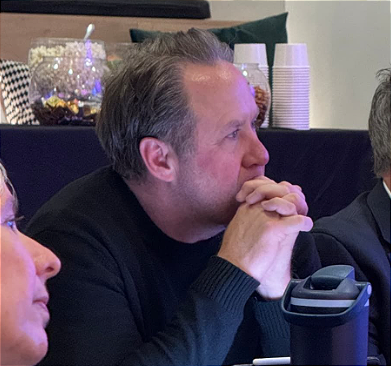
Jefferson Moss, Executive Director, Governor's Office of Economic Opportunity and Executive Director, Nucleus Institute at the Second Roundtable, March 19, 2026, Kiln Lehi
The Nucleus Institute, through hosting, coordination, and support from Jefferson Moss and the Governer's Office, ensures that the initiative moves beyond conversation and into execution. As Moss put it during the session, “Leadership is about creating conditions for alignment where earlier attempts have fallen short. Utah has the talent, the vision, and now it must execute.”
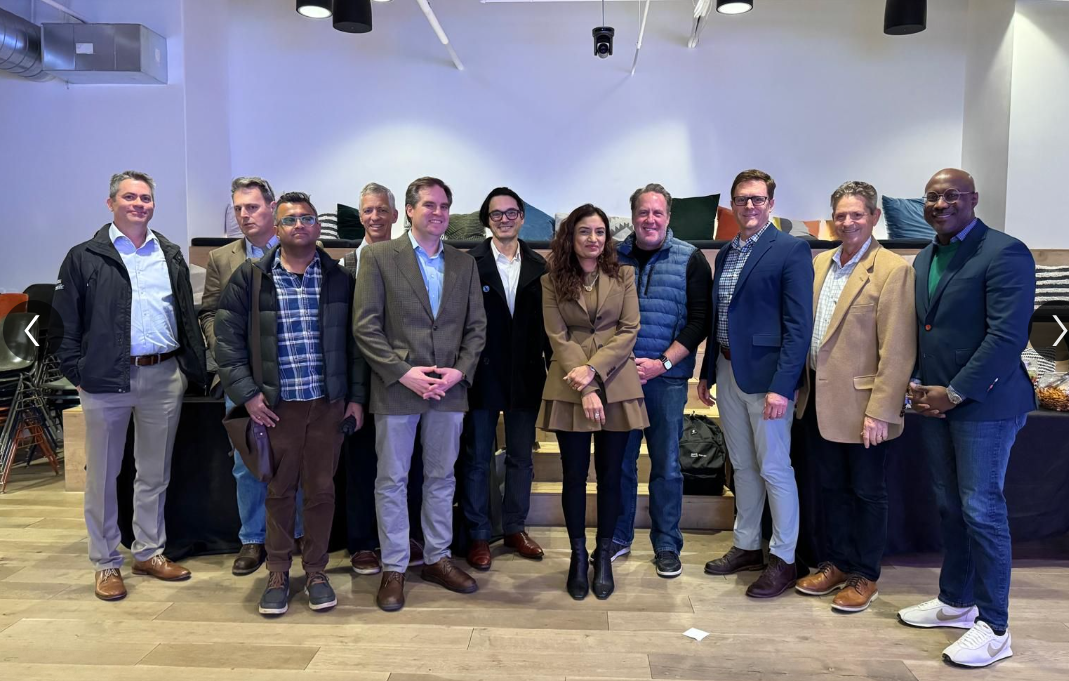
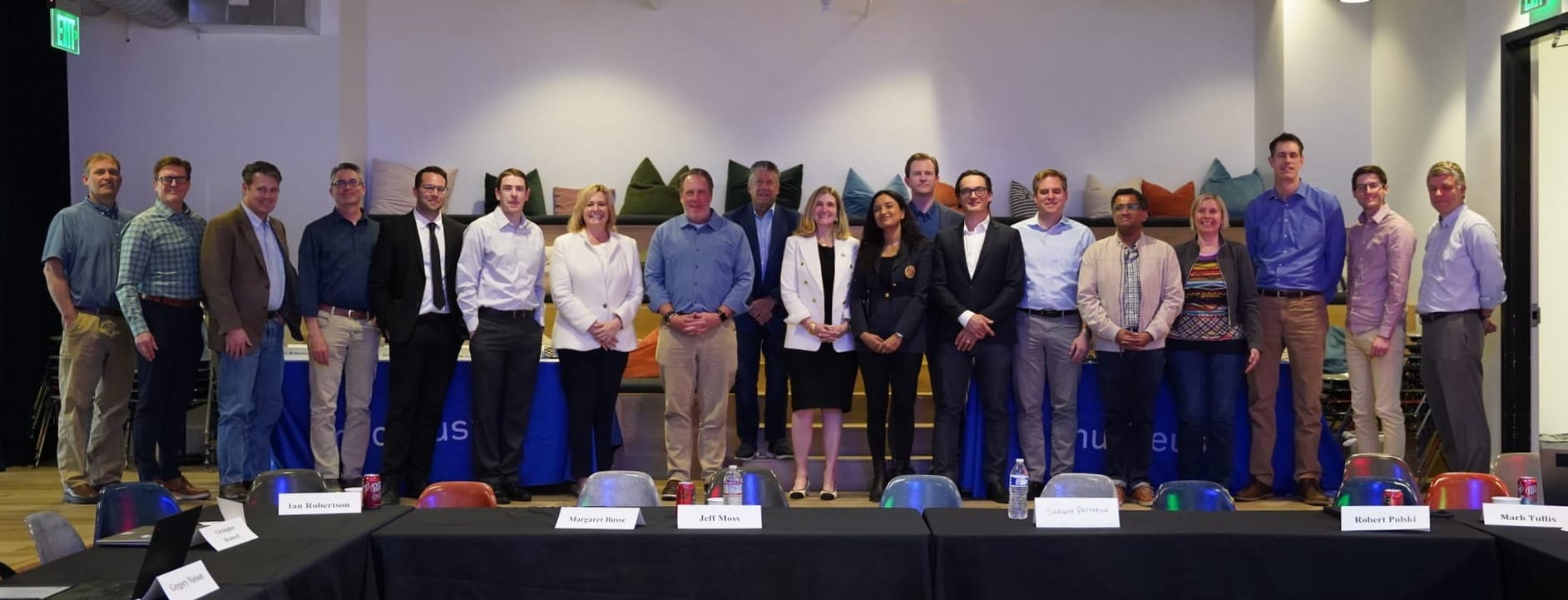
Attendees of Utah’s Second Quantum Roundtable, March 19, 2026, Kiln Lehi
Share this article
The link has been copied!
Your link has expired. Please request a new one.
Your link has expired. Please request a new one.
Your link has expired. Please request a new one.
Great! You've successfully signed up.
Great! You've successfully signed up.
Welcome back! You've successfully signed in.
Success! You now have access to additional content.