LVT Reports Strong Support for Detroit Security Units in Community Survey
LVT (American Fork, UT) published its Detroit survey which finds support for continued use of its mobile security units. Respondents reported greater perceived safety while also raising privacy concerns and calling for broader community crime prevention efforts.
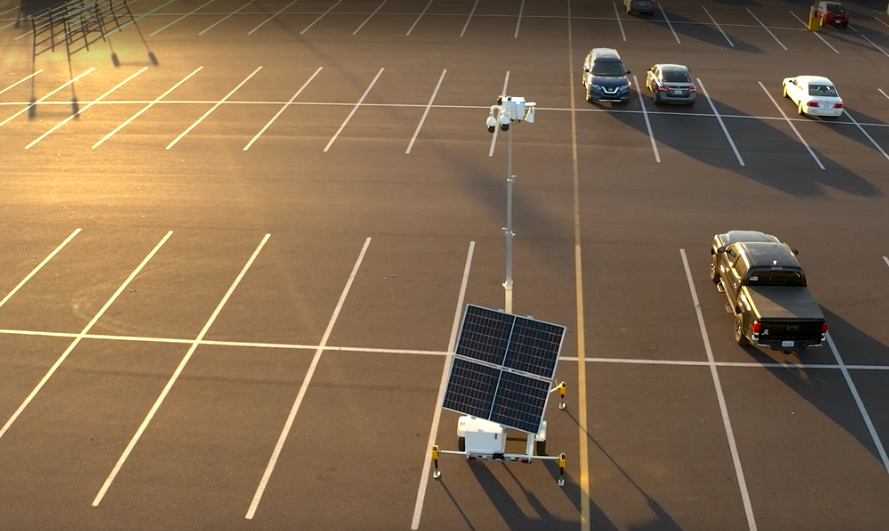
LVT mobile security unit equipped with solar panels and elevated cameras in a parking lot. The American Fork-based company’s Detroit ACCESS Taskforce survey found that 75.4 percent of community respondents wanted retailers to continue using the units, with participants frequently citing their visible presence as a perceived deterrent to crime.
LVT mobile security unit equipped with solar panels and elevated cameras in a parking lot. The American Fork-based company’s Detroit ACCESS Taskforce survey found that 75.4 percent of community respondents wanted retailers to continue using the units, with participants frequently citing their visible presence as a perceived deterrent to crime.
American Fork, Utah — October 13, 2026
LiveView Technologies (LVT) announced today that a survey of people living and working around its Detroit security deployments found strong support for retailers continuing to use the company’s mobile surveillance units.
Among respondents, 75.4 percent of community members, 88.2 percent of retail employees and 83.3 percent of retail leaders said they preferred retailers to continue using LVT units in Detroit. Respondents frequently cited the units’ visible presence as a reason they believed the technology helped deter crime.
The findings come from the Detroit ACCESS Taskforce, a collaboration involving LVT, the Loss Prevention Research Council (LPRC), retailers, law enforcement and government officials. LVT says units were deployed at retailers and restaurants throughout Detroit beginning in November 2024.
The survey offers a view of how participants perceive that deployment, rather than an independent measurement of changes in crime. LVT cautioned that the findings describe the individuals who responded and should not be considered statistically representative of the broader populations.
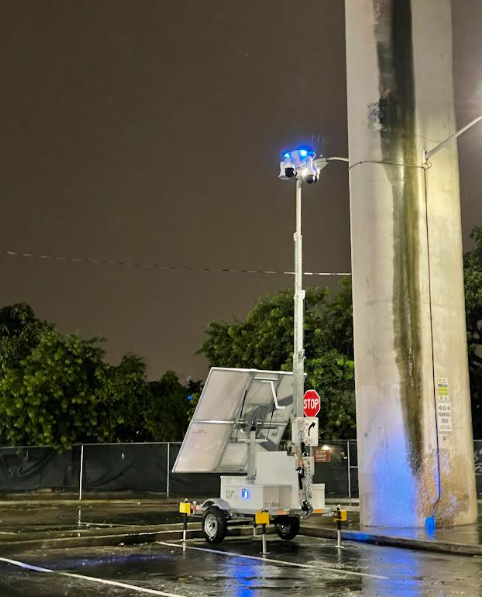
LVT mobile security unit with highly visible blue lights
Respondents Report Feeling Safer
The survey included 198 respondents: 156 community members and shoppers, 18 retail employees, 20 retail managers and loss prevention leaders, and four law enforcement respondents.
Community members were recruited through social media advertising. The other groups were recruited through a combination of social media and direct outreach.
According to LVT, approximately 68 percent of community respondents perceived their community as somewhat or much safer since deployment, while 70 percent rated it as an overall better place to live. Among retail respondents, 83 percent of employees and 94 percent of leaders rated their stores as safer.
Respondents described the units as a visible warning that could make potential offenders reconsider committing a crime at a location. In its discussion of the Detroit findings, LVT also reported that majorities across respondent groups said they would prefer to park closer to a unit rather than farther away, during both daytime and nighttime.
Those responses indicate perceived deterrence and reassurance. They do not establish how many crimes were prevented or isolate the effect of the units from other public safety efforts.
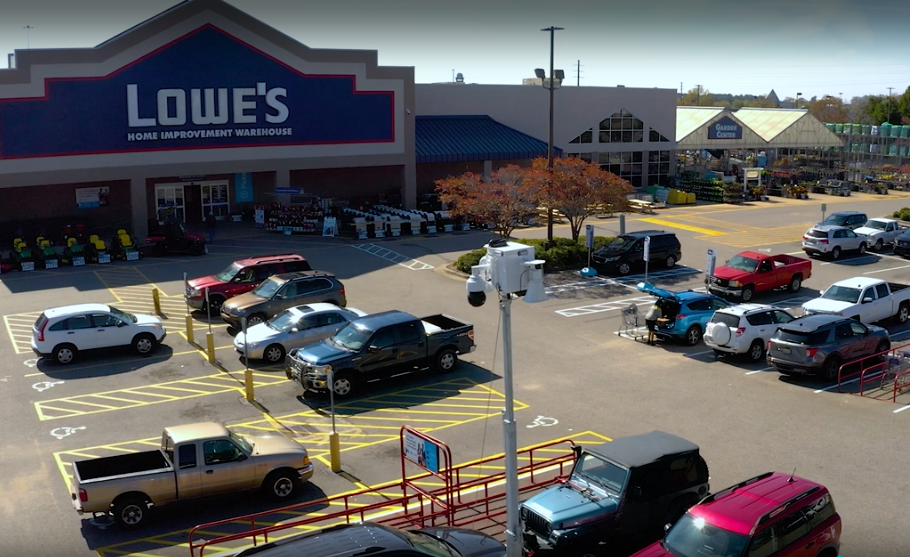
LVT mobile security unit in a retail setting.
Technology Within a Broader Community Effort
ACCESS stands for Alliance of Companies and Communities to Enhance Safety and Security. The initiative combines security technology with efforts to improve communication and coordination among businesses, police and local governments.
LVT’s Detroit survey commentary reported that 76.5 percent of retail employees and 77.8 percent of retail leaders perceived improved collaboration between retailers and law enforcement since the taskforce began. Retail leaders also reported benefits involving evidence quality, transfer of evidence to police and investigations.
Participants did not describe technology as the only answer to crime and disorder. Asked what should be done to reduce those problems in Detroit, respondents identified community interventions addressing poverty and youth unemployment, accountability for criminal activity, and greater community engagement.
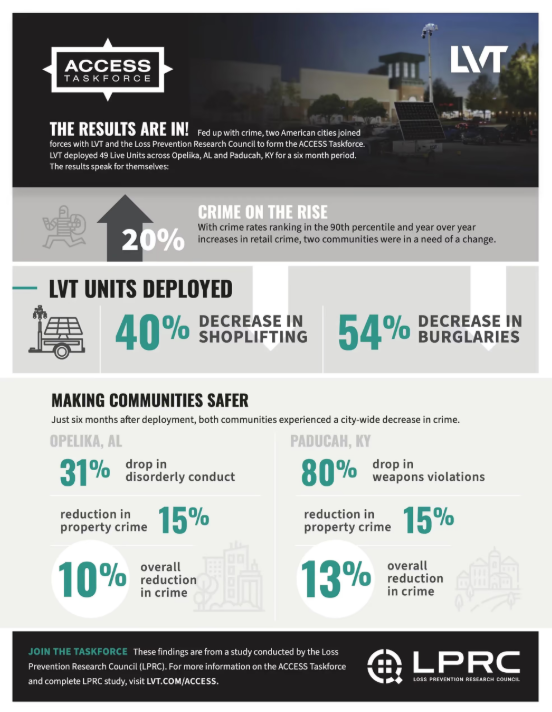
The Detroit effort follows earlier ACCESS pilots in Opelika, Alabama, and Paducah, Kentucky. LVT reports that those initiatives contributed to a 40 percent decrease in shoplifting in Opelika, a 43 percent decrease in trespassing in Paducah and a 10 percent decline in overall crime in both cities.
Those company-reported outcomes concern separate deployments and should not be read as Detroit results or as findings from the new perception survey.
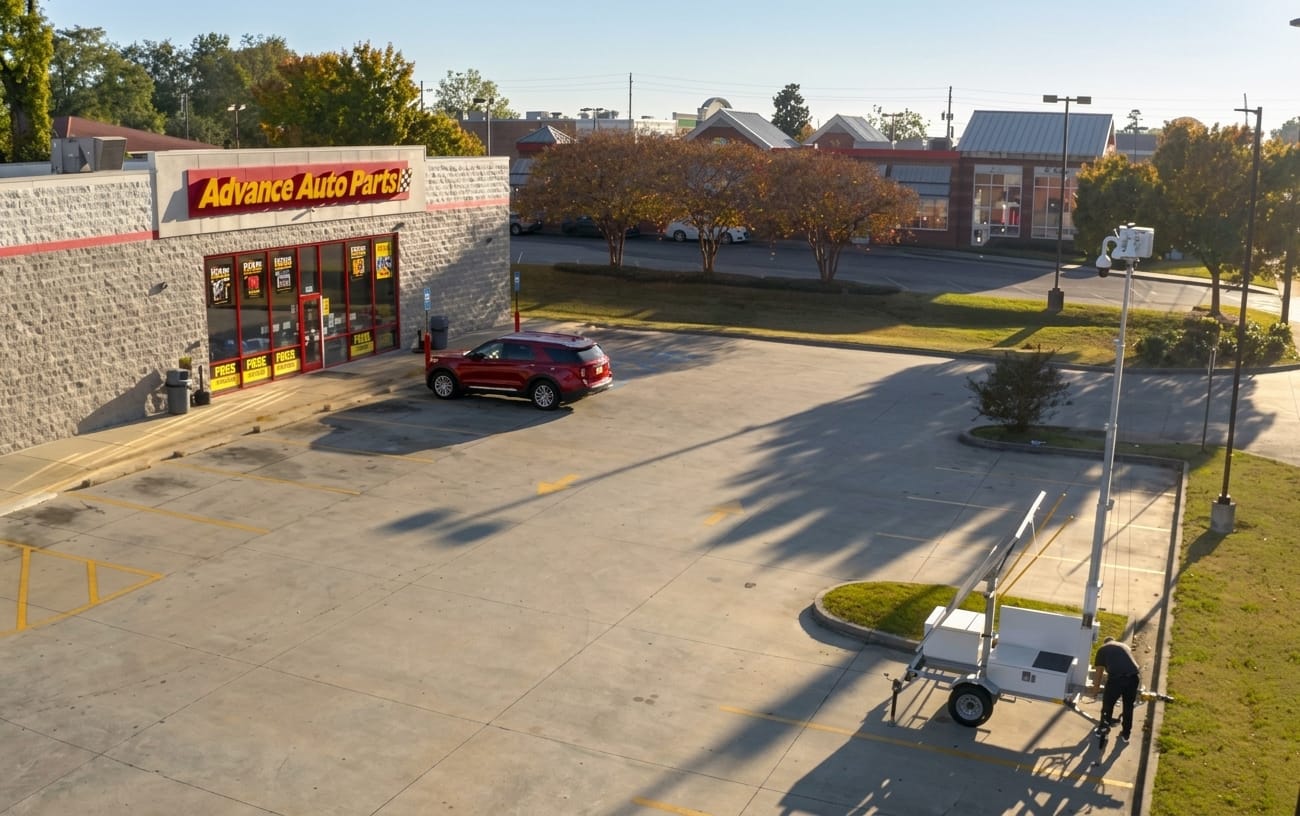
LVT mobile security unit in a retail setting.
Support Alongside Privacy Concerns
Support for continued deployment did not eliminate concerns about surveillance.
In its accompanying Detroit analysis, LVT reported that almost 20 percent of community respondents expressed concern that the units invade privacy. Among retail employees, 52.9 percent leaned toward “probably yes” when asked whether the units infringe on privacy.
The company’s discussion also acknowledged concerns about over-policing and disproportionate impacts on some communities, identifying trust and transparency as important considerations for public safety programs.
In the national survey, 60 percent supported using AI to detect potentially suspicious behavior in public, while 63 percent worried that facial recognition could monitor participation in political gatherings. Eighty-seven percent wanted signs identifying the use of license plate readers.
The studies involve different populations and methods, so their percentages are not directly comparable. Together, however, they illustrate how support for security technology can coexist with expectations for limits, disclosure and responsible data practices. The national findings also do not establish which identification or AI capabilities were used in the Detroit deployment.
A Utah Company’s Expanding Security Footprint
The Detroit announcement adds a community-feedback dimension to LVT’s broader expansion in physical security.
As TechBuzz reported in October 2024, LVT demonstrated its mobile security technology at an Axon event in Orem and described an agreement to connect its equipment with Axon’s Fusus platform. The integration was intended to give law enforcement access to video feeds for incident assessment and response.
The company is headquartered in American Fork and manufactures its mobile units in Spanish Fork. Its offerings combine surveillance hardware with software and remote connectivity for retailers, infrastructure operators and municipalities.
The Detroit findings suggest that many survey participants welcome a visible security presence. Establishing its effect on crime, and understanding how that effect relates to privacy, policing and community investment, requires evidence beyond perceptions alone.