How Ryan Westwood Supports the Next Generation of Women
Ryan Westwood, CEO of Fullcast (Salt Lake City, UT), discusses how intentional leadership, mentorship, and family practices empower the next generation of women, from his daughters’ “power poses” to women investors and diverse leadership at his AI-driven RevOps company.
In recognition of International Women’s Day on Sunday, March 8, we’re featuring insights from Ryan Westwood, CEO of Fullcast, a Salt Lake City–based revenue operations (RevOps) technology company. Fullcast’s AI-native platform helps organizations align territory planning, quota management, capacity modeling, and performance tracking so revenue teams can operate with greater clarity and speed.
Westwood sat down with TechBuzz recently and shared his insights on leadership, mentorship, and fatherhood—and how intentional actions, both at home and in the workplace, can help empower the next generation of women to lead, innovate, and succeed.
Every morning on the drive to school, Ryan Westwood asks his daughters for their power pose.
One plants her feet and throws her fists toward the sky. The other locks her stance like she’s preparing for takeoff. Years ago, Westwood asked them to draw themselves as superheroes. He later hired a professional costume designer to turn those drawings into real suits they wore to their birthday parties. The family eventually took the idea further, creating personal anthems for each daughter—songs recorded and published that they’ve memorized word for word.
When they need courage, they strike their pose. When they need reinforcement, they sing their anthem.
The rituals may appear simple, but Westwood believes they serve a deeper purpose. Confidence, he says, is built through repetition. Identity is reinforced through action. If his daughters are going to grow into women who assume they belong in any room, he believes those rooms need to be built long before they enter them.
What began as playful family traditions has become part of a broader philosophy that shapes how Westwood approaches leadership.
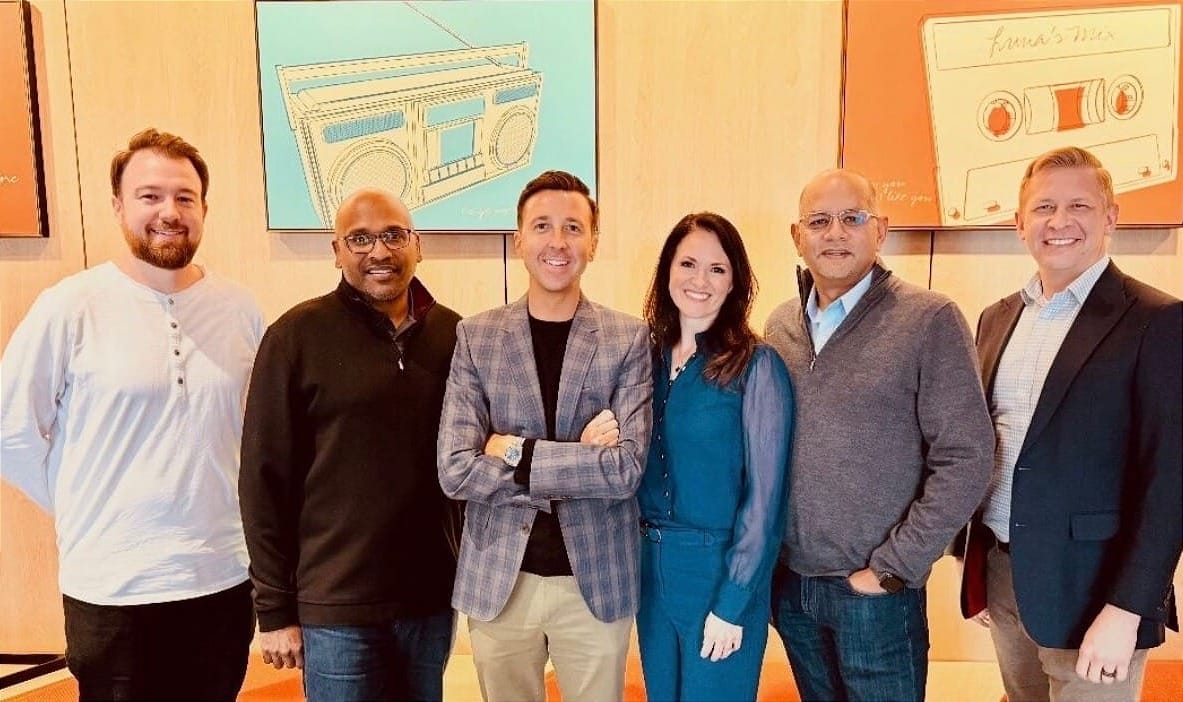
As CEO of Fullcast, Westwood applies many of the same principles inside his company. Three women executives—Aubrey Donnelly, Britt Davies, and co-founder Amy Osmond Cook—play central leadership roles on the team. According to Westwood, they bring strategic insight, emotional intelligence, and disciplined execution that strengthens the company’s decision-making and culture.
At the same time, Fullcast is navigating major technological shifts. The company is investing heavily in AI development, building systems that automate territory analytics and commission analytics while maintaining its existing SaaS platform. For Westwood, staying ahead of technological change is essential to staying relevant in a rapidly evolving market.
But the broader goal goes beyond product strategy. Westwood wants his daughters—and other young women watching leaders around them—to grow up in a world where their voices matter, their ideas are valued, and leadership feels accessible. In his view, achieving that future requires deliberate action both inside families and inside organizations.
Supporting the next generation of women, he argues, is not a symbolic gesture. It is structural.
1. Build Confidence Early — and Model It Publicly
Westwood’s daughters are known as “Super Soeyer” and “Awesome Avril.” Their teachers recognize the nicknames, and friends know the lyrics to their songs. What started as a family exercise in self-confidence gradually became part of their everyday identities.
That progression reflects how culture works, Westwood says. Children internalize identity long before they understand bias or social dynamics. Reinforce strength consistently and they carry that forward. Allow dismissive behavior to go unchecked and they absorb that as well.
But children observe more than they listen.
They watch how adults treat women in meetings. They watch who receives credit for ideas. They notice who gets interrupted—and who gets promoted.
For Westwood, supporting confident daughters requires modeling respect and partnership consistently in professional settings as well. Confidence at home and credibility at work are not separate categories; each reinforces the other.
2. Financial Independence Means Ownership
Westwood believes conversations about financial literacy are important, and he regularly discusses investing and capital with his daughters. But he believes education alone does not fully address the challenge.
Access matters more.
During one of Fullcast’s fundraising rounds, Westwood set aside $2 million in allocation that would traditionally have gone to the company’s existing network of repeat investors. Instead, he opened that space to women investors—many of whom had the experience and capital to participate but historically had not been invited into those deals.
Today, more than 30 women hold investment stakes in Fullcast. For many of them, it was their first investment in a venture-backed technology company.
The move was designed to create real economic participation rather than symbolic inclusion.
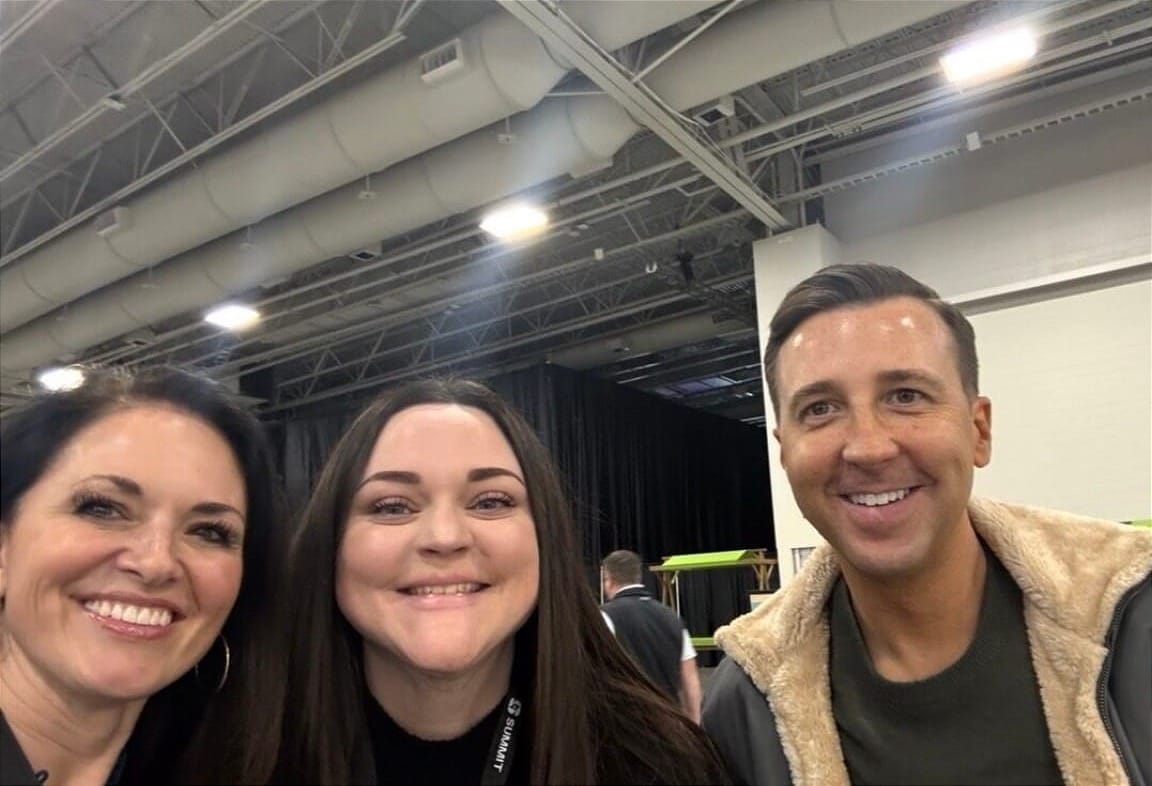
The effort later expanded into a women investors lunch during Summit. Initially capped at 50 attendees, the event quickly grew to more than 75 registrations, with founders, executives, fund managers, and operators attending.
What surprised many participants, Westwood said, was not the level of talent in the room—it was how little opportunity they previously had to participate in similar deals.
Encouragement matters, he says. Ownership matters more.
At a recent Summit event, Westwood and his team made a deliberate decision to feature more female speakers than male speakers.
They did not present the change as a campaign or initiative. Instead, they simply identified the strongest operators and decision-makers and invited them to lead the conversations.
Westwood’s daughters attended the event. They watched women lead discussions about capital allocation, enterprise growth, and global company scaling.
Those moments matter, Westwood believes, because expectations form early. When young girls regularly see women leading complex business conversations, that visibility becomes normal.
And normal shapes what people believe is possible.
4. Build With Women, Not Just Around Them
One of the most significant examples of Westwood’s approach is his long-time professional partnership with Amy Osmond Cook.
Cook initially began working with Westwood on strategy and marketing initiatives. Over time she became Head of Marketing and later co-founder of Fullcast.
Westwood recalls a moment early in their collaboration when he described how he planned to approach a challenge. Cook listened and then calmly explained that she intended to solve the problem differently.
Her approach worked faster and more effectively than his original plan.
According to Westwood, that moment shifted how he thought about leadership partnerships. Supporting women in leadership roles, he concluded, is not about oversight—it is about evolving from mentorship into genuine partnership.
Cook brings perspectives he does not, he says. She communicates differently and sees angles he might miss. The company benefits because leadership is shared rather than hierarchical.
In Westwood’s view, companies that want stronger leadership should move beyond hiring talented women and focus instead on giving them equity, authority, and space to challenge assumptions.
5. Normalize Flexibility Without Penalizing Performance
Westwood also believes workplace structures can unintentionally push capable women away from leadership paths.
He recalls a moment when an employee asked whether it would be acceptable to leave the office to pick up her children and resume work later in the evening.
Westwood’s response was straightforward: results matter more than visibility.
The employee continued performing at a high level, and the structure of her workday became largely irrelevant.
Many professionals—particularly parents—leave leadership roles when rigid systems penalize flexibility. Westwood argues that companies can maintain performance standards while allowing adults to structure their time in ways that support both family and professional responsibilities.
In his view, that approach is not accommodation—it is effective management.
6. Protect Their Voice Early
The need for reinforcement became personal when Westwood’s daughter recently received a letter from older boys in the neighborhood telling her she was “too bossy” and should stay quiet.
She is eight years old.
Moments like that, Westwood believes, can shape how children view their own voices. Instead of dismissing the incident, he used it as a teaching moment. Leadership, he explained, can make insecure people uncomfortable. Strength in girls is sometimes labeled negatively.
That does not mean it should be softened.
The same dynamics appear later in life—in classrooms, offices, and boardrooms. Protecting women’s voices, Westwood says, means ensuring ideas are credited appropriately, interruptions are addressed, and leadership authority is respected.
Support must be visible, not merely verbal.
7. Think in 20-Year Blocks
Westwood often frames leadership decisions in long time horizons. As a CEO, he says he tends to think in 20-year blocks rather than short-term cycles.
Legacy, in his view, is defined not by public messaging but by structural outcomes.
When his daughters grow older, he hopes they will not remember that he simply talked about supporting women. Instead, he hopes they will see tangible evidence: investment tables that look different, stages that feature broader leadership voices, and companies built with stronger partnerships.
Supporting the next generation of women, he argues, is not a seasonal initiative. It is a series of decisions—some public, many quiet—that compound over decades.
If those decisions accumulate in the right direction, he believes the next generation may not need rituals like power poses to feel confident walking into a room.
They will simply know they belong there.
The Secret Sauce
For Westwood, the deeper motivation behind these efforts is rooted in how he defines success.
What drives him, he often says, is not financial milestones or business headlines. It is the phone calls from employees whose careers or lives have changed because of opportunities created along the way. It is watching people gain confidence, step into leadership roles, and realize potential they once doubted.
Business, in Westwood’s view, is about creating something from nothing with people you care about—and then making sure they succeed just as much as you do.
That philosophy of generosity and shared success, he believes, remains the true “secret sauce” behind building a great team.
Ryan Westwood is the CEO of Fullcast, an AI-driven revenue operations platform headquartered in Utah that helps companies plan, execute, and optimize go-to-market strategy. Previously, he served as CEO of Simplus, where he helped scale the company into a global leader in Salesforce consulting. Westwood was named an Entrepreneur Of The Year and has also been recognized among Comparably Best CEOs for Women based on female employee reviews. A longtime advocate for mentorship, inclusive leadership, and Utah’s growing tech ecosystem, he is passionate about building high-performing teams and supporting the next generation of leaders.