Utah Hard Tech Hackathon Awards $15,000 for Reactor Modeling and AI Workload Management
Rogue Technologies and Granite Tait won $15,000 at Utah’s Hard Tech Hackathon for reactor modeling and AI workload management at the Zero Gravity Summit.


Rogue Technologies and Granite Tait won $15,000 at Utah’s Hard Tech Hackathon for reactor modeling and AI workload management at the Zero Gravity Summit.
Salt Lake City, Utah — October 29, 2026
A project accelerating simulations for jet fuel production and a machine-learning model for managing AI workloads across the electrical grid won a combined $15,000 at Utah’s Hard Tech Hackathon.
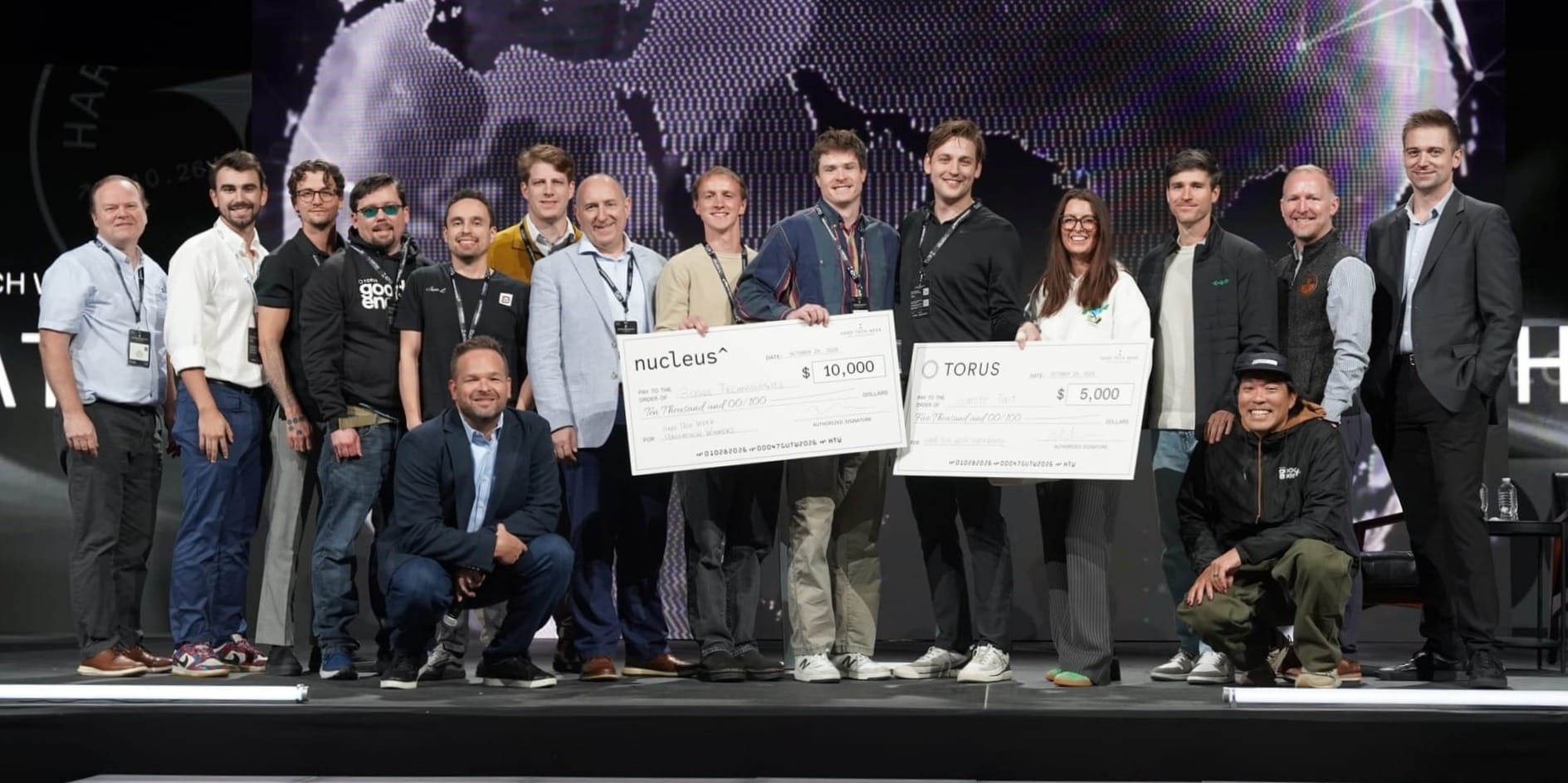
The winners were announced October 29 on the main stage of 47G’s Zero Gravity Summit, following a 48-hour competition that challenged participants to apply their technical skills to problems in energy, manufacturing, computing and other industries.
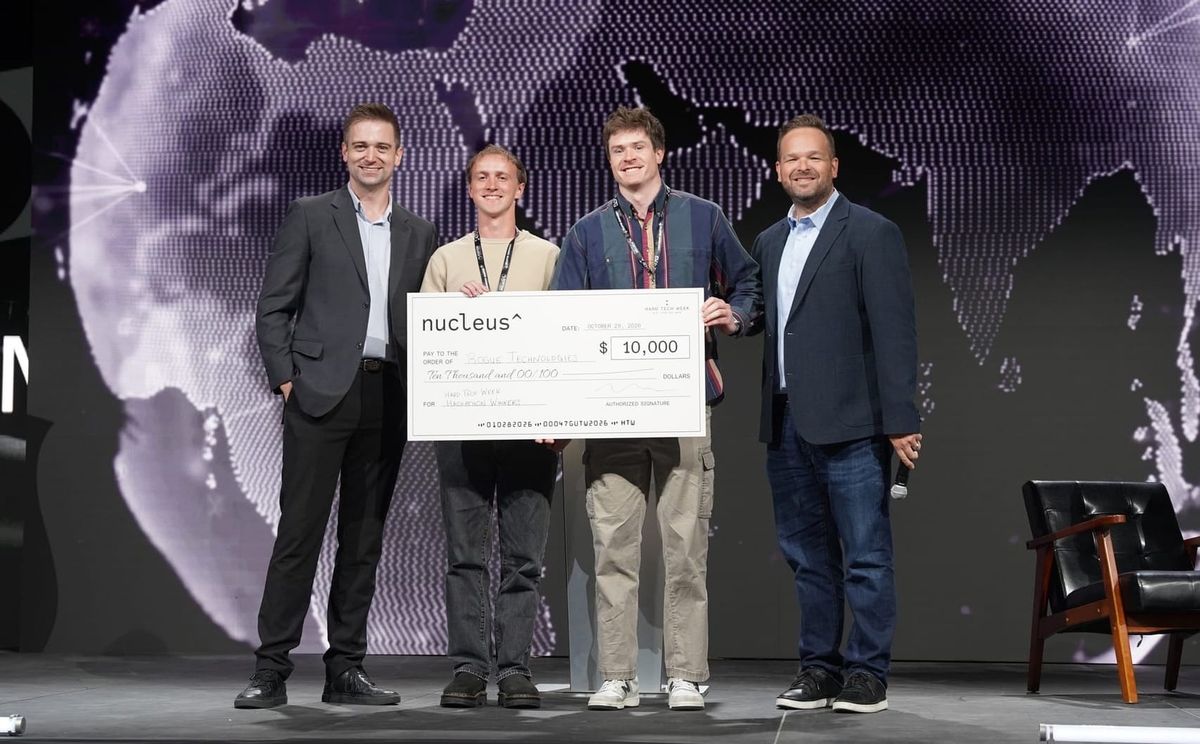
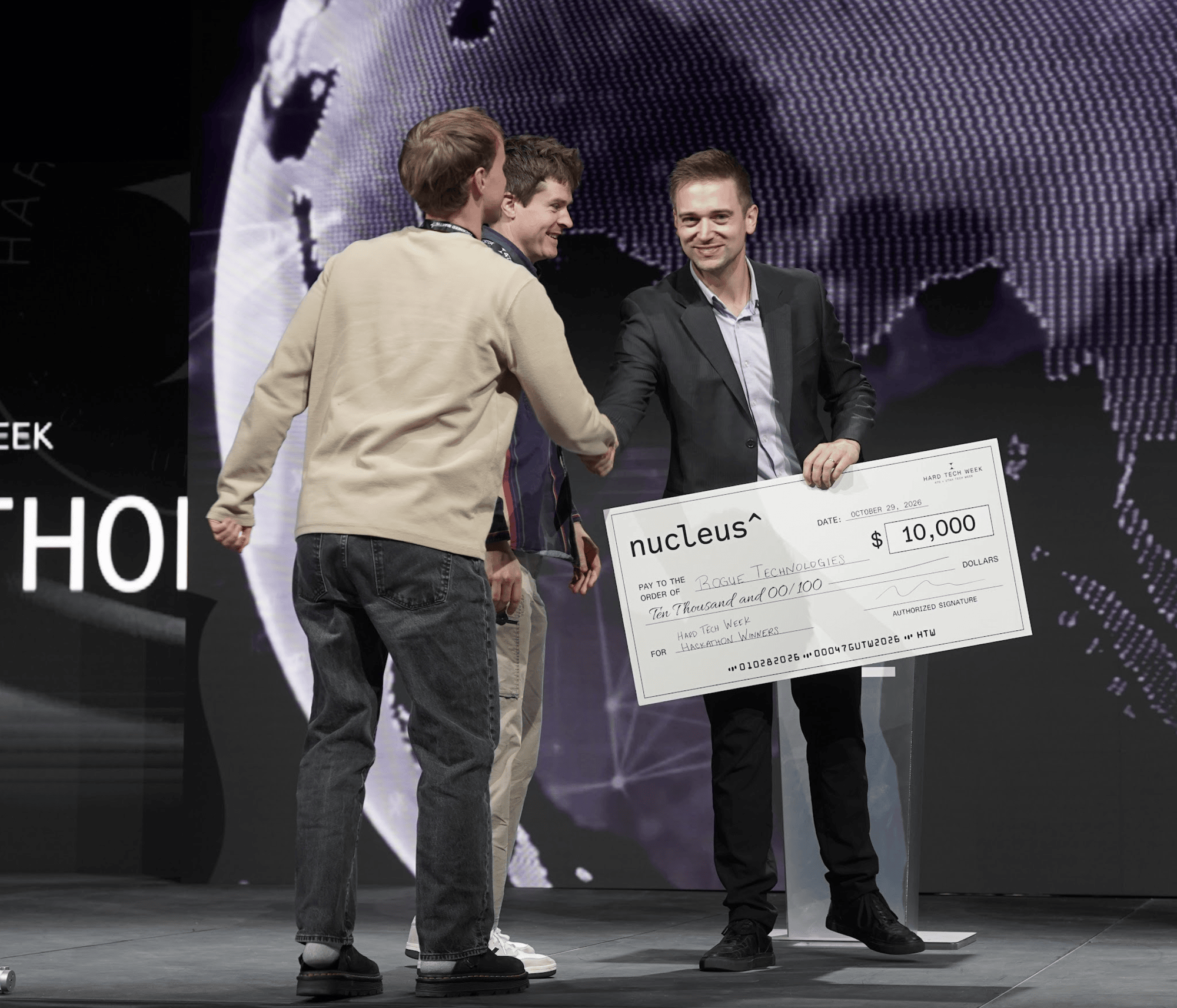
Nucleus Institute and Startup State awarded their $10,000 bounty to a team working on faster reactor modeling. Torus awarded its $5,000 prize to a project addressing where and when AI computing workloads should run.
The awards connected the summit’s broader discussions about industrial capacity and technology development with projects participants could build and demonstrate. Held October 28 and 29 at the Salt Palace Convention Center, Zero Gravity was part of Utah’s inaugural Hard Tech Week, which ran October 26 through 30. Hard Tech Week hackathon teams met on October 28 at the Pentagon in downtown Salt Lake City, several blocks east of the Salt Palace to present their ideas to a panel of judges and a packed room of attendees.
From concern about AI to opportunities to build
Immediately before the awards, Rep. Celeste Maloy opened the summit’s second day by describing a concern she frequently hears from young people: uncertainty about their place in a changing economy.
“They’re worried they won’t have jobs,” Maloy said.
She argued that the companies and institutions gathered at the conference could help show young people how technology creates opportunities to participate, not simply reasons to worry.
“Technology is not the enemy of our future,” Maloy said. “It’s the way we’re going to step up and embrace the future.”
The winning projects offered two examples of participants applying modeling and machine learning to specific industrial problems.
A faster approach to modeling jet fuel production
The $10,000 Nucleus Institute and Startup State award went toRogue Technologies whose team described work to optimize a reactor that converts natural gas into jet fuel. Its contribution during the competition was a surrogate model designed to accelerate the simulation process. A surrogate model approximates the behavior of a more computationally demanding model. Engineers can use that approximation to evaluate more operating conditions or design choices without running the full simulation each time.
During the awards presentation, a Rogue co-founder Nate said their approach sped up the simulation process by a factor of 51, with what he described as negligible error.
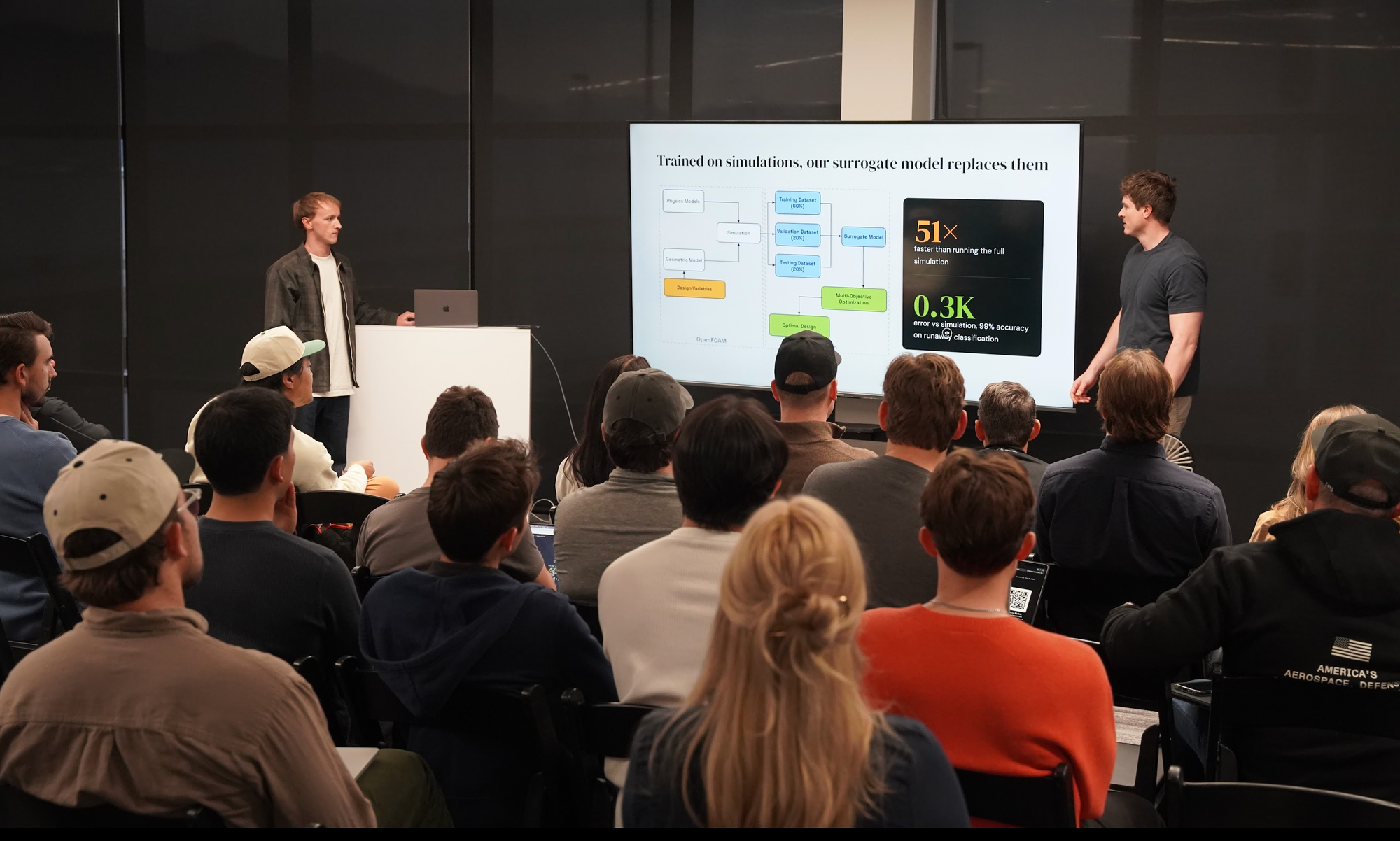
That result was the team’s reported performance, rather than an independently verified benchmark. The presentation was brief and did not specify the comparison conditions or how error was measured. It should be noted, the project involved modeling and optimization, not building an operating jet fuel production facility in two days. The Rogue Technologies team described a broader interest in developing surrogate models for companies bringing industrial technologies into production in Utah and invited potential collaborators to connect.
Matching AI workloads to the electrical grid
The $5,000 Torus bounty went to Granite Tait, who described a machine-learning model for managing AI workloads across the United States electrical grid.
“I built a machine learning model to effectively manage AI workloads across the United States electrical grid,” Tait said.
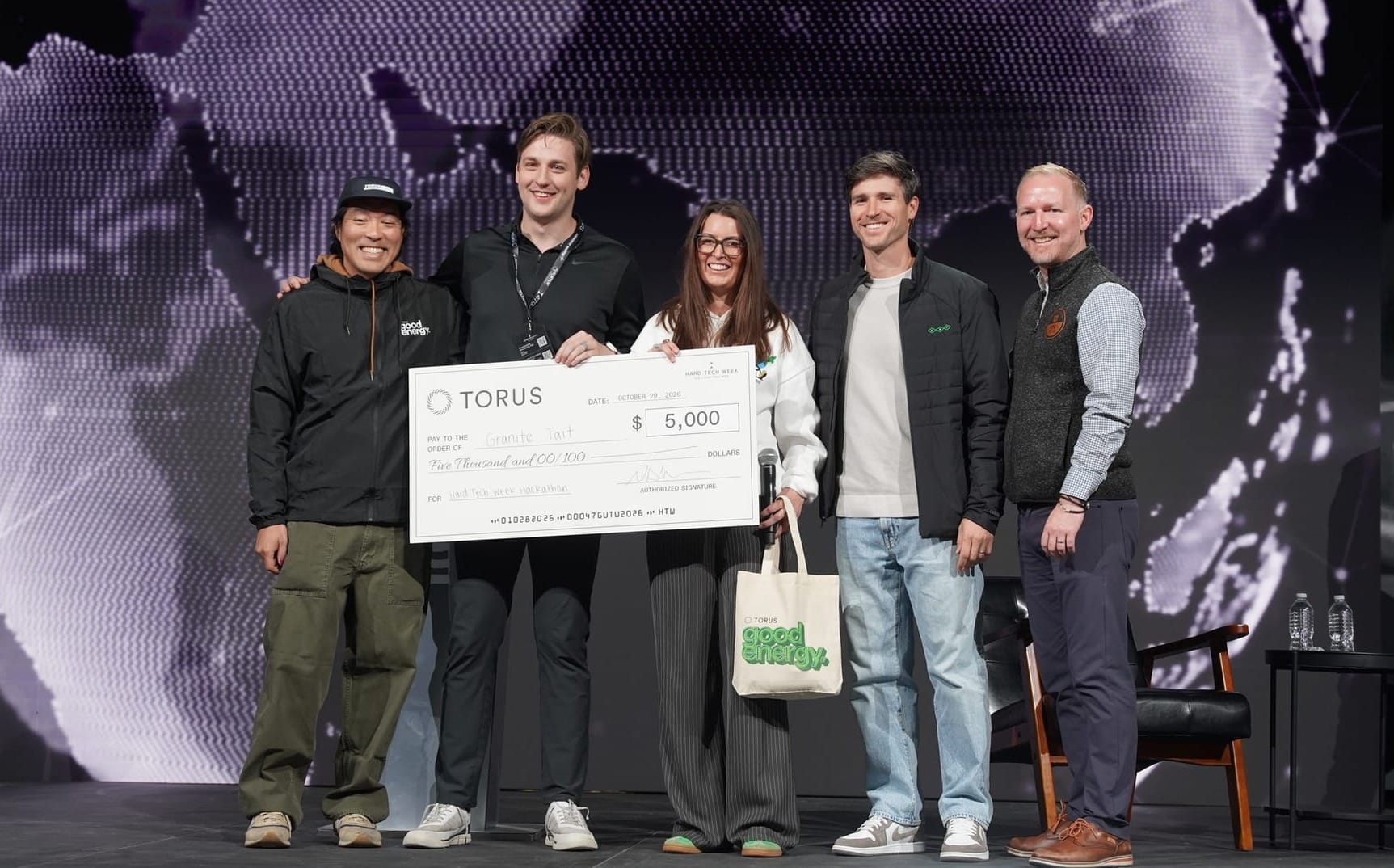
The project addressed the relationship between computing demand and the electricity required to support it. Where and when computing takes place can affect energy costs and the demands placed on local power systems.
As detailed in TechBuzz’s earlier coverage of the hackathon, Torus offered participants two challenges within its $5,000 prize category.
“Rush Hour for Electrons” asked developers to anticipate grid congestion and schedule electricity consumption or storage accordingly. “Compute Follows the Sun” focused on allocating AI workloads across locations and times based on factors such as electricity prices, available capacity, renewable generation and emissions intensity.

An open call for hard tech
The Nucleus Institute and Startup State competition took a broader approach. Rather than prescribing a single technical problem, organizers asked participants to show how $10,000 could help advance a hard tech project.
The challenge allowed existing research and projects, provided participants demonstrated progress during the competition. Eligible work included prototypes, proofs of concept and simulations. Submissions also required a short presentation and a roadmap explaining the next milestones and intended use of the prize money.
Tyler Jennings, who leads Utah’s Startup State program, described the invitation in straightforward terms.
“If you want to build, come build with us.”
Jennings said the submissions covered a range of ideas, including home 3D printing, drones and other technical applications. He also told finalists that the judges’ initial votes had produced ties and that selecting the winners required debate. His message to participants who did not win was that their work had received serious consideration.
Building beyond the bicycle shop
Maloy’s opening remarks placed that collaboration in a broader industrial context.
She recalled reading about the Wright brothers’ experiments and their ability to draw on tools and skills from their bicycle shop. She contrasted that setting with contemporary aerospace and defense development, which depends on specialized manufacturing processes, materials and supply chains extending far beyond a single workshop.
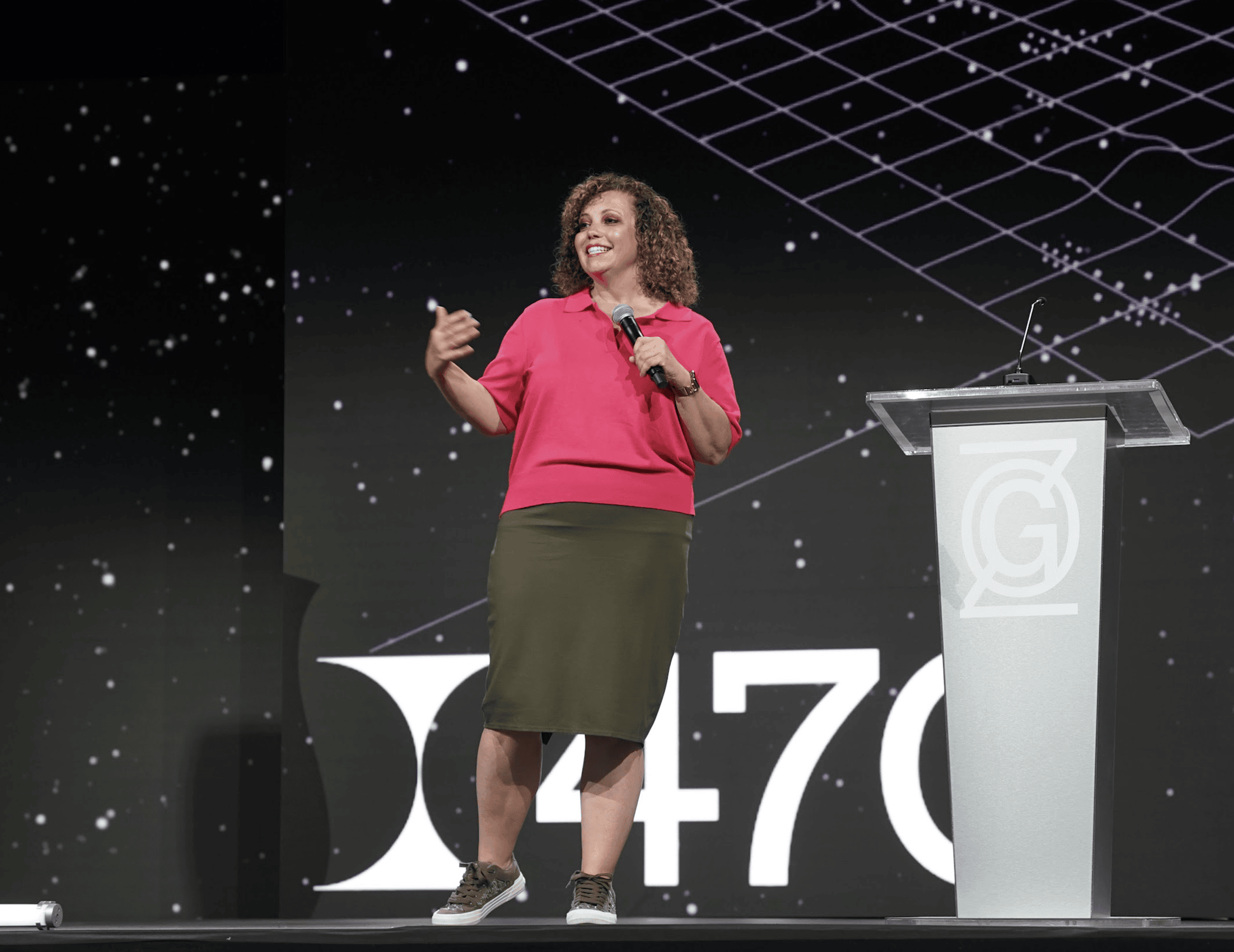
Her argument was that bringing people with different capabilities together is increasingly important to making technical ideas work.
“When you get the right people together and they’re working in close proximity to each other, there’s some magic that happens that’s better than what any of those individuals would have done on their own,” Maloy said.
For the hackathon winners, the awards provide funding to continue developing their projects. The next reporting opportunity is what that funding enables: further validation of the models, work with industrial partners and evidence of performance beyond the competition.
See additional TechBuzz’s reporting from the Zero Gravity Summit and the Utah Hard Tech Hackathon.