Can AI Advance Human Flourishing Without Diminishing What Makes Us Human?
At Utah’s Organized Intelligence 2026 conference, religious leaders and scholars challenged conventional measures of technological progress, arguing that human dignity, relationships, creativity and moral judgment must remain central to the development and use of artificial intelligence.
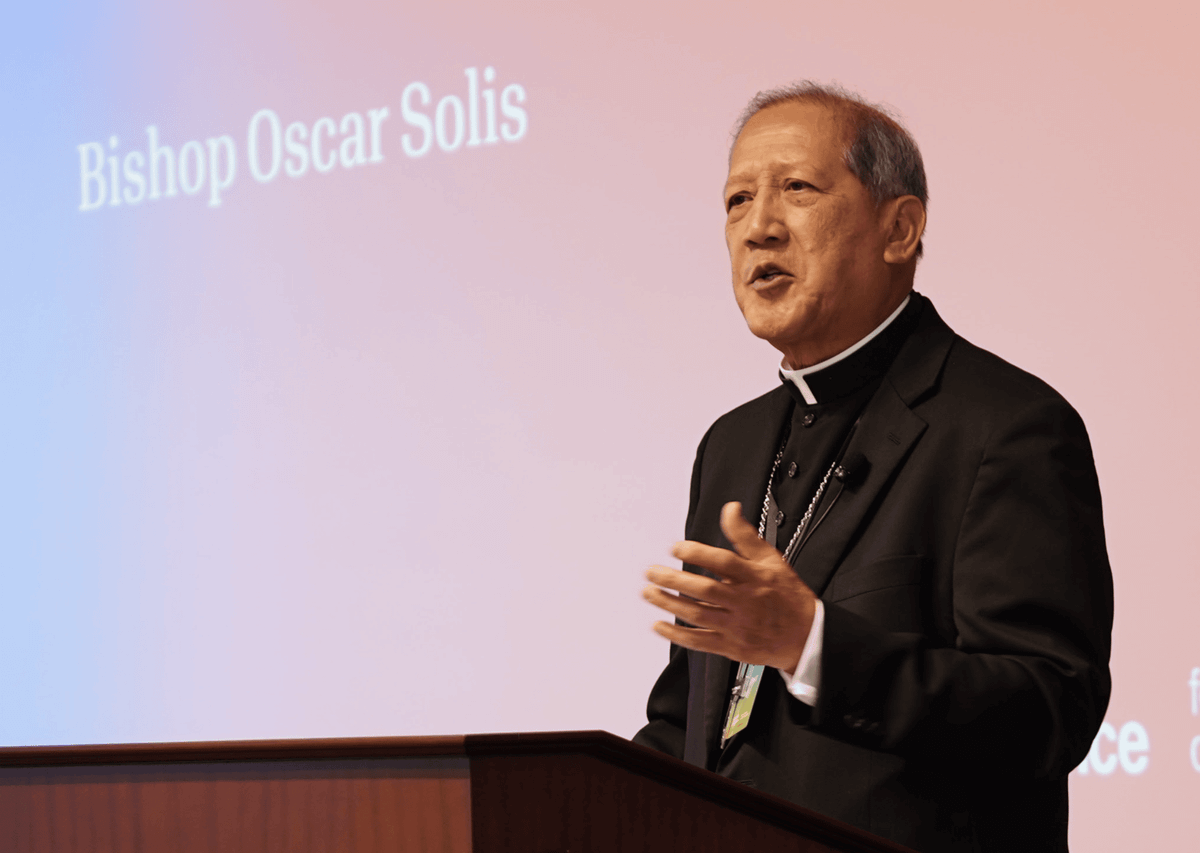
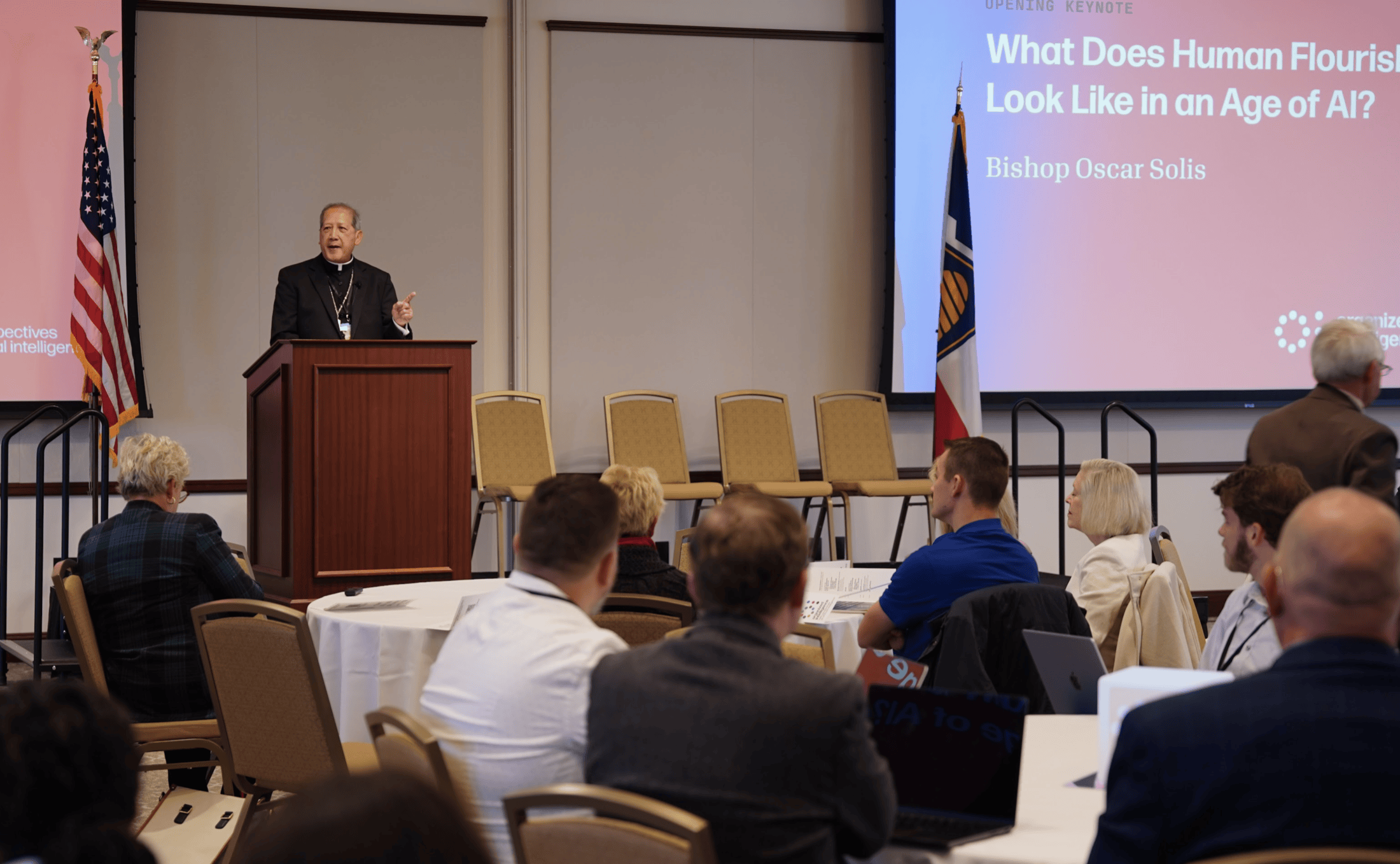
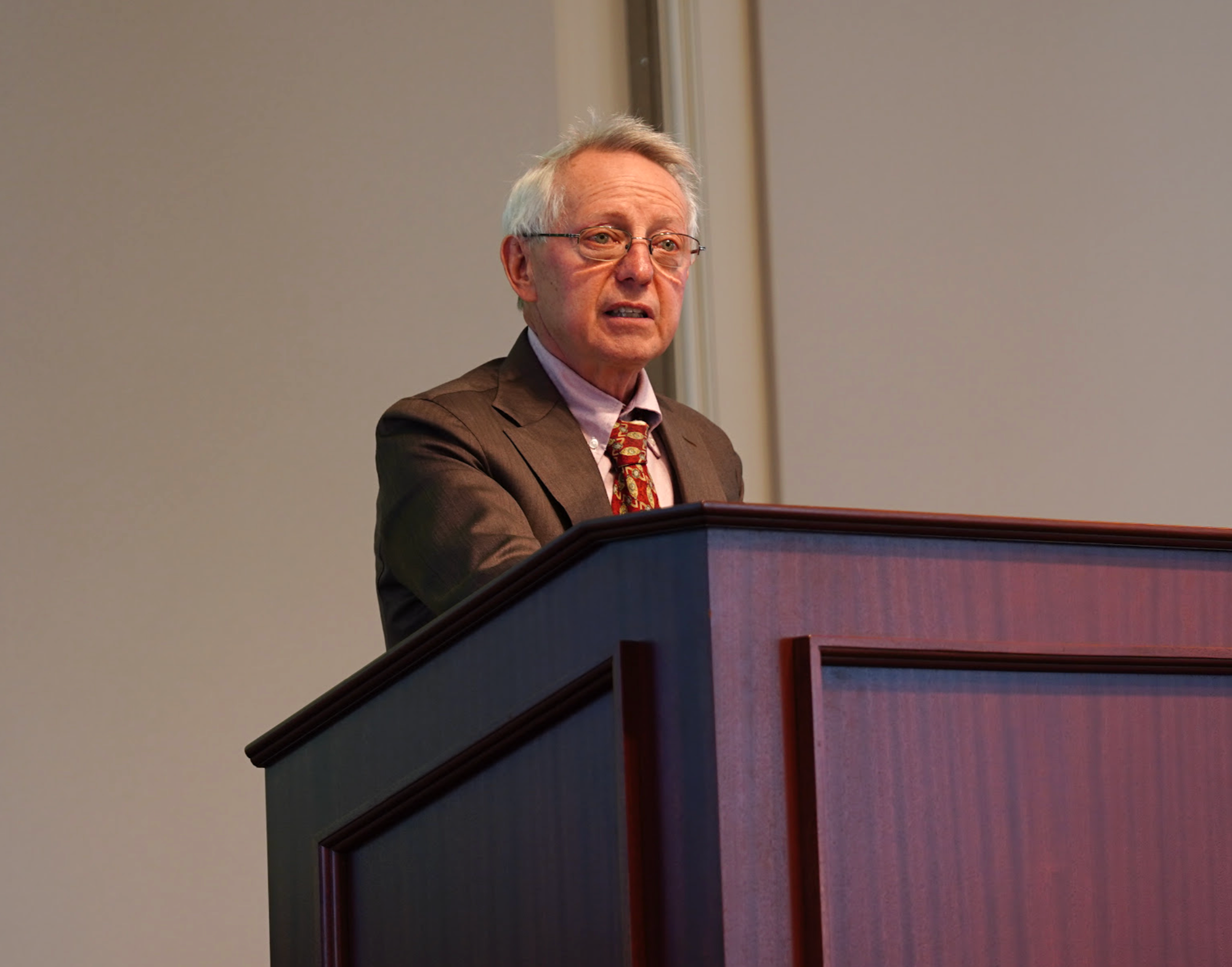
Bishop Oscar Solis of the Catholic Diocese of Salt Lake City delivers a keynote address at Organized Intelligence 2026 at the Utah State Capitol. Bishop Solis said, “Technology must therefore remain a servant of the human person, never, never a master.” Photo: Mark Tullis, TechBuzz
Bishop Oscar Solis of the Catholic Diocese of Salt Lake City delivers a keynote address at Organized Intelligence 2026 at the Utah State Capitol. Bishop Solis said, “Technology must therefore remain a servant of the human person, never, never a master.” Photo: Mark Tullis, TechBuzz
Salt Lake City, Utah — November 10, 2026
Artificial intelligence is advancing rapidly, but the question of whether that progress is making life better is considerably harder to answer.
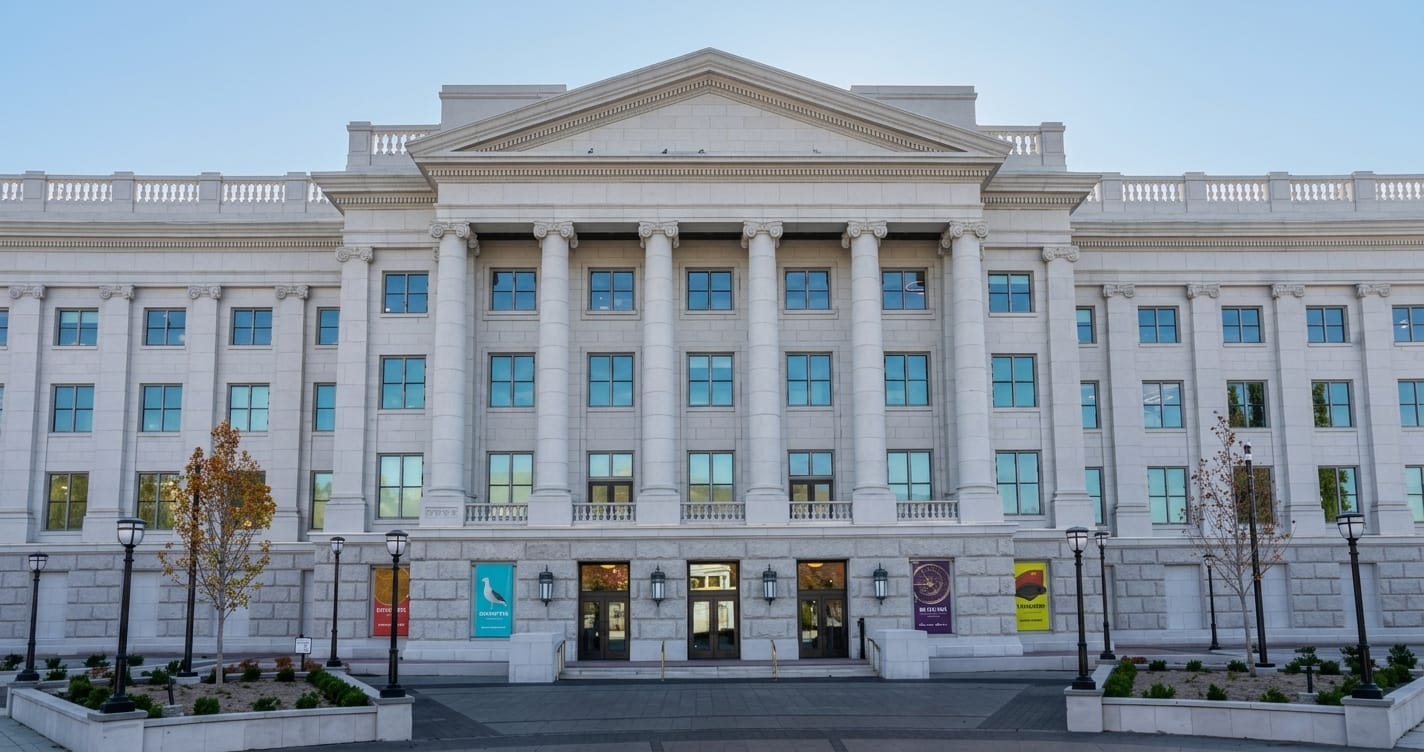
That question framed the opening sessions of Organized Intelligence 2026, held November 10 at the new Museum of Utah at the State Capitol that opened in June of this year. The conference brought together religious leaders, scholars, technologists and policymakers to examine how AI is changing human life and what different traditions can contribute to the discussion.
Their perspectives differed, but a common concern emerged: technological capability is not the same as human progress. AI may make people more productive, expand access to information and help solve difficult problems. But those benefits do not automatically translate into greater wisdom, stronger relationships or a more flourishing society.
The speakers repeatedly returned to a more fundamental question: What should remain distinctly human as machines become capable of doing more?
Technology needs a moral framework
Bishop Oscar Solis approached the question through the Catholic Church’s tradition of social teaching, which has long considered the moral consequences of economic and technological change.
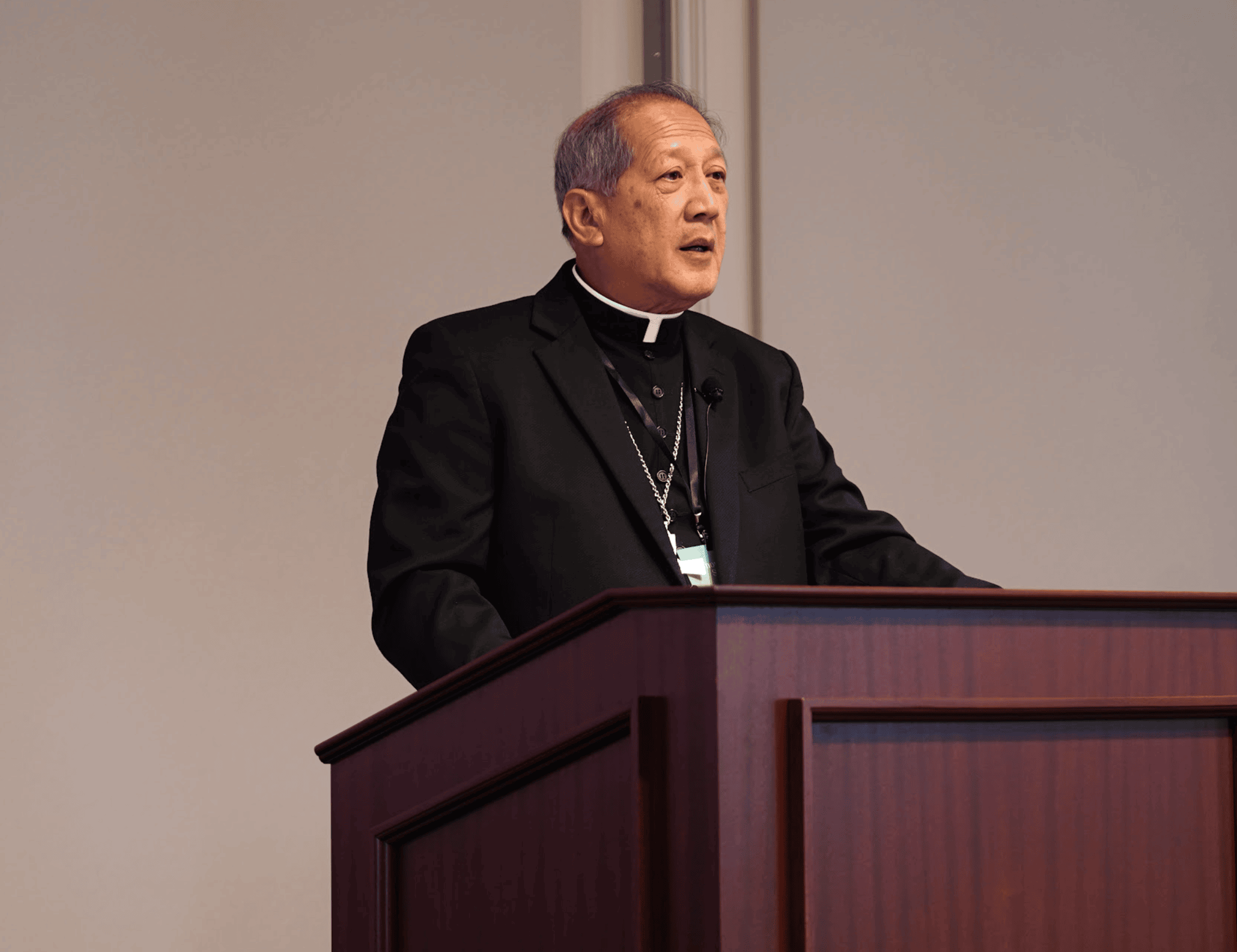
Bishop Oscar Solis of the Catholic Diocese of Salt Lake City, delivers a keynote address at Organized Intelligence 2026 at the Utah State Capitol. Bishop Solis said, “the real question is: Will technology or artificial intelligence advance human flourishing, protect human dignity, and promote the common good, or will it undermine this?” Photo: Mark Tullis, TechBuzz
He drew a parallel between the current AI transition and the Industrial Revolution. In 1891, Pope Leo XIII issued Rerum Novarum, addressing the rights and dignity of workers amid profound changes in industrial society. Solis connected that history to Pope Leo XIV’s 2026 encyclical Magnifica Humanitas, which he described as a call to ensure emerging technologies serve the full flourishing of every person.
For Solis, the issue is not whether AI will transform society. That transformation is already underway. The question is whether it will advance human flourishing, protect human dignity and promote the common good—or undermine them.
He acknowledged the technology’s considerable potential. AI is helping physicians analyze medical images and detect diseases, accelerating drug discovery, supporting agricultural productivity and environmental monitoring, and improving communication across languages. It can also assist people with disabilities, support older adults seeking greater independence and help professionals spend less time on routine tasks.
At its best, he argued, technology extends human capabilities while preserving what is uniquely human: compassion, moral responsibility, love and the search for meaning.
But Solis also outlined risks that go beyond the familiar concerns about inaccurate outputs or job displacement. AI can reduce people to data, concentrate wealth among a relatively small number of companies and individuals, weaken local communities and cultural traditions, and enable surveillance that threatens individual freedom.
He emphasized five principles of Catholic social teaching: the common good, the universal destination of goods, subsidiarity, solidarity and social justice. Together, these principles provide a framework for evaluating whether technological development contributes to integral human development—the well-being of the whole person, rather than simply economic or intellectual advancement.
Bishop Oscar Solis of the Catholic Diocese of Salt Lake City, delivers a keynote address at Organized Intelligence 2026 at the Utah State Capitol. Photo: Mark Tullis, TechBuzz
Subsidiarity was particularly relevant to his concerns about AI. The principle holds that decisions should remain with individuals, families and local communities whenever possible, rather than being unnecessarily transferred to larger institutions or centralized authorities. Solis warned that increasingly uniform digital systems could weaken the local relationships and institutions that help communities maintain their identity and exercise agency.
His central point was that technical capability does not confer moral authority. Just because something can be done does not mean it should be done. Human beings remain responsible for the consequences of their decisions, including decisions made with or through AI.
The human capacities that efficiency cannot measure
Terryl Givens approached the same question through philosophy, literature and theology. His concern was less about the governance of AI systems than about the assumptions people bring to technological progress. A sense of inevitability often surrounds discussions of AI, he observed. People are encouraged to adapt, accommodate and integrate increasingly capable systems into every area of life. But Givens challenged the assumption that efficiency and capability are reliable measures of human advancement.
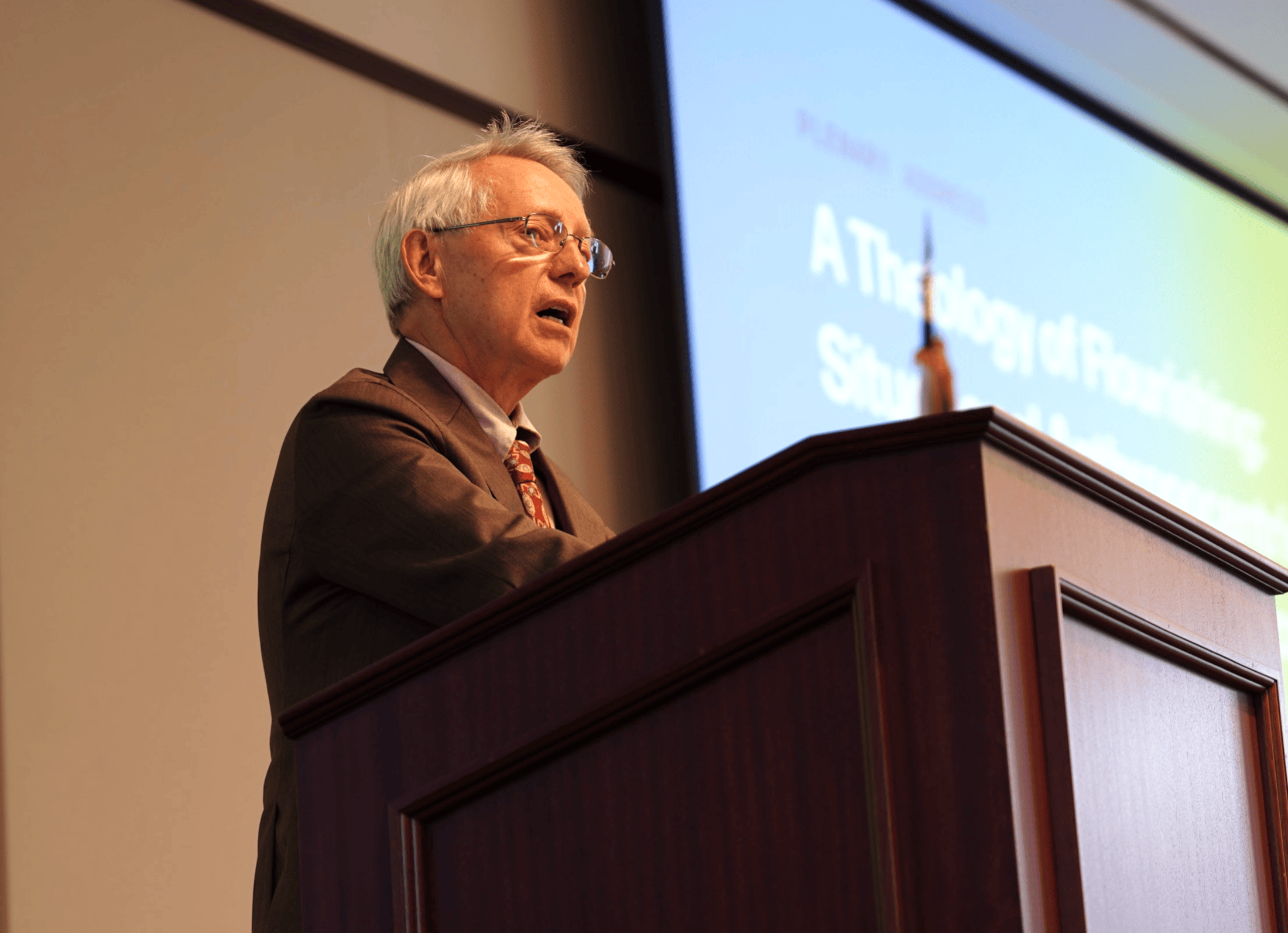
Terryl Givens, BYU scholar and Neal A. Maxwell Senior Research Fellow, delivers his address at Organized Intelligence 2026 at the Utah State Capitol. Givens challenged the assumption that technological progress should be measured by efficiency, arguing that the humanities cultivate empathy, attention and our capacity for meaningful relationships. “Art is love because it is an attentive respect for a reality other than oneself,” he said. Photo: Mark Tullis, TechBuzz
His presentation explored three dimensions of human flourishing: our situatedness, our capacity for relationships and what he called sacred play.
The first challenges the idea of human beings as isolated, autonomous processors of information. People develop within relationships, communities and particular circumstances. Human identity cannot be separated from the experiences and connections that shape it.
The second emphasizes that relationships are not simply useful additions to an otherwise complete individual. They are central to becoming human. Givens drew on religious and philosophical traditions to argue that the capacity to give and receive love, recognize another person and respond to vulnerability is fundamental to human flourishing.
He also emphasized the importance of attention. Drawing on Simone Weil’s understanding of attention as a form of love, he suggested that the ability to give another person sustained, undivided attention is a moral and spiritual capacity. It requires more than processing information or producing a response.
That observation has implications for education and the humanities. Literature, history and the arts cultivate imagination, empathy and the ability to understand experiences beyond one's own. Those capacities are not easily measured by conventional productivity metrics, but they are essential to the formation of thoughtful and compassionate people.
“The human body is not an instrument of maximal efficiency; it is a vehicle of maximal interconnection,” said Terryl Givens, BYU scholar and Neal A. Maxwell Senior Research Fellow at Organized Intelligence 2026. Utah State Capitol Museum of Utah. Photo: Mark Tullis, TechBuzz
Givens was particularly skeptical of applying technological efficiency to every aspect of education and creative work. If students use AI to bypass the difficult process of reading, writing, interpreting and creating, they may produce acceptable results while missing the formative experience those activities are intended to provide.
His third theme, sacred play, offered a further challenge to the dominance of productivity. Drawing on theologian Jürgen Moltmann, Givens described play, beauty and creativity as activities that have value beyond measurable outcomes. Not everything worthwhile needs to serve a practical objective or produce an efficient result.
He also invoked the Trappist monk Thomas Merton's criticism of efficiency as a threat to spiritual life. When efficiency becomes the overriding standard, attention, reflection and receptivity can be pushed aside.
The implication was not that technology should be excluded from education or creative work altogether. Rather, some human activities are valuable precisely because of the time, effort and personal engagement they require. Automating the result may mean losing something important in the process.
What AI is doing to the people who use it
The multifaith panel, moderated by Zachary Davis, brought together three perspectives on how religious traditions might help society navigate AI: Rev. Dr. Marian Edmonds-Allen, Father Gregory Telemachos Stamkopoulos and DZ Kalman.
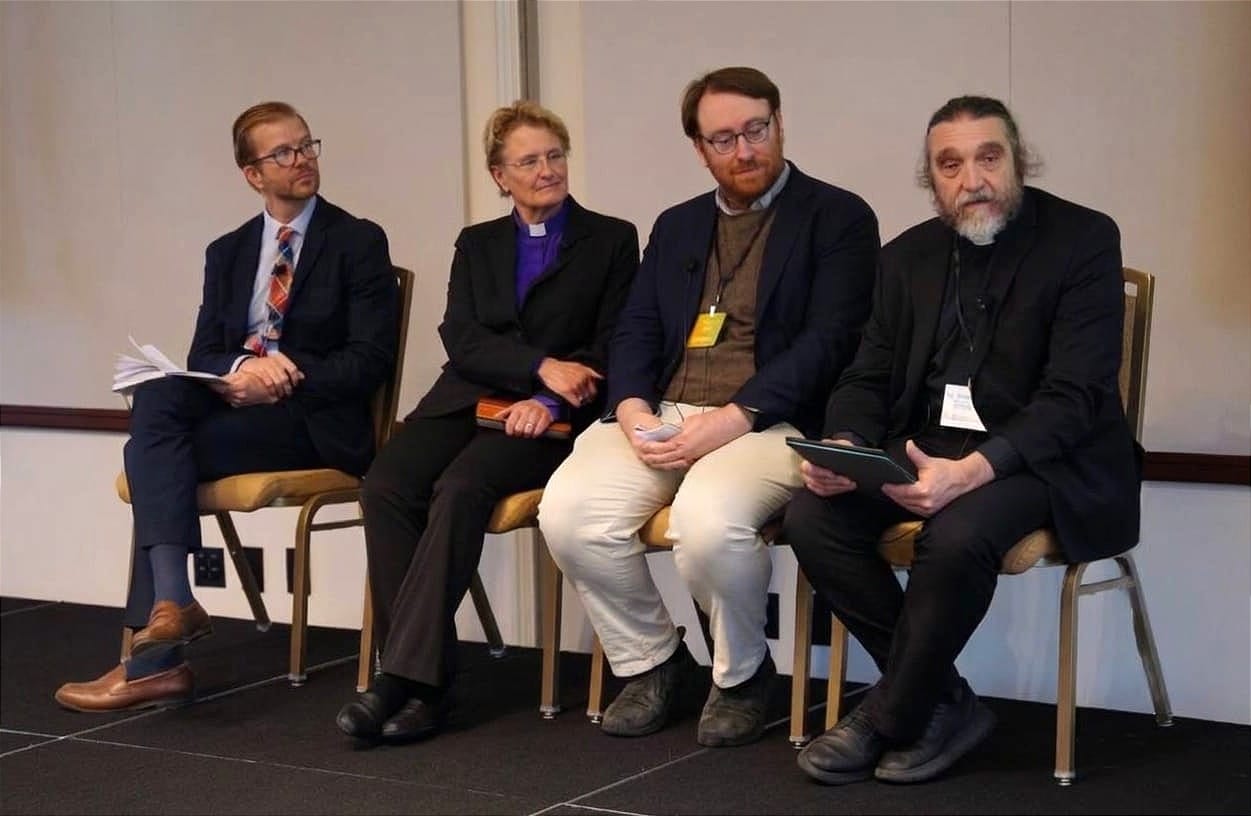
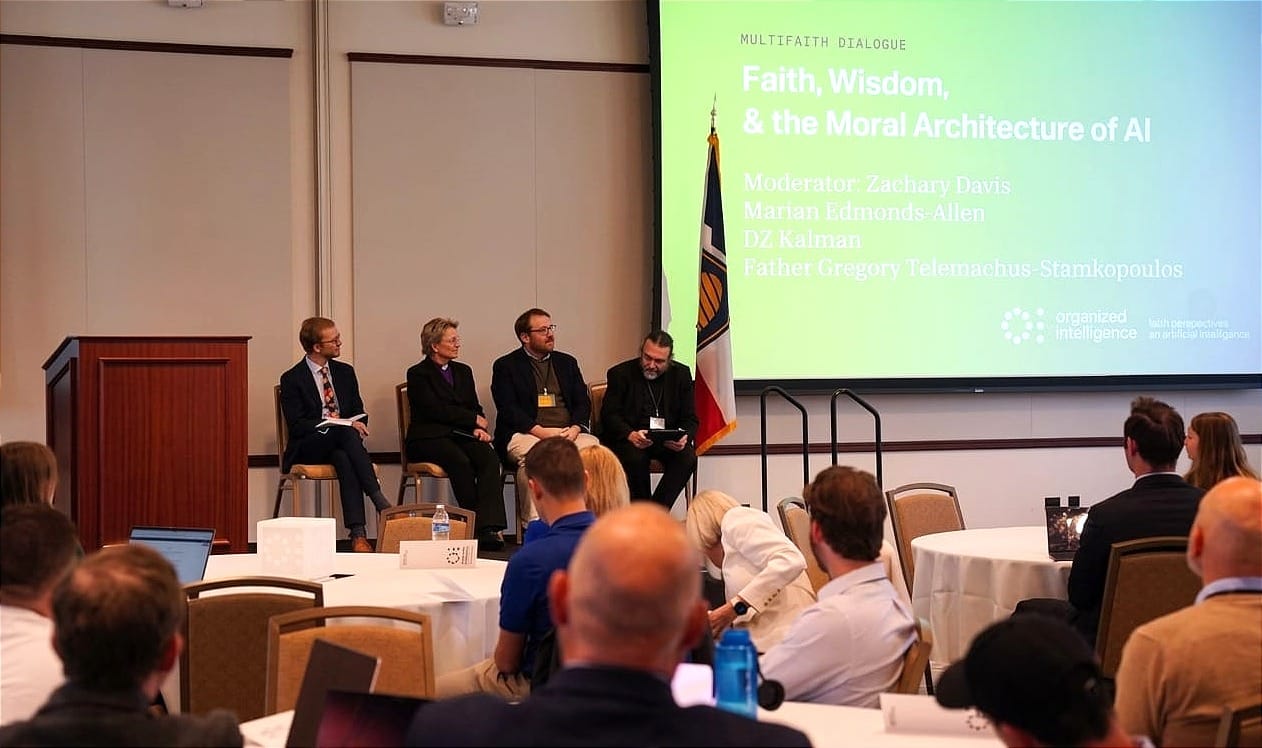
Zachary Davis moderated a multifaith discussion with Marian Edmonds-Allen, DZ Kalman and Father Gregory-Telemachos Stamkopoulos at Organized Intelligence 2026 on November 10 in Salt Lake City. The panel explored how religious traditions can help guide AI’s development and use while preserving human dignity, agency and meaningful relationships. Photo: Mark Tullis, TechBuzz
Edmonds-Allen offered a perspective shaped by decades of work in pastoral care, hospice chaplaincy, human dignity and bridge-building across differences. She is the founder of FaithWise.AI and Co-Director of the AI Initiative at the Neurospirituality Lab at Mass General Brigham.
Her current work asks a question that closely captures the conference's central concern: How do people become more human, rather than less, in the age of AI?
That question extends beyond whether AI can help people accomplish more. It asks what happens to human beings as they increasingly rely on machines to think, create, judge and make decisions.
“We can address the levers of harm we see from AI and are discovering, while we also find and work the levers of hope that our world desperately needs,” said Edmonds-Allen, an expression of her balanced position: acknowledge and address AI's harms without overlooking its potential to extend human agency and help people.
Edmonds-Allen's work examines how AI affects agency, judgment, attention, creativity, identity, relationships and personal formation. She argues that AI can dramatically extend human agency, but it can also diminish human capacities—including cognition and skills—or contribute to a drift away from personal values.
She went on to provide examples to illustrated both possibilities.
She described a colleague, Rachel, whose work focuses on preventing genocide. Using AI-enabled modeling, Rachel developed a data-informed approach to help communities identify which interventions could make a difference in preventing violence and protecting families. The technology offered a way to extend the reach of humanitarian work that had previously been constrained by limited resources.
Edmonds-Allen also described Jen's Turtle Shelter Project, which produces insulated foam vests for people experiencing homelessness. Jen, who has experienced homelessness and addiction herself, developed the project after losing friends to exposure during harsh Utah winters. Edmonds-Allen wondered whether AI could help the organization extend its reach and support more people.
But she did not present AI as an unqualified solution. She acknowledged concerns about cognitive offloading, deskilling, disrupted relationships and the unequal distribution of access to technology. These are not abstract problems; they affect how people learn, think, form relationships and develop their capacities.
Her argument was that people should neither surrender to technology nor dismiss its potential. They should identify what they want AI to amplify and what they want to preserve. Edmonds-Allen has developed tools including the Personal Moral Compass and the Core Compass practices to help people clarify their values and make more intentional choices.
The question is not simply whether AI can do something for us. It is whether relying on it changes us in ways we would choose.
“We are not at the mercy of what may happen next. We have agency. We have wisdom," she said.
Intelligence is not the same as wisdom
Father Gregory Telemachos Stamkopoulos brought a perspective informed by both computer science and Orthodox theology. His academic background includes degrees in physics and theology, a master's degree in radioelectrology and a Ph.D. in medical informatics from Aristotle University of Thessaloniki. He has conducted research in computer vision and telemedicine and has worked extensively in applied information technology, neural networks and artificial intelligence.
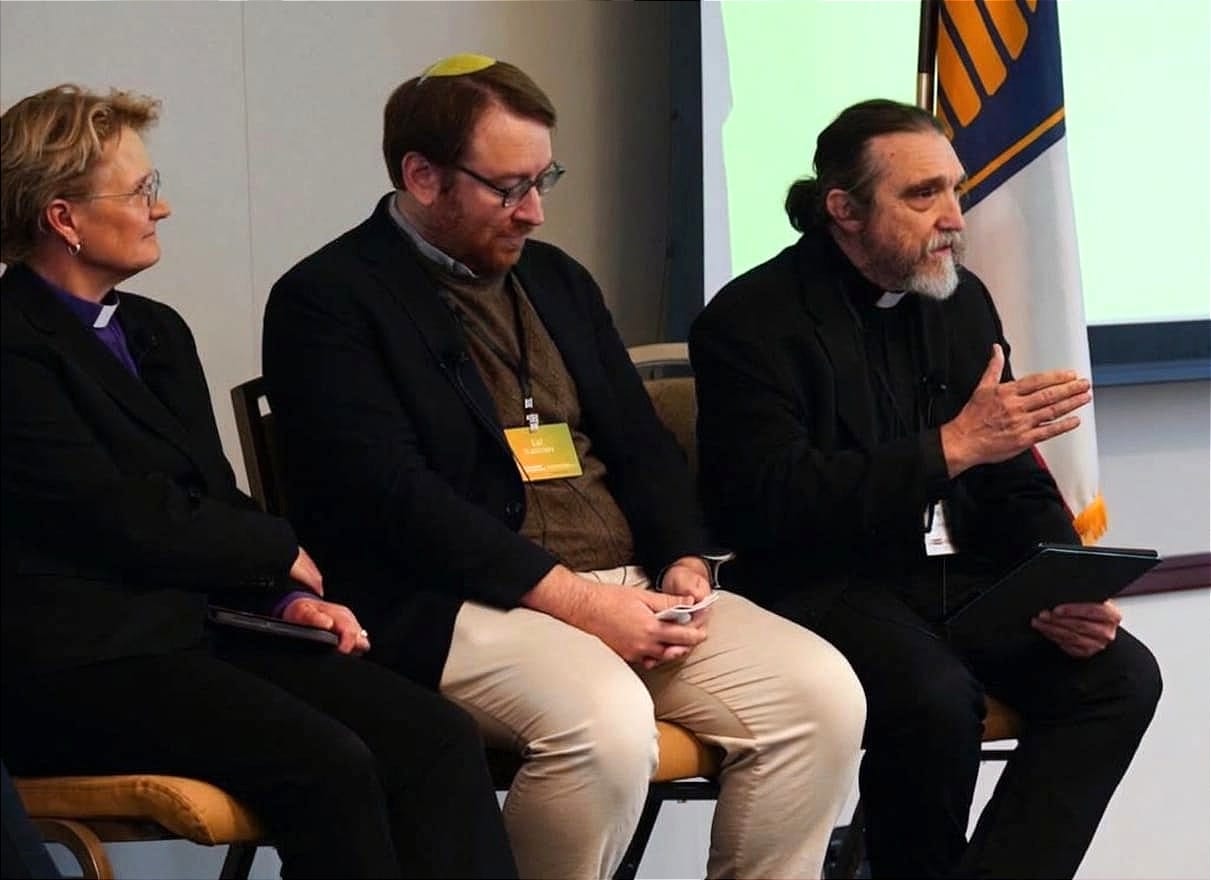
Father Gregory-Telemachos Stamkopoulos (right) speaks during the multifaith panel at Organized Intelligence 2026 on November 10 in Salt Lake City. Drawing on Orthodox theology and his background in medical informatics, he argued that computational intelligence is not the same as wisdom and that human dignity does not depend on intellectual ability. Photo: Mark Tullis, TechBuzz
That experience informed his argument that computational ability and human understanding are not interchangeable.
He began with a story about Arsenius, a fourth-century monk who left the imperial court for the Egyptian desert. When Arsenius asked God to show him the path to salvation, the answer was: “Flee, be silent, pray always.”
For Father Gregory, the story offered a starting point for thinking about the modern problem of distraction. Orthodox Christianity has a tradition of understanding silence not as emptiness or isolation, but as a form of inner stillness that makes room for truth, other people and God.
He then introduced a distinction from Orthodox theology between dianoia, the discursive faculty of reasoning, and nous, a deeper spiritual faculty often described as the eye of the heart. The distinction helped him frame a question about AI: Does becoming better at reasoning necessarily make a person wiser?
A machine may be able to analyze theological texts, explain religious concepts or produce an account of compassion. But, Father Gregory argued, analyzing a prayer is not the same as praying; explaining love is not the same as loving; describing compassion is not the same as becoming compassionate.
Orthodox theology calls the transformation of a person through communion with God theosis. In that understanding, the purpose of human life is not to become an increasingly efficient processor of information, but to become a person capable of deeper love.
He connected this to human dignity. A newborn child cannot solve an equation, and an elderly person with dementia may lose the ability to remember familiar names. Neither has lost any measure of human worth. Dignity is not earned through intelligence, productivity or achievement.
“We're living in an age when machines are learning to speak," said Father Gregory. "But are human beings forgetting how to listen?”
That point has direct relevance as AI systems become capable of performing more intellectual tasks. If society measures human value primarily through cognitive performance, what happens when machines outperform people in an expanding range of activities?
Father Gregory also raised concerns about the environmental costs of AI infrastructure, including its demands for electricity, water and minerals. The benefits of increasingly capable systems must be considered alongside the physical resources required to build and operate them.
Zachary Davis, (left), moderator o a multifaith discussion with Marian Edmonds-Allen, DZ Kalman and Father Gregory-Telemachos Stamkopoulos at Organized Intelligence 2026 on November 10 in Salt Lake City. T Photo: Mark Tullis, TechBuzz
The role of religious traditions in the AI debate
DZ Kalman, a fellow at Harvard University's Berkman Klein Center for Internet & Society, studies the historical and contemporary relationship between religion and technology, with a particular focus on AI. He also hosts the Belief in the Future podcast.
Kalman focused on the role religious communities can play in a conversation that is often dominated by technology companies, researchers and policymakers.
Religious traditions, he suggested, can help people articulate values and ask questions that technical discussions sometimes overlook. They also provide communities with longstanding practices for thinking about responsibility, restraint, human dignity and the meaning of personhood.
He offered the example of Torah scrolls, which are handwritten by trained scribes even though more efficient ways of producing text are available. The practice illustrates that efficiency is not always the highest value. Sometimes the process itself carries meaning that would be lost if it were replaced by a faster method.
Kalman also discussed the need for religious communities to develop a more nuanced vocabulary for evaluating AI use. There is a meaningful difference between using AI to proofread a sermon and asking it to write the sermon. The distinction is not simply technical; it concerns authorship, responsibility and the role of personal effort in religious practice.
He raised questions about the relationship between AI developers and religious communities, including whether some of the ambitions surrounding advanced AI take on characteristics associated with religious belief. But he cautioned against simplistic labels. His larger concern was that consequential conversations about AI's future are often taking place without sufficient participation from the public and the traditions that have long considered questions of human purpose and moral responsibility.
Religious communities, in his view, can help broaden that conversation and give people a way to participate in setting expectations and limits for technology. He argued that religious traditions should not allow AI to dictate the terms of their moral and social conversations. Their enduring concerns—families, children, relationships, values and moral responsibility—remain central.
“AI is entering into our turf, not the other way around,” he concluded.
Agency, restraint and the choices ahead
Davis, who moderated the panel, opened with a humorous comparison of religion to a technology that has achieved product-market fit, complete with a friends-and-family investment round. Beneath the irony was a serious point: religious traditions are repositories of human experience and wisdom that may be particularly relevant as society confronts questions about consciousness, freedom, meaning and what makes life good.
In a memorable moment, he went on to frame panel's discussion in terms of silence, attention and distraction. “One could make the argument that technology is an elaborate way to avoid being with our own thoughts,” he said.
The discussion also took up the question of agency. Are people actually in control of the technologies they use, or are increasingly sophisticated systems shaping behavior in ways users do not recognize?
Edmonds-Allen argued that people retain responsibility for their choices and can establish boundaries around technology use. But the panel also acknowledged that individual agency operates within larger systems, including platforms designed to capture attention and communities with unequal access to technological resources.
That tension is important. Responsible AI use cannot rest entirely on individual discipline. It also requires developers, companies, educators, institutions and policymakers to consider how systems influence people and whether those systems preserve human choice.
The morning's speakers did not offer a single religious position on AI, nor did they argue that the technology should be rejected. Their perspectives differed in emphasis. Solis focused on social responsibility and the common good. Givens challenged the assumption that efficiency is an adequate measure of progress. Edmonds-Allen examined how technology shapes the people who use it. Father Gregory distinguished computational reasoning from spiritual understanding. Kalman emphasized the contribution religious traditions can make to public deliberation.
Together, they offered a broader framework for evaluating technological progress.
AI's capabilities will continue to expand. The harder question is whether people and institutions will be deliberate about what those capabilities are used for—and what they should not replace.
Human flourishing cannot be measured only by productivity, economic growth or the performance of machines. It also depends on the capacity to pay attention, form relationships, exercise moral judgment, create, care for others and find meaning.
Those are not peripheral concerns to be addressed after the technology is built. They are part of the standard by which its development should be judged.
The challenge for Utah's technology community, and for society more broadly, is to ensure that as machines become more capable, people do not become less thoughtful, less connected or less human.
The Utah State Capitol’s North Building, home to the Museum of Utah, hosted Organized Intelligence 2026 in its conference center on November 10. The Salt Lake City gathering brought together religious leaders, scholars, technologists and policymakers to explore AI’s implications for human flourishing. Photo: Mark Tullis, TechBuzz