Hybrid-Electric Aircraft Completes Historic Utah Flight, Marking First Operational Milestone for FAA-Backed uFLY Program
A hybrid-electric aircraft from Ampaire (Long Beach, CA) completes a demonstration flight across Utah as part of UDOT's uFLY initiative. The flight is helping evaluate how next-generation aircraft can safely operate within today's aviation system while reducing fuel consumption and emissions
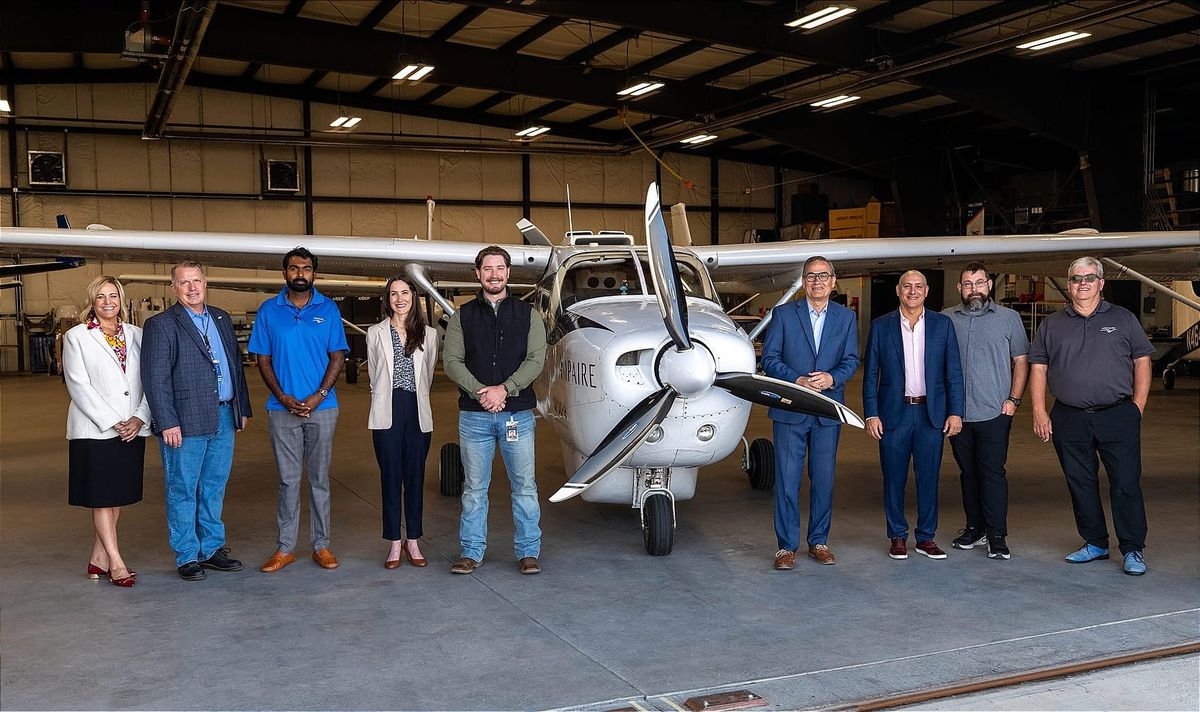
Representatives from 47G, Ampaire, the Utah Department of Transportation, and aerospace industry partners gather with Ampaire's hybrid-electric aircraft before its August 6th demonstration flight from Salt Lake City International Airport to Cedar City Regional Airport. The flight marked the first public demonstration under Utah's FAA-backed uFLY advanced air mobility initiative. Photo courtesy of UDOT.
Representatives from 47G, Ampaire, the Utah Department of Transportation, and aerospace industry partners gather with Ampaire's hybrid-electric aircraft before its August 6th demonstration flight from Salt Lake City International Airport to Cedar City Regional Airport. The flight marked the first public demonstration under Utah's FAA-backed uFLY advanced air mobility initiative. Photo courtesy of UDOT.
Salt Lake City, Utah — August 6, 2026
A hybrid-electric aircraft completed a demonstration flight between Salt Lake City International Airport and Cedar City Regional Airport Thursday, marking the first public flight under Utah's FAA-backed uFLY initiative and moving the state's advanced air mobility program from planning into real-world operations.
The aircraft, operated by Long Beach, California-based Ampaire, departed Salt Lake City and landed in Cedar City as part of the Utah Department of Transportation's (UDOT) effort to evaluate emerging aviation technologies under everyday operating conditions. State officials said the demonstration is the first of several planned flights designed to help integrate advanced aircraft into the National Airspace System.
The flight represents a significant milestone for uFLY, a public-private partnership led by UDOT after the Federal Aviation Administration selected Utah earlier this year to lead one of eight national Electric Vertical Takeoff and Landing Integration Pilot Program (eIPP) partnerships. The initiative brings together five western states, industry partners and research institutions to evaluate how next-generation aircraft can safely operate in diverse environments, from mountain airports to rural communities.
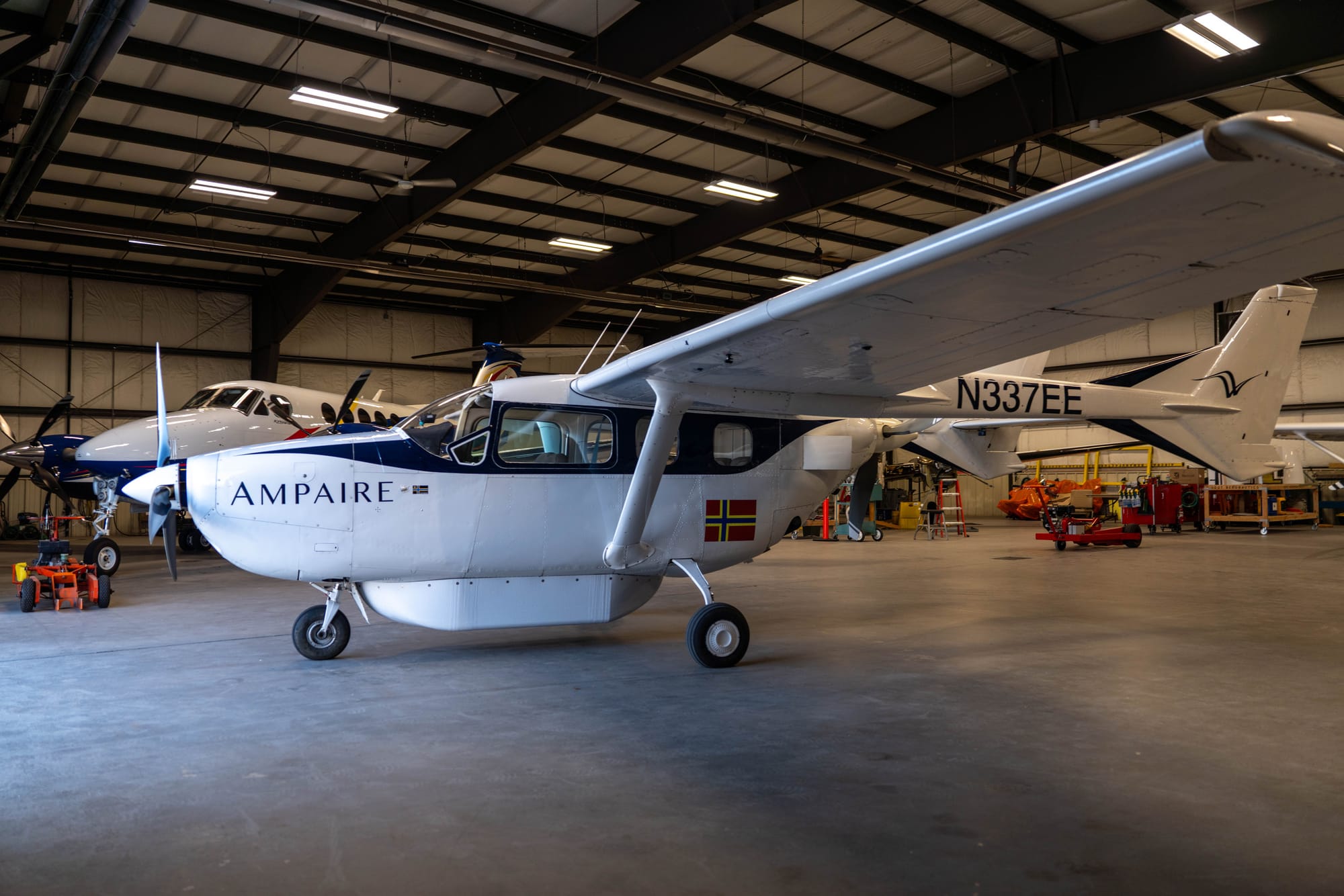
Unlike fully electric aircraft, Ampaire's hybrid-electric airplane combines conventional aviation engines with electric propulsion. The approach reduces fuel consumption and emissions while allowing the aircraft to use existing airports and infrastructure, making the technology more practical for regional flights today.
"Our hybrids operate across meaningful distances, varied terrain and existing airports without waiting for new infrastructure," Ampaire Co-founder and CEO Kevin Noertker said in a statement. "The propulsion system changes; the regional aviation system does not have to."
According to Ampaire, its hybrid-electric aircraft have accumulated more than 35,000 flight miles during testing, demonstrating the maturity of the technology for regional aviation applications.
Ampaire's hybrid-electric aircraft leaving the hangar in Salt Lake City for its inaugural demonstration flight of UDOT's FAA-backed uFLY initiative
Cache Valley technology plays a role
The demonstration also highlights the role of Utah's aerospace ecosystem.
Ampaire's aircraft use battery technology developed by Logan, Utah-based EP Systems, whose battery systems provide supplemental electric power while allowing the aircraft to maintain the range required for regional operations.
From planning to flight operations
TechBuzz first reported on Utah's selection to lead the FAA-backed uFLY initiative in March, when the state was chosen to head one of eight national advanced air mobility pilot partnerships; Thursday's demonstration flight marks the program's first major public operational milestone.
UDOT officials say the program will evaluate how advanced aircraft could improve transportation options for rural communities while supporting emergency response, economic development and future commercial aviation services.
"Today's flight marks the start of an important effort to test advanced aircraft in real-world conditions," said Matt Maass, director of UDOT Aeronautics. "Each demonstration helps us better understand how these technologies can safely connect communities and demonstrates why Utah is leading the way in advanced air mobility."
Future demonstrations are expected to evaluate additional aircraft and operational scenarios while collecting data that will help inform infrastructure planning, regulatory policy and future deployment of advanced air mobility technologies.
Why Cedar City?
The 255 mile route between Salt Lake City and Cedar City demonstrates the potential of hybrid-electric aircraft to connect communities separated by long highway travel times and varied terrain. Southern Utah also provides high-elevation airports, desert environments and changing weather conditions that make the region an attractive testing ground for emerging aviation technologies.
Utah positions itself as an advanced aviation testbed
Utah has steadily expanded its role in advanced air mobility through initiatives led by UDOT, the Governor's Office of Economic Opportunity, industry partners and organizations such as 47G. The FAA's decision to designate Utah as one of eight national test sites places the state among a small group helping shape how advanced aircraft are integrated into the nation's aviation system.
Thursday's demonstration suggests that effort is beginning to transition from planning and policy discussions to operational testing.
Share this article
The link has been copied!
Your link has expired. Please request a new one.
Your link has expired. Please request a new one.
Your link has expired. Please request a new one.
Great! You've successfully signed up.
Great! You've successfully signed up.
Welcome back! You've successfully signed in.
Success! You now have access to additional content.