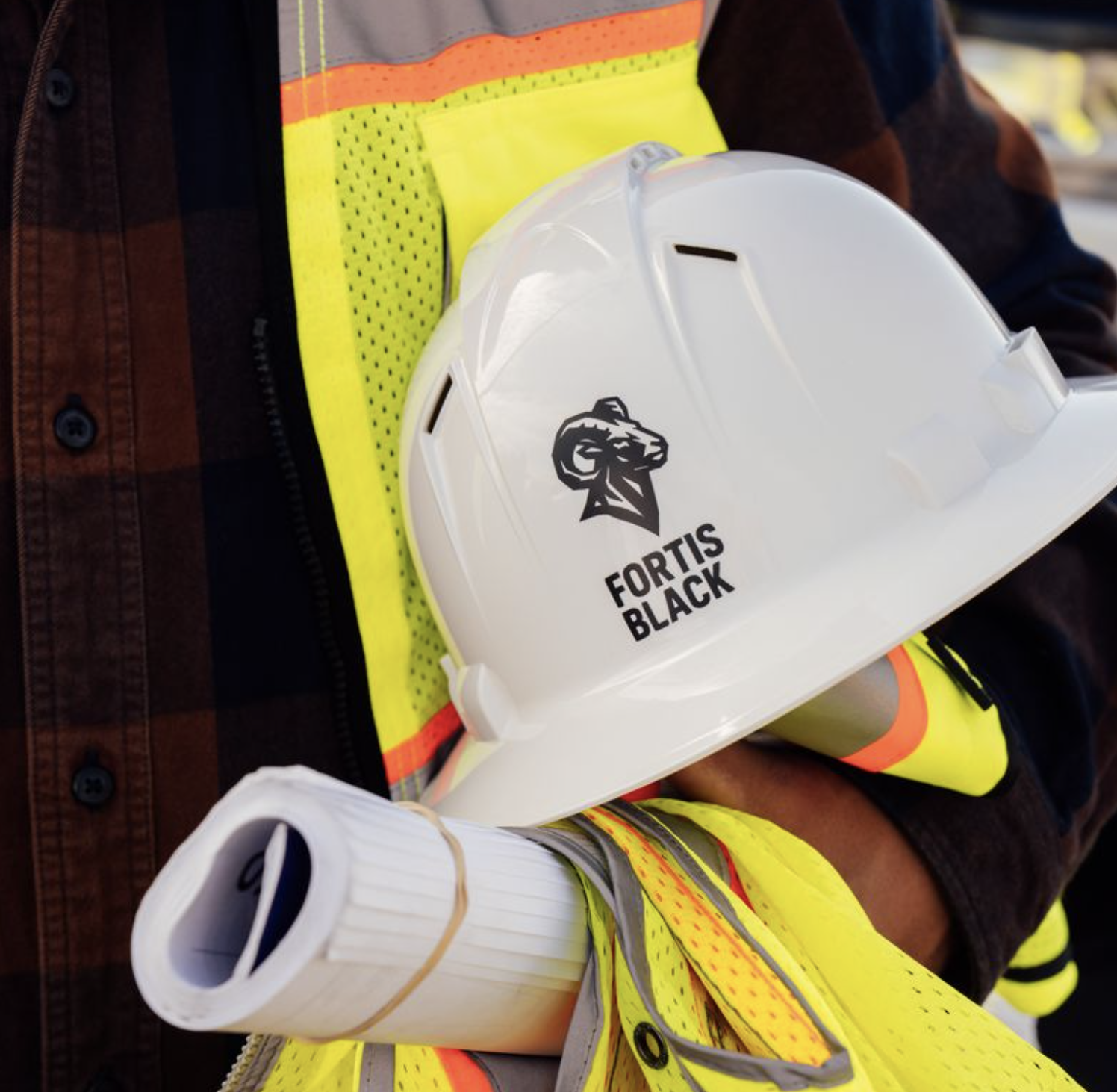
Fortis Black Brings Exterior Contractors Together to Close Construction Gaps
Fortis Black (Draper, UT) launches to combine exterior contractors, shared project management, and AI-assisted reviews to address costly gaps between construction trades.


Fortis Black (Draper, UT) launches to combine exterior contractors, shared project management, and AI-assisted reviews to address costly gaps between construction trades.
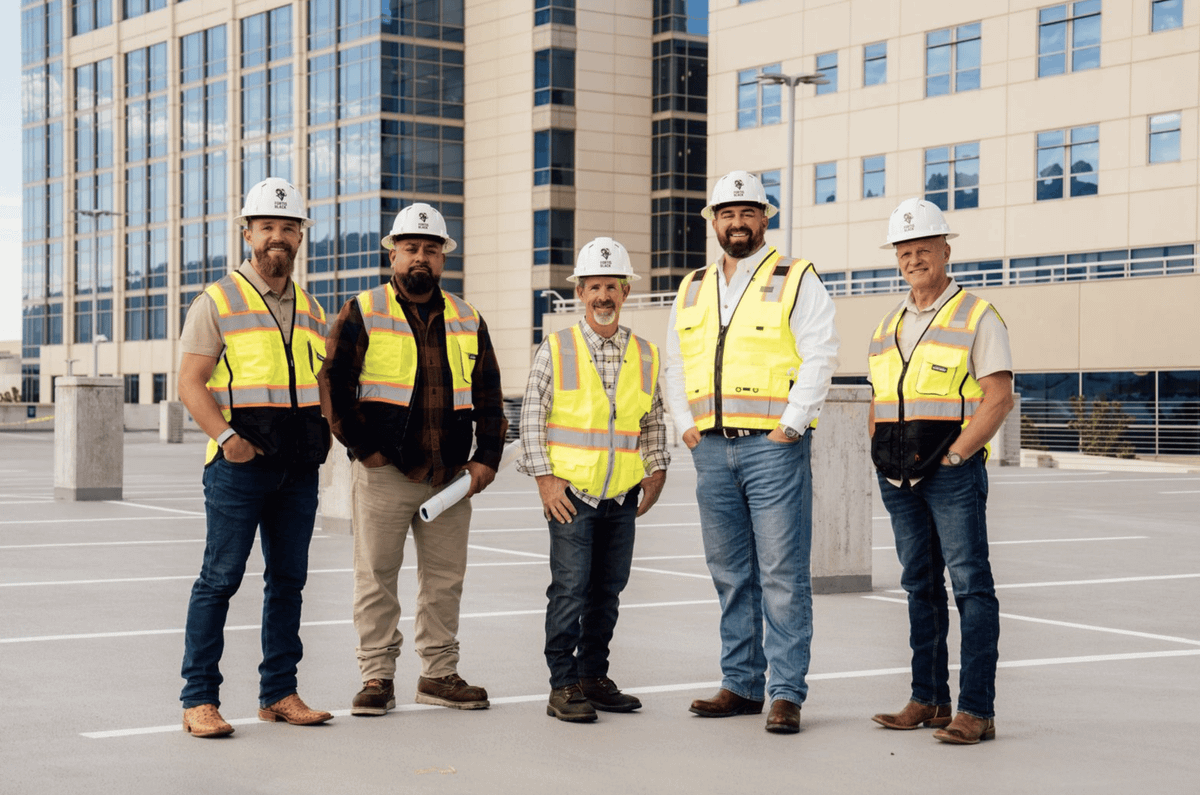
Draper, Utah — October 21, 2026
On a typical multifamily construction project, there are roughly 50,000 unique connection points where one material meets another. When a waterproofing crew finishes its work and an exterior contractor steps in next, the handoff between those assignments dictates whether a building keeps water out for decades or develops an expensive, mold-inducing failure.
For Ron Anderson, those fragmented handoffs represent an industry-wide blind spot, and an opportunity to completely rethink how building exteriors are delivered.
Anderson is CEO of Fortis Black, a Draper-based company bringing specialty contractors together under common ownership. The company completed its founding acquisitions of DD Reconstruction, Guaranteed Waterproof and Construction, and Duro Exteriors in June 2026, establishing a platform focused on commercial and residential exteriors in the Mountain States.
The acquisition strategy is built around an operational premise: coordinating complementary trades earlier, with shared project management, could help prevent gaps that lead to delays, rework, and water intrusion.
In an interview with TechBuzz, Anderson described a construction industry filled with capable specialists whose expertise does not always extend to the work immediately before or after their own.
“They’ve been experts from their start to finish in their space,” Anderson said. “They don’t know how that connects to the next sub.”
Fortis Black wants to make those connections part of the business, rather than leave them to be worked out between separate contractors.
Connecting the Building Envelope
The building envelope consists of the exterior systems that separate and protect a building’s interior from outside conditions. Waterproofing, exterior cladding, roofing, and the transitions between materials all contribute to how that system performs.
Anderson’s background spans a family sheet-metal business—starting from his grandfather’s company, Manness Sheet Metal—and building-products manufacturing, including work at Headwaters, Inc. in South Jordan where he helped scale operations toward a $1.8 billion sale to Boral in 2018. He said that experience exposed him to a recurring disconnect: manufacturers and installers could know their own products thoroughly without understanding how they interacted with neighboring systems.
At trade shows, he watched contractors study products within their specialty while passing by other categories that would eventually connect to their work on a building. Drawing on his tenure leading manufacturing brands like Gerard Roofing, he often joked about running an informal "Gerard University"—internal seminars and training sessions designed to help fragmented trades understand how products actually link together across categories. As he noted, because those specialists become so focused on their own narrow domain, "they're not looking left or right of where they're at."
Fortis Black’s approach brings some of those specialties into the same organization.
Guaranteed Waterproofing, referred to as GXS in the company’s announcement, contributes waterproofing and corrosion-control expertise. Founded and built over decades, the company, alongside Chad Bolton’s subsequent expansion into DD Reconstruction, has a rich history in below-grade waterproofing, protecting foundations, concrete restoration, traffic coatings, and structural integrity for commercial properties.
Meanwhile, Brennon Anderson brings his experience as founder and president of Duro Exteriors, which installs siding, masonry, and architectural panel systems for commercial, multifamily, and residential projects.
Together, those capabilities connect work that might otherwise be performed by separate businesses at different stages of construction. The founding acquisitions do not mean Fortis Black already handles every part of a building’s exterior. Anderson said in August that windows were outside its current approach, describing them as a "weird complex animal" more closely tied to framing, while confirming roofing as an immediate area of expansion.
Why the Order Matters
Anderson uses waterproofing and flashing to explain why coordination is more than a scheduling exercise.
These components must work together to direct water away from vulnerable areas. If schedule pressure changes the intended installation sequence, or a transition detail falls between two contractors’ scopes of work, the finished assembly can have a weakness that is not immediately visible.
Anderson noted that on a typical multifamily project, there are roughly 50,000 unique connection points relying on separate trades to get every detail right. If a general contractor rushes a crew to put up flashing before below-grade waterproofing is complete, or if trades use uncompatible "dissimilar materials" that erode each other over time, structural integrity breaks down.
A problem might appear during the first storm, Anderson said, or emerge years later as water damage or mold.
Fortis Black’s response is to get involved earlier, reviewing details with architects, owners, and general contractors before crews begin installation.
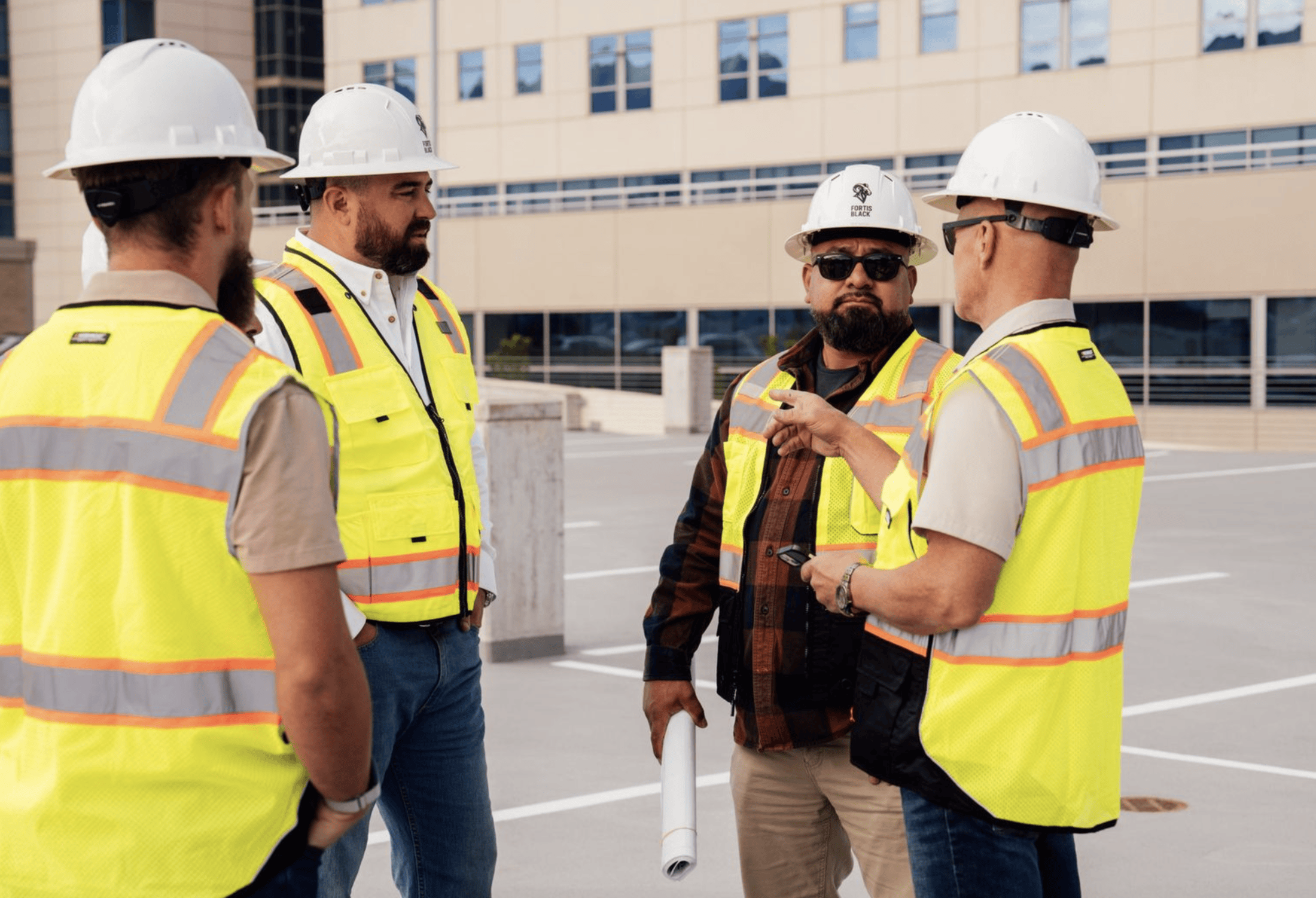
Anderson said the company’s model includes having the same project manager oversee waterproofing and exterior work. The goal is to preserve information between phases rather than require each incoming contractor to reconstruct what the previous crew did.
For Davis Warnock, Fortis Black’s chairman—who transitioned from his background as a general partner at Mercato Partners' early-stage fund, Prelude, to co-found the investment and holding vehicle 8228—the customer proposition also comes down to accountability.
“We’re one person to solve that problem or to hold accountable instead of, you know, ten, twenty, thirty different subcontractors,” Warnock said during the interview.
Common ownership does not eliminate construction risk. Fortis Black’s proposition is that it can make responsibility clearer and coordination more direct across the work it controls.
AI Before the Bid
Although the company’s announcement describes ambitions to build a construction technology company, Warnock characterized the business more simply during the interview: a construction roll-up implementing technology to improve operations.
The clearest example is specification review.
Construction specification books contain detailed requirements across multiple sections. Estimators must locate the relevant information, compare it with project drawings, and identify questions or gaps before submitting a bid.
Anderson said Fortis Black’s estimating team uses AI to help review those documents and locate details across the specialties its businesses cover.
“We can go through a spec book … in an hour now with AI where it used to take days,” he said.
Rather than manually cross-referencing blueprints and spec sections with colored markers, the technology flags potential conflicts and scope gaps before bidding. That early visibility helps prevent 10% to 15% change-order surprises and disputes over liquidated damages after a project breaks ground.
Instead of discovering an unresolved detail after a price has been submitted or a wall has gone up, the company wants to surface it while there is still an opportunity to clarify the scope.
Warnock also discussed efforts to automate estimating and takeoffs, the process of calculating material quantities from project plans. Potential future services could include drone-based exterior maintenance—leveraging drone-cleaning capabilities from his family office—although he presented that as a possibility rather than an established part of the platform.
The immediate technology story is less about replacing construction expertise than helping experienced employees apply it earlier.
A Different Proposition for Business Owners
The roll-up also addresses a challenge facing the owners of specialty contracting businesses.
Warnock said many founders have spent decades building their companies while personally managing responsibilities that extend well beyond their trade. Fortis Black aims to provide shared support in areas such as finance, marketing, and human resources, allowing those owners to focus more closely on the work they know best.
The company says its approach is intended to preserve the local leadership and reputation of the businesses it acquires while adding capital and operational support.
There is also a financial rationale. Warnock told TechBuzz that rolling smaller companies together allows them to capture valuation arbitrage, driving higher consolidated EBITDA exit multiples that have the potential to generate significantly more wealth for founders' families than they could achieve independently.
For customers, the corresponding question is whether those businesses can operate as a coordinated team without losing the specialized knowledge that made them valuable in the first place.
Anderson argues that the specialists are already there. The opportunity is to improve how their work connects—noting that when he pitches the concept to general contractors, their immediate reaction is simply, "What took the subcontractor so long?"
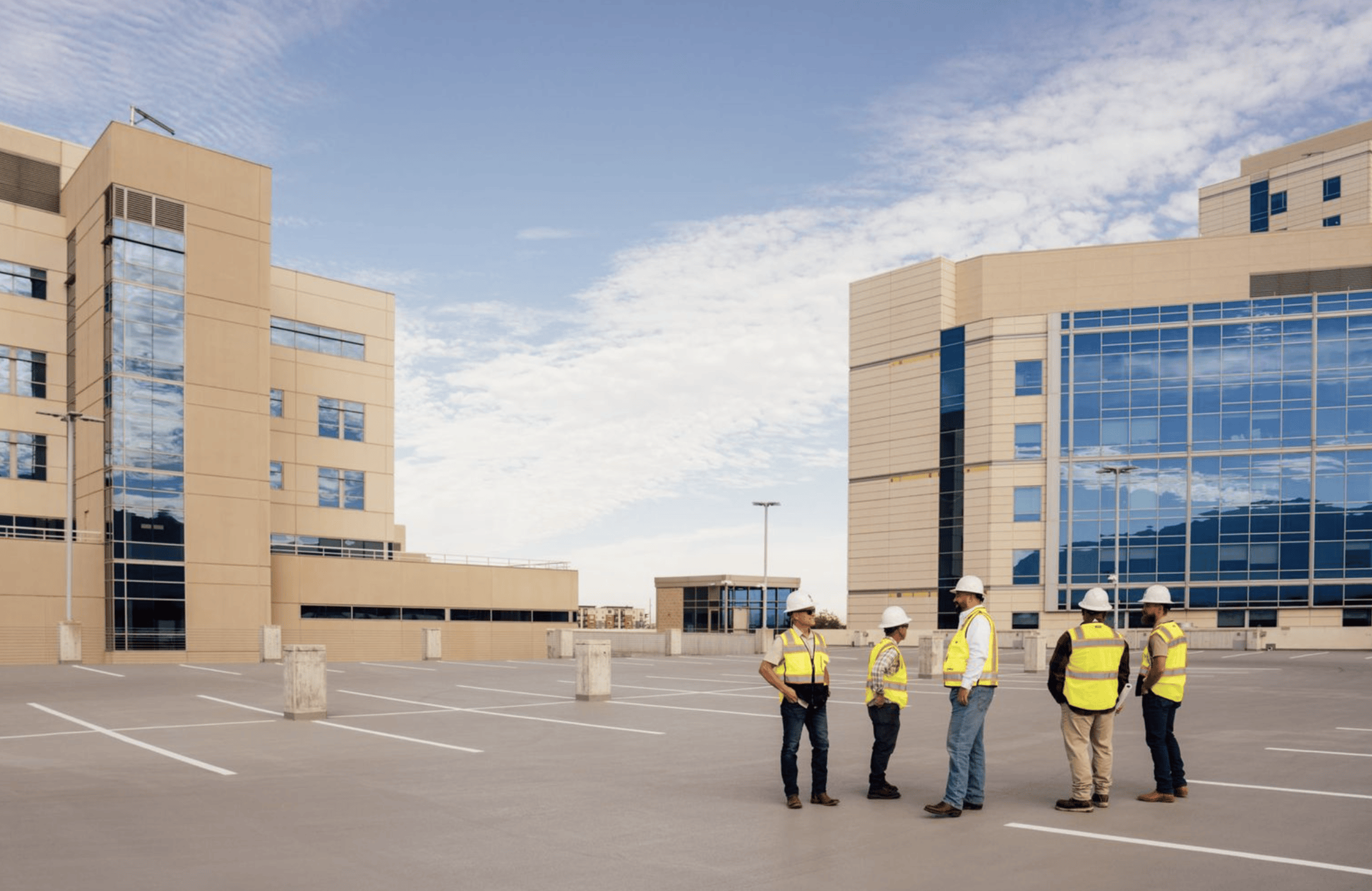
The Cost of Getting It Wrong
Fortis Black’s strategy intersects with construction costs, but Anderson’s argument is more specific than a promise to make housing broadly affordable.
Delays can extend borrowing costs and postpone occupancy. Missed details can lead to change orders or repairs. Late completion can also trigger contractual costs, such as liquidated damages when tenants are delayed from moving in.
Anderson said the company seeks to address those pressures through earlier coordination and value engineering: identifying alternative products or designs that meet a project’s requirements without unnecessary expense.
That might mean comparing alternative manufacturers that achieve the same design intent and warranties at a 30% to 40% lower material cost, or sourcing products locally rather than waiting on international supply chains from places like Spain or Belgium.
The launch announcement reports more than 50 full-time employees, supplemented by 50 to 100 independent 1099 contractors as project needs fluctuate, alongside more than 133 active jobs across the combined businesses.
That gives Fortis Black an operating base from which to pursue its approach. The longer-term test will be what changes on those projects.
For Anderson, the opportunity is not simply to buy more contractors. It is to connect their expertise before a gap between their assignments becomes a problem for the building owner.
Learn more at www.8228.io, the family office supporting Fortis Black.