Strong Jobs, Grumpy Consumers, 7% Mortgages: Spendlove’s Read on Utah
Robert Spendlove, Zions Bank's chief economist, says Utah is hiring, spending and growing faster than almost everyone. He also says to stop waiting for 2021 interest rates.


Robert Spendlove, Zions Bank's chief economist, says Utah is hiring, spending and growing faster than almost everyone. He also says to stop waiting for 2021 interest rates.

Salt Lake City, Utah — November 11, 2026
Utah's economy is doing fine. Borrowing money to grow it is another story.
That was the message Robert Spendlove, chief economist at Zions Bank, brought to life sciences leaders on November 11 at BioUtah's Utah Life Sciences Summit at the Hilton Salt Lake City Center. Hiring is solid, shoppers keep shopping, and Utah is outrunning the nation. But inflation is climbing again, oil is swinging wildly, and anyone planning around a return to pandemic-era rates, he said, should stop.
His opening slide explained why. It ran down the shocks the U.S. economy has absorbed lately: COVID and supply chain disruption, the war in Ukraine, tariffs and the trade war, the war in Iran, and the AI revolution. Think of them as black swan events, Spendlove said. Any one of them could rattle the economy, and they are stacking on top of each other. Add a new Fed chair to the mix, and nobody is sure how the central bank will respond.
January's script: rates fall. November's reality: they don't.
In March, Federal Reserve policymakers penciled in a median federal funds rate of 3.4% by the end of 2026 and 3.1% by the end of 2027. By September, both medians had jumped to 4.1%.
Spendlove pinned the whiplash on one date: early March, when the war with Iran began. Markets rewrote their forecasts almost overnight, he said, and long-term Treasury yields have climbed roughly a full percentage point without the Fed lifting a finger.
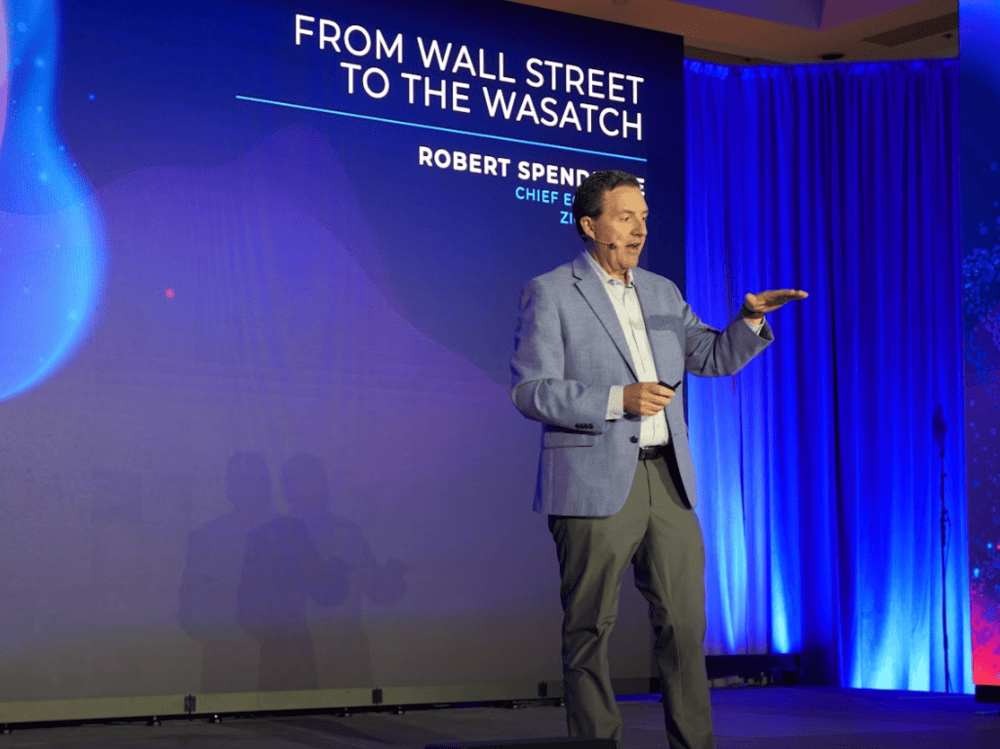
That's the point he kept returning to: the Fed doesn't set long-term rates. Investors do, based on what they think inflation, risk and the economy will do next. The Fed itself has been calmer than the markets. Its Oct. 28 statement held its target range at 3.75% to 4.00% and made no promise of a December increase. The projections are forecasts, not commitments.
The household version is harder to shrug off. Freddie Mac's Nov. 5 survey put the average 30-year fixed mortgage at 7.18%, up from 6.22% a year earlier. Spendlove said he tells audiences that high rates are "the new normal, and they don't believe me."
For a company eyeing new equipment, a facility or an expansion, the translation is simple: demand can be real and the financing can still make the project hard to justify.
Inflation is back, and diesel is the real villain
Headline inflation was expected to soften. Instead, Spendlove said, it came in at 4.0% against a forecast of 3.7%, and core inflation, which strips out food and fuel, ticked up from 2.6% to 2.8%.
His explanation: energy. Oil, which he called one of the economy's great stabilizers when it hovered near $60 a barrel, now swings between $80 and $120. Everyone, he joked, is "obsessively watching ship movement in the Strait of Hormuz."
Gas, at roughly $4 to $4.50 a gallon, is annoying. Diesel is the problem. Spendlove said diesel is up about 70% in a year and isn't coming down the way gasoline is. Truckers, farmers and ranchers can't absorb that, he said, and sooner or later they pass it along.
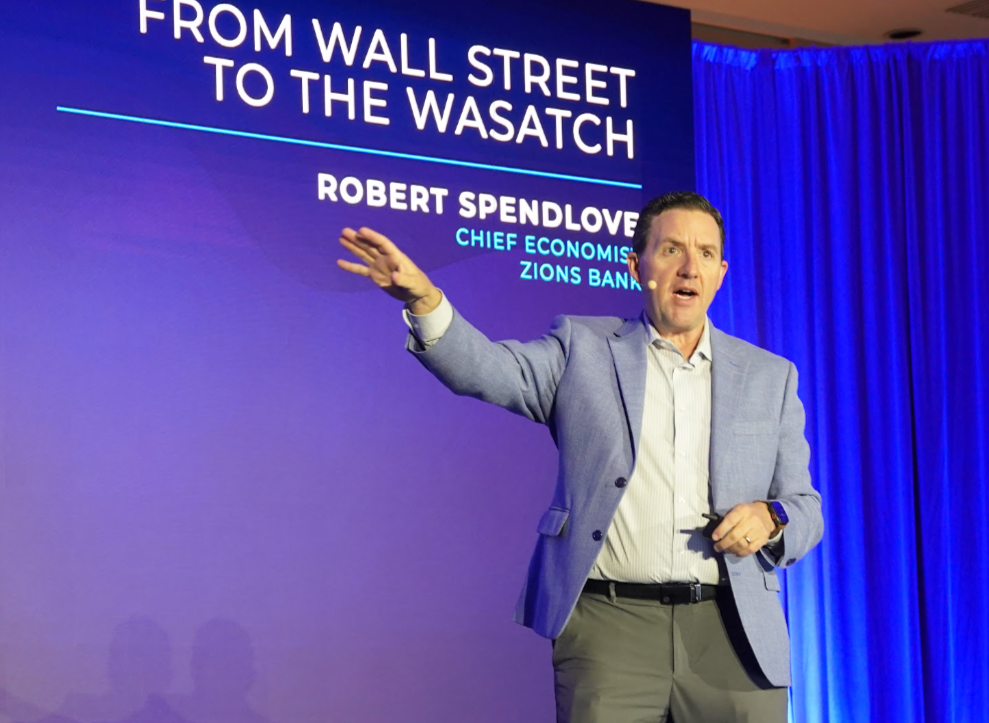
The longer view stings too. Prices are up about 30% in six years, he said. Slower inflation doesn't reverse that. It only means the climb is less steep.
Jobs: the good news that keeps being good
The labor market is the reason Spendlove stayed optimistic.
Employers added 165,000 jobs in October, up from a revised 60,000 in September. Unemployment sits at 4.1%. Healthcare and professional and business services led the way, and jobless claims keep trending down.
He also credited the AI buildout, which he called the largest capital project the country has seen. Spendlove said we are in year three of a 10-year surge that will outsize the railroads, highways and electrification. Yes, parts of tech are laying people off. The investment, he argued, is lifting the rest of the economy.
Grumpy, but still shopping
Consumer sentiment in Utah just hit its lowest point in three years, Spendlove said, citing Zions Bank's own survey. He doesn't mind. "I don't care if you're grumpy as long as you spend your money," he joked. And they are. Retail sales are up about 6%, and consumer spending is two-thirds of the economy.

The catch is who is spending. Spendlove described a K-shaped economy: households earning more than $250,000 account for over half of national spending, he said, while lower-income families are getting squeezed by prices. Think first-class cabins and packed steakhouses, he suggested, while savings rates are lower than before the pandemic and credit card minimum payments are creeping up. Delinquencies and debt payments, for now, aren't spiking.
The catch: Utah used to be affordable
Utah's case is strong. Population is growing at about twice the national rate, mostly through births rather than migration. Job growth is running about three times the national average. Unemployment is a little lower than the nation's, and median household income is among the few above $100,000.
Then there's housing. "Utah used to be an affordable state," Spendlove said. Home prices run about five times household income, he said; a healthy ratio is closer to three. Summit County's median home price is around $1.6 million, up 22% in a year, which he called a sign of the K-shaped economy: "the billionaires pushing out the millionaires" in Park City.
There's a bright spot: Utah prices are growing slowly rather than falling, and wages are rising a bit faster than the nation's. In his view, the state is climbing out of the hole, not out of it yet.
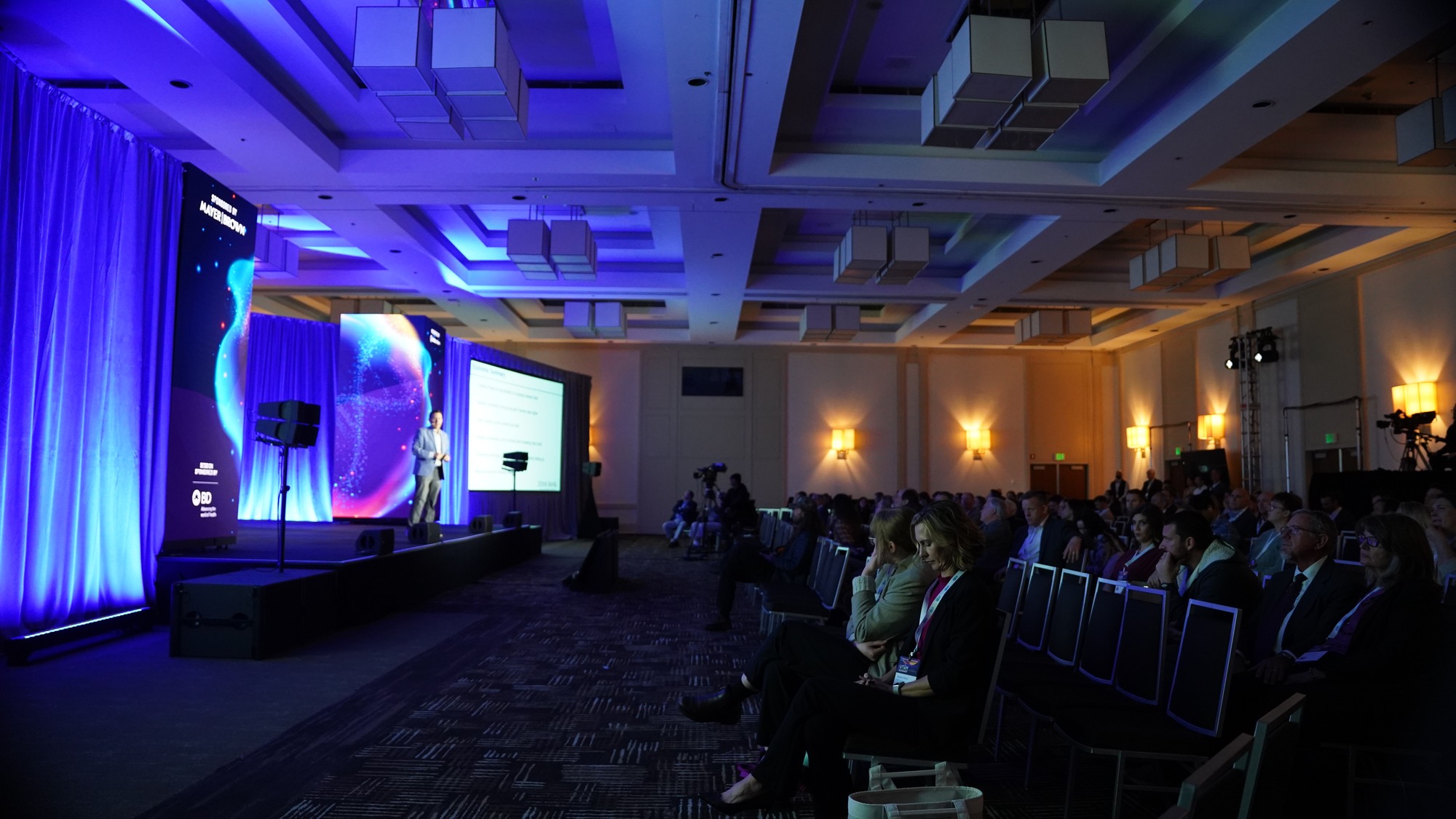
Bottom line for biotech: cash is still king
Spendlove didn't offer a life sciences forecast, but the implications aren't hard to see. Companies that finance development, hire specialists and build facilities before the revenue arrives should stress-test every expansion plan against higher costs. And they should ask whether the people they want to hire can afford to live near the work.
Those concerns echo what executives said at the Wilson Sonsini Entrepreneur & Investor Life Sciences Summit in March: watch your runway, invest with discipline, and remember that turning science into a business is hard even when the economy cooperates.
Spendlove closed on a hopeful note, and he gave the credit away. Utah's resilience, he said, isn't from Washington or the legislature. "It's all of you in this room."
The economy can keep growing. Spendlove's warning is that growth won't necessarily be easy to finance.
Learn more about BioUtah's Utah Life Sciences Summit and explore Zions Bank's economic insights and monthly state snapshots.