50 Million Seniors Can't Wait: How Enzo Health Is Using AI to Save the Caregivers Who Care for Them
Enzo Health is using AI to solve post-acute care's silent crisis: crushing documentation burdens that drive clinician burnout and leave seniors without care. This Lehi, Utah-based startup is giving caregivers their humanity back.
Zach Newman, co-founder and CEO of Enzo Health, is on a mission to rescue the caregivers who care for America's aging millions.
There is a number that should stop you cold: 10,000. That is how many early baby boomers turn 65 every single day in the United States. Not every year. Every day. And the healthcare system tasked with caring for them — home health agencies, skilled nursing facilities, hospice providers — is buckling under the weight of what is coming.
Into that gap steps Enzo Health, a two-year-old Utah startup that is applying artificial intelligence to one of medicine's least glamorous but most consequential corners: post-acute care. Co-founder and CEO Zach Newman sat down with TechBuzz recently to discuss the problem with the calm urgency of someone who has looked at the math and decided that urgency, not panic, is the appropriate response. What he has built, and what he plans to build next, says a great deal about where healthcare innovation is actually needed, and where it has been almost entirely absent.
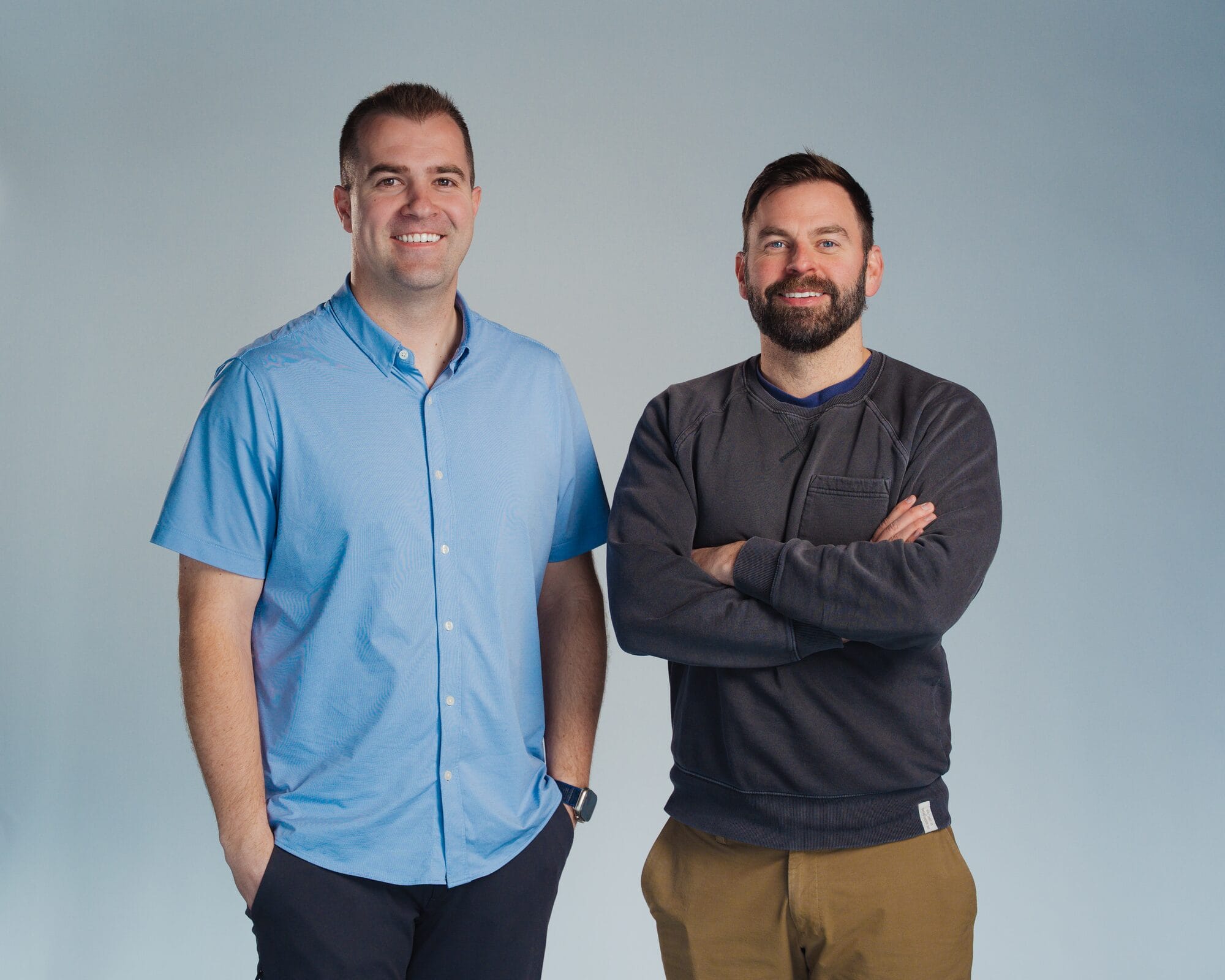
Enzo Health co-founders Zach Newman and Dan Conger (who has a knack at naming startups), pose at the company's Lehi, Utah headquarters. They founded Enzo Health two years ago to bring AI-powered technology to the long-underserved post-acute care industry.
A System Built for a Different Era
To understand what Enzo Health does, you first have to understand what post-acute care providers are up against. When most people think of healthcare documentation, they picture a doctor typing a few notes into an electronic records system after a visit. The reality for home health clinicians is something else entirely.
"The post-acute reimbursement model is entirely different," Newman explained. "It's based on an assessment that's conducted in the home or in a facility. That assessment is done by a clinician. It could be a nurse, a physical therapist, an occupational therapist. And they are checking the patient's functional, cognitive abilities. And they grade the patient based on this assessment."
What follows is not a handful of paragraphs. The documentation produced from a single patient assessment runs to more than 30 pages of questions. Completing it can take a clinician anywhere from two to three hours, often after they have already spent a full day traveling between patients' homes, delivering hands-on care. Many finish the paperwork at their kitchen table, long after their shift has technically ended.
The consequences are predictable and devastating. Clinicians burn out. They leave. Home health agencies recruit and train workers, only to watch them quit three or four weeks in, overwhelmed by documentation demands that no one fully warned them about. Meanwhile, referrals go unmet. Newman cites research suggesting that roughly 50 percent of referrals sent to home health agencies are rejected outright, not because the agencies don't want the patients, but because they don't have the capacity to take them.
The labor shortage is not a staffing problem in the traditional sense. It is, in significant part, a documentation problem in disguise.
The Technology Gap Nobody Talks About
Part of what makes Enzo Health's opportunity so striking is the baseline it is working from. Post-acute care is not just behind the curve on technology; it is a generation behind.
"This segment of healthcare is probably 10 to 15 years behind where the rest of healthcare was in terms of the technology they had access to," Newman stated. "A lot of the software that was built in this industry was done in the 80s, 90s, early 2000s."
In an era when AI tools are reshaping knowledge work across virtually every industry, home health clinicians have largely been left clicking through ancient interfaces, manually entering answers to assessment questions they have answered hundreds of times before, in systems that seem designed to punish efficiency rather than reward it.
Newman's team arrived in this space not with incremental improvements to existing tools, but with a fundamentally different vision: what if the documentation almost wrote itself?
Enzo's flagship Scribe product, launched about a year ago, does something elegant in its simplicity. When a clinician visits a patient, they open the Enzo application on their tablet and record the visit. The conversation between clinician, patient, and any family members present is captured and transcribed. That transcript is then combined with the referral packet sent by the referring physician, and AI is used to determine how the lengthy patient assessment should be answered — filling out the entire document on the clinician's behalf.
The clinician reviews the output, makes any adjustments, and submits it for compliance review. A process that once consumed two to three hours has been compressed to 20 to 25 minutes.
The numbers are significant. The human dimension may be more so.
Looking Up
There is a moment Newman describes that cuts through the statistics and the reimbursement models and the regulatory complexity to something more fundamental about what healthcare is supposed to be.
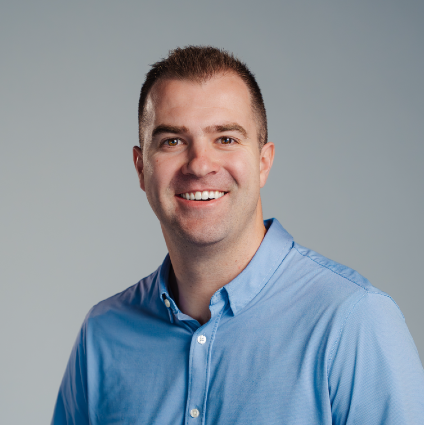
Zach Newman, Co-Founder and CEO, Enzo Health
"For the first time, clinicians were actually able to look up and observe their patients versus being focused on trying to get their documentation done."
That sentence deserves to sit with you for a moment. These are skilled professionals, nurses, physical therapists, occupational therapists, who have trained for years to observe human beings, to notice the subtle signs that something has changed, that something is wrong, that something needs attention. And the documentation burden of their industry had effectively stolen that capacity from them, forcing them to stare at a screen while a patient sat across the room.
Enzo is giving it back. Clinicians using the Scribe product report noticing things they hadn't noticed before. They feel present in a way that the job had not previously allowed. The ripple effects, on care quality, on clinician satisfaction, on patient outcomes, are difficult to quantify but easy to imagine.
This is what genuine innovation in healthcare looks like: not a flashy consumer app, but a tool that restores something human to people who had nearly given up on finding it in their work.
Fraud, Compliance, and the Integrity of the Industry
No conversation about AI in post-acute healthcare documentation can avoid the subject of fraud. The industry has attracted bad actors who have exploited documentation complexity and reimbursement structures to file false claims, drain Medicare and Medicaid funds, and generate headlines that cast a shadow over providers who are doing exactly what they are supposed to do.
Newman addressed the issue directly, and his framing is worth noting.
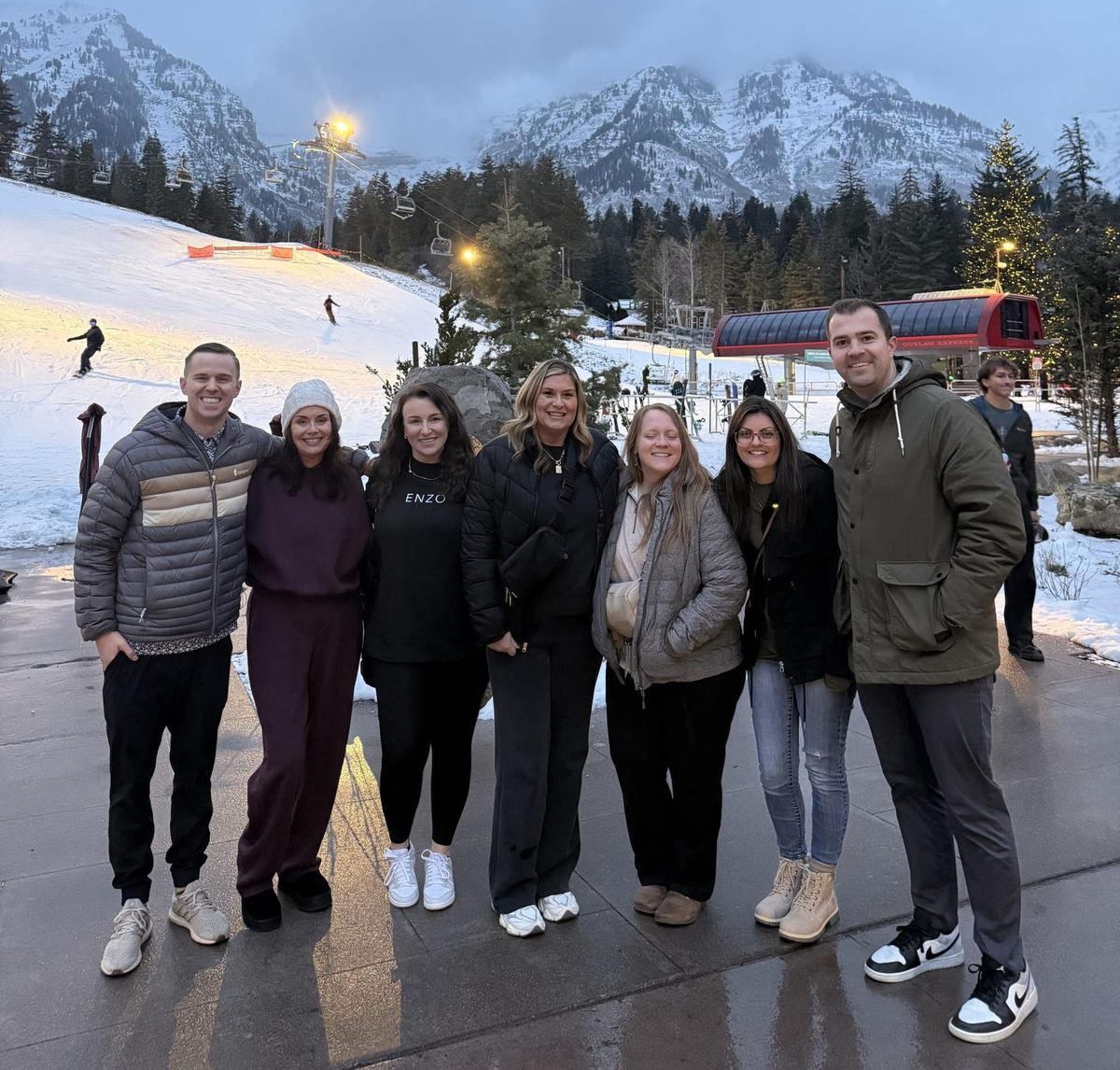
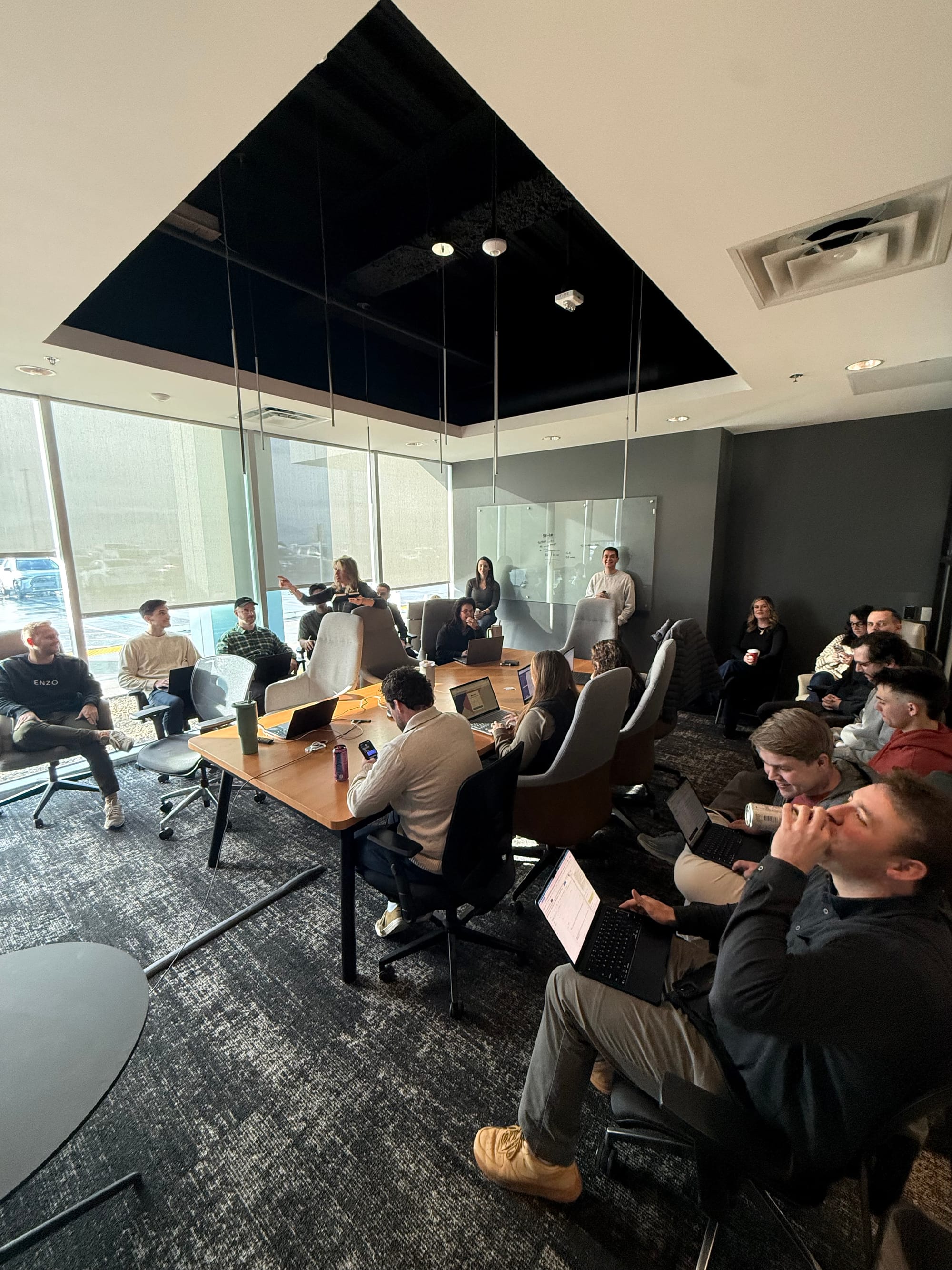
Enzo's New Year Kickoff Party at Sundance, January 2026
"The real providers of care hate fraud," he said. "It makes their lives more challenging because there ends up being more regulation, more controls. So the real providers of care want the fraudsters to be caught."
This is a point that gets lost in coverage of healthcare fraud: the victims are not only taxpayers and the federal government. They are the legitimate agencies that must navigate increasingly burdensome oversight as a result of bad actors' conduct, and ultimately the seniors who depend on those agencies for care.
Enzo has built compliance into its core, not as an afterthought. The company employs clinicians internally, including domain experts who have worked in home health for years, specifically to ensure that the AI's outputs meet a high standard of accuracy and regulatory alignment. The system is designed to assist clinicians in doing their work correctly, not to automate corners that shouldn't be cut.
Newman is clear-eyed about the limits of technology here. Tools can be designed with integrity; they cannot force integrity on those determined to act without it. But for the overwhelming majority of providers who simply want to do their jobs well and get paid fairly for doing so, Enzo is removing the friction that makes honest work harder than it needs to be.
What Comes Next
Enzo Health now serves more than 5,000 end users across home health agencies, with a growing footprint in Utah and nationally. The company has around 45 employees and recently secured new funding it plans to deploy in two directions: expanding into hospice and skilled nursing facility verticals, and helping customers consolidate the fragmented technology stacks they currently manage.
"No customer wants to have a tech stack of seven to eight different tools that they're having to work out of just by switching tabs," Newman says. The vision is a more unified platform that addresses the full arc of the post-acute workflow — admissions, documentation, quality assurance — rather than forcing providers to stitch together point solutions.
The name Enzo, Newman admits, has two origin stories. The real one involves a list of popular dog names. The preferred one invokes Enzo Ferrari, and a company obsessed with speed, precision, and excellence. Whether by canine inspiration or Italian engineering legend, the name has stuck — and the mission behind it is serious.
Ten thousand people turn 65 today. And tomorrow. And every day after that. The caregivers who will meet them at the door deserve tools that honor the weight of that work.
Enzo Health is betting that the technology to build those tools already exists — and that the only thing missing was someone willing to actually build them.
The Investors Taking Notice
The broader investment community is beginning to recognize what Newman and his team have built. As covered by TechBuzz, Enzo Health recently closed a $20 million Series A led by N47, a Palo Alto-based venture firm, bringing the company's total funding to $26 million. Existing investors also participated in the round, including Gradient, the Google-affiliated investment firm based in Palo Alto; Tandem Ventures out of Draper, Utah; and Rigby Watts of Millcreek, Utah.
The backing reflects growing conviction that post-acute care's long-ignored technology gap represents one of healthcare's most compelling investment opportunities — and that Enzo Health is positioned to define the category.
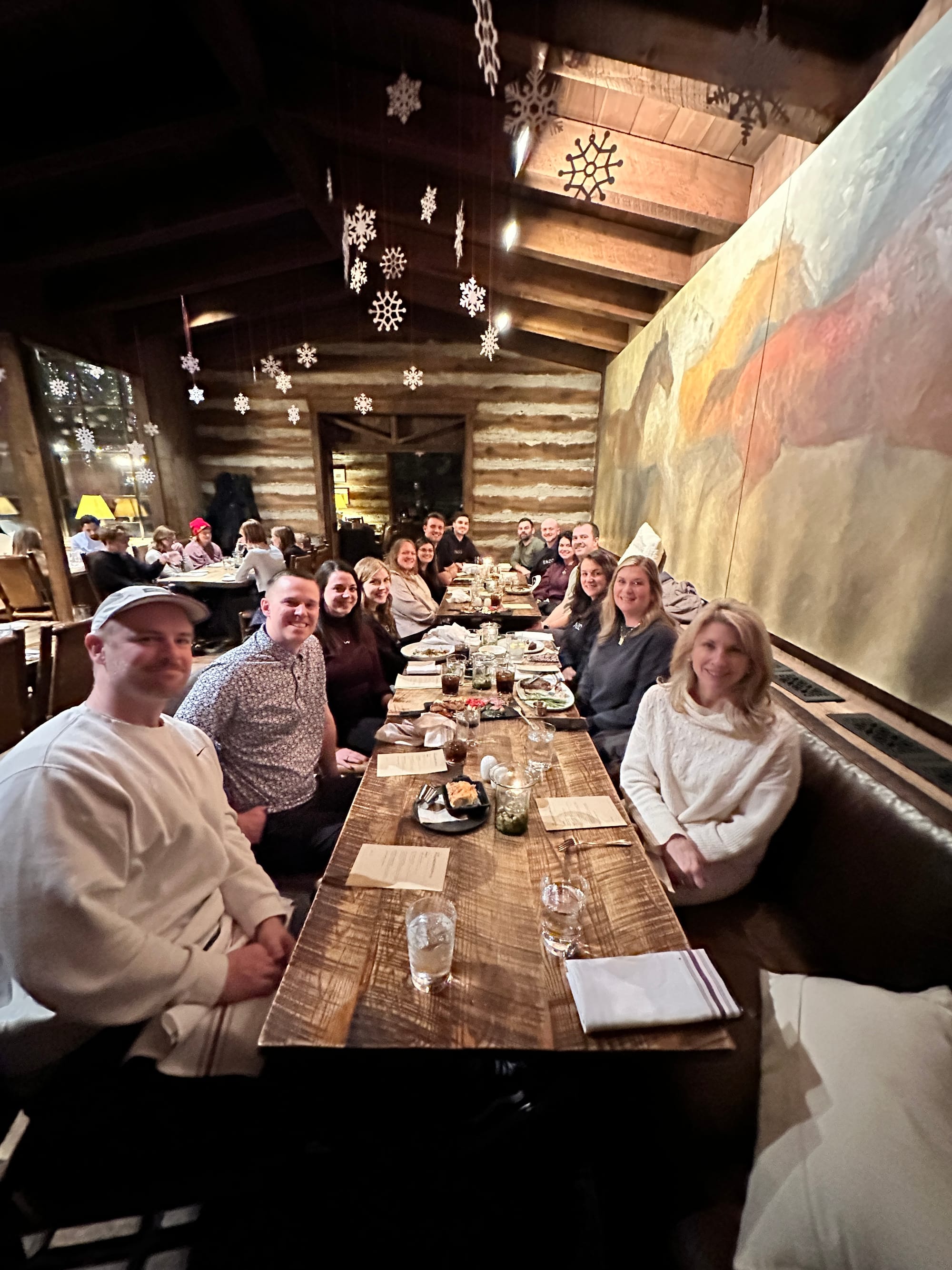
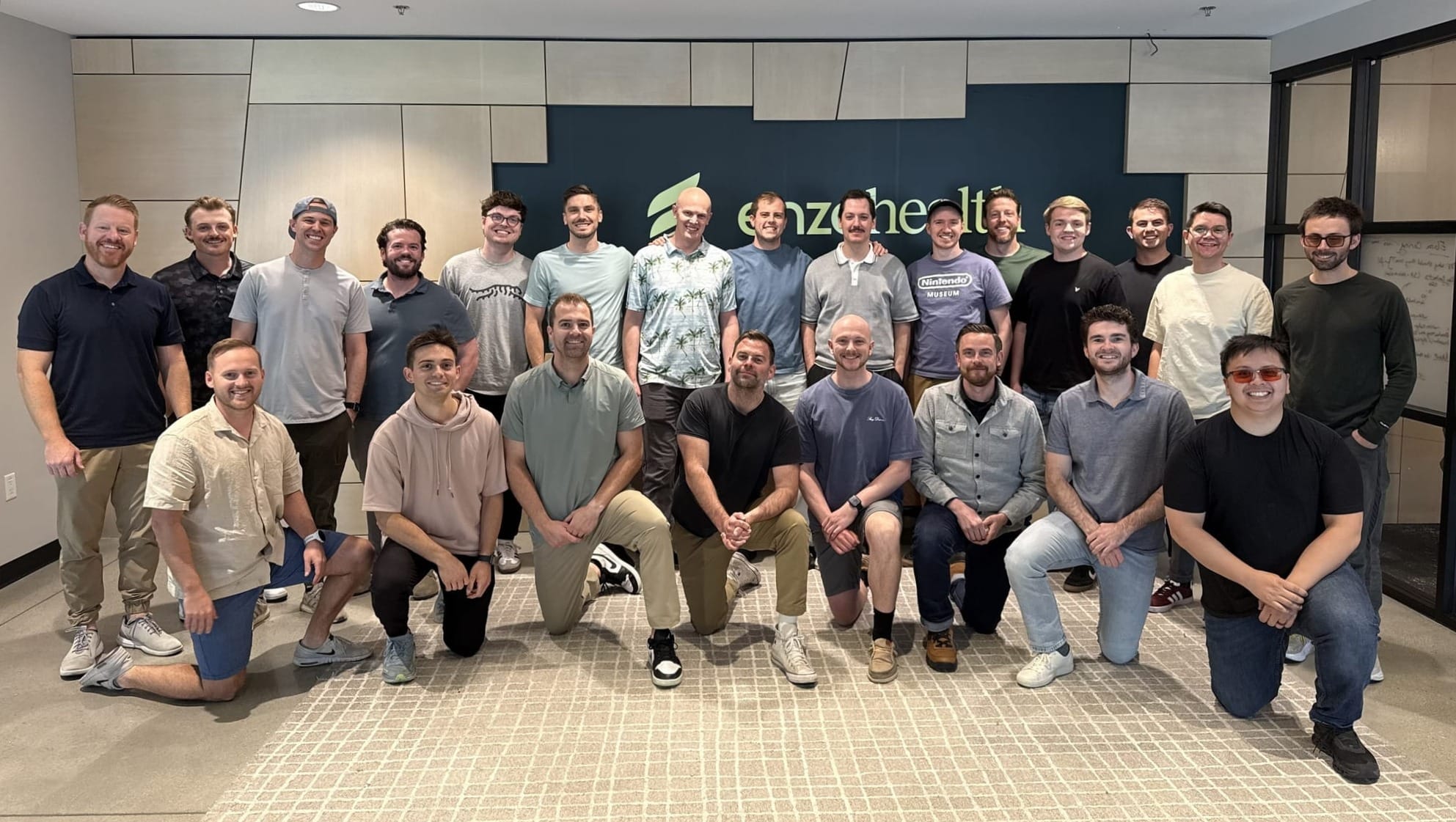
Part of the Enzo Health team gathers at the company's Lehi, Utah office. The nearly 45-person startup is on a mission to modernize technology for the post-acute care industry, bringing AI-powered tools to home health clinicians across the country.
Enzo Health is headquartered in Lehi, Utah. Learn more at www.enzo.health
Share this article
The link has been copied!
Your link has expired. Please request a new one.
Your link has expired. Please request a new one.
Your link has expired. Please request a new one.
Great! You've successfully signed up.
Great! You've successfully signed up.
Welcome back! You've successfully signed in.
Success! You now have access to additional content.