From Mosquito Traps to Same-Day Results: Co-Diagnostics’ Push for Local Testing
Co-Diagnostics (Salt Lake City, UT) is bringing PCR mosquito testing for infectious disease directly into mosquito abatement districts, aiming to help public-health teams identify infected mosquito populations earlier and make better-informed decisions about mosquito abatement.
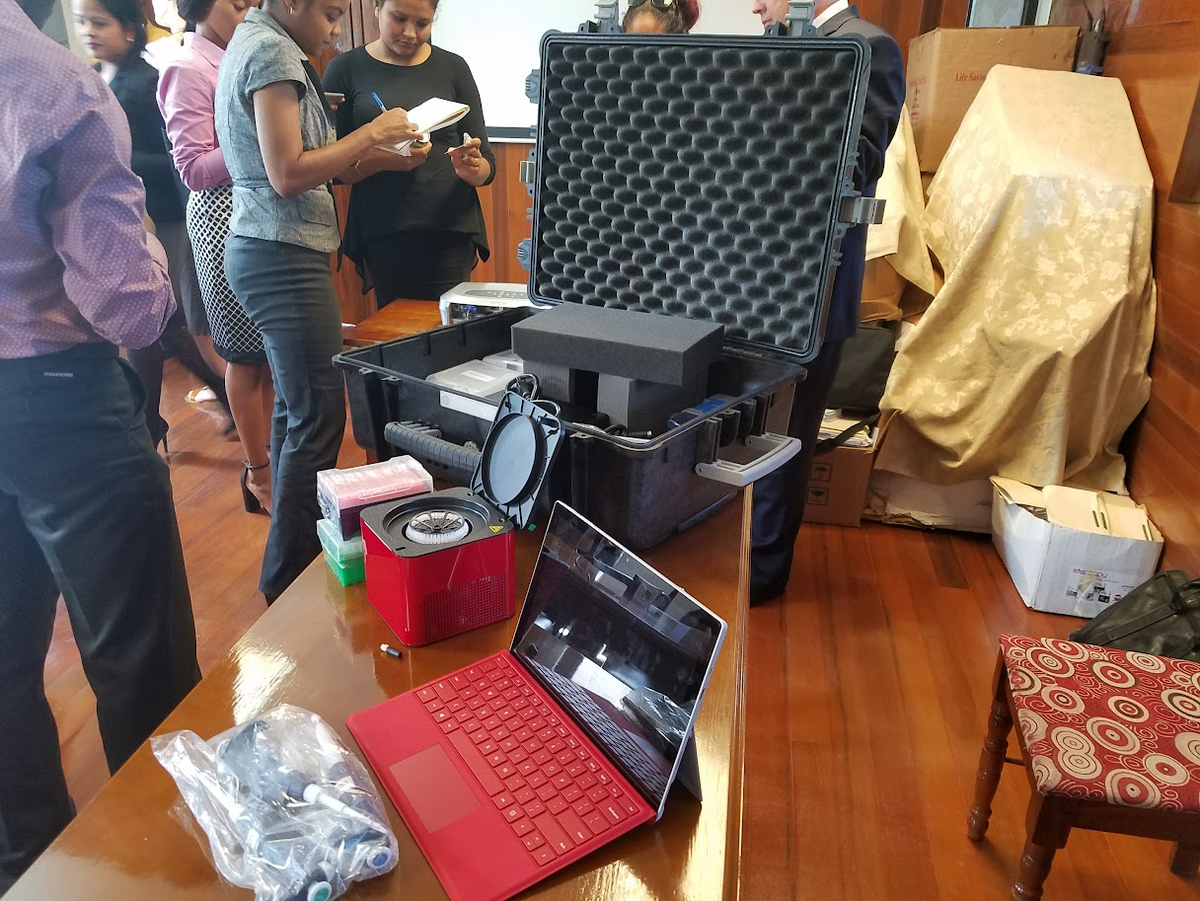
A Co-Dx Box thermal cycler demonstration at the Ministry of Public Health, Guyana.
A Co-Dx Box thermal cycler demonstration at the Ministry of Public Health, Guyana.
Salt Lake City, Utah — October 26, 2026
For mosquito-control teams, collecting insects is the beginning. Getting results that guide a response is the next important step.
Salt Lake City-based Co-Diagnostics is working to shorten that interval by helping local programs test mosquitoes locally, providing equipment, testing supplies, and staff training that give mosquito abatement districts a lab, intended to enable teams to get results the same day as they collect samples, rather than wait for an outside laboratory testing that can take up to two weeks in return results.
The Ute Indian Tribe Mosquito Abatement Department has ordered a complete Vector Smart laboratory installation from Co-Diagnostics to bring mosquito testing in house. The company describes the project as its first full Vector Smart laboratory installation for a tribal customer, according to Seth Egan, Co-Diagnostics’ chief commercialization officer. It offers a Utah example of a broader effort to put molecular testing closer to the people making public-health decisions.
“We want them to be able to test and treat within a 24-hour period,” Egan said in an interview with TechBuzz.
That goal is about giving mosquito-control professionals more timely information about where pathogens have appeared and where intervention may be needed.
The mosquito-surveillance business is a separate application. It tests collected insects rather than patients, using equipment generally housed in a mosquito-control facility. It should not be confused with the company’s PCR Pro human-diagnostics platform.
According to Egan, the mosquito-testing business grew out of conversations with health officials in South America during the Zika outbreak. Officials interested in the company’s technology asked whether it could also test mosquitoes.
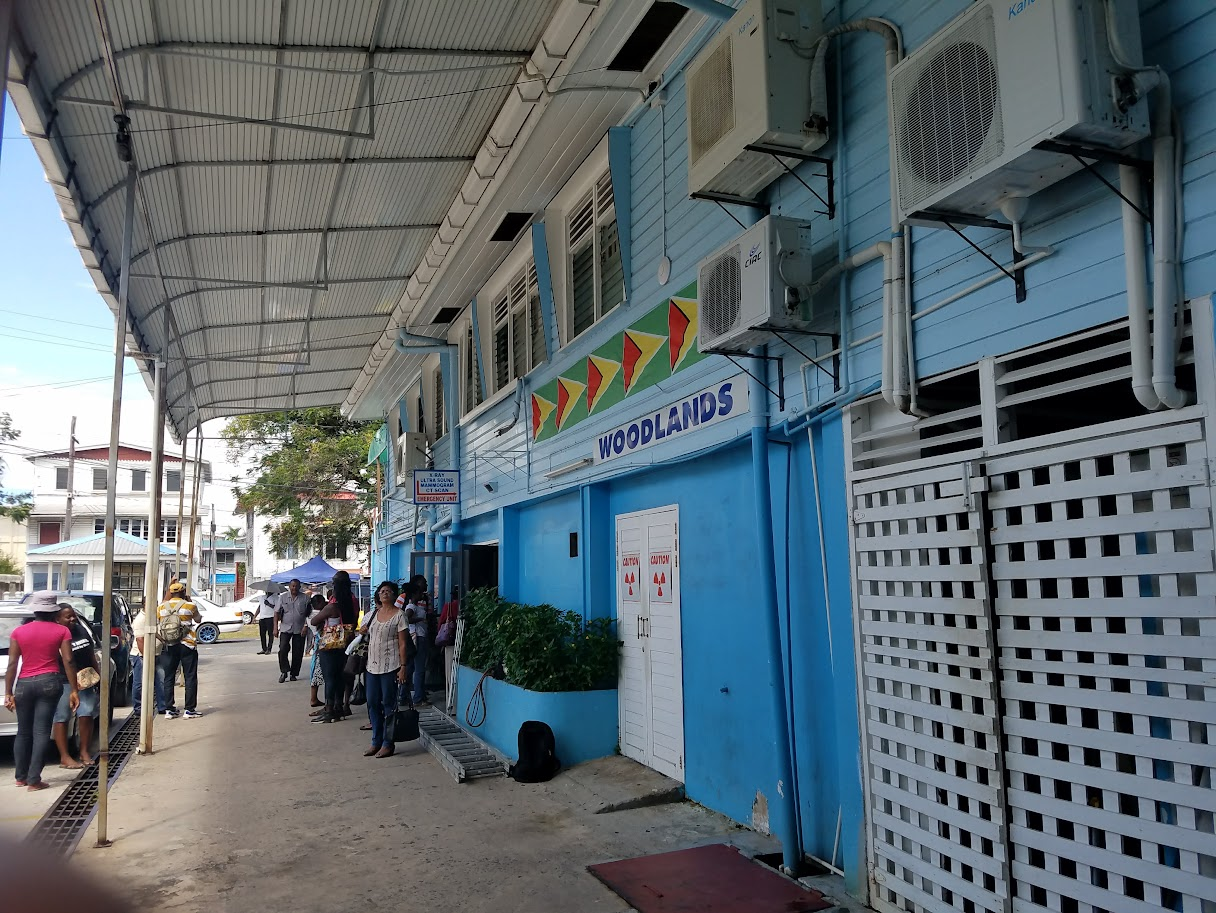
Woodlands Hospital, a private hospital in Georgetown, Guyana
Co-Diagnostics subsequently brought the idea to a Utah mosquito-abatement conference to learn what local programs needed and whether they would buy such a product.
“Some of those districts that told us we would buy this, sure enough were our very first customers,” Egan said.
Co-Diagnostics now serves more than 40 mosquito-abatement districts across 21 states.
From Collection to a Laboratory Result
The process begins with mosquitoes collected in traps. Staff prepare groups of mosquitoes, known as pools, for laboratory testing. Genetic material is extracted from the samples and tested for the pathogens covered by the selected panel.
Seth Egan said the company’s North American Mosquito West panel tests for West Nile virus, St. Louis encephalitis virus and western equine encephalitis virus. West Nile is the primary concern he hears from Utah customers.
The company typically spends two or three days training a customer’s staff, he said. That instruction covers sample preparation, testing and use of the equipment.
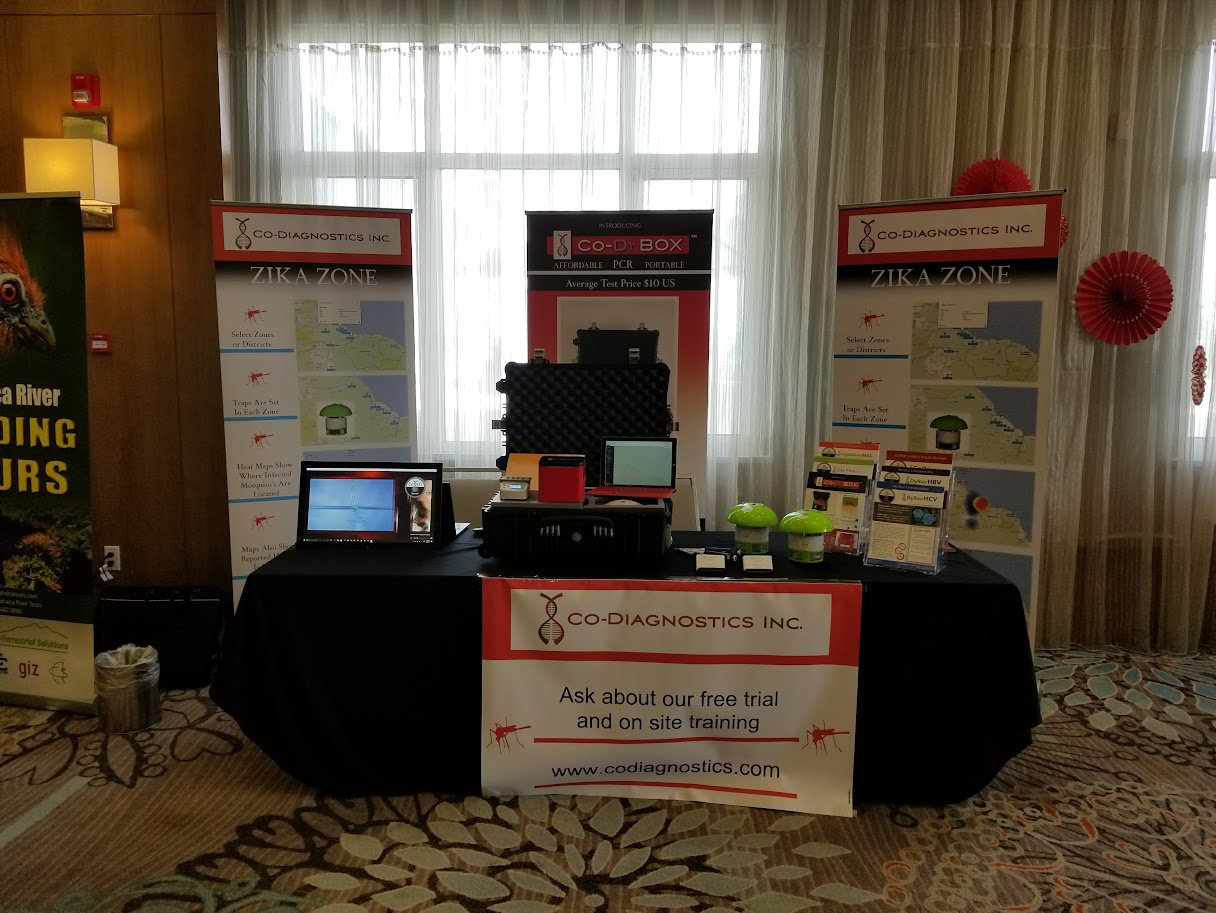
A Co-Diagnostics exhibit booth at a tradeshow in Guyana
The system can process multiple pools in a run, allowing a team to examine samples collected from different locations. Keeping those samples connected to their collection sites helps staff understand where positive results are appearing.
The test is one part of a larger surveillance and control operation. Teams still need traps, trained personnel, suitable laboratory space and the ability to act on what they find.
For the Tribe’s laboratory, Co-Diagnostics identified a system pairing its Co-Dx Box, a portable 48-well quantitative PCR thermal cycler, with the Vector Smart North American Mosquito West test. The test is designed to detect RNA from West Nile virus, St. Louis encephalitis virus and western equine encephalitis virus in mosquito samples.
The application is environmental surveillance, not diagnosis in people. Results can inform mosquito-control decisions, but detecting viral genetic material in a mosquito sample does not establish that a person has been infected. The Co-Dx Box is a different instrument from the company’s PCR Pro human-diagnostics platform.
Dwight Egan emphasized the range of work performed by mosquito-abatement staff. Personnel who operate trucks or other field equipment may also learn to prepare samples, handle reagents and run laboratory tests.
“They become experts in this process,” he said.
What Faster Information Could Change
When programs send samples to an outside laboratory, turnaround depends on that laboratory’s workload and arrangements with the district. Seth Egan said customers have described waits ranging from several days to up to two weeks.
In-house testing is intended to let staff collect mosquitoes in the morning, obtain results during the day and use that information to guide a response that evening.
Location matters as much as speed. A positive result associated with a particular collection site can help a district decide where to investigate further or concentrate control efforts.
Egan said that information can also help teams make more selective decisions about pesticide use. Rather than treating testing as a replacement for field expertise, he described it as another tool for determining where a problem is emerging and how aggressively to respond.
The potential benefit is clear, but the interview did not establish a measured reduction in pesticide use, costs or human illness. Those outcomes require evidence beyond a faster test result. Asked for a specific Utah example of testing changing a treatment decision, Egan instead emphasized the broader value of surveillance and public notification.
That information can help residents understand when West Nile has been detected locally and alert healthcare professionals to its presence in the community, he said.
Building Local Capacity
For a program starting without molecular-testing capabilities, Co-Diagnostics offers equipment, testing supplies and training as a package.
Customers that already have suitable PCR instruments may not need to purchase the company’s equipment. Egan said Co-Diagnostics can assess whether its tests will run on a district’s existing instruments.
“Our tests are the main component and the equipment is secondary to that,” he said.
This flexibility matters because local programs differ in size, funding and existing laboratory resources. Some may need a complete installation; others may need only testing supplies and support.
The upfront investment remains a barrier. Egan said affordability is central to the company’s approach and that it believes customers can save money over time. The interview, however, did not include equipment prices, per-test costs or a documented comparison with outside laboratory services.
For the Ute Indian Tribe installation, another distinction concerns control of the information produced. Egan said Co-Diagnostics does not control customers’ testing data and that customers typically do not share those results with the company.
“The data remains in their possession,” he said.
That describes the vendor’s role. The Tribe’s own procedures for managing and sharing surveillance information would need to be explained by its program representatives.
Beyond the Current Test Menu
Co-Diagnostics is interested in expanding the pathogens its mosquito panels can detect and developing testing for tick-borne pathogens, Seth Egan said. He described those as development priorities, not additional products already available to customers.
For now, the practical question is what local teams can do with the tests they have: collect samples, identify pathogens and use the results alongside their other surveillance information.
Mosquito abatement often becomes visible to the public only when trucks pass through a neighborhood or a positive West Nile result makes the news. Behind those moments are decisions about where to place traps, which samples to test and when to intervene.
Co-Diagnostics’ proposition is that bringing more of that testing in-house can help teams make those decisions sooner. Bringing testing in house requires an investment in equipment, testing supplies and staff time. Programs with compatible PCR instruments may be able to use their existing equipment, according to Seth Egan. Co-Diagnostics did not provide setup prices, per-test costs or a documented cost comparison with outside laboratory services.
The next measure of its value is what happens after the result: how local programs use the information, what changes in their response and whether the benefits justify the investment.
A Federal Push for New Approaches
The company’s efforts come as the federal government calls for new approaches to mosquito- and tick-borne disease.
President Donald Trump signed Executive Order 14433, “Eliminating Disease-Carrying Pests and Restoring Enjoyment of the Great Outdoors,” on September 29. It directs a federal campaign in Washington, D.C., targeting substantial reductions in invasive mosquito and tick populations by 2028, with successful approaches intended to provide a model for broader use.
For diagnostics companies, a separate provision is particularly relevant. The order directs the Department of Health and Human Services, within 90 days, to announce prize competitions or direct research and development programs for rapid diagnostics, prevention and treatment of mosquito- and tick-borne diseases. Its policy priorities name West Nile, Zika, chikungunya and dengue, among other diseases.
The order also emphasizes nonchemical control methods and technologies intended to reduce pest populations without harming beneficial insects and other wildlife.
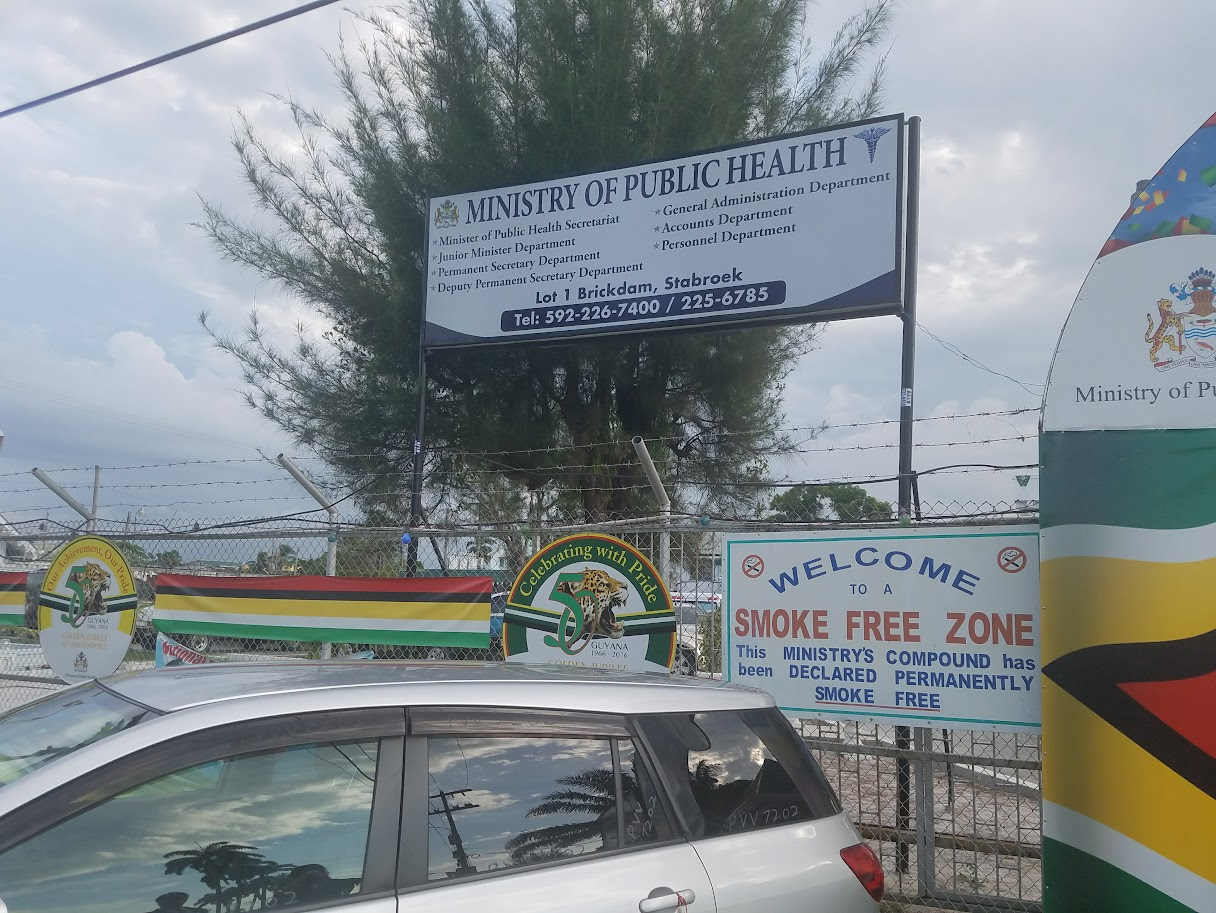
Ministry of Public Health, Guyana
Seth Egan said Co-Diagnostics is examining how its products could fit emerging federal efforts and believes the initiative could support broader adoption.
That remains a prospective opportunity. The order does not name Co-Diagnostics, award the company funding or establish a dedicated subsidy for local testing equipment. Agencies are directed to review available resources, and implementation is subject to available appropriations.
The distinction matters for mosquito-control programs weighing a laboratory investment. Federal interest in rapid diagnostics does not yet answer what assistance a particular district or tribal program could receive.
What Happens After the Result
Co-Diagnostics also wants to expand its mosquito-test menu and develop testing for tick-borne pathogens, Seth Egan said. He described those as development priorities rather than additional products already available to customers.
For now, the practical question is what local teams can do with the tests they have: collect samples, identify pathogens and use the results alongside their other surveillance information.
Mosquito abatement often becomes visible to the public only when trucks pass through a neighborhood or a positive West Nile result makes the news. Behind those moments are decisions about where to place traps, which samples to test and when to intervene.
Co-Diagnostics’ proposition is that bringing more of that testing in-house can help teams make those decisions sooner. The new federal order adds policy attention to rapid diagnostics and mosquito control. The measure of the company’s approach, however, remains local: how programs use the information, what changes in their response and whether the benefits justify the investment.