From a Slow-Down Request to a Global Dubbing Platform: How Two Orem Brothers Built DittoDub
Two Orem-raised brothers turned a teenage YouTuber's request from foreign viewers to slow down into DittoDub, a Salt Lake City AI dubbing company now used by some of YouTube's largest creators, including Erling Haaland's rapidly growing channel.
Nate Stone was still in high school in Orem when he started getting a strange kind of complaint on his YouTube channel. Viewers overseas kept asking him to slow down.
Stone's channel, Keystone Science, was built around electrical engineering experiments — microwave guns, Tesla coils, the kind of high-voltage builds that travel well on YouTube regardless of language. But the comments made clear that language was exactly the problem. Viewers who spoke English as a second or third language couldn't keep up, and dubbing the videos into other languages was, at the time, too expensive and too slow to be worth it for a high schooler running a channel on the side.
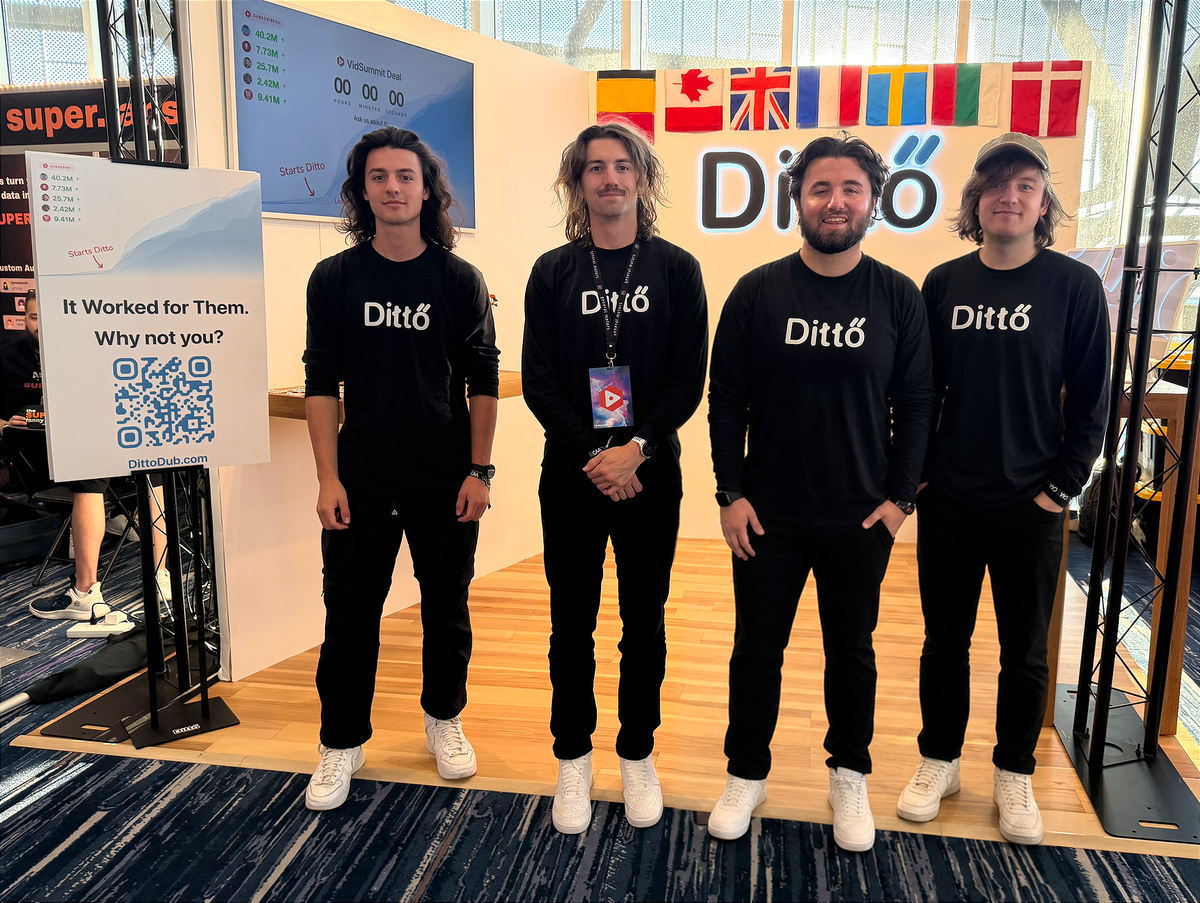
That small, recurring complaint became the seed for DittoDub, a Salt Lake City company Stone co-founded in 2023 with his brother, Jackson Stone. The company builds AI-driven dubbing technology that translates YouTube videos into dozens of languages while preserving a creator's voice, tone, and delivery, and it now counts some of the platform's largest channels among its customers.
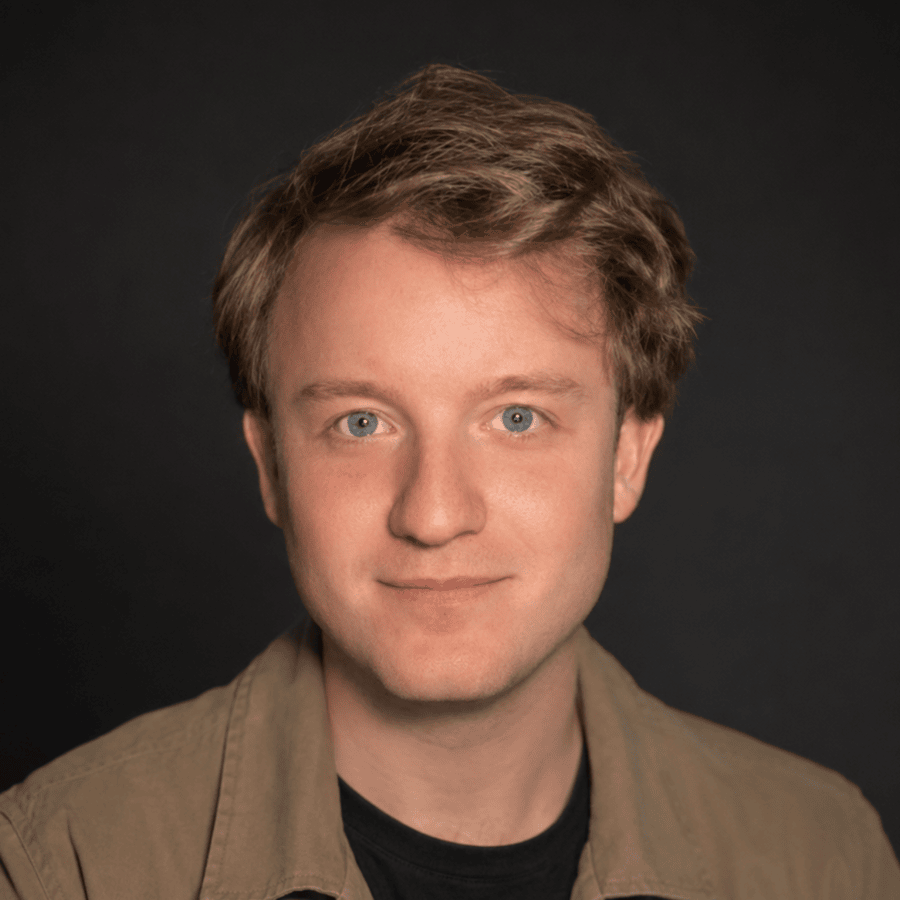
Nate Stone, Co-Founder and CEO, DittoDub
"There's a huge amount of audiences out there that just cannot be exposed to the content you produce if you're not making it accessible for them," Nate Stone said. "It's the largest barrier for content to be proliferating out to the rest of the world."
From a YouTube Problem to a Company
The idea did not become a company right away. Nate and Jackson Stone had already built smaller apps and side projects together, including Semantle, a word-guessing game that used word embeddings to score how semantically close a player's guess was to a target word. It was a third brother, according to Nate Stone, who first floated the idea of applying AI to the dubbing problem directly, rather than hiring human translators.
"We know how to program, and we could start building AI," Nate Stone shared with TechBuzz, recalling the conversation. "That was like four years ago, and we just started training the models right then and there."
Today DittoDub is a 40-person company with two owners — the Stone brothers — and offices in Salt Lake City and San Francisco, plus a distributed remote team. According to the company, it supports dubbing into 62 languages and has tracked 136 billion views across dubbed content on YouTube since March 2024, though DittoDub labels that figure as company-tracked rather than independently audited.
Inside the Dubbing Process
DittoDub's workflow starts when a creator connects their channel. The company estimates which videos and which target languages carry the most potential audience impact based on data gathered across what Nate Stone said are hundreds of thousands of previously dubbed videos, then lets the creator choose a threshold before dubbing begins.
Turnaround has slowed as DittoDub's models have grown more complex, according to Nate Stone, trading raw speed for quality. "Originally it was real time, and over time we have made the models larger and larger and larger, so that now a thirty-minute video will take about an hour," he said.
Jackson Stone, who leads model training and DittoDub's technical systems, said the company's current dubbing model, internally referred to as Dubbing V3, represents a shift away from earlier, single-pass generation toward an architecture that reviews and revises its own output before finalizing a dub. The system uses language- and locale-specific adapters, including separate routing for Mexican and European Spanish, according to the company's reporter backgrounder.
Both founders described voice authenticity as an ongoing engineering challenge rather than a solved problem. Earlier models, Nate Stone said, tended to flatten certain voices, particularly some female and younger-sounding voices, into a similar generic tone. Extreme emotional delivery and scenes with multiple overlapping speakers remain among the harder cases for the system to reproduce accurately, according to both founders. Singing, Jackson Stone said, remains largely unworkable for dubbing.
Human review remains part of the process for creators who request it, with a dedicated verification team and a feedback loop that DittoDub says feeds corrections back into future model training.
The Haaland Case
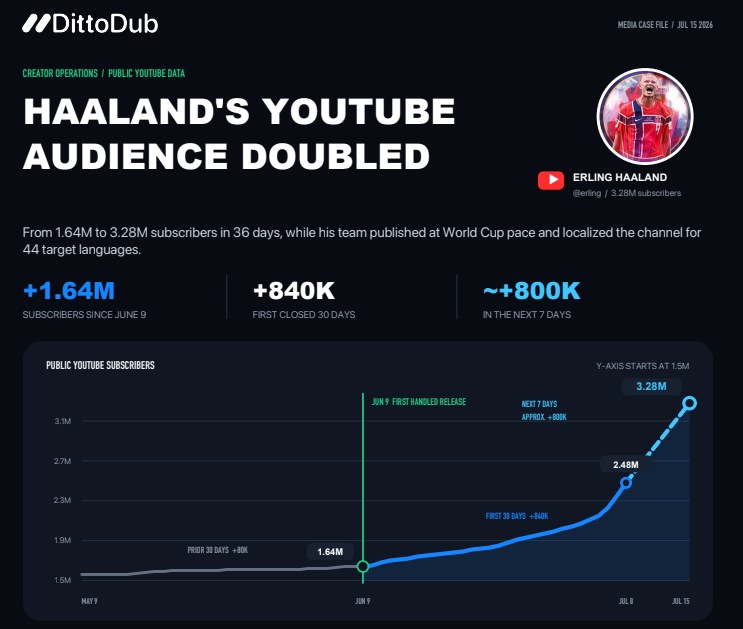
DittoDub's most cited example is Erling Haaland, the popular Norwegian soccer player who launched a YouTube channel in 2025. According to the company's published case study, Haaland's public subscriber count grew from 1.64 million to 3.28 million between June 9 and July 15, 2026, during a rollout that dubbed his content into 44 languages using the Dubbing V3 beta.
DittoDub's own published account of the Haaland case is notably careful about causation, noting that the subscriber growth overlapped with other factors, including Haaland's on-field performances and general channel virality, and stops short of crediting dubbing with the entire increase. In the TechBuzz interview for this story, Nate Stone described the same case in more directly causal terms.
Growth Without a Marketing Budget
DittoDub has not raised outside investment, according to Nate Stone, despite what he described as having received multiple offers. "From a monetary standpoint, I don't see much need there," he said. "But from a connection standpoint, I certainly see how that would be very, very beneficial."
The company also has not spent much on marketing, Nate Stone said, and instead has grown through word of mouth among creators. Its published client list includes MrBeast, KSI, Marques Brownlee, Nick DiGiovanni, Topper Guild, and Haaland, among others. Nate Stone also referenced Matt's Off Road Recovery, the Hurricane, Utah-based towing channel previously featured in TechBuzz, saying its team reported stronger watch time in Spanish and Portuguese than in its original English uploads.
What's Next
Nate Stone said DittoDub continues to refine pronunciation for languages including Thai and Arabic and is working on better separating speech from ambient sound, such as audience noise in dubbed comedy specials, so that dubbed tracks preserve the feel of the original recording. Separating overlapping speakers into clean, individual voice tracks remains an active engineering focus, according to Jackson Stone.