Utah's Quantum Initiative Has a Plan: Inside the Third Roundtable's Draft Strategy
At its third meeting, Utah's Quantum Roundtable moved from discussion to an actual draft strategic plan — named seven pillars, funding estimates, and a roadmap to 2032.
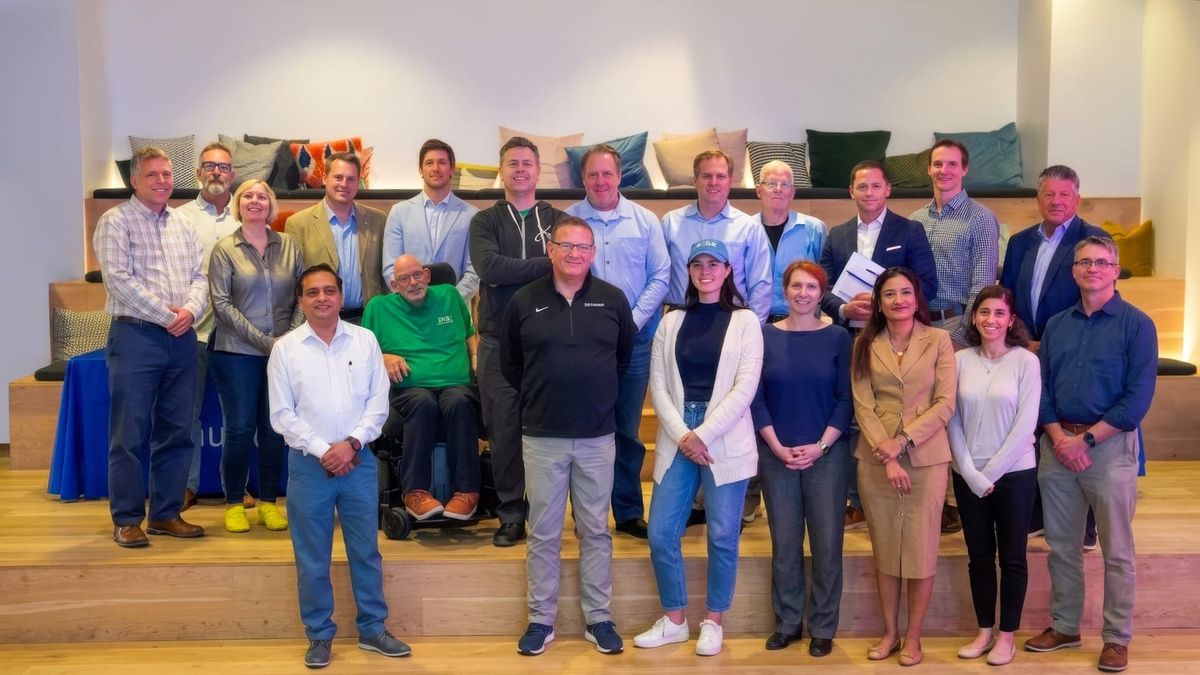
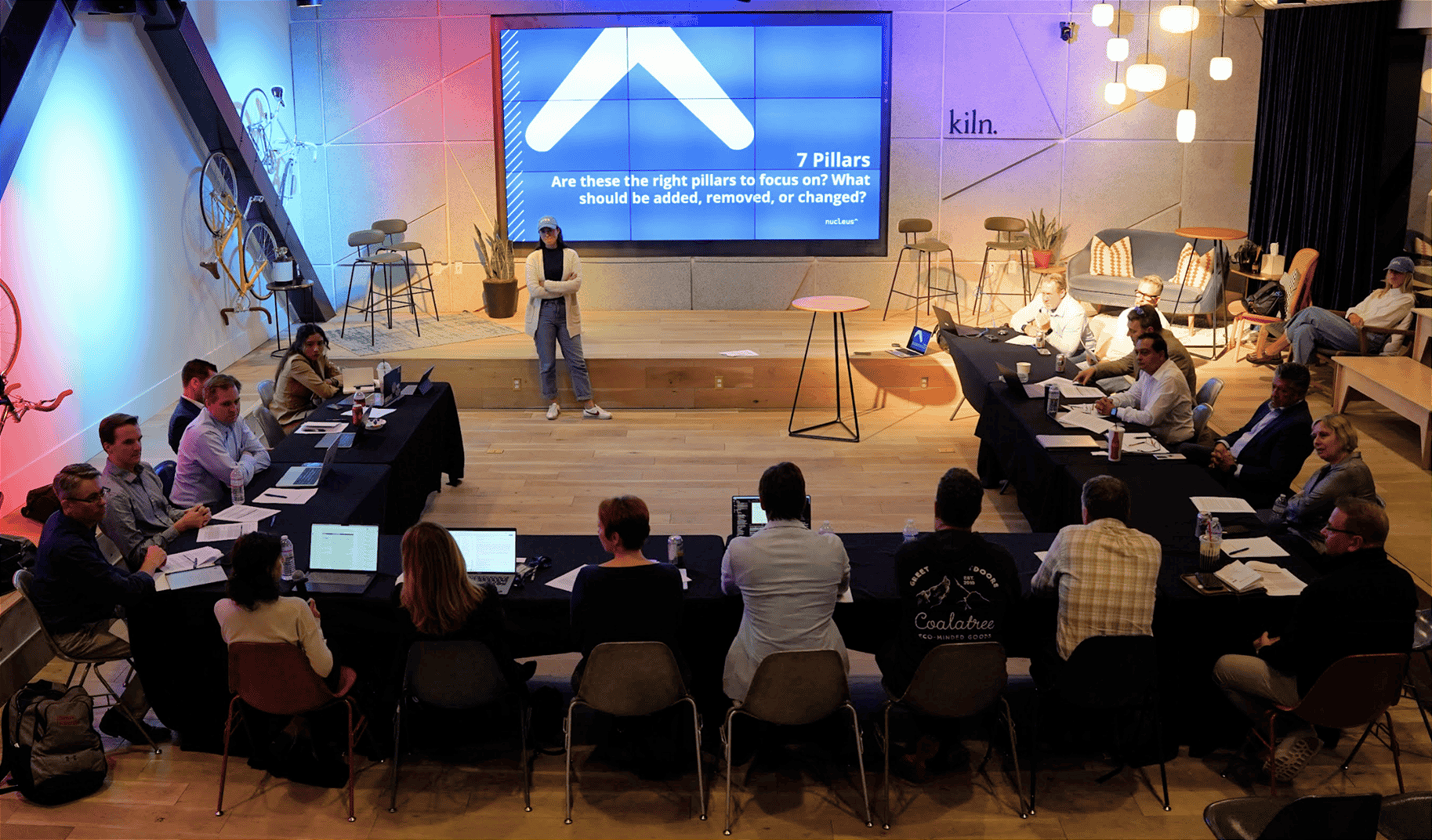
Utah's quantum strategy just moved from conversation to paper. At the third meeting of the state's Quantum Roundtable, hosted again at Kiln Lehi, a room of university physicists, defense and tech executives, and state legislators spent two hours working through an actual draft strategic plan — named pillars, funding estimates, and a roadmap running to 2032 — rather than simply cataloguing what Utah has going for it, as the first two meetings largely did.
The effort operates under the direction of Jefferson Moss, who leads Utah's quantum strategy on behalf of Governor Spencer Cox in his dual role as executive director of the Governor's Office of Economic Development and the Nucleus Institute. As the Quantum Roundtable facilitator, Dolly Chitta has helped convene the initiative's stakeholders across all three sessions.
It was the most consequential of the three meetings to date. The first, in December, laid the groundwork. The second, in March, focused on connecting Utah's quantum assets to the wider world. The third produced an actual document — reviewed and workshopped live by roughly 25 attendees, and now headed toward the next legislative session.
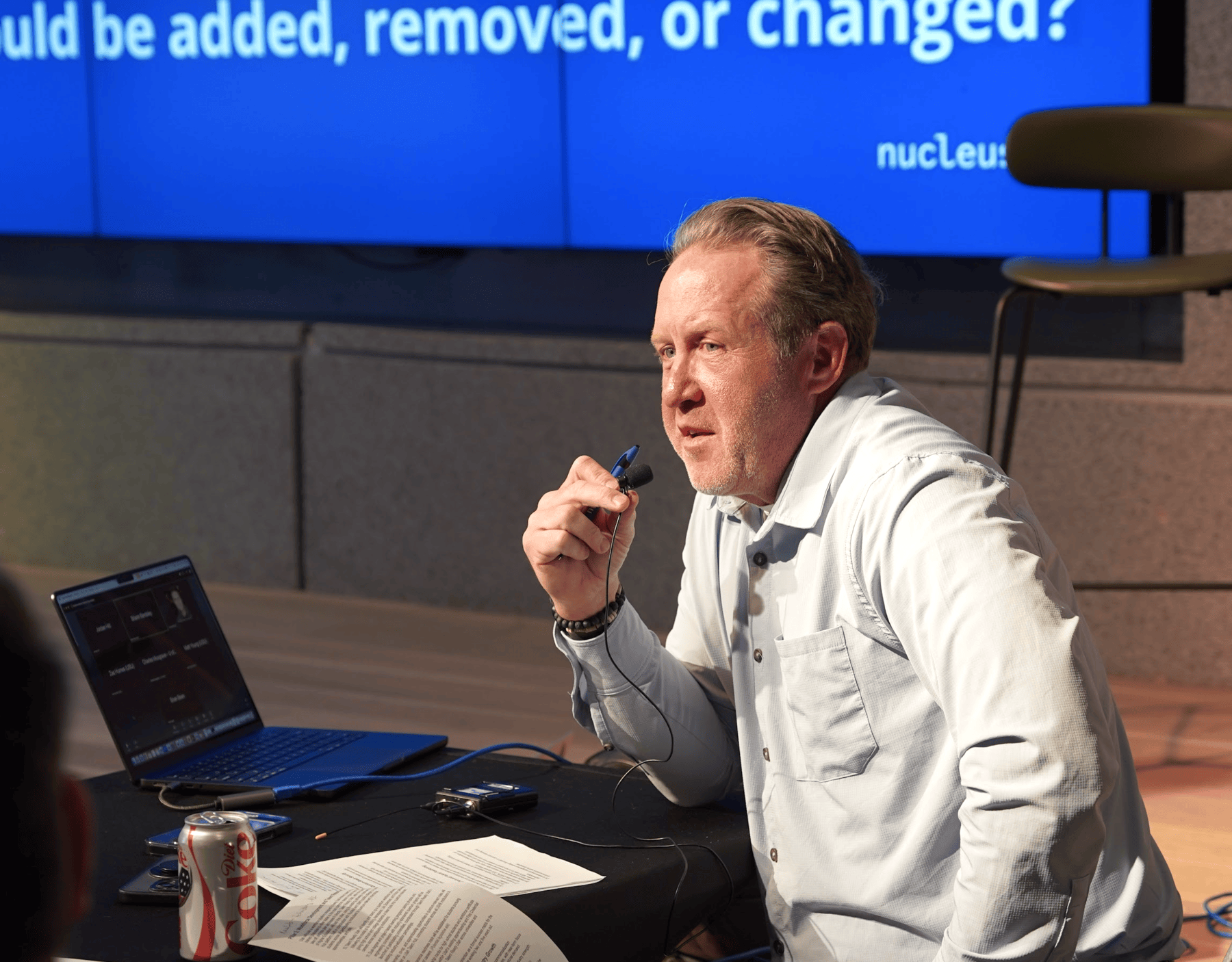
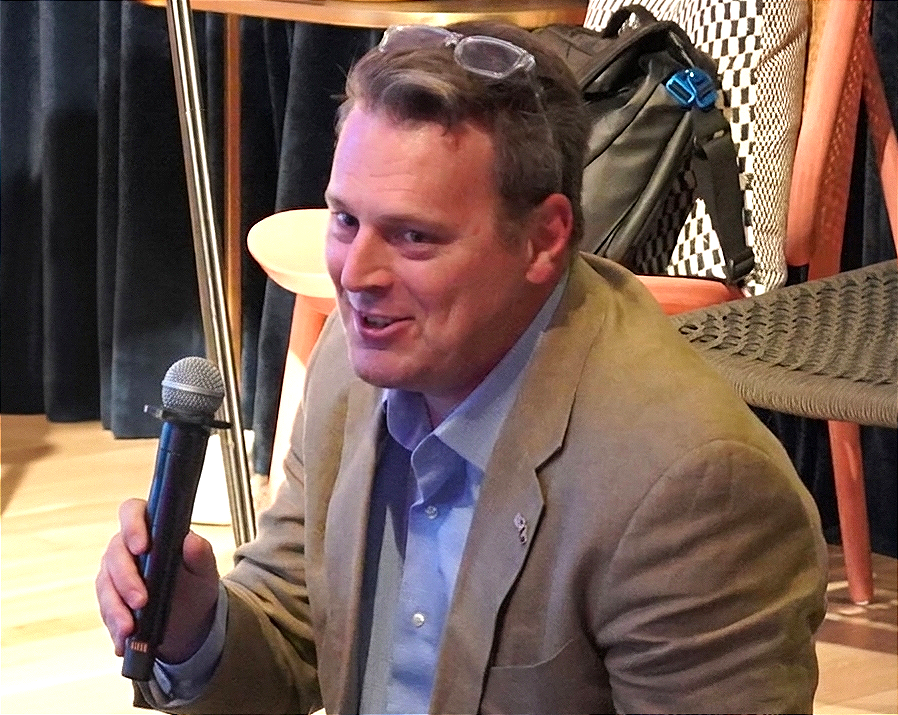
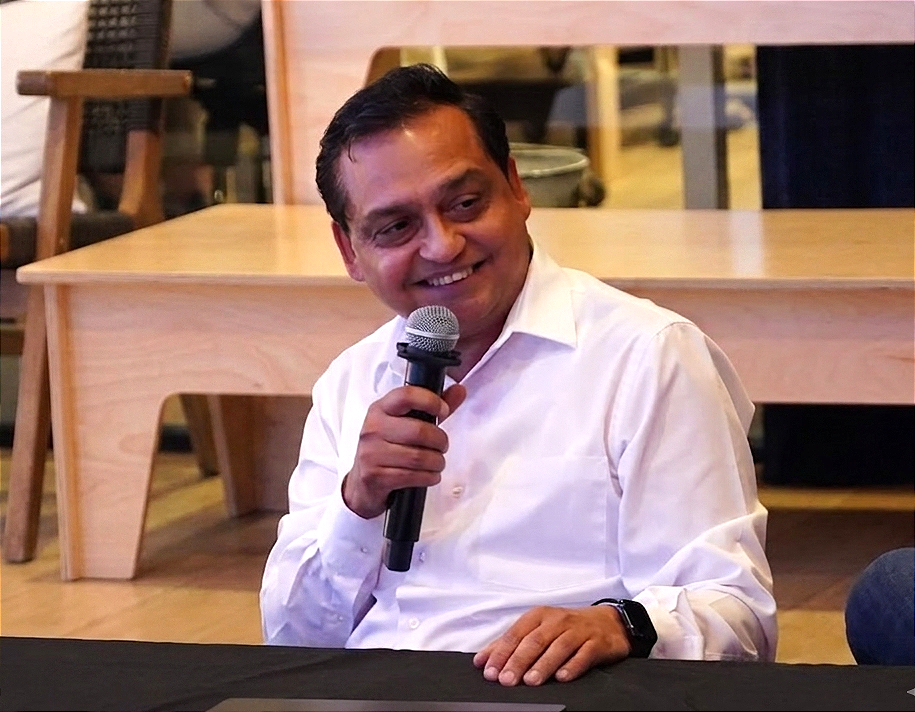
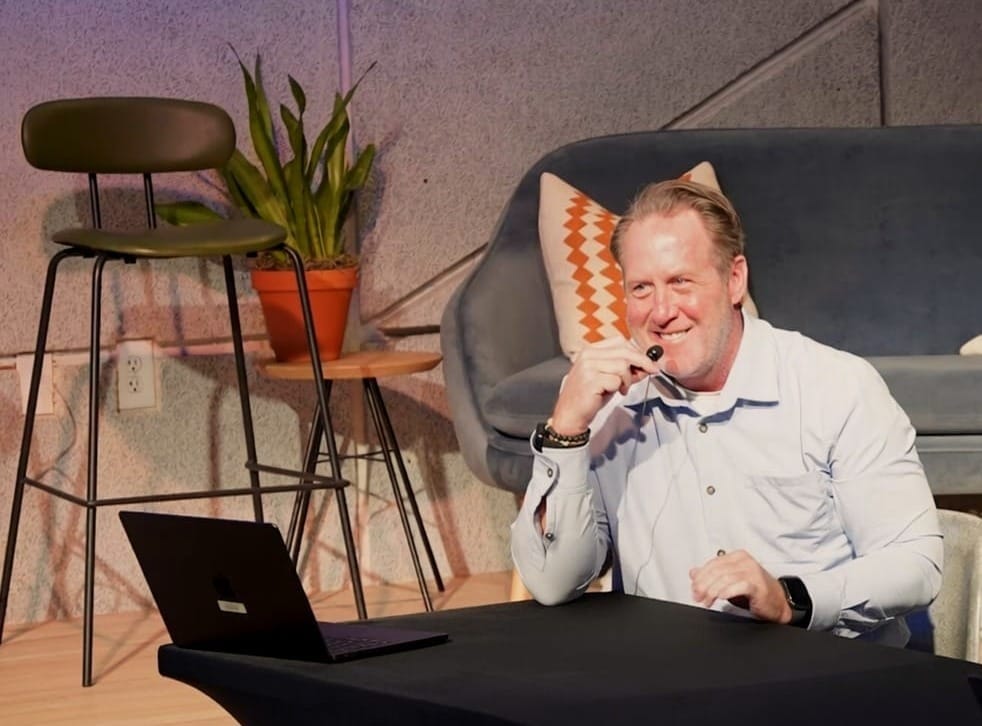
Jefferson Moss, Executive Director, Governor's Office of Economic Development and Executive Director, Nucleus Institute, opening Utah's Third Quantum Roundtable, June 29, 2026, at Kiln Lehi. Photo: Mark Tullis
Not trying to win the race everyone else is running
Jefferson Moss opened by reminding the room of a pattern he's seen before. Utah wasn't first on energy, he said, and now the state is home to the first small modular reactor to go critical in a private setting. Utah didn't move first on AI policy either, but stood up a functioning framework quickly once it did. The bet behind the quantum plan is that the same pattern holds: Utah doesn't need to be first, it needs to be positioned to move fast once the opportunity is undeniable.
That's the logic behind the plan's central strategic choice, spelled out in the document itself: Utah isn't trying to compete for qubits. The national quantum race is crowded at the top of the stack, where well-funded hubs fight to build full quantum computers. Utah's plan instead targets the supply chain underneath that race — cryogenic control electronics, packaging, interconnect fabrication, and the high-performance computing needed to run hybrid classical-quantum workloads. It's a hardware-integrator strategy, not a hardware-inventor one.
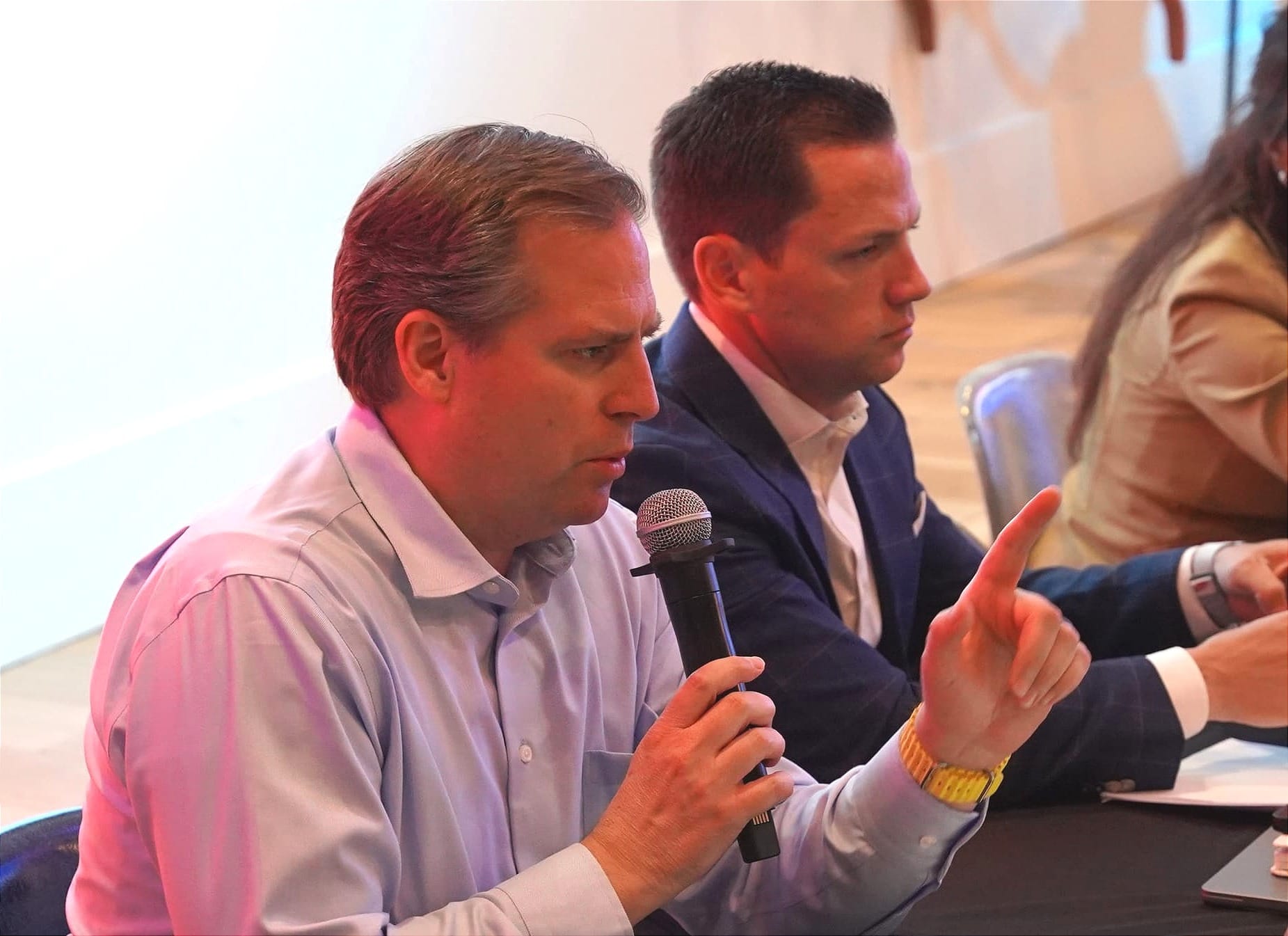
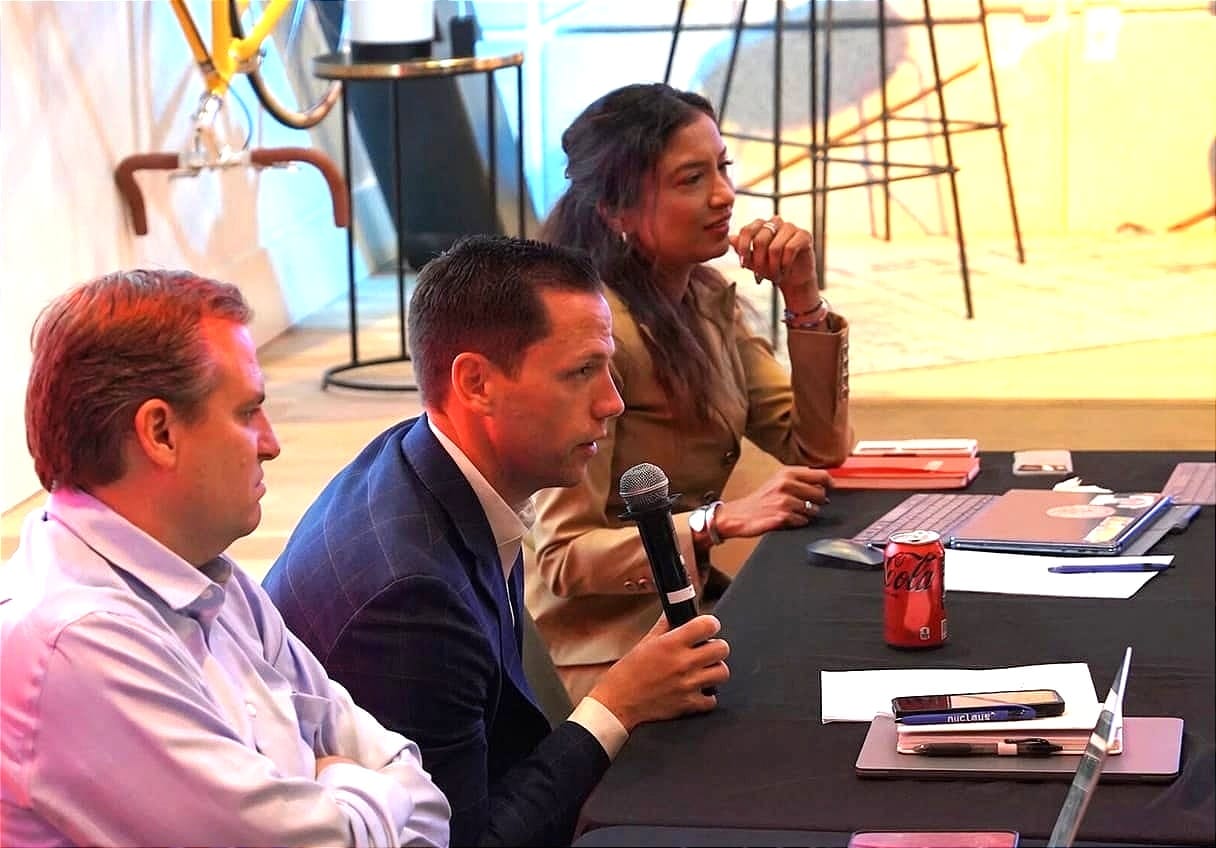
Ryan Camacho, Associate Professor of Physics at BYU, speaking at Utah's Third Quantum Roundtable at Kiln Lehi. Aaron Starks, 47G CEO and President, next to him. Photo: Mark Tullis
Ryan Camacho, a BYU physicist involved in shaping the plan's technical framing, cast it as a genuine advantage rather than a consolation prize. "Coming in behind, I think, actually is one of our natural opportunities here," Camacho said, arguing that arriving late means Utah can see which bets other states have already made — and skip straight past the ones that didn't pay off.
Chitta, who has helped convene the initiative's stakeholders, agreed the state is behind. She cited attending the International Year of Quantum events in Paris in February 2025 and watching multiple countries and U.S. states outpace Utah's early quantum investment. She described the Utah strategy as "leapfrogging" rather than catching up or imitating.
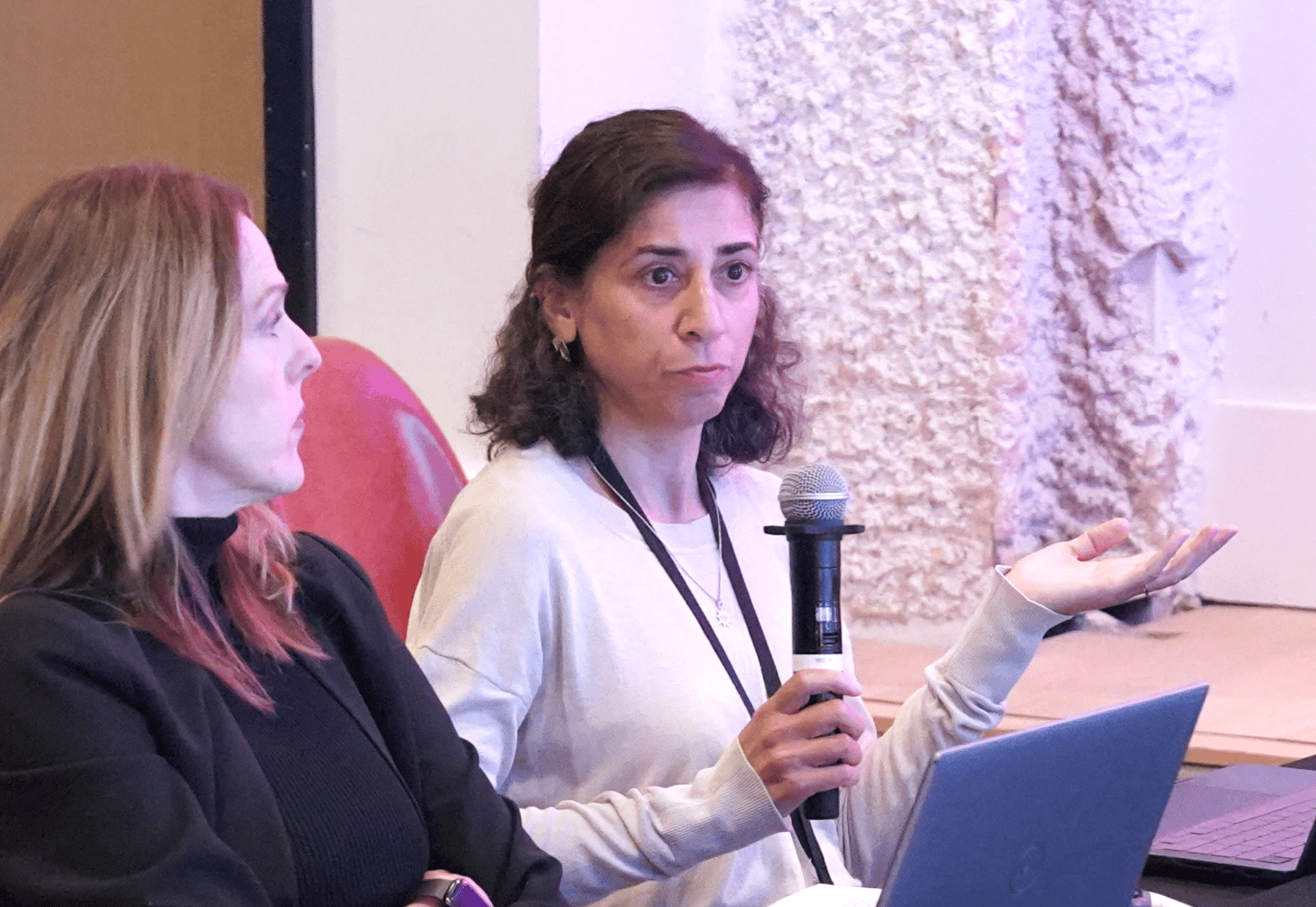
Roundtable facilitator Dolly Chitta framing the topic at the Third Utah Quantum Roundtable. Photo: Mark Tullis
A hardware plan with a software-shaped hole in it
The most substantive on-the-record disagreement of the meeting came from Alexey Galda, who leads Moderna's quantum computing team. Reading through the pillars, Galda pointed out what he considered a structural inconsistency: the plan names biotech drug design, optimization, and logistics as Utah's target pilot applications. Those are quantum computing applications, while the plan's actual infrastructure dollars are earmarked for cryo-CMOS, packaging, and sensing hardware that has little to do with running quantum algorithms.
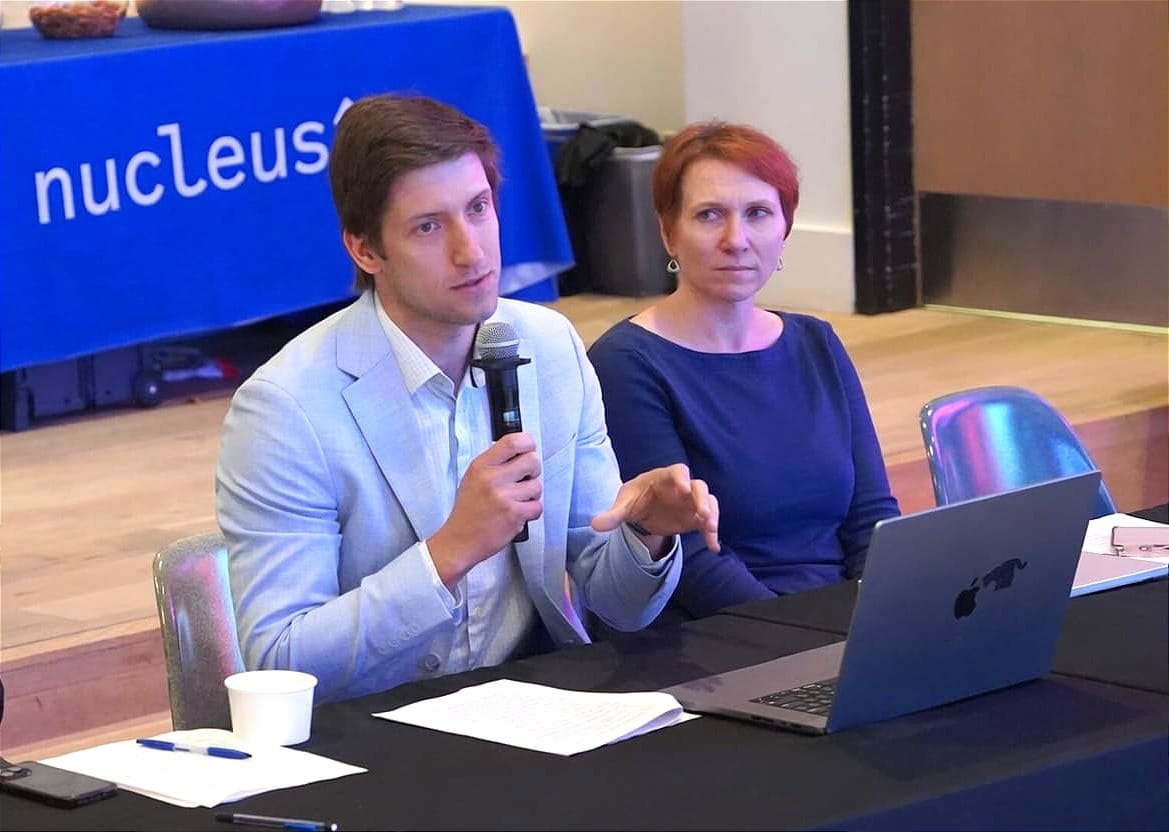
Alexey "Alex" Galda, Associate Scientific Director, Quantum Algorithms and Applications at Moderna, speaking at the Third Utah Quantum Roundtable, June 29, 2026, Kiln Lehi. On right: Pearl Sandick, UofU. Photo: Mark Tullis
"What's in this plan actually serves biotech and optimization companies that we're naming as our early adopters?" Galda asked. His proposed fix: name quantum applications and algorithms as a distinct third priority alongside hardware and workforce, anchored in the high-performance computing resources Utah already has. Moss didn't push back. He turned the floor over, calling it "exactly why we want this conversation." Camacho admitted the gap came from his own team's hardware-heavy background rather than any deliberate choice to omit software. It was the one moment in the meeting where the room visibly revised its own thinking in real time rather than simply layering on additional strengths.
Orly Alter, director of quantum computing research at the University of Utah, backed Galda's point later in the meeting, arguing that hardware without software "is useless," and that the algorithmic talent needed to make quantum computing useful to biotech and other applications is Utah's most under-recognized asset.
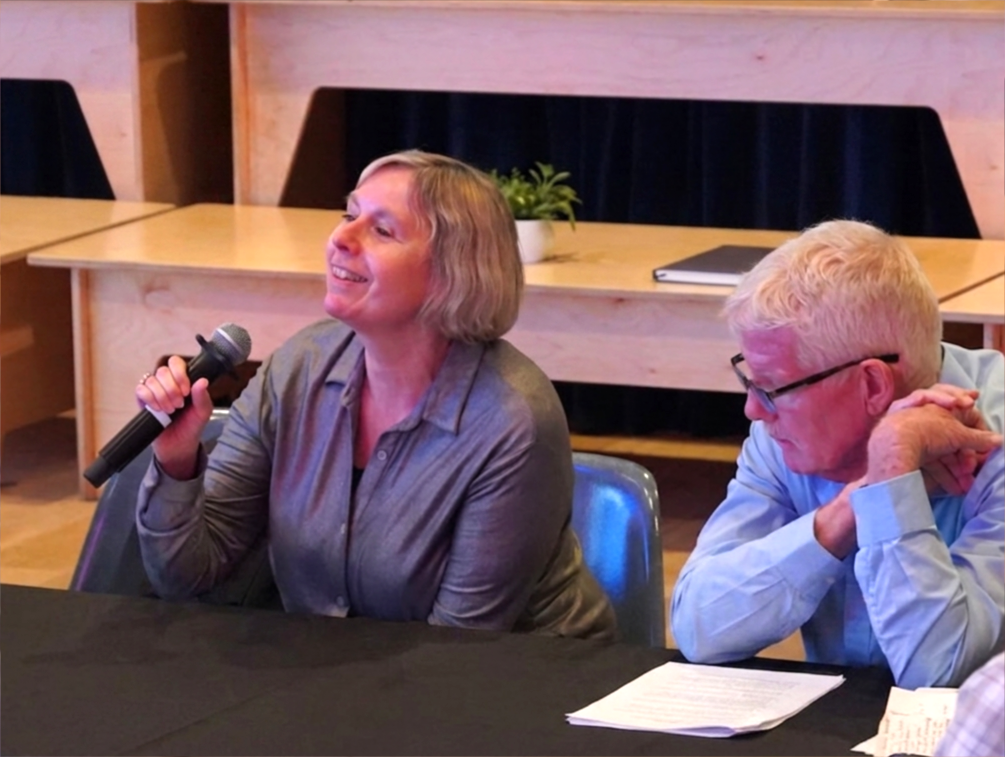
Orly Alter, Director of Quantum Ccomputing Research at the UofU, sharing insights at Utah's third Quantum Roundtable at Kiln Lehi. On right: Rex Stock, CEO, Planet Friendly Solutions. Photo: Mark Tullis
The talent problem, and the labs problem underneath it
Talent retention came up early and often, and the plan itself names it as the single biggest risk to the state's ambitions. Camacho described watching most of his PhD students leave Utah for jobs at established quantum companies elsewhere, simply because those companies don't have a presence here yet. Pania Newell, a University of Utah engineering faculty member, added that the risk extends beyond students to faculty, who are increasingly recruited away by universities looking to poach signature quantum hires.
Camacho offered a partial fix drawn from his own experience: joint academic-industry appointments, similar to the arrangement his former postdoc advisor has as head of quantum at Amazon while retaining a university position. "That's way different than the USTAR model," Camacho said. It was a pointed reference to Utah's earlier, more direct state-funded technology initiative established in 2006, which Moss brought up unprompted and later admitted had left "a bit of a negative taste" among legislators over unmet outcomes relative to cost. State funding for the USTAR program was eliminated in 2021.
Camacho, who spent time earlier in his career leading a Department of Energy "grand challenge" quantum program at Sandia National Labs, also reframed one of the plan's stated weaknesses — Utah's lack of a DOE lab presence — as a federal-policy argument rather than a liability. Historically, quantum investment flowed from national labs to nearby universities to spinout companies, and Utah missed that early wave. But that gap, he argued, is itself a case Utah's congressional delegation can make: the state has built real quantum strength without the advantage other hubs relied on, which argues for new federal investment now.
Craig Miller, Senior Staff member at IonQ, speaking at the Third Utah Quantum Roundtable, June 29, 2026, Kiln Lehi. Photo: Mark Tullis
Craig Miller of IonQ noted Utah does have one major federal compute asset nearby — the NSA's Utah Data Center — and argued that reviving interest in it, paired with the University of Utah's HPC capacity and BYU and UVU's workforce pipeline, could position the state to combine CPUs, GPUs, and quantum processing units in one place.
Newell raised a related point earlier in the meeting: Utah is surrounded by national labs it isn't yet fully leveraging, and coordinating with neighboring states rather than going it alone could be a distinct advantage. Miller picked up the thread directly, pointing to Elevate Quantum — the regional consortium spanning New Mexico, Colorado, Wyoming, and Montana, anchored by Idaho National Laboratory — as a model already proving the value of that kind of coordination across the Mountain West.
Pania Newell, UofU engineering faculty, addresses the room during Utah's third Quantum Roundtable at Kiln Lehi on June 29. Ginger Chinn of Northrop Grumman seated beside her.Photo: Mark Tullis
The federal window is moving faster than expected
Much of the meeting's urgency traced back to two executive orders issued the week before the roundtable. Miller said federal quantum-related contract activity, particularly around what the Department of War now categorizes as "quantum battlefield information dominance," is accelerating faster than states can easily plan around. Starks, drawing on 47G's recent trip to Washington, said the administration has proposed a defense budget increase of more than 50 percent year-over-year, with billions in previously allocated CHIPS Act funding now sitting unspent and available for exactly the kind of quantum and allied-nation technology partnerships Utah is positioned to pursue.
His suggestion: use Hard Tech Week — this year's edition of Utah Tech Week, running October 26–30 and anchored by 47G — to bring federal decision-makers out for a dedicated quantum showcase while defense and industry stakeholders are already gathering in the state.
A communications push already built into the plan
Utah's near-invisibility on quantum branding came up more than once in the room. Craig Miller of IonQ said plainly that searching "quantum" and "Utah" together currently returns almost nothing online, not even from AI search tools. The plan already accounts for that gap: its seventh pillar calls for a sustained public communications strategy, regular published updates on funded pilots and workforce milestones, an earned-media push through op-eds and industry events, and an annual statewide quantum showcase.
Aaron Starks posing the key question at Utah's Third Quantum Roundtable, June 29, 2026, at Kiln Lehi, with Ryan Camacho and Dolly Chitta. Photo: Mark Tullis
Aaron Starks, attending his first roundtable as CEO and President of 47G, picked up the thread, pointing to Silicon Slopes and 47G's own brand as evidence that a well-known name changes how Washington and outside investors perceive a state's seriousness, and offered to help build one for quantum. His point tracks with what's already in the draft plan: its seventh pillar calls for a sustained public communications strategy, regular published updates on funded pilots and workforce milestones, an earned-media push through op-eds and industry events, and an annual statewide quantum showcase — the infrastructure Starks was describing already has a place reserved for it.
Sumit Parashar, Founding Chair of Silicon Slopes Quantum (SSQ), CEO of BODEX and Co-Founder of UtahQuantum.org, at the Third Utah Quantum Roundtable, June 29, 2026, Kiln Lehi. Photo: Mark Tullis
Sumit Parashar, attending for the first time, emphasized the industry timeline of Zero-Day-Q, frequently referred to in the tech industry as "Q-Day," or "Y2Q," the hypothetical tipping point at which quantum computers become powerful enough to break standard classical encryption methods, like RSA and Elliptic Curve Cryptography (ECC).
Parashar argued that systemic data remediation must have a placeholder in the state's emerging strategy. He said his team has developed an active remediation plan that he presented to enterprise CIOs, CTOs, and CISOs across Utah. He said he has also spoken with the Department of Technology Services (DTS) and offered to bring the remediation framework directly under the state initiative.
Parashar's company BODEX launched UtahQuantum.org in October 2025. UTahQuantum.org is a privately-held, non-profit venture with no formal affiliation to the state initiative. Parashar offered UtahQuantum.org to the group and said he would align its content strategy as directed by state leadership.
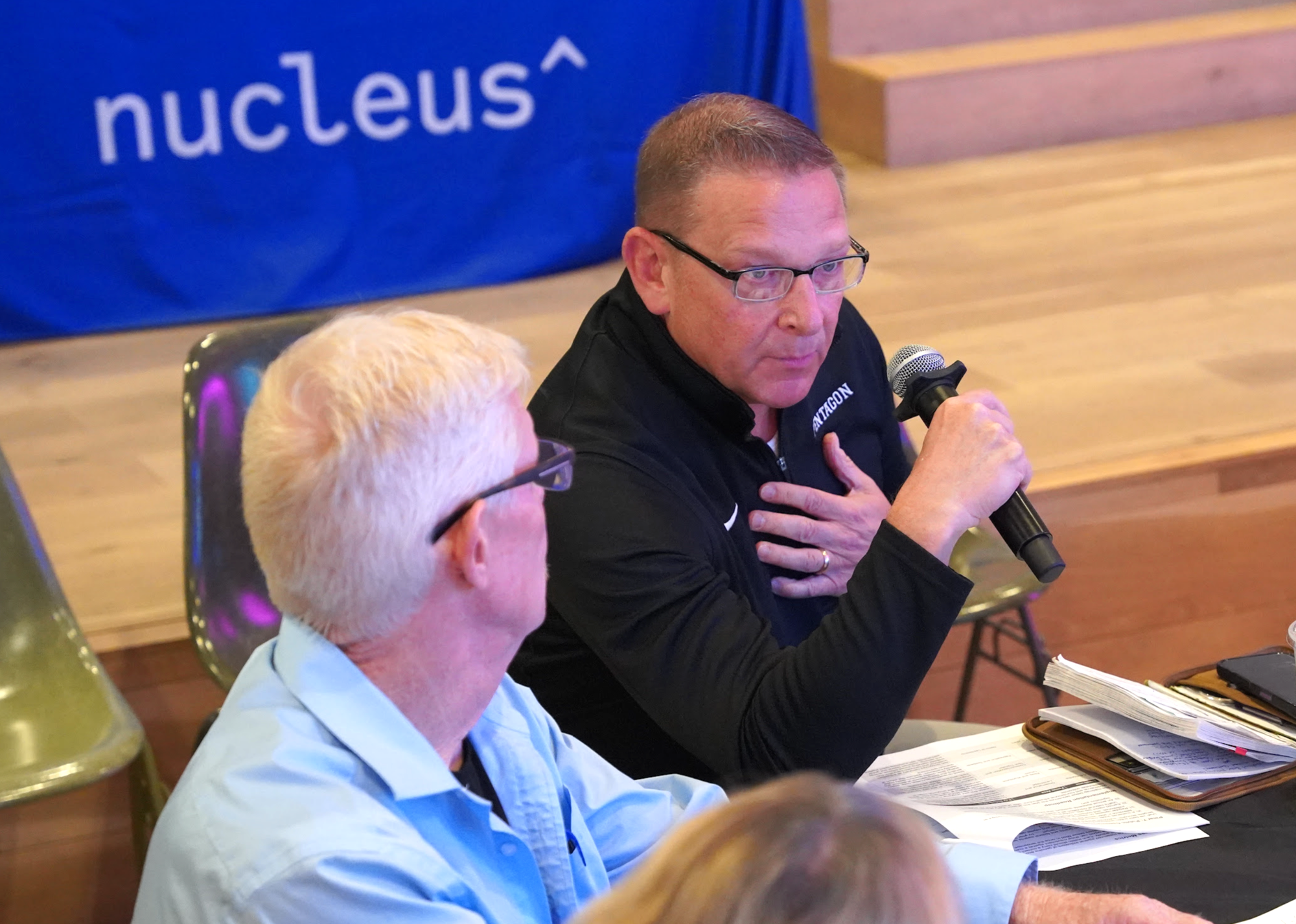
Max Stitzer, drawing on his background helping stand up enterprise-level initiatives at the Pentagon and U.S. Air Force, argued that positioning depends on governance as much as messaging. Utah doesn't lack subject-matter expertise, he said. The room had spent two hours proving that. What it needs is integration: a single public-facing "center of gravity" that can pull the right people together at the right time. Without it, he warned, the effort would "swirl around in small circles," regardless of how much talent or funding gets thrown at it.
Max Stitzer, a retired Air Force Brigadier General now consulting in defense and aerospace and advising 47G, speaks during Utah's third Quantum Roundtable at Kiln Lehi on June 29. Photo: Mark Tullis
Where the money and the next steps land
The plan's near-term ask is narrower than its full scope: initial funding for a shared quantum testbed. It would likely extend the University of Utah's Center for High Performance Computing, which is already standing up a new 264-GPU statewide AI supercomputer, described by Gregory Jones of the University of Utah as a starting point for a hybrid classical-quantum curriculum, plus workforce programs, in the range of $2.5 million to $10 million for the coming session. The plan's larger later phases, including a dedicated fabrication node and hardware build-out, are sequenced for future sessions once a landscape report, currently being compiled by Nucleus, establishes clearer baselines.
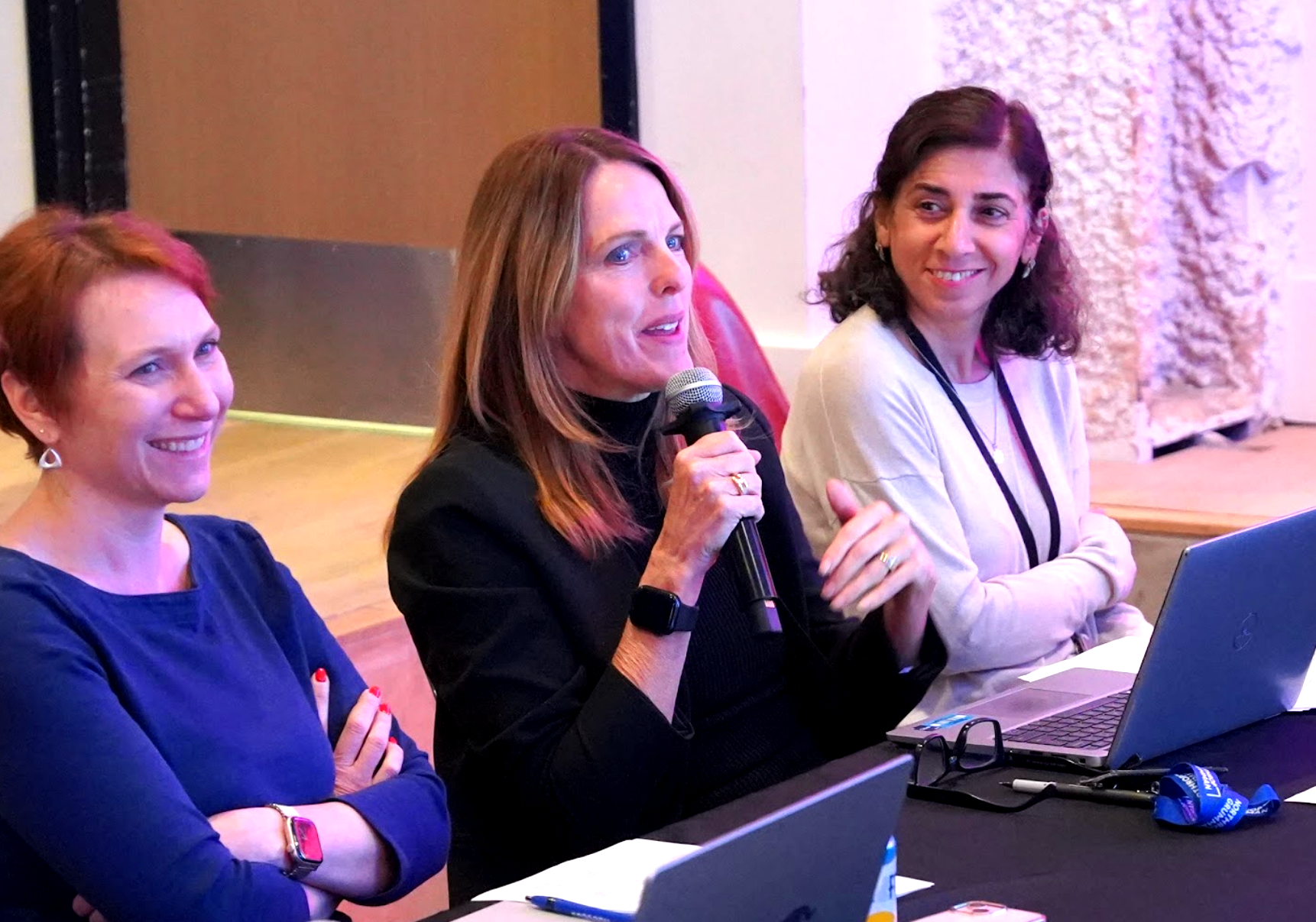
Workforce programs will run largely through Talent Ready Utah's existing pathways model, the same structure used for the state's aerospace and life sciences industries, rather than building new infrastructure from scratch. Ginger Chinn of Northrop Grumman, who has attended similar planning conversations in other states, credited Utah's collaborative tone as a genuine competitive advantage, a contrast, she said, to the friction she's observed in peer-state discussions elsewhere.
Ginger Chinn, State and Local Government Relations, Northrop Grumman, speaking at the Third Utah Quantum Roundtable, June 29, 2026, Kiln Lehi On left: Pearl Sandick, UofU. On right: Pania Newell, UofU. Photo: Mark Tullis
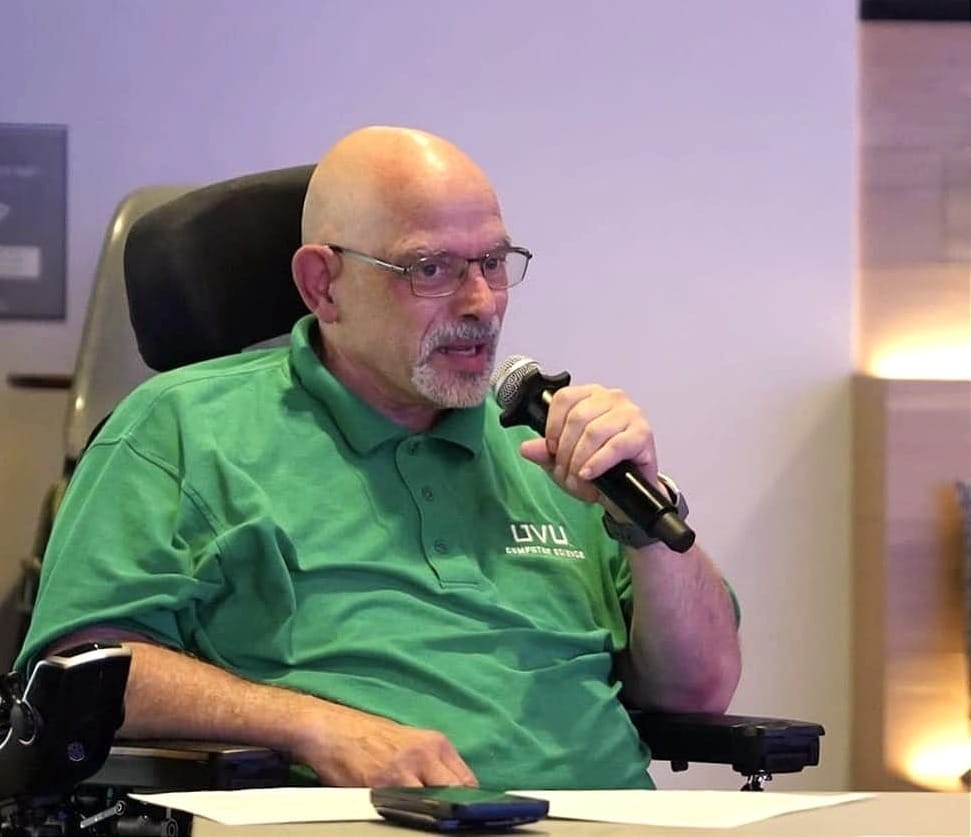
George Rudolph, chair of computer science at UVU, flagged a more mundane but pressing obstacle: university curriculum-approval cycles run years behind what the workforce plan assumes. His own institution's next curriculum publication cycle doesn't open until fall 2028, he said — far too slow to stand up new quantum certificates or master's programs on the plan's timeline. He half-joked that funding tends to be the fastest way to bend that process along, but raised a more substantive point underneath it: the field still lacks the software abstractions needed to make hybrid quantum-classical development usable outside a physics lab, which he called both a risk to the plan and a genuine research opening. Newell added that this work may already be underway: she and a group of collaborators recently submitted an NSF proposal for a statewide quantum workforce certificate program, spanning undergraduate and graduate levels and built on existing resources across Utah institutions rather than any single university. The proposal is still under review.
George Rudolph, UVU Professor and Chair of Computer Science, speaking at the Utah's third Quantum Roundtable, June 29, at Kiln Lehi. Photo: Mark Tullis
Also joining for the first time was Max Stitzer, a retired Air Force Brigadier General who introduced himself as consulting in defense and aerospace and serving as an advisor to 47G. Sen. Kirk Cullimore joined via Zoom, a reminder that any funding ask will need to meet legislative priorities. Talent Ready Utah's Jordan Hill, embedded in Moss's office as the initiative's workforce liaison, fielded most of the questions on how the state structures industry-education partnerships.
As the session wound down, several attendees offered their own vision for what should animate the plan going forward. Orly Alter proposed "quantum for society," open enough, she argued, to let every stakeholder in the room contribute on their own terms.
UVU's George Rudolph offered a sharper, more specific alternative: securing Utah's digital identity systems against quantum-breaking cryptography, warning that current protocols could become obsolete within five years, and framing it as a chance to do for data security what Utah has already done for AI policy, setting the national standard before Washington does.
Alex Galda argued the state's real edge isn't hardware or even quantum software on its own, but pairing artificial intelligence with quantum algorithm development itself.
The group will reconvene once the draft is refined, with the plan's animating vision, and a formalized operating body and budget within the Nucleus Institute, taking shape heading into the 2027 legislative session.
Utah's Draft Quantum Strategic Plan, At a Glance
The full plan that was presented and discussed in detail isn't being published within this article, as it will likely undergo revision over the next few weeks, but its basic structure and timeline are shown below.
The plan, drafted by Jefferson Moss and Dolly Chitta, is organized around seven pillars:
1. Governance & Coordination — Formalizes Nucleus's Utah Quantum Institute as the initiative's lead body, chaired coordination council reporting to USHE and GOEO, and an annual quantum strategy update to the Legislature.
2. Core Research & Hardware Strengths — Directs investment toward what Utah already does well: sensing, communications, high-performance computing, and semiconductor/hardware manufacturing, tying fabrication, cryogenic electronics, and academic research into one pipeline.
3. Workforce Development & Talent Retention — Builds a quantum pathway through Talent Ready Utah's existing model, dual-degree and apprenticeship programs, and formal tracking of where graduates land two and five years out.
4. Commercialization & Industry Growth — Funds pilot programs in biotech, logistics, and defense/aerospace sensing; establishes an IP framework and a quantum allocation within the existing Nucleus Fund.
5. Digital Identity & Quantum-Ready Security — Connects Utah's existing digital identity and data governance work to post-quantum cryptography standards.
6. Supply Chain & Federal Positioning — Assesses Utah's manufacturing base for quantum-relevant components and designates a single point of contact for federal programs like DARPA and the DOE's Genesis Mission.
7. Public Communications & Awareness — Builds a sustained communications strategy, regular progress updates, an earned-media push, and an annual statewide quantum showcase.
Implementation timeline:
Timeframe
Focus
Key deliverables
0–6 months
Governance & Landscape
Coordination council convened; quantum landscape report commissioned; K-12 outreach begins; first legislative funding request submitted
6–12 months
Pilots & Workforce Launch
First pilot programs in biotech and sensing; national quantum companies invited to install systems at Utah campuses; workforce certificate programs launch
1–2 years
Commercialization & Tech Transfer
Quantum IP and tech transfer hub established; dual-degree and apprenticeship programs launch; first federal partnership landed
2–3 years
Fabrication & Testbeds
Quantum fabrication node stood up; sensing and timing testbeds deployed at defense and energy sites; first cohort of quantum technicians graduates
4–6 years
National Leadership
Utah recognized nationally as a quantum workforce and hardware-integration hub; self-sustaining talent pipeline
Funding at a glance: The full plan estimates $25M–$50M in one-time capital plus $1.2M–$3.5M per year in recurring costs, phased over the roadmap above. The ask for the coming legislative session is narrower — $2.5M–$10M to fund the shared testbed and initial workforce programs.
Jefferson Moss, Executive Director, Governor's Office of Economic Development and Executive Director, Nucleus Institute, wrapping Utah's Third Quantum Roundtable, June 29, 2026, at Kiln Lehi.
TechBuzz will follow and report on developments of the Utah Quantum Roundtable. See previous TechBuzz coverage of Utah's first two Quantum Roundtables.
Share this article
The link has been copied!
Your link has expired. Please request a new one.
Your link has expired. Please request a new one.
Your link has expired. Please request a new one.
Great! You've successfully signed up.
Great! You've successfully signed up.
Welcome back! You've successfully signed in.
Success! You now have access to additional content.