Walk Farm (Smithfield, UT) is a privacy-focused mobile game for iOS and Android that converts real-world step tracking into in-game energy, replacing screen-addictive monetization loops with healthy, step-powered cozy farming gameplay.
Jared Lambert wants to get you off the couch, even if it means changing how you play mobile games.
Lambert, a software engineer and Utah State University alumnus with a background in artificial intelligence, recently launched Walk Farm, a mobile game available on iOS and Android where real-world movement powers in-game farming. Rather than relying on traditional freemium mechanics that incentivize prolonged screen time, the game operates on a simple, physical core loop: walk, harvest, repeat.
Turning Game Design on Its Head
For Lambert, the inspiration came from a lifelong love of "cozy" simulation titles like Harvest Moon and FarmVille, combined with a growing frustration over mainstream mobile app monetization.
"As an app developer, I’ve seen a lot of mobile games. I've been frustrated with them because of the incentives around freemium games," Lambert said. "Typically, you want somebody to play as long as possible so they can see more ads and generate more revenue, or you incorporate an addictive loop to keep people on their phones. I wanted to turn that on its head and create an app that was fun to play—not something you try to cut out of your life, but something you see as beneficial."
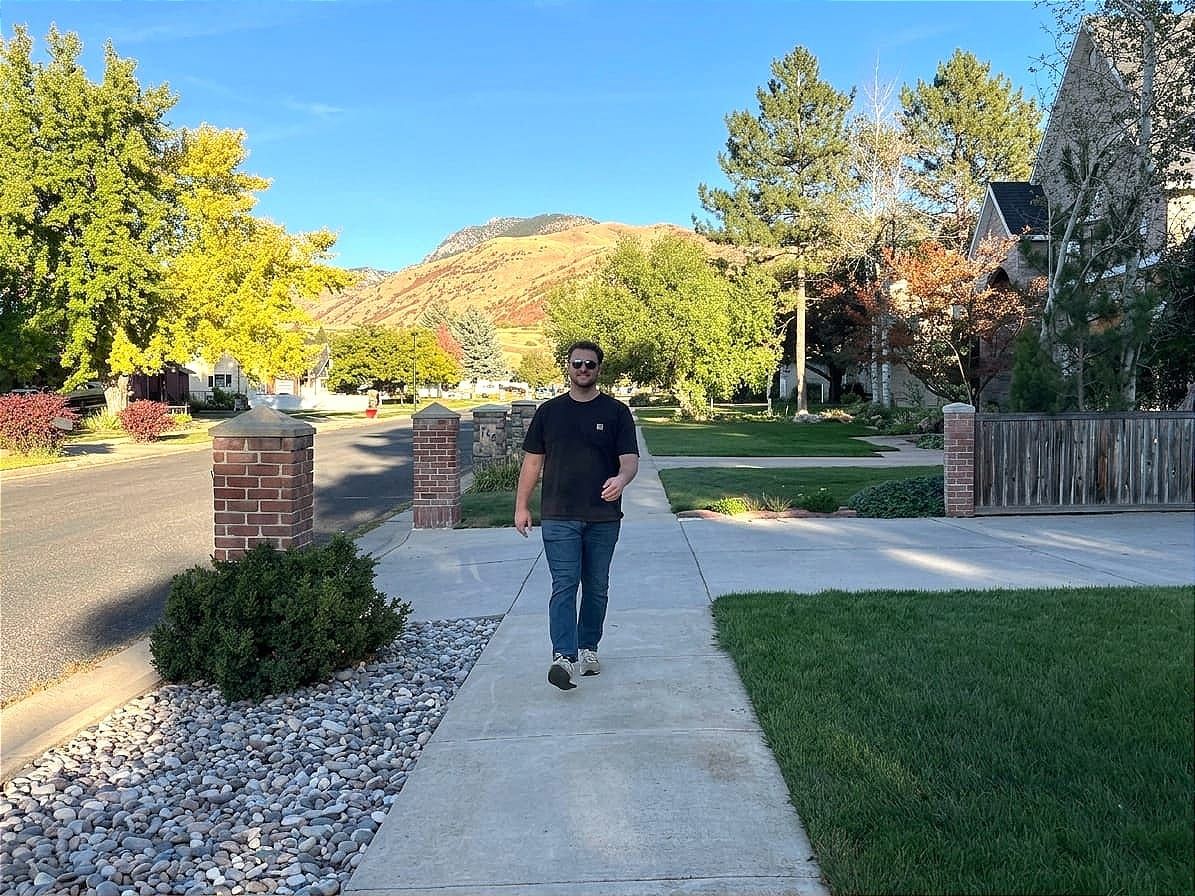
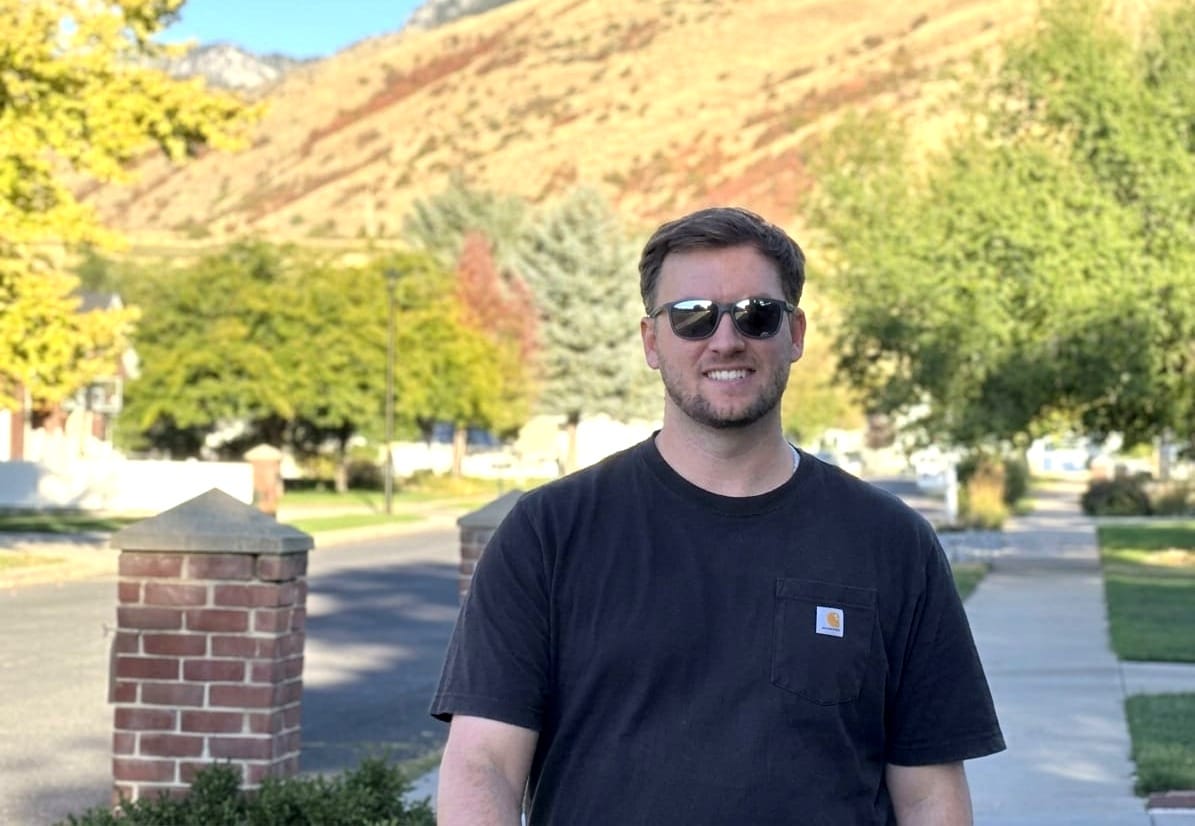
Jared Lambert, Developer of Walk Farm, Smithfield, Utah
Lambert, who previously completed an intensive cohort at Austin Allred's Gauntlet AI boot camp in Texas, noted that his sedentary lifestyle as a developer also served as personal motivation.
"As a software engineer, I spend most of the day sitting," Lambert explained. "Seeing stats around increased mortality rates based on how long you sit in a day was another big motivation behind the game."
How Walk Farm Works
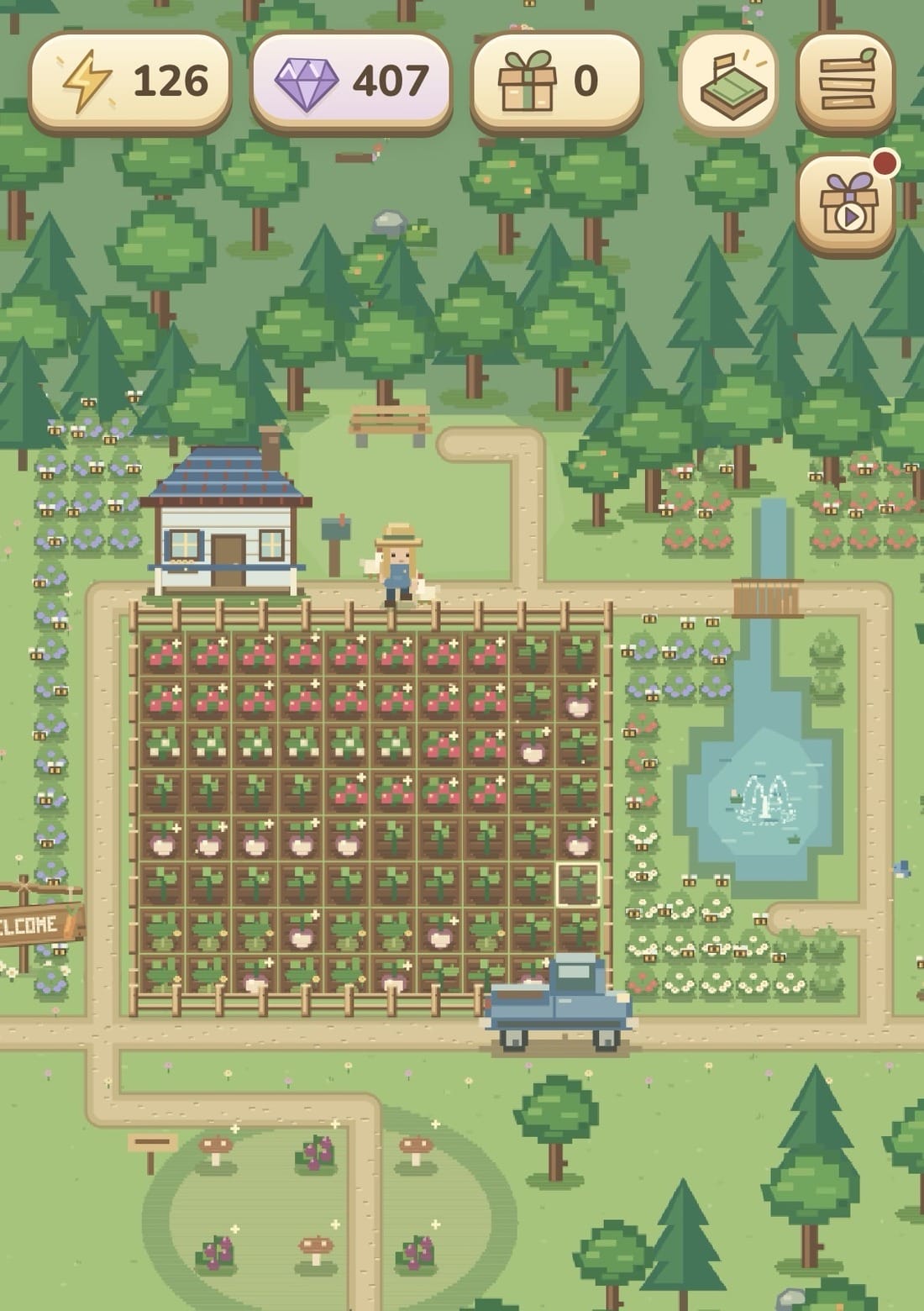
The premise of Walk Farm connects physical activity directly to gameplay progression. One hundred real-world steps convert into one unit of in-game farm energy. Clearing a plot of land or planting seeds costs two energy units, while watering crops costs one. To fully plant and maintain a basic 20-plot farm, a player needs to log around 10,000 steps per day.
To keep battery draw low and protect user privacy, the app avoids continuous background location and real-time GPS tracking. Instead, it asynchronously syncs with native health frameworks—Apple Health on iOS and Health Connect on Android—whenever the app is opened.
"Our app doesn't watch your GPS or track your steps in real time," Lambert said. "We just connect to your health app, so anytime you open Walk Farm, it checks how many steps you’ve walked since the last time you opened it. That way, it doesn't drain extra battery in the background."
Inside the game, players meet virtual neighbors like "Farmer John" and "Mabel," fulfill crop requests to raise friendship levels, unlock farm expansions using earned gems, and customize their avatar and homestead. If a user misses a few days of walking, crops won't die; the farm simply remains dormant until the player returns and syncs their accrued steps.
Social Mechanics and Early Traction
While the core game centers on individual progress, social features allow players to connect with friends, send daily gifts, and visit each other's farms.
During early testing with an extended family group of about 40 people, Lambert saw firsthand how social accountability drives physical movement.
"For two weeks, our family group chat was just people talking about how far they’ve walked, going on extra walks because of the game, and sharing their farms," Lambert shared. "It creates a positive feedback loop to promote healthy habits."
Though launched just two weeks ago as a polished, production-ready app, Walk Farm has organically grown to around 75 active users purely through word-of-mouth.
Monetization Without the Trap
To maintain developer sustainability without compromising the app's health-focused mission, Lambert built a non-intrusive monetization structure. Players who want to progress faster can optionally purchase extra gems for $1 or $2, or watch a single voluntary daily ad for a reward. However, microtransactions are not required to unlock any part of the experience.
"My goal here isn't to optimize purely for revenue, because in mobile gaming, optimizing for revenue eventually leads you down addictive gameplay loops," Lambert said. "I'm optimizing for a specific vision of what a cozy farming game should be. Monetization makes it sustainable, but the whole idea is that it remains a healthy game."
At roughly 6.5 megabytes, Walk Farm requires minimal storage space and collects no personal data beyond local step tracking encrypted on the device.